India Proposes Lok Sabha Seat Redistribution
Major political shift as Lok Sabha seats may be reallocated.
Model Diplomat3 min readIndia
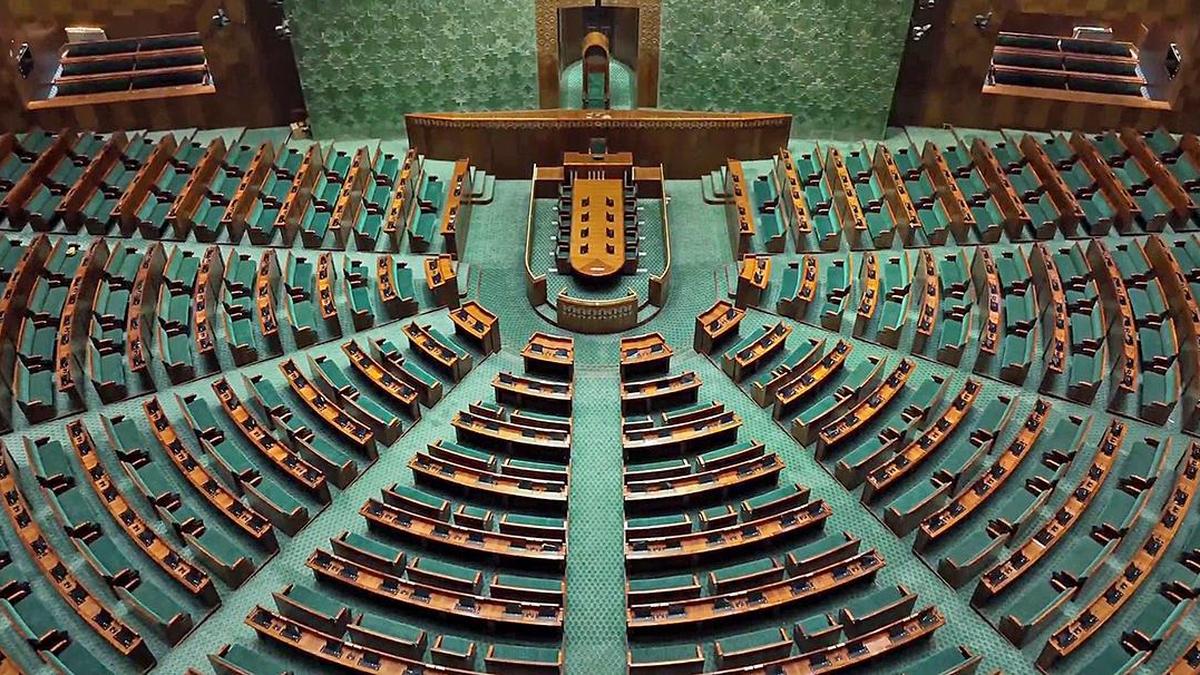
Centre moots inter-State redistribution of Lok Sabha seats based on 2011 Census
The Indian government is proposing a major recalibration of parliamentary representation that could shift political power away from southern states, reshaping electoral dynamics through seat redistribution based on the 2011 Census.
The proposal: recalibrating political representation by population
The Indian government has circulated draft texts of a Constitutional Amendment Bill and a Delimitation Bill aimed at redistributing Lok Sabha (House of the People) seats between states using population data from the 2011 Census. This move would end the freeze on the number of seats allocated to each state that has been in place since 1976, a freeze intended originally to encourage population control by not rewarding population growth with additional political power.
According to sources, if enacted, this reform would result in southern states—particularly Andhra Pradesh, Telangana, Tamil Nadu, Karnataka, and Kerala—receiving fewer Lok Sabha seats relative to their current allocation. These states have stabilized or even reduced population growth rates over the last few decades, and under a strict population-based seat allocation system, would see their political clout diminish. Conversely, states in northern and central India with faster population growth rates, such as Uttar Pradesh, Bihar, Madhya Pradesh, and Rajasthan, would gain seats.
The 2011 Census data is the latest robust population dataset available, but critics argue it already underestimates demographic changes over the last 15 years. Still, the government argues this step is necessary to correct representational disparities entrenched by the decades-long freeze.
Why this matters: population, power, and political stakes
The freeze on seat redistribution was initially agreed upon as a trade-off to incentivize states to implement population control strategies without losing political influence. But this has meant that states with rapid population growth have been underrepresented in the Lok Sabha relative to their demographic weight.
Now, the Centre is moving to unfreeze seat allocations, a step that has significant political consequences:
-
Shift in power to northern and central India: These states are often the political battlegrounds where the ruling party, Bharatiya Janata Party (BJP), enjoys strong support. Increasing their parliamentary presence would likely consolidate BJP’s dominance in the Lok Sabha.
-
Southern states losing influence: The southern states have traditionally been political outliers with regional parties or opposition coalitions. Losing seats could reduce their national leverage at a time when they are already challenging the Centre on several policy fronts.
-
Population control debate revived: This move implicitly rewards states with higher population growth, potentially discouraging family planning efforts and igniting fresh debates on demographic policy.
-
Room for political realignment: The readjustment could trigger new coalition dynamics within Parliament as states recalibrate their strategies for safeguarding interests.
What to watch next
The draft bills must still clear Parliament, and opposition from southern states' leaders is expected. Key questions include whether concessions or protections will be written in—for example, provisions to ensure no state's seat count falls below a certain threshold.
Also critical will be public and political discourse around the timing. With the next general elections slated for 2029 but state assembly elections ongoing, this redistribution could influence electoral narratives and candidate selection.
Finally, legal challenges may arise, as seat reallocation touches on the sensitive balance between democratic representation and federal equity.
This move toward recalibrating parliamentary representation from the 2011 Census data marks a watershed in India’s electoral geography. It will reshape how the country's diverse population is politically acknowledged and could shift the balance of power decisively toward northern India’s fast-growing states.
For more on India’s electoral politics and demographic trends, see India and
Global Politics.
Centre seeks inter-State redistribution of Lok Sabha seats based on 2011 Census
Discover more
India
India's Women’s Quota Bill and Lok Sabha Redo
India proposes a 33% women's quota in legislatures, redraws electoral maps and reforms Union Territories in a sweeping bid to expand political representation.

Economics
Fed's Amex AML order puts correspondent banking on notice
Federal Reserve's Amex AML order requires board-level controls and a 90-day plan; OCC fined the bank $350 million over enterprise-wide deficiencies.
Conflict & Security
Guatemala: El Niño 2026–27 becomes regional security test
UNICEF: 25.8M children face El Niño risks in Latin America; Guatemala maps 188 municipalities for drought and food insecurity amid regional security test.

Economics
Fed's stress-test overhaul is a capital-smoothing exercise
Federal Reserve finalized stress-test overhaul: two-year averaging for bank capital buffers and public input, expected to halve volatility.