India's Women’s Quota Bill and Lok Sabha Redo
Exploring India's legislative push for women's representation
Model Diplomat3 min readIndia
Explained: India’s Big Push for Women’s Quota and Redrawing Lok Sabha Map
The Indian government is simultaneously advancing three major bills—a 33% reservation for women in legislatures, a Delimitation Commission for electoral boundaries, and a framework to integrate Union Territories with new political rules.
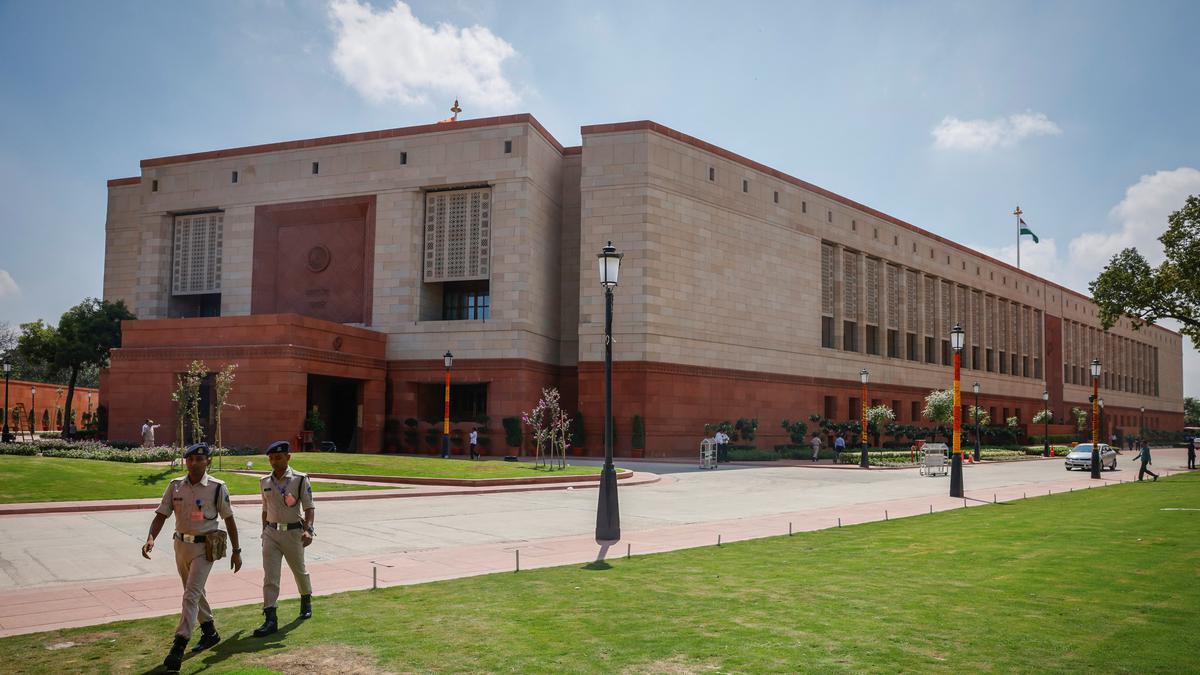
On April 2026, the Indian government unveiled an ambitious legislative package aimed at reshaping parliamentary politics and electoral geography for the first time in years. Key among these is a bill proposing a mandatory 33% reservation for women in the Lok Sabha and state legislative assemblies, along with two companion bills focused on revising constituency boundaries and restructuring governance frameworks for Union Territories (UTs). This trio of legislative proposals signals a profound attempt to alter how political representation and power are balanced in India.
Why It Matters: A Trifecta of Political Transformation
The centerpiece is the women’s quota—a long-pending reform that aims to enhance female political participation dramatically. Women currently hold just 14% of seats in the Lok Sabha, reflecting persistent gender disparities in Indian politics. Implementing a one-third reservation would push the number closer to parity with rural local bodies, where women’s representation averages above 40% thanks to previous quotas. This is not merely symbolic; it promises to shift legislative priorities and amplify issues like gender-based violence, healthcare, and education.
Crucially, the government plans to roll out this quota in tandem with the redrawing of electoral constituencies. The Delimitation Commission will reconfigure Lok Sabha and state assembly boundaries for the first time since 2008, based on demographic changes from the 2021 Census. Past delimitation exercises have significantly altered political fortunes by creating or dissolving seats, reshuffling voter bases, and thereby changing party dynamics. The fact that these two reforms proceed side-by-side is strategic: creating a fresh electoral map alongside guaranteed women’s seats may allow the ruling party to engineer favorable outcomes and institutionalize new political realities.
Finally, the move to bring Union Territories into alignment with these reforms addresses governance gaps. UTs like Delhi, Puducherry, and Jammu & Kashmir have complex political statuses with unique legislative arrangements. Bringing them under this unified framework ensures consistent application of the quota and delimitation rules, potentially impacting power balances in these sensitive regions.
What to Watch Next: Political Stakes and Implementation Risks
The ruling party benefits from spearheading these reforms, portraying itself as a progressive champion of gender equality and democratic renewal. However, opposition parties across India’s fragmented landscape will scrutinize whether the changes reinforce or dilute their influence, especially in states where demographic shifts and delimitation may threaten established political bastions.
Implementation will be the biggest hurdle. The quota must overcome legal and political challenges—the last delay in women’s reservation stretched over a decade due to opposition resistance and disputes about candidate selection. Delimitation often stokes ethnic and regional tensions, as it can alter representation for minorities or communities with entrenched local power.
Moreover, how the Union Territories adjust to this framework will test the government’s capacity to manage diversity and autonomy demands without igniting new conflicts.
The government’s simultaneous advance on these bills signals a high-stakes gamble to redefine Indian democracy’s shape and inclusiveness. Whether this experiment expands genuine representation or entangles Indian politics further will depend on judicial scrutiny, political negotiation, and public response over the coming months.
For a broader look at India’s political landscape and electoral reforms, see India and
Global Politics.
NDTV: Explained: Big Push For Women’s Quota, Move To Redraw Lok Sabha Map
Discover more
India
India's 33% Women’s Quota in Lok Sabha 2029
India plans to expand the Lok Sabha to 850 seats and reserve 33% for women by 2029, aiming for far greater gender representation in national politics.

Economics
Fed's Amex AML order puts correspondent banking on notice
Federal Reserve's Amex AML order requires board-level controls and a 90-day plan; OCC fined the bank $350 million over enterprise-wide deficiencies.
Conflict & Security
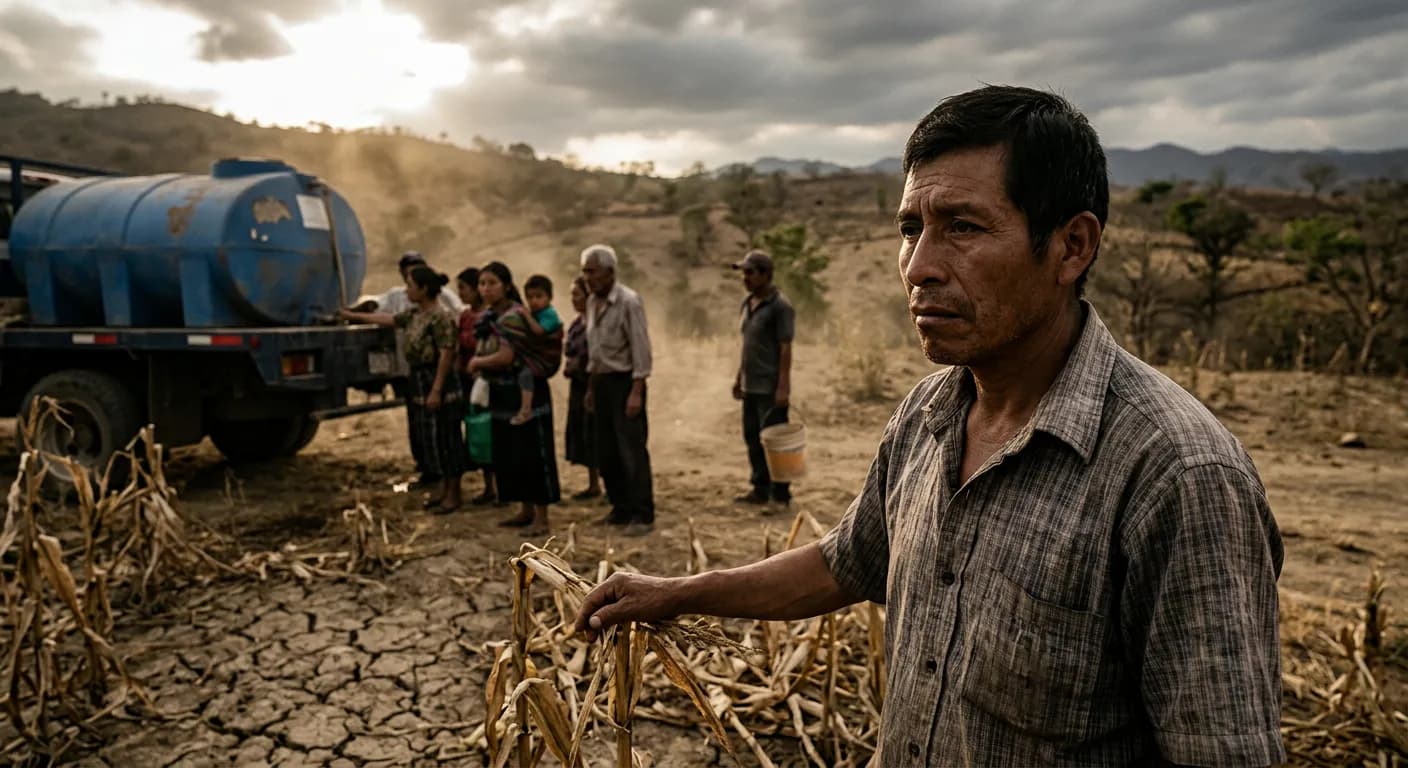
Guatemala: El Niño 2026–27 becomes regional security test
UNICEF: 25.8M children face El Niño risks in Latin America; Guatemala maps 188 municipalities for drought and food insecurity amid regional security test.

Economics
Fed's stress-test overhaul is a capital-smoothing exercise
Federal Reserve finalized stress-test overhaul: two-year averaging for bank capital buffers and public input, expected to halve volatility.