Modi Proposes 33% Women Reservation in LokSab
A historic move to enhance women's political representation in India
Model Diplomat3 min readIndia

Over 270 seats for women? Govt tables reservation bills to reshape Lok Sabha
Modi government moves to reserve one-third of Lok Sabha and state assembly seats for women, signaling a seismic shift in Indian electoral politics.
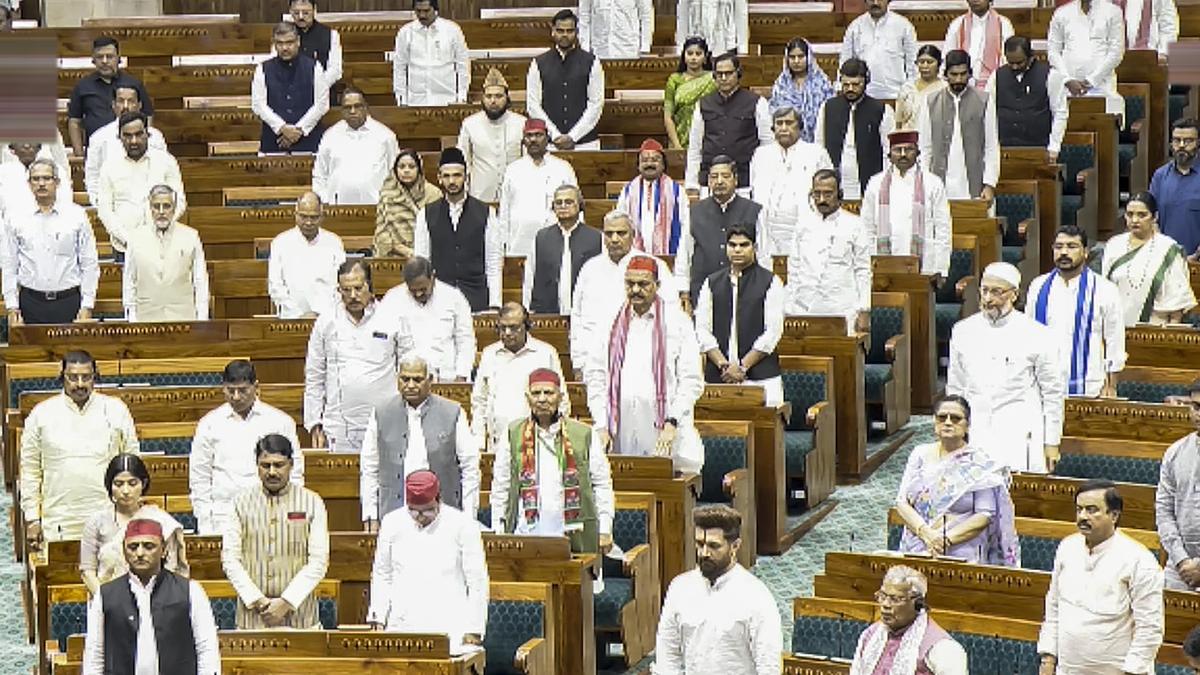
On April 17, 2026, the Indian government introduced three pivotal bills in the Lok Sabha aimed at enhancing women’s political representation. The centerpiece is an amendment to the Women’s Reservation Act that mandates reserving roughly 33% of seats in the Lok Sabha (over 270 out of 543) and state assemblies for women. Another bill proposes recalibrating constituency boundaries based on the 2021 census to align with this new quota framework. This move, spearheaded by Prime Minister Narendra Modi’s administration, could rewrite the political landscape for women in India Source: LiveMint.
Why this matters: The long road to political gender parity
India first passed the Women’s Reservation Bill in 1996, aiming to reserve 33% of seats in local governance bodies. But a similar quota for Parliament and state assemblies has languished for over 25 years amid political resistance. The promise of elevating women’s voices in national and state legislatures—where women occupy barely 15% of seats currently—is behind the persistent push for this amendment.
The Modi government’s revival and tabling of these bills signify a strategic and ideological calculation. It not only responds to growing public demand for gender equality but could also reshape party dynamics ahead of the 2029 general election. Political parties, particularly the Bharatiya Janata Party (BJP), may leverage this to target new voter demographics and elevate party women leaders.
The delimitation adjustments based on the 2021 census data also bring fresh electoral maps to the table, potentially disrupting existing vote banks. This recalibration ensures that constituencies fairly reflect population shifts but adds uncertainty about which seats may become reserved or unreserved under the new system.
Historically, similar moves in states like Rajasthan and Madhya Pradesh to reserve legislative seats for women led to increased women representation and incremental policy shifts on women’s issues. The national scope of these bills could scale such impacts profoundly.
Watch next: Political reactions and implementation speed
The bills now face debate and possible opposition in Parliament, particularly from regional parties wary of losing strong male incumbents’ seats. Implementation will require final presidential assent and coordinated efforts with state governments to conduct fresh delimitation processes.
Close attention should be paid to which women candidates parties field for the reserved seats and whether reserved seats foster substantive policymaking influence or become symbolic turf. Also, watch for moves to extend representation quotas to marginalized communities within the women’s reservation framework, a longstanding demand from Dalit and tribal groups.
This landmark legislative push reflects a broader Indian and global trend aimed at closing the gender gap in political representation. If enacted fully, it would position India alongside countries like Rwanda and Spain, where women’s parliamentary representation exceeds 30%, a milestone for the world’s largest democracy.
For those tracking India’s political evolution or gender-based representation reforms, this moment marks a potential turning point with consequences beyond electoral math — touching on governance, policy priorities, and the gendered contours of political power.
Explore more on women’s political participation and broader political reforms in India on Global Politics.
Discover more
India
India's 131st Amendment Bill
The Lok Sabha passed the 131st Amendment Bill, clearing a path for a 33% women's reservation in Parliament by 2029 and breaking a two-decade-long impasse.

India
Modi's Women's Quota
PM Modi insisted India's 33% women's quota in Parliament won't disadvantage others, framing it as a vital step toward closing the gender gap in politics.

India
Modi's Women’s Reservation Bill
PM Modi's Women's Reservation Bill aims to expand women's seats in India's Parliament, a reform poised to reshape democracy and shift electoral dynamics.

Economics
Fed's Amex AML order puts correspondent banking on notice
Federal Reserve's Amex AML order requires board-level controls and a 90-day plan; OCC fined the bank $350 million over enterprise-wide deficiencies.