Modi's Women’s Reservation Bill
Exploring the implications of the Women’s Reservation Bill in India
Model Diplomat3 min readIndia

Women’s Reservation Bill Won’t Discriminate, Says Modi: Here’s Why It Matters
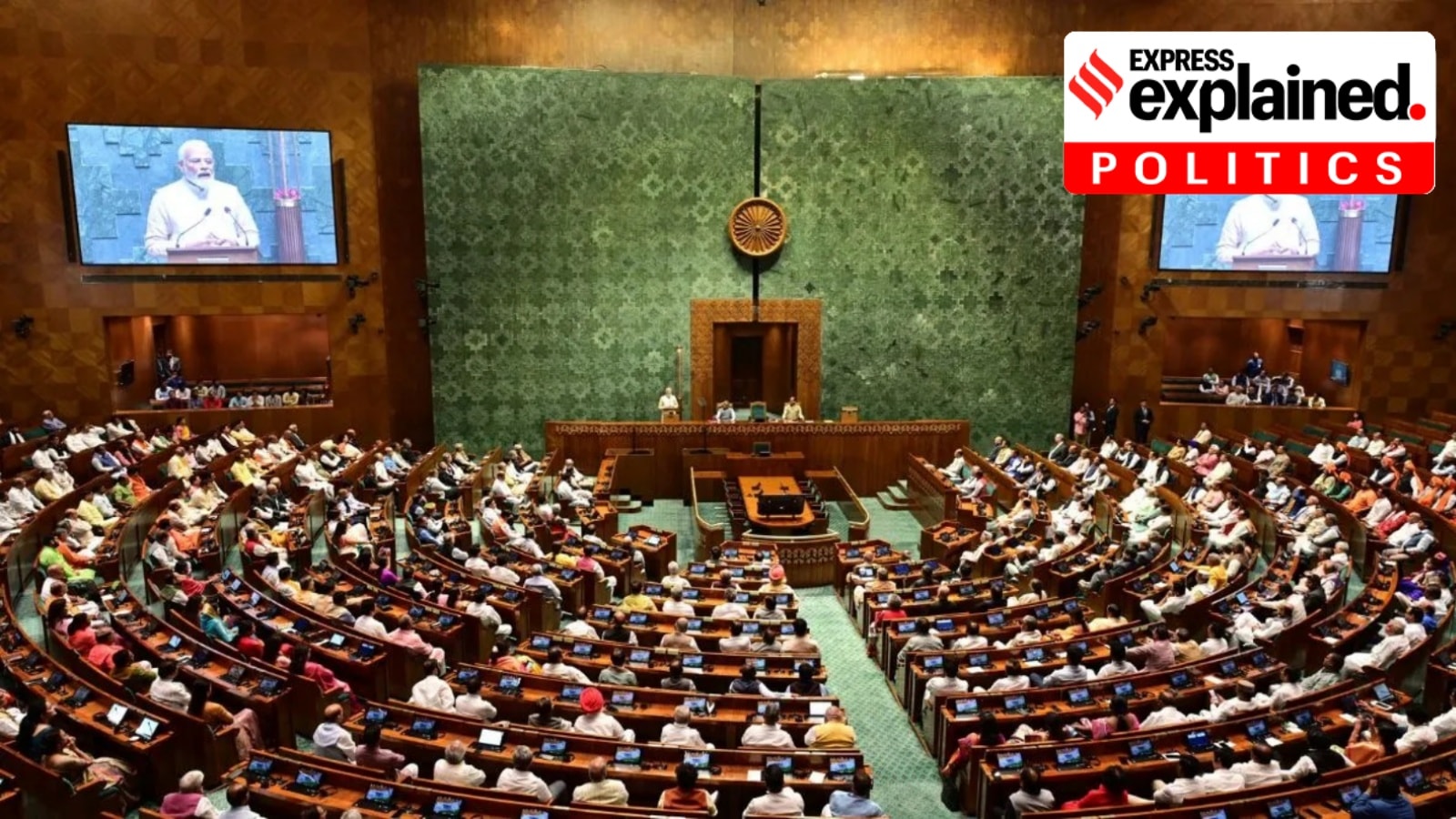
Prime Minister Narendra Modi assured Lok Sabha on April 17 that the Constitution (One Hundred Twenty-eighth Amendment) Bill, 2023, reserving one-third of legislative seats for women, is designed to strengthen Indian democracy without discrimination.
What Just Happened
Modi's statement in India’s lower house of Parliament pushed the long-debated Women’s Reservation Bill toward potential passage. The bill mandates 33% reservation for women in the Lok Sabha (India’s Parliament) and all state assemblies. The Prime Minister framed it not as a political concession but as a democratic reform to enhance representation and inclusion.
He called for bipartisan support, underscoring the bill as a collective step for democracy, not a partisan advantage. This marks a continuation of efforts that culminated partly in the 2023 amendment (the One Hundred and Sixth Amendment Act) which constitutionally enabled this quota but postponed implementation until post-delimitation—redrawing electoral boundaries based on the latest census data.
Why It Matters Now: Representation and Political Recalibration
The bill’s future impact is tied tightly to two linked reforms: the women’s quota and electoral delimitation based on demographic shifts since the last census. Together, they will reshape India’s electoral landscape.
-
Boosting Women’s Representation: If implemented, women would hold about a third of legislative seats for the first time in India’s history, a monumental shift in a country where women currently occupy about 14% of Parliament seats. This aims to translate India’s progressive constitutional ideals into concrete legislative power for women, potentially influencing everything from social policy to governance priorities.
The Hindu reports detailed plans for this 33% quota applied across parliament and state legislatures.
-
Delimitation Complications: The bill’s enactment awaits electoral boundary redraws that reflect population changes captured in the 2011 Census. This affects not just women’s representation but regional power balances, particularly where southern states may gain or lose influence. Critics worry about delays and the complex interplay of reservation with delimitation, fearing political bargaining could dilute the reform’s spirit.
-
BJP’s Strategic Calculus: Analysts see the ruling BJP’s push for the bill now as a strategic move ahead of the 2029 elections to lock in electoral advantages by reshaping constituencies and voter bases. This dual reform can appeal to women voters, strengthen BJP’s image as a reformist party, and recalibrate regional dynamics that have sometimes challenged the party’s ambitions.
Frontline’s political analysis frames this as a tactical pivot in BJP’s long-term electoral strategy.
What to Watch Next
-
Parliament Debate and Passage: Will Modi’s call for bipartisan consensus translate into smooth passage? Opposition parties have historically criticized delays and implementation plans. Watching their stance during debates will reveal how united or fractious India’s democracy remains on this landmark reform.
-
Implementation Timeline: The electoral roll changes hinge on the completion of delimitation based on census data. This technical but politically charged process must be monitored closely—delays or changes in delimitation rules can postpone women’s reservation implementation indefinitely.
-
Impact on Regional Politics: How will states, especially southern ones with distinct political cultures, react? The delimitation is expected to redistribute seats, potentially shifting regional power. This could provoke opposition or cooperation, influencing the next general election’s outcome.
In sum, India is at a historic crossroads: combining constitutional feminism with electoral engineering. Successfully passing and implementing the Women’s Reservation Bill could not only boost women’s political power but also redraw the political map—a democratic deepening with profound consequences.
For more on India’s evolving political landscape, see India Country Profile and
Global Politics.
Sources:
Discover more

India
Modi's Women's Quota
PM Modi insisted India's 33% women's quota in Parliament won't disadvantage others, framing it as a vital step toward closing the gender gap in politics.
India
India's Women’s Reservation Bill Reshapes Pol
India's new bills pair a 33% women's reservation with sweeping delimitation, reshaping Lok Sabha representation and reviving the north-south political divide.

India
Modi's Women's Reservation Bill
PM Modi distanced himself from credit for the Women's Reservation Bill, a strategic move shifting responsibility to the opposition while touting inclusion.

Economics
Fed's Amex AML order puts correspondent banking on notice
Federal Reserve's Amex AML order requires board-level controls and a 90-day plan; OCC fined the bank $350 million over enterprise-wide deficiencies.