BJP's Women's Reservation Bill Controversy
Debate on women's representation and electoral boundaries heats up
Model Diplomat3 min readIndia
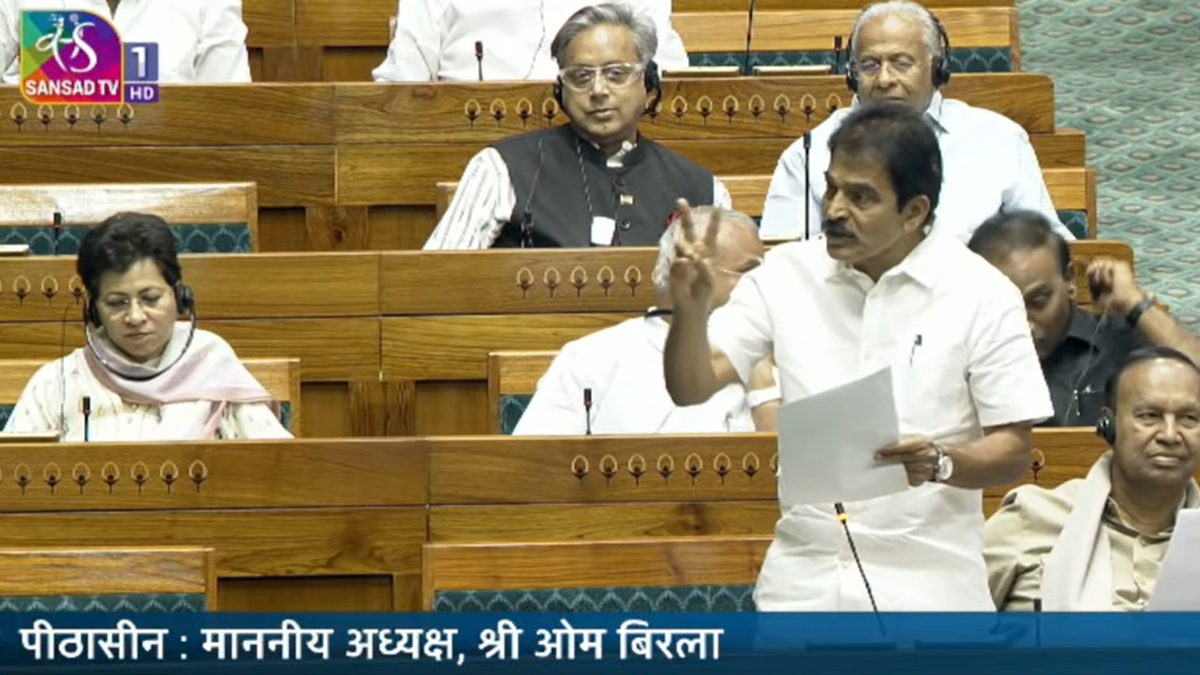
BJP Faces Criticism Over Women’s Reservation Bill in Lok Sabha Special Session
DMK accuses BJP of exploiting women’s reservation for electoral gains as parliament debates key amendments on April 17, 2026.
The Lok Sabha’s special session today is set to be a turning point for women’s political representation and electoral boundaries in India. Three critical bills are under review: the amendment of the Women’s Reservation Bill (WRB) and two delimitation-related measures. Voting is scheduled for 4 p.m. The BJP-led government is advancing these bills amid heated opposition, with the DMK accusing it of instrumentalizing women’s representation for political mileage in southern India.
Why This Session Matters
The Women’s Reservation Bill, originally aimed at reserving 33% of seats in Parliament and state assemblies for women, has been a long-standing demand from women’s groups and opposition parties. This session focuses on amendments that could redefine how these reservations are implemented, potentially impacting the electoral calculus significantly.
Union Home Minister Amit Shah has emphasized assurances to southern states about fair representation, signaling BJP’s strategic intent to consolidate votes in regions traditionally less favorable to it. The Tamil Nadu-based DMK, a key opposition player, is vocally challenging this narrative, arguing that BJP is merely using women as a political shield to mask underlying efforts to redraw electoral boundaries for partisan advantage.
Delimitation—redrawing constituency boundaries—has profound implications for party politics. The two accompanying bills address this issue, risking accusations of gerrymandering. These changes could alter the electoral map, affecting the balance of power in several southern and northeastern states.
The Stakes Beyond Representation
The BJP’s move comes at a time when women’s political participation is a global focus, yet India’s actual representation remains modest. The controversy lies not in the principle of reservation but in how it is being wielded. DMK’s critique highlights a broader concern: whether this push for gender inclusivity is genuine policy or a tactical maneuver to reshape electoral demographics favorably.
Historically, delimitation exercises have been politically charged in India, with parties accusing each other of tweaking boundaries to win votes. This session pushes those tensions upfront in Parliament, with the BJP defending the measures as necessary for equitable representation, while opponents warn of electoral engineering.
The DMK’s framing—calling out the BJP for ‘using women as a shield’—reflects deep frustrations in southern politics, where BJP has traditionally struggled. By linking women’s reservation to electoral boundary changes, the opposition underscores risks of tokenism and perceived manipulation, rather than delivering meaningful empowerment.
What to Watch Next
The outcome of today’s vote will reveal if BJP can successfully navigate parliamentary dissent to pass these key bills. Pay attention to:
- The exact amendments approved in the Women’s Reservation Bill, particularly clauses regarding seat allocation and timelines.
- Resistance from southern and northeastern MPs who may see delimitation as diluting their influence.
- Signals from BJP on how they plan to implement these changes ahead of upcoming state elections, especially in Tamil Nadu and Karnataka.
- The response from women’s groups and civil society on whether the legislation moves beyond optics toward actual empowerment.
This moment encapsulates a classic tension in Indian electoral politics: balancing social justice with party strategy. If BJP’s critics are right, today’s session could be remembered as the point when women's representation was publicly co-opted into a broader game of political calculation—potentially sacrificing genuine inclusion for electoral gain.
For ongoing updates on Indian politics, visit India and follow broader trends in
Global Politics.
Discover more
India
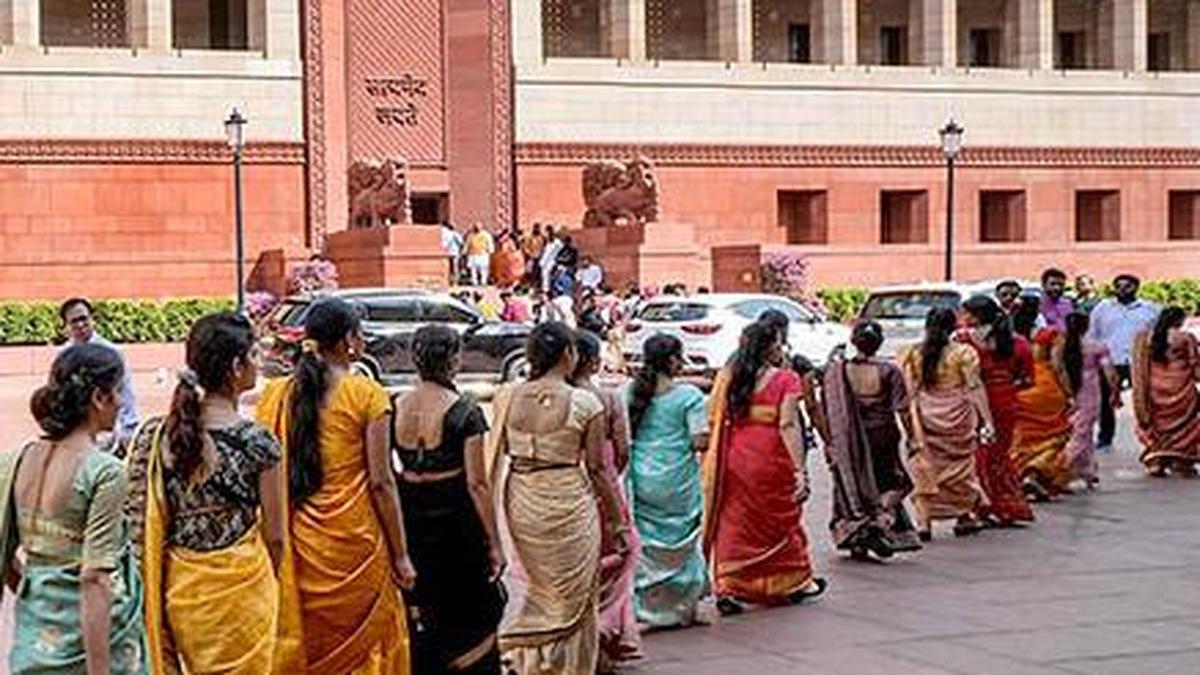
India's 33% Women’s Reservation Bill
India's Lok Sabha debated a historic bill reserving 33% of seats for women, a measure aimed at transforming representation and advancing gender equity.
India
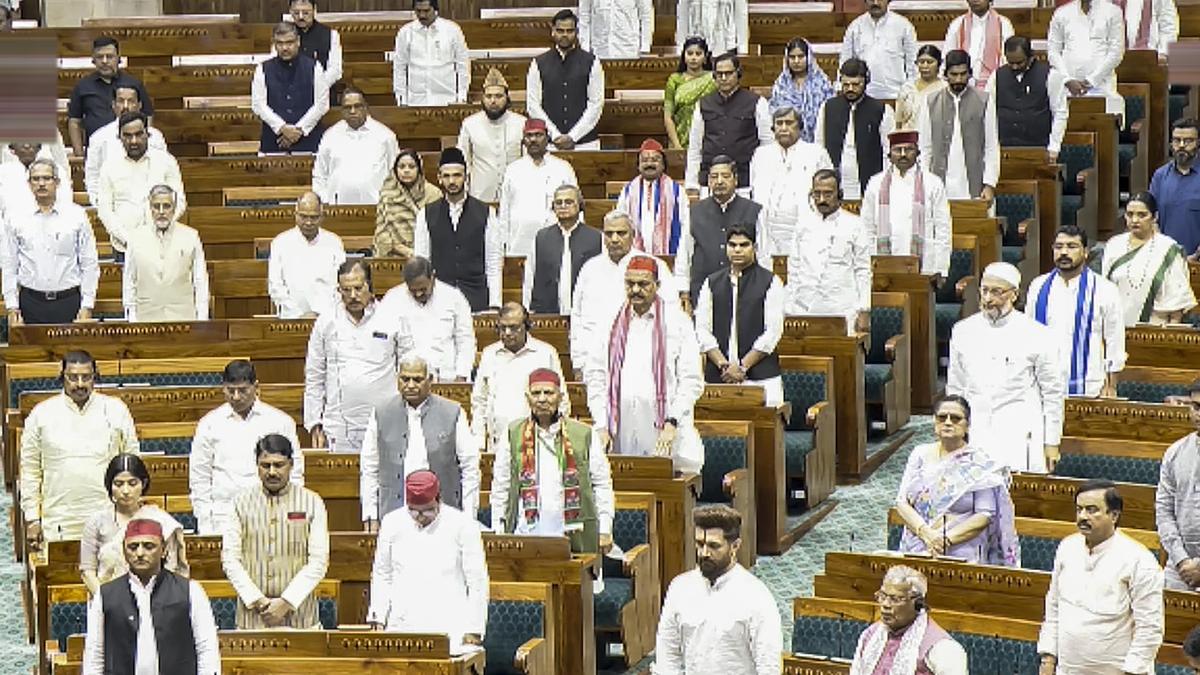
India's 131st Amendment Bill
The Lok Sabha passed the 131st Amendment Bill, clearing a path for a 33% women's reservation in Parliament by 2029 and breaking a two-decade-long impasse.
India
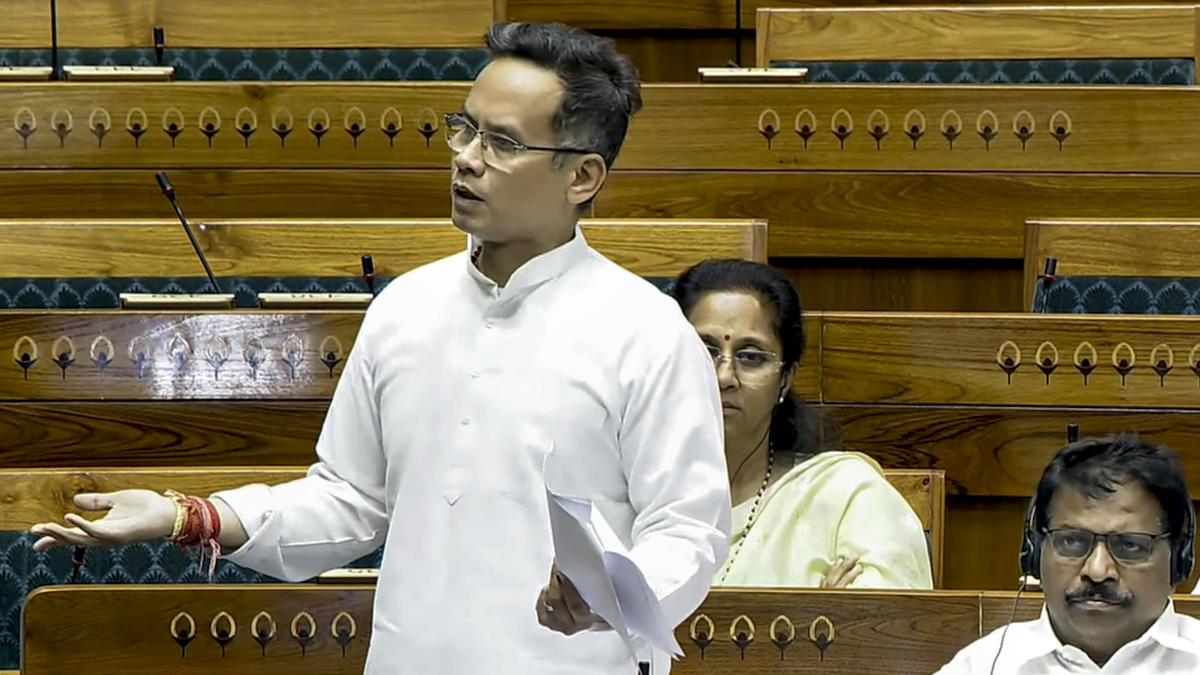
Congress: Modi's Delimitation Manipulation
Congress accused the Modi government of using delimitation to consolidate power in Jammu and Kashmir, urging it be separated from the women's reservation bill.

Economics
Fed's Amex AML order puts correspondent banking on notice
Federal Reserve's Amex AML order requires board-level controls and a 90-day plan; OCC fined the bank $350 million over enterprise-wide deficiencies.