Congress: Modi's Delimitation Manipulation
Political weaponization of delimitation in Jammu and Kashmir
Model Diplomat3 min readJammu and Kashmir
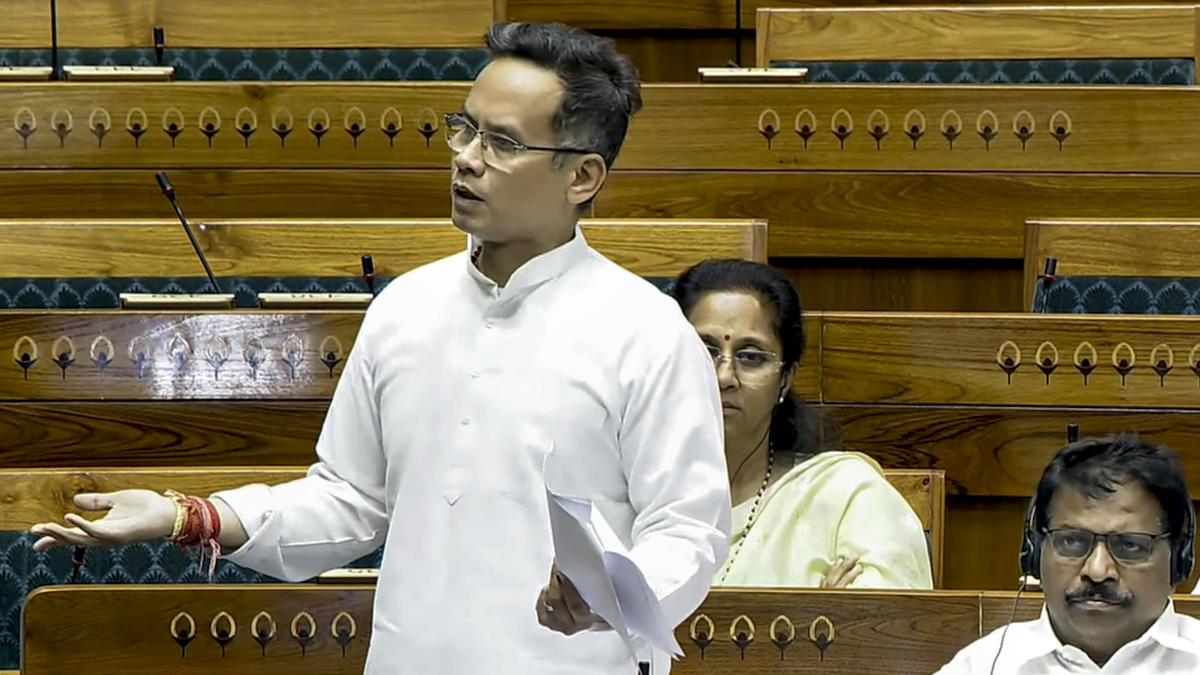
Congress accuses Centre of wielding delimitation as political weapon in Jammu and Kashmir
Congress charges Modi government with manipulating Jammu and Kashmir’s delimitation process to consolidate power, while pushing for women’s reservation as a strategic cover.
On April 16, 2026, amid a special Parliament session on Jammu and Kashmir’s delimitation exercise, Congress MP Gaurav Gogoi launched a sharp critique of the Modi government’s handling of the region’s electoral boundaries. Gogoi accused the Centre of transforming what should be an administrative task—redrawing constituency boundaries—into a "political weapon" aimed at expanding the BJP’s influence under the guise of advancing women’s reservation. He urged that the women’s reservation law be decoupled from the contentious delimitation process to avoid "backdoor" political maneuvering The Hindu.
Why Delimitation in Jammu and Kashmir Matters
Delimitation is always delicate, but in Jammu and Kashmir, it holds outsized political and symbolic weight. The process—first initiated in 2020 after the abrogation of Article 370—redefines political representation in a Union Territory marked by complex ethnic, religious, and regional identities. The number and boundaries of Assembly seats determine the political landscape for years.
The BJP-led Centre’s approach has faced consistent criticism from opposition parties and Kashmir-based leaders, alleging that the exercise dilutes Muslim-majority areas' representation while boosting seats in Hindu-majority Jammu. This alleged rebalancing benefits the BJP, where it traditionally holds stronger support.
Congress’s argument that delimitation is a political weapon taps into broader anxieties about the central government’s strategy to reshape the region’s political sociology. It’s not just boundary lines on a map but about consolidating a demographic and ideological edge that might prolong BJP dominance in a territory where it has historically struggled.
Women’s Reservation: Genuine Reform or Political Cover?
The government has flagged the introduction of women’s reservation in the new Assembly as a progressive step, embedding it within the same legislation restructuring constituency boundaries. This coupling has raised suspicions. Critics like Gogoi contend that women's reservation—undeniably necessary for gender equality—is being used as a smokescreen to push questionable delimitation policies.
The call to delink women’s reservation from delimitation is a strategic demand. It would isolate a broadly popular reform from tactical political recalibration, forcing the government to advocate for women’s representation on its own merit rather than as part of a package that entrenches political advantages.
What’s Next: Political Stakes and Regional Stability
The unfolding delimitation drama is more than a parliamentary squabble. It is bound to define Jammu and Kashmir’s political future and impact regional stability. Opponents will pressure for judicial reviews or legislative pushback against delimitation proposals perceived as biased. For the BJP, the process is a high-stakes gamble that could either cement a foothold in the region or further alienate local populations and opposition parties.
Observers should watch how the Centre negotiates these accusations and whether it adopts a more transparent, consultative delimitation process. The government’s response will reveal whether it views Jammu and Kashmir’s political integration as a genuine democratic exercise or a zero-sum contest for control.
Finally, the women’s reservation issue demands separate attention. Removing it from the political battleground over delimitation could build broader consensus and potentially advance gender inclusion in Jammu and Kashmir’s governance.
For ongoing analysis of Indian political developments and Jammu and Kashmir’s evolving status, see our India profile and explore broader
Global Politics.
Sources:
Discover more
India
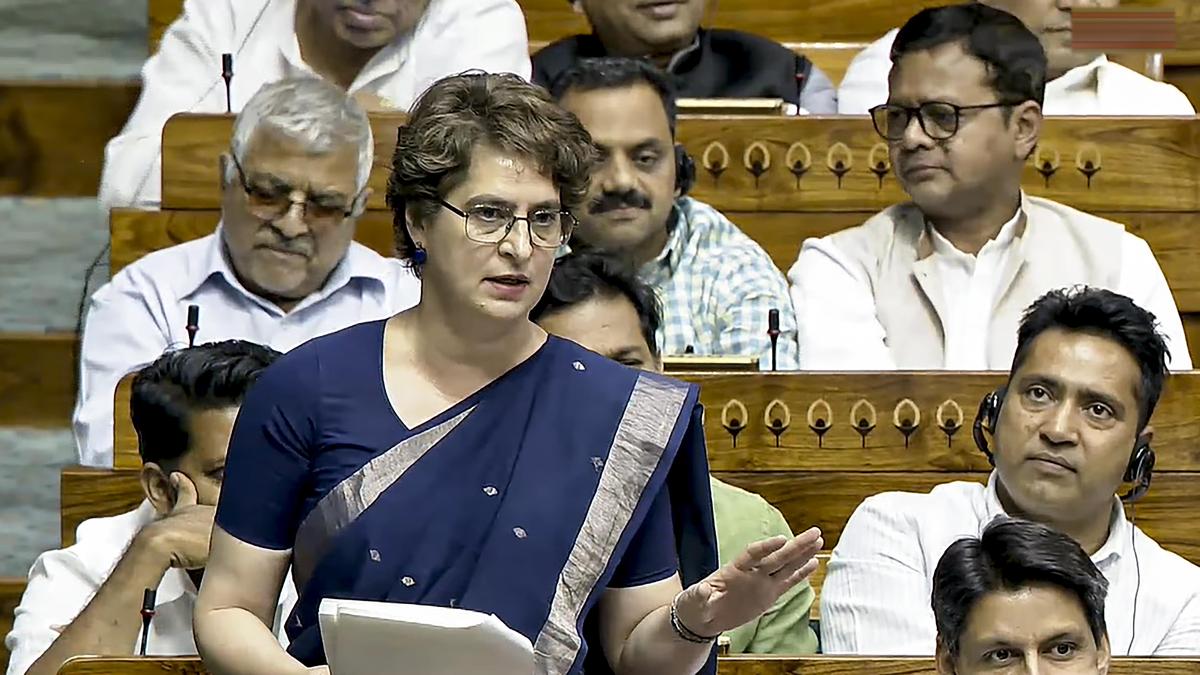
Priyanka Gandhi: Delimitation Threatens India
Priyanka Gandhi Vadra condemned the government's delimitation push as a threat to democracy, warning it could consolidate political power and erode fair voting.
India
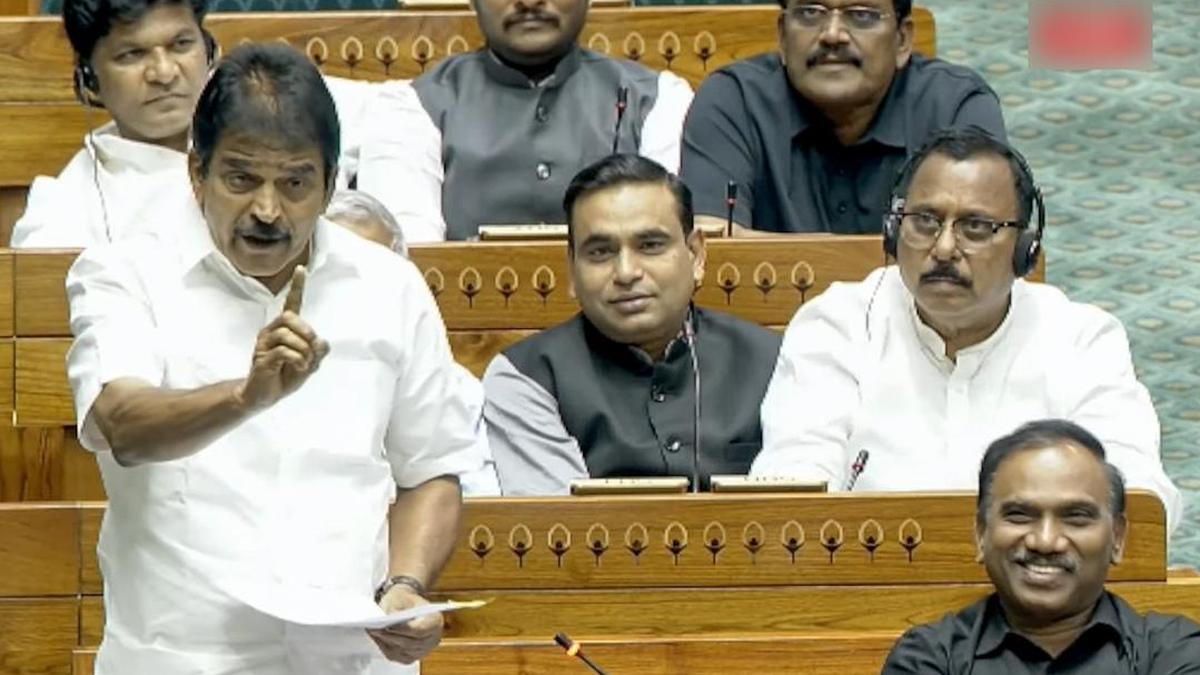
India's Women’s Reservation Debate
Congress MP K.C. Venugopal calls for an all-party meeting on women's reservation, citing concerns that delimitation could undermine fair representation.
India
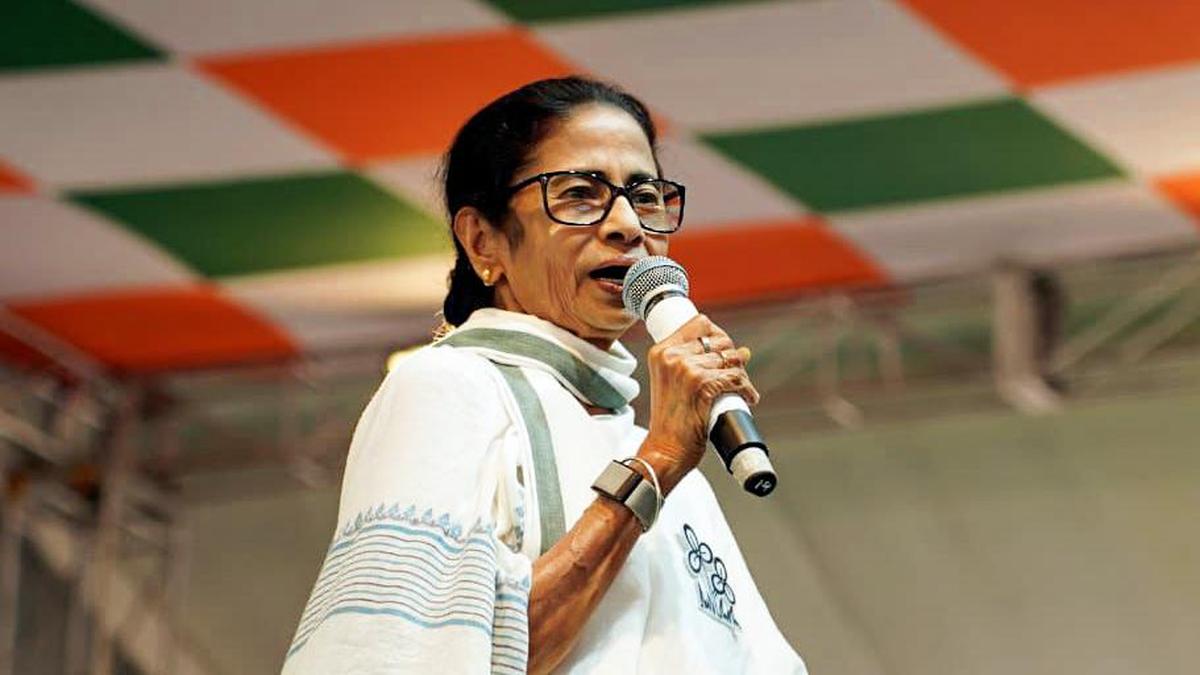
Mamata Banerjee: BJP's Delimitation Divide
Mamata Banerjee accuses the BJP of using delimitation to fragment Bengal and consolidate power, raising sharp concerns over electoral fairness in the state.

Economics
Fed's Amex AML order puts correspondent banking on notice
Federal Reserve's Amex AML order requires board-level controls and a 90-day plan; OCC fined the bank $350 million over enterprise-wide deficiencies.