Mamata Banerjee: BJP's Delimitation Divide
Mamata claims BJP's delimitation strategy threatens Bengal's unity.
Model Diplomat3 min readWest Bengal
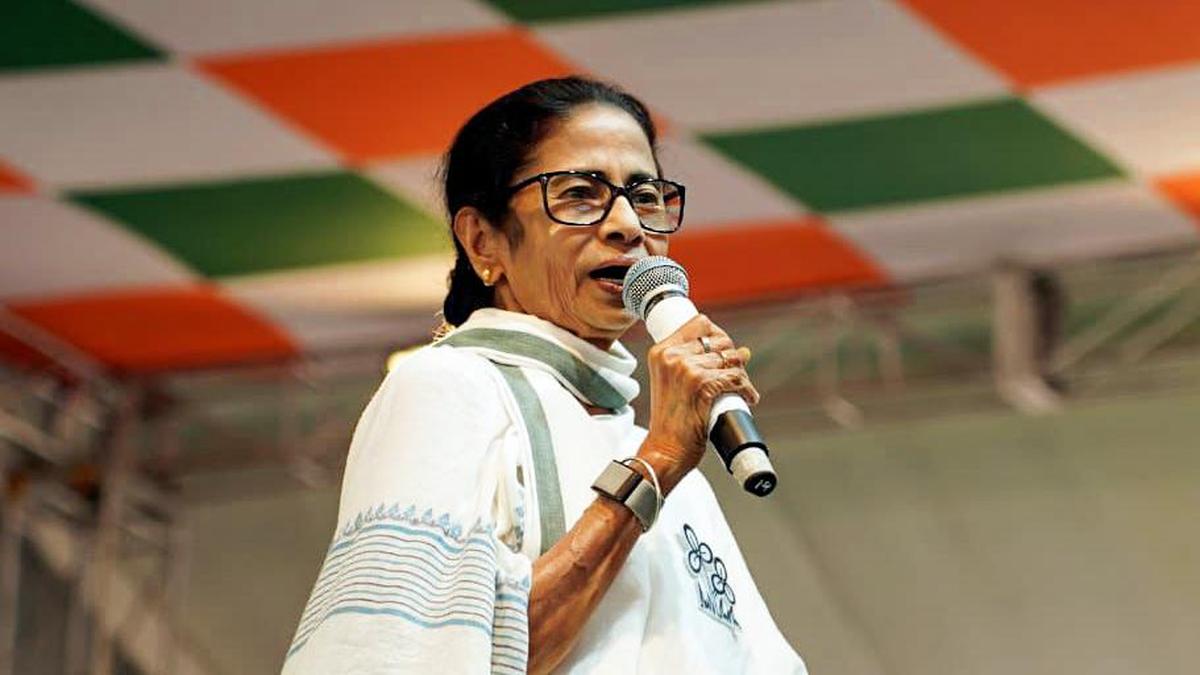
Delimitation is the BJP's tool to divide Bengal and India, says Mamata
Mamata Banerjee accuses the BJP of using delimitation in West Bengal as a political weapon to fragment the state and consolidate power nationally.
West Bengal Chief Minister Mamata Banerjee launched a fierce critique at the BJP-led central government over the proposed Delimitation Bill, calling it a strategy designed to divide Bengal—and by extension, India. Speaking at a rally in Domjur, Howrah on April 14, 2026, Mamata accused the BJP of pursuing the delimitation exercise not as a routine administrative act but as a calculated move to secure political mileage. She argued the BJP’s intent was to engineer electoral advantages that go beyond gaining a simple majority in the state assembly, potentially fragmenting Bengal’s political landscape and undermining its societal cohesion The Hindu.
Why delimitation matters in Bengal—and India
Delimitation is the process of redrawing the boundaries of electoral constituencies to reflect changes in population. It is supposed to ensure equal representation in legislatures based on demographic shifts documented in censuses. In West Bengal, a state with a complex mix of ethnic, religious, and linguistic groups, delimitation carries outsized political consequences. Adjusting constituency boundaries can significantly shift the balance of power among communities and political parties.
The BJP has been aggressively expanding its presence in West Bengal since 2019, trying to disrupt the decades-long dominance of Mamata Banerjee’s All India Trinamool Congress (TMC). The delimitation effort comes amid growing concerns that the BJP aims to carve the electoral map in a way that dilutes TMC’s strongholds, especially in rural and minority-majority areas. Mamata’s framing links this to a broader narrative of the BJP fostering divisions not only within Bengal but across India—feeding into fears that delimitation is being weaponized to redraw political frontiers and fracture social harmony.
This is not new. Delimitation controversies have repeatedly surfaced across India, such as in Jammu & Kashmir post-2019 or in northeastern states. These exercises tend to fuel allegations of gerrymandering—manipulating boundaries to create partisan advantages. For Bengal, the stakes are high: the state’s polarized politics and history of communal tensions mean boundary changes could intensify existing divides.
What to watch next
The central government has argued that delimitation is a constitutional mandate requiring regular updates after census data. However, the timing and methodology will be key to watch. Will the census figures used reflect recent demographic trends fairly? Will there be transparency in the delimitation commission’s processes and criteria?
For Mamata Banerjee and the TMC, mobilizing public opinion against the bill strengthens their position as defenders of Bengal’s unity and pluralism ahead of crucial assembly elections, possibly in 2026-27. The BJP’s calculations, meanwhile, will signal how far it is willing to push electoral engineering to consolidate gains in eastern India.
On the national stage, the Bengal delimitation dispute feeds into larger debates about federalism, minority rights, and the balance of power between the central government and states. How this plays out could either deepen fault lines or prompt fresh calls for electoral reforms.
This episode also ties into broader questions of political strategy and governance in India today—where demographic politics and institutional tools intersect with partisan ambitions in ways that reshape not just elections, but social cohesion itself.
For more on the regional dynamics at play, see our profile of India and the ongoing trends in
Global Politics.
Sources:
Discover more
India
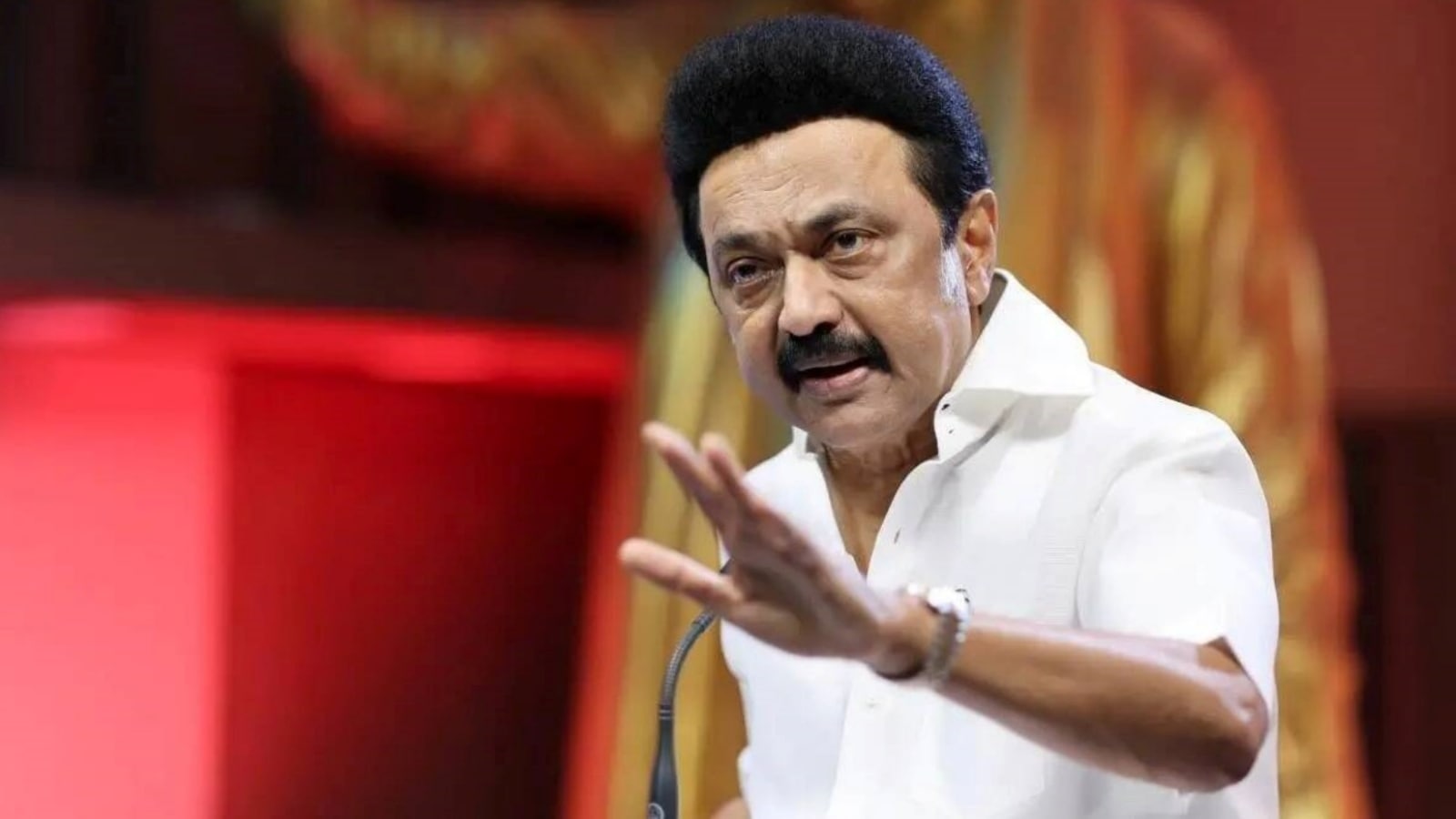
India's Delimitation Debate
India's delimitation plan stokes federal tensions as leaders warn it threatens fair representation and constitutional norms ahead of upcoming elections.

Economics
Fed's Amex AML order puts correspondent banking on notice
Federal Reserve's Amex AML order requires board-level controls and a 90-day plan; OCC fined the bank $350 million over enterprise-wide deficiencies.
Conflict & Security
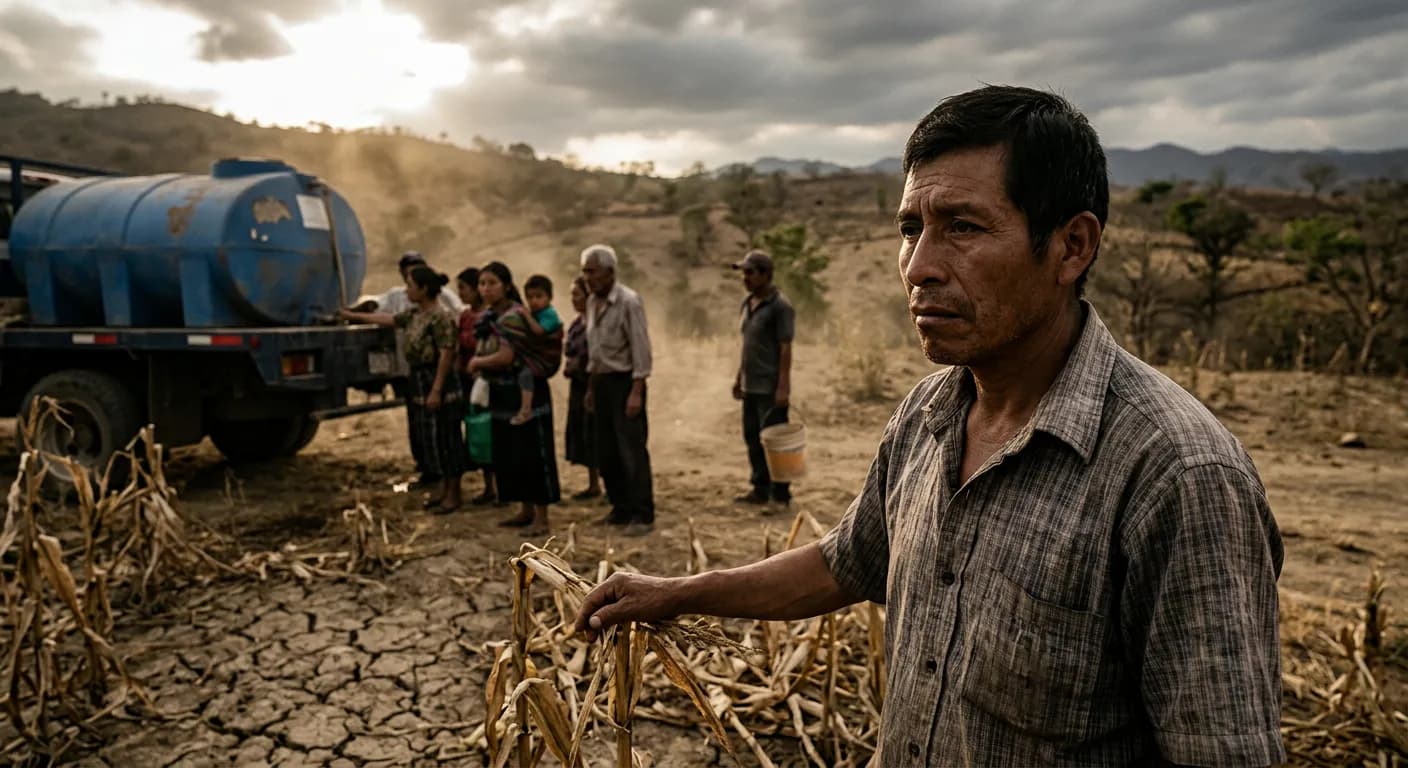
Guatemala: El Niño 2026–27 becomes regional security test
UNICEF: 25.8M children face El Niño risks in Latin America; Guatemala maps 188 municipalities for drought and food insecurity amid regional security test.

Economics
Fed's stress-test overhaul is a capital-smoothing exercise
Federal Reserve finalized stress-test overhaul: two-year averaging for bank capital buffers and public input, expected to halve volatility.