Priyanka Gandhi: Delimitation Threatens India
Gandhi warns against political manipulation in redrawing constituencies
Model Diplomat3 min readIndia
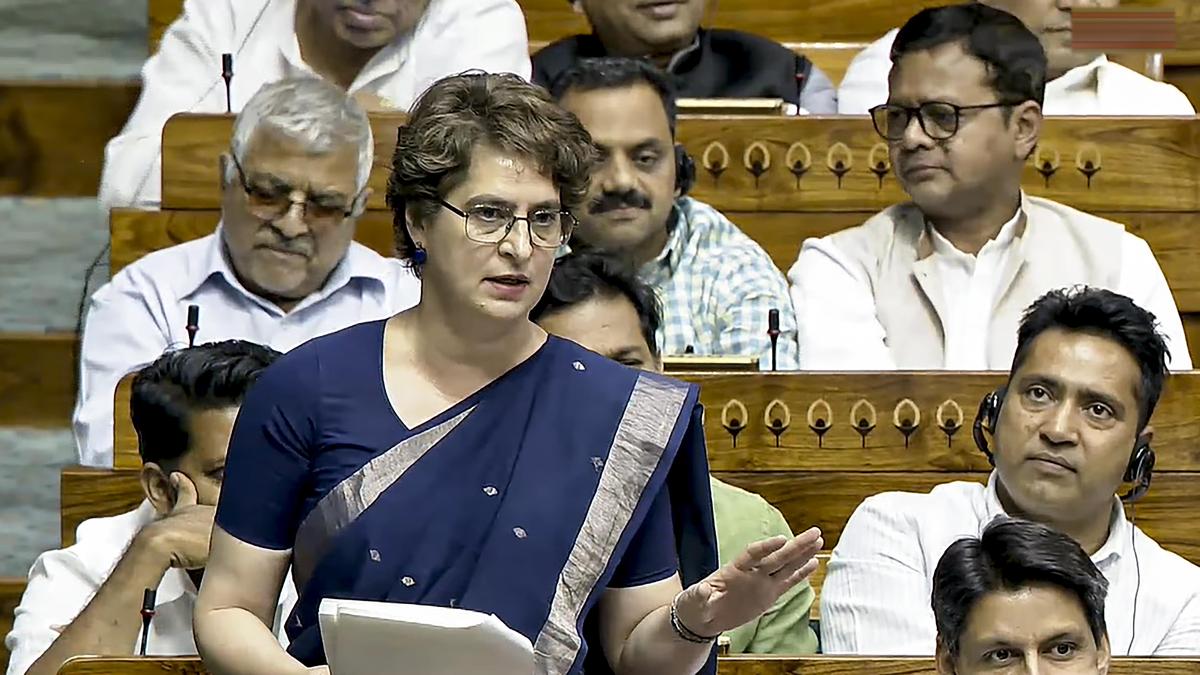
Priyanka Gandhi Warns Move Towards Delimitation Is an “Open Attack on Democracy”
As India’s government pushes a Constitution Amendment Bill to redraw constituencies and enact women’s reservation, Priyanka Gandhi Vadra brands the effort a direct challenge to democratic fairness.
On April 17, 2026, Priyanka Gandhi Vadra, a senior leader of the Indian National Congress and prominent opposition voice, sharply criticized the ruling party’s move toward delimitation and the introduction of women’s reservation in legislative bodies. She termed these developments “an open attack on democracy,” alleging the government’s intent is to redraw electoral boundaries primarily to consolidate its political dominance rather than enhance representation.
Gandhi’s statement came in response to the government’s recent push to set up a Delimitation Commission alongside advancing the Constitution Amendment Bill aimed at reserving a fixed quota of seats for women in parliament and state assemblies. While women’s reservation has long been debated as a mechanism to boost gender representation, Gandhi’s framing highlights a deeper political concern—that delimitation can be wielded as a tool of gerrymandering.
Why This Matters: The Stakes of Delimitation and Women’s Reservation
Delimitation in India involves redrawing the boundaries of electoral constituencies, ideally to balance population shifts and ensure equitable voter representation. However, delimitation exercises are inherently political, often reshaping the electoral landscape to favor certain parties, regions, or communities. Under India’s current political context—where the ruling Bharatiya Janata Party (BJP) wields wide influence—opposition parties fear a strategically engineered delimitation could marginalize them electorally.
The simultaneous push for women’s reservation adds complexity. While constitutionally progressive, this policy can also realign electoral dynamics by changing candidate selection and constituency profiles. Gandhi’s critique suggests that in tandem, these moves could disproportionately benefit the incumbent government, enabling it to entrench power even as it projects a reformist agenda.
Historically, India’s last major delimitation in 2008 shifted political fortunes by redrawing constituencies nationwide but was seen by many as politically charged. The current campaign for delimitation, combined with reservations for women, echoes those past dynamics but raises the stakes given India’s increasingly polarized politics.
What to Watch Next: Political and Institutional Reactions
The government’s response and parliamentary debate on the Constitution Amendment Bill will be key indicators of how these reforms unfold. If the ruling party pushes the legislation swiftly, it risks deepening political divides and provoking challenges on constitutional grounds.
Opposition parties beyond the Congress, including regional powers affected by constituency reshuffling, will likely intensify resistance. The role of the judiciary could also become pivotal if the new delimitation and reservation frameworks are legally contested.
For voters, the practical impact will be how constituency lines shift and which candidates emerge in this reconfigured landscape—changes that could reshape electoral outcomes in upcoming state and national elections.
Priyanka Gandhi Vadra’s stark denunciation underscores a broader democratic anxiety: reforms ostensibly aimed at inclusion can paradoxically become instruments of exclusion if political expediency supersedes fairness and transparency.
India’s evolving experiment with delimitation and women’s reservation deserves close scrutiny—not just for its immediate electoral consequences but for what it signals about the health and resilience of Indian democracy itself.
For a deeper dive on India’s political landscape and constitutional processes, see our India country profile and our analysis of
global politics.
Priyanka Gandhi Warns Move Towards Delimitation Is an Open Attack on Democracy - The Hindu
Discover more
India
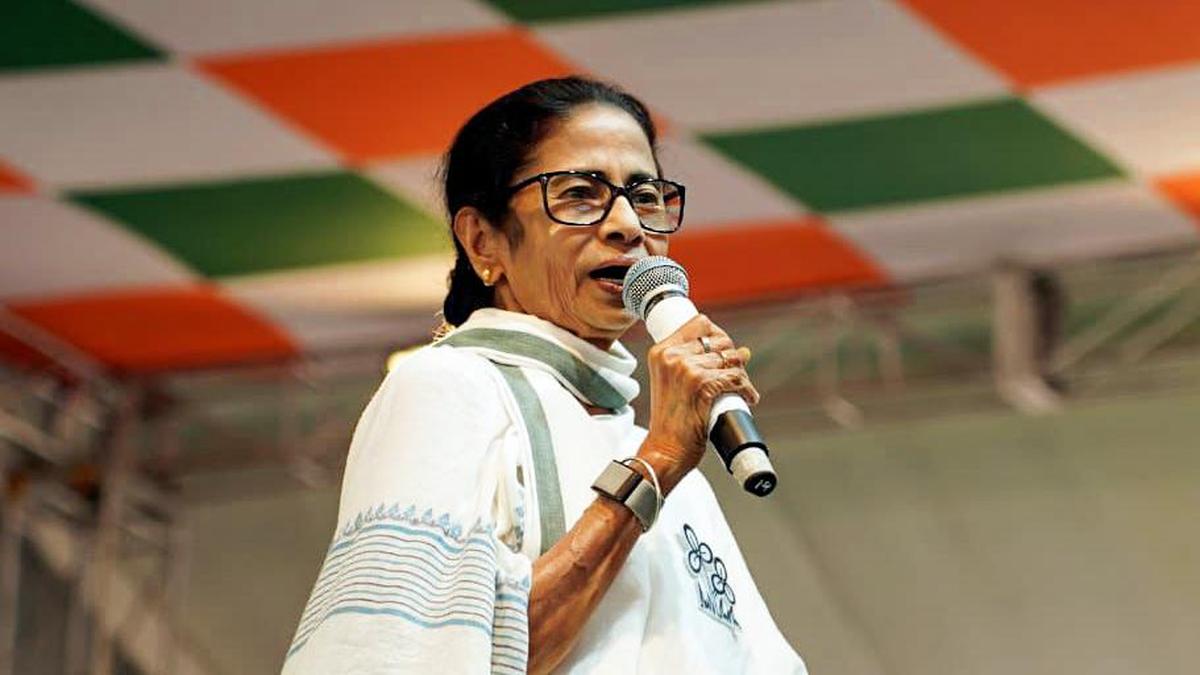
Mamata Banerjee: BJP's Delimitation Divide
Mamata Banerjee accuses the BJP of using delimitation to fragment Bengal and consolidate power, raising sharp concerns over electoral fairness in the state.
India
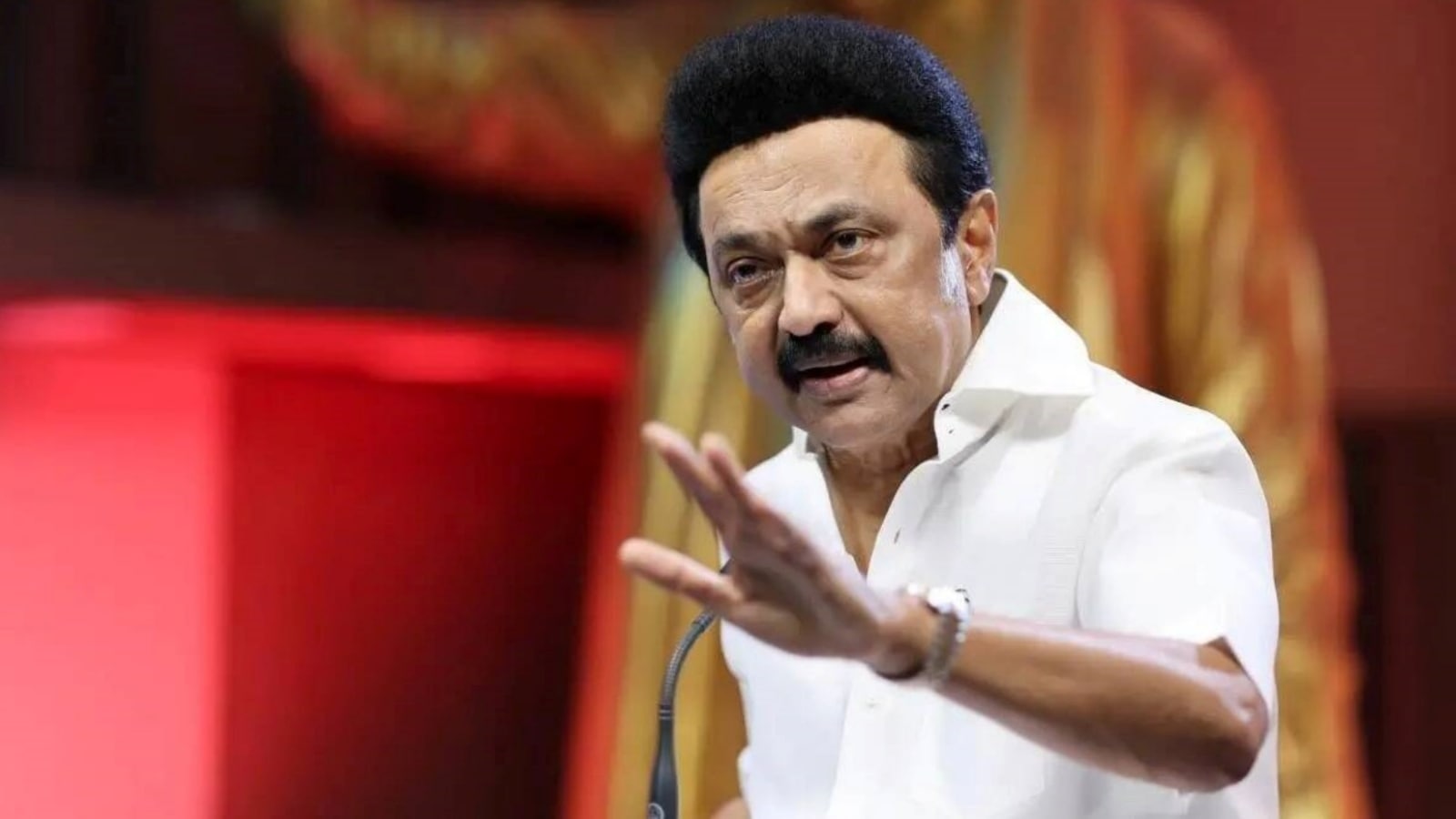
India's Delimitation Debate
India's delimitation plan stokes federal tensions as leaders warn it threatens fair representation and constitutional norms ahead of upcoming elections.

India
Modi Government's Women’s Reservation Bill
The Modi government ties women's reservation to a delimitation bill, reshaping India's electoral landscape in a move critics call empowerment as strategy.

Economics
Fed's Amex AML order puts correspondent banking on notice
Federal Reserve's Amex AML order requires board-level controls and a 90-day plan; OCC fined the bank $350 million over enterprise-wide deficiencies.