India's Women’s Reservation Debate
K.C. Venugopal urges government to prioritize women's reservation
Model Diplomat2 min readIndia
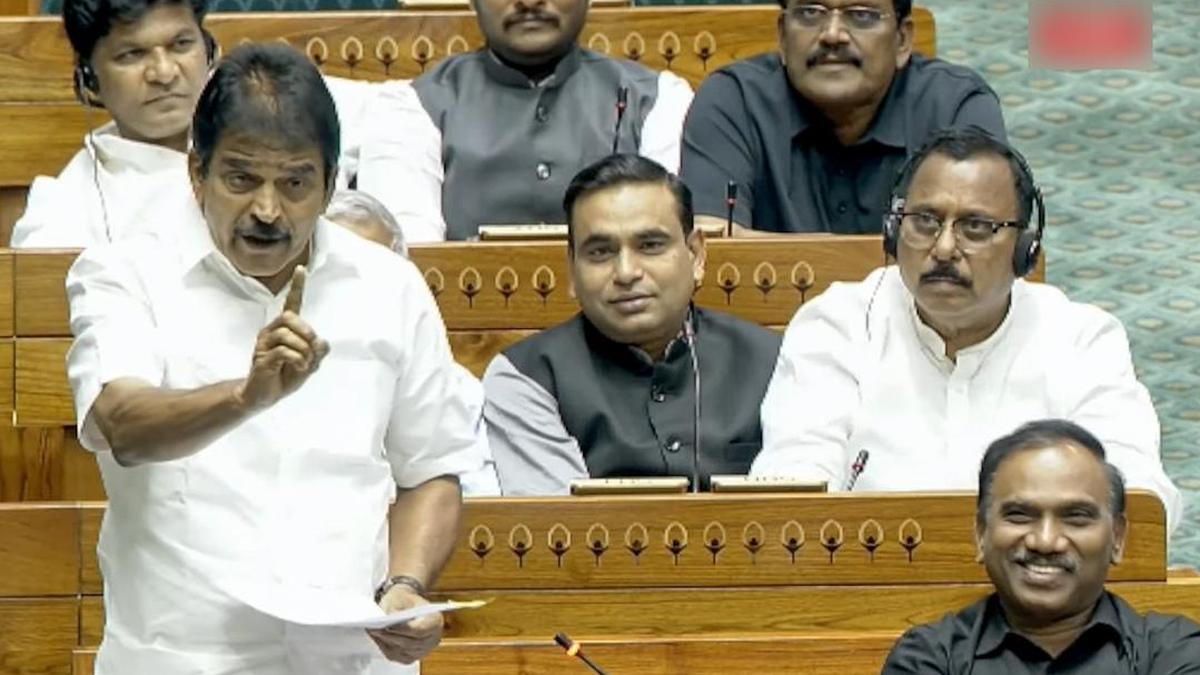
Call for All-Party Consensus on Women’s Reservation in India
Congress MP K. C. Venugopal has called on the government to withdraw the controversial delimitation-linked bill and convene an all-party meeting to build consensus on women's reservation.
Congress leader K. C. Venugopal’s appeal on April 17, 2026, comes amid renewed debates over the Constitution (One Hundred and Thirty-First Amendment) Bill, 2026. Venugopal wants the government to retract the current bill and instead prioritize an inclusive dialogue to chart a clear path for women’s reservation in legislative bodies. His concern? The government’s push to advance delimitation—the redrawing of electoral boundaries—appears linked to sidelining the women’s reservation question without broad consensus.
Why This Matters: Women’s Reservation Remains a Political Hot Potato
Women’s reservation in Indian legislatures has been a long-standing demand, first seriously raised in the 1990s. The proposed 33% quota for women in Parliament and state assemblies has repeatedly faced political hurdles. The 131st Amendment Bill, introduced earlier this year, aimed to facilitate delimitation but did not explicitly address the women’s quota implementation, sparking fears that the government might bypass or dilute the reservation agenda amid electoral boundary reshuffling.
Venugopal’s call taps into a broader distrust among opposition parties about the government’s intentions. By pushing delimitation first, critics argue, the ruling party could reshape constituencies in a way that diminishes reserved seats or dilutes women’s political representation. An all-party meeting is thus an attempt to ensure transparency and to forge a cross-party mandate on this sensitive issue, which affects both gender politics and electoral strategy.
Historically, attempts to pass the Women’s Reservation Bill have stalled due to opposition from regional parties worried about shifts in caste and community balance. The current standoff reflects similar dynamics but with a new twist—concerns over delimitation timing and the government’s legislative tactics.
What to Watch Next
The government’s response will indicate its willingness to engage on women’s reservation versus prioritizing its delimitation agenda. A refusal might deepen opposition unity and intensify calls for greater gender inclusion through legal reform.
The wider implication extends beyond women’s representation: delimitation itself can reshape political power, influencing everything from caste alignments to party strongholds. Delimitation scheduled for 2026, if executed without consensus, risks sparking electoral volatility.
Venugopal’s proposal for an all-party dialogue could be a pivotal moment for Indian democracy—either as a genuine step to build gender-inclusive politics or as a political maneuver point in broader parliamentary battles.
For those tracking Indian politics, this episode closely intertwines constitutional reform, gender equity, and electoral engineering in ways that will shape the country’s political landscape for years. Keep an eye on parliamentary debates and state reactions over the next quarter.
Learn more about India’s political system and legislative reforms and the broader
concerns in global gender politics.
Call all-party meeting to evolve consensus on women’s reservation: K.C. Venugopal
Discover more
India
India's Delimitation Debate
India's delimitation plan stokes federal tensions as leaders warn it threatens fair representation and constitutional norms ahead of upcoming elections.

India
Modi Government's Women’s Reservation Bill
The Modi government ties women's reservation to a delimitation bill, reshaping India's electoral landscape in a move critics call empowerment as strategy.

India
India's Women Reservation Bill Gains Momentum
India's Parliament debates a Women's Reservation Bill that spotlights political tensions and the push for gender equality in governance and legislative seats.

Economics
Fed's Amex AML order puts correspondent banking on notice
Federal Reserve's Amex AML order requires board-level controls and a 90-day plan; OCC fined the bank $350 million over enterprise-wide deficiencies.