India's Women Reservation Bill Gains Momentum
A critical push for gender equality in Indian politics
Model Diplomat3 min readIndia

Parliament Pushes Women Reservation Bill Amid Rising Political Tensions
India’s Parliament spotlights a new push for women’s reservation in the Lok Sabha, revealing faultlines in Modi-era governance and legislative priorities.
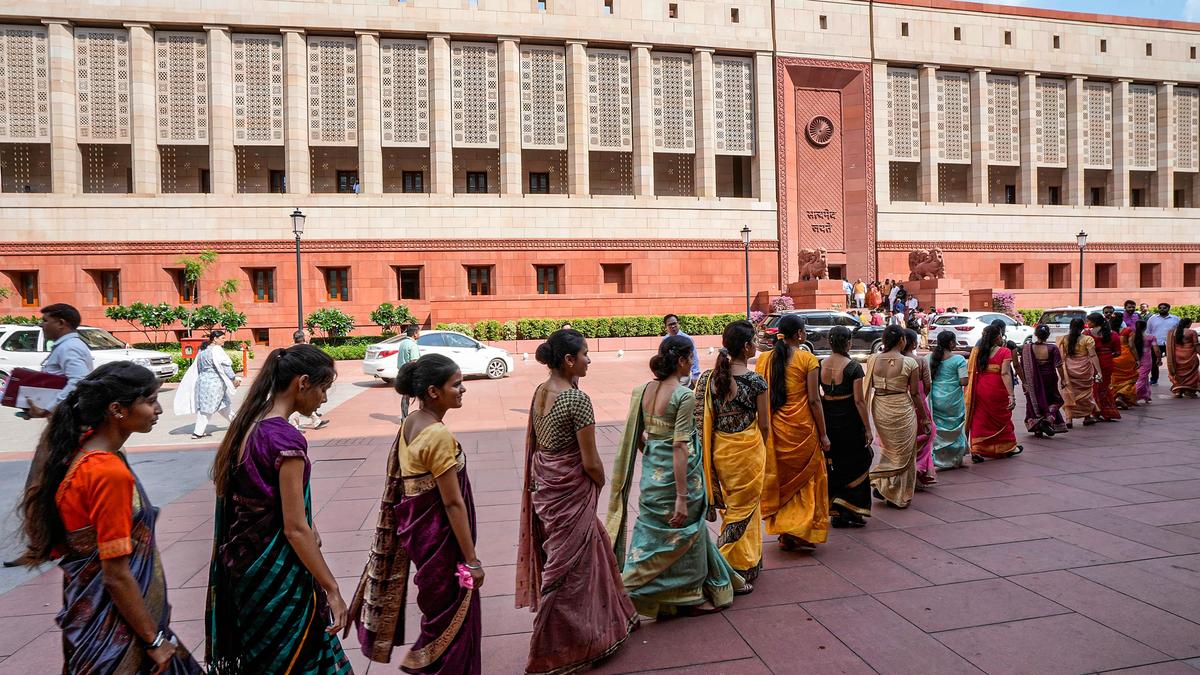
India’s Parliament has convened special sittings recently, drawing attention to the long-delayed issue of reserving seats for women in the Lok Sabha, the lower house of Parliament. This comes as part of a broader wave of legislative activism under Narendra Modi's government, which has prioritized policy reforms and assertive parliamentary proceedings since 2014. The push for women’s reservation has resurfaced amid sharp political debates and growing public demands for gender equality in political representation.
Why Women’s Reservation Matters Now
The idea of reserving one-third of Lok Sabha seats for women has been discussed for decades but has largely languished in political limbo. Modi’s government, which has aggressively pursued reform agendas like the Goods and Services Tax and agricultural laws, now faces pressure to deliver on gender representation. Parliament’s recent special sittings dedicated to this topic suggest mounting recognition of gender parity's symbolic and substantive importance.
Women currently hold about 14% of Lok Sabha seats, a figure unchanged for years despite India’s legal frameworks promoting gender inclusion in rural local bodies (panchayats). The reservation could dramatically increase female representation and potentially alter legislative priorities by bringing women’s issues to the forefront. It also signals to domestic and international observers that India is addressing democratic inclusivity more seriously.
However, the bill faces resistance from several quarters within the ruling BJP and opposition parties. Critics argue reservation might undermine meritocracy or disrupt traditional political structures. The debates are intensifying against a backdrop of Modi’s increasingly nationalist rhetoric, which some analysts say complicates consensus-building on social reforms like gender quotas.
The Modi Government’s Legislative Playbook
Since coming to power in 2014, Modi’s administration has sought to reshape Parliament’s role from a rubber stamp to a more vigorous policy arena. The focus on parliamentary proceedings themselves — such as scheduling special sessions and prioritizing key bills — reflects this shift. But the women’s reservation debate exposes the limits of executive-driven reform when it requires deep political agreement.
This episode also underlines Modi’s balancing act: pushing progressive social measures while managing core voter bases that may be indifferent or hostile to such changes. The government’s willingness to bring this issue to the parliamentary floor, despite the controversy, hints at electoral calculations ahead of 2029 general elections, where women voters constitute a critical block.
What to Watch Next
Two questions are central in the coming weeks:
-
Will Modi's government secure enough support to pass the Women’s Reservation Bill? Opposition unity or division on this issue could tip the scales. If passed, it would mark a landmark change in Indian democracy.
-
How will this debate influence broader parliamentary dynamics? Special sittings and focused debates might become the new norm, emphasizing parliamentary assertiveness over executive dominance, which could shape future policymaking.
For now, India stands at a crossroads between tradition and transformation in its parliamentary democracy. The women’s reservation debate offers a vivid lens on how political will and social change collide in one of the world’s largest democracies.
Explore more about India’s Parliament and the evolving political landscape in our
Global Politics section.
Source: Hindustan Times - Parliament
Discover more
India
Activists Push for Women's Quota in India
Activists demand immediate implementation of women's reservation in India's Parliament, criticizing government delays tied to pending delimitation plans.

Economics
Fed's Amex AML order puts correspondent banking on notice
Federal Reserve's Amex AML order requires board-level controls and a 90-day plan; OCC fined the bank $350 million over enterprise-wide deficiencies.
Conflict & Security
Guatemala: El Niño 2026–27 becomes regional security test
UNICEF: 25.8M children face El Niño risks in Latin America; Guatemala maps 188 municipalities for drought and food insecurity amid regional security test.

Economics
Fed's stress-test overhaul is a capital-smoothing exercise
Federal Reserve finalized stress-test overhaul: two-year averaging for bank capital buffers and public input, expected to halve volatility.