Activists Push for Women's Quota in India
Calls for immediate women’s reservation amid political delays
Model Diplomat3 min readIndia
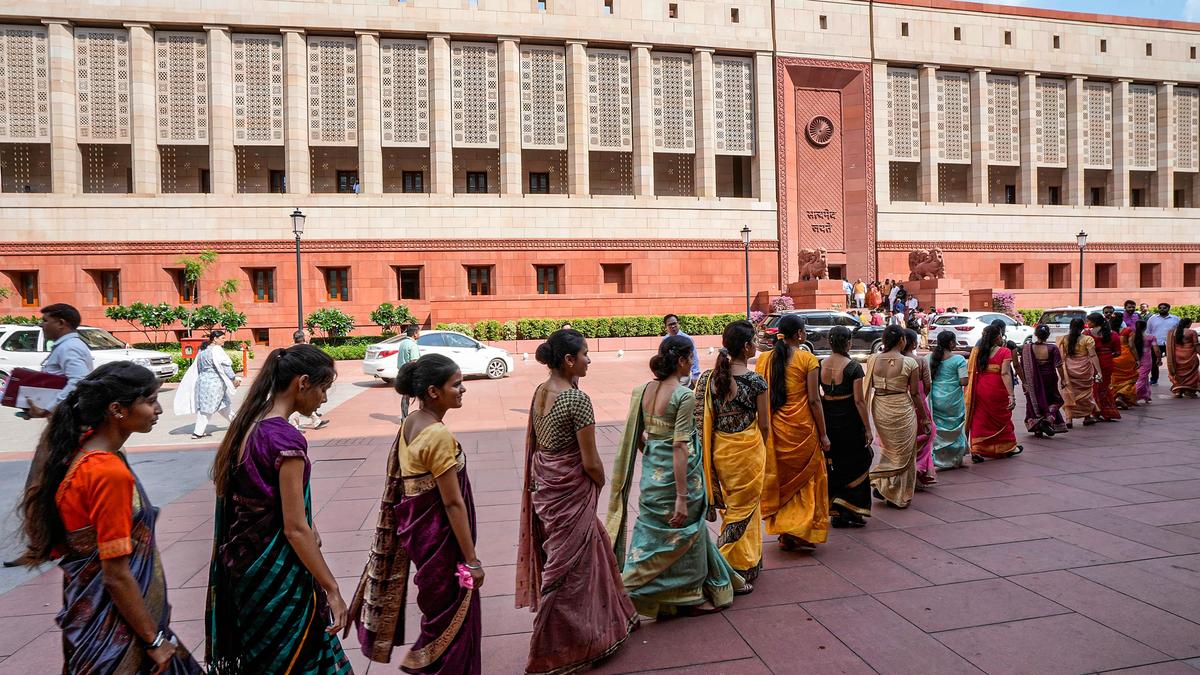
Women’s Quota Demand Forces Spotlight on India’s Parliamentary Reform Delay
Activists demand immediate insertion of women’s reservation at current parliamentary strength, criticizing government’s opaque delays tied to delimitation plans.
India’s long-pending push for a women’s reservation bill took a sharp turn this week as activists publicly pushed for immediate implementation of the quota based on the current strength of Parliament, instead of awaiting the completion of a fresh delimitation exercise. This demand shines a light on the political and procedural hurdles that have long stymied attempts to boost women’s political representation at the federal level.
Bill Stuck in Political Limbo — Women’s Representation on Hold
For decades, the Women's Reservation Bill, which proposes reserving 33% of seats in the Lok Sabha and state assemblies for women, has faced a political logjam. The bill has cleared Parliament previously but has not been enacted largely due to opposition and changing political priorities.
The latest flashpoint, covered by The Hindu on April 15, 2026, reveals activists’ frustration that the government is using the prospect of a delimitation exercise—redrawing electoral boundaries based on the 2021 Census—as an excuse to stall implementation of the bill. Activists argue the quota should apply to the existing number of parliamentary seats, rather than wait for a new, potentially complex and politically charged delimitation process, which could take years.
Delimitation historically reshapes electoral dynamics and has deep political implications, often delaying legislative reforms tied directly to seat allocations. By linking women's reservation to this, the government risks further diluting momentum and losing credibility with gender rights advocates.
Why This Matters: Representation and Political Calculus in India
India has a stark underrepresentation of women in politics. Currently, women hold about 15.6% of Lok Sabha seats as of the last election (2019), well below the proposed 33% quota. Increasing women’s representation is recognized not just as a matter of equity but as crucial for more inclusive governance that reflects India’s diversity.
Ignoring demands for prompt implementation risks alienating a growing base of young voters and activists focused on gender equality. Moreover, delaying the bill undercut’s India’s standing in global gender parity indices and may slow progress toward Sustainable Development Goals.
Politically, parties are wary because reserved seats would force them to recalibrate candidate selection and party structures. Some analysts view the government’s linkage of reservation to delimitation as a tactical move to avoid immediate conflict with influential male political leaders who might be displaced.
What to Watch Next
-
Government response: Will political leaders heed activists’ calls for transparency in consultations, or maintain the current opaque approach? A clear timeline or parliamentary debate might signal genuine intent or further procrastination.
-
Delimitation timeline: The impact of the 2021 Census-based delimitation exercise on electoral boundaries and how that affects the reservation bill’s prospects warrants close tracking. Historical parallels from the 2008 delimitation suggest a complicated process lasting years.
-
State-level dynamics: Some states have already implemented women’s quotas in local bodies with measurable success. Expansion to state assemblies ahead of national action could build momentum or deepen regional disparities.
-
Activist mobilization: Renewed public pressure could elevate this issue ahead of 2029 general elections, potentially forcing political parties to adopt concrete positions or risk voter backlash.
This episode underscores the larger tension in Indian democracy between reformist impulses and entrenched geopolitical calculations. Until this balance shifts, the promise of meaningful women’s representation remains deferred in Parliament, despite growing consensus on its necessity.
For more on India’s evolving political landscape, see India profile and
Global Politics.
Sources: The Hindu, April 15, 2026
Discover more

India
INDIA Bloc's Delimitation Strategy
The INDIA bloc is using delimitation and women's reservation to challenge the BJP's federalism narrative, setting up a high-stakes fight over representation.
India
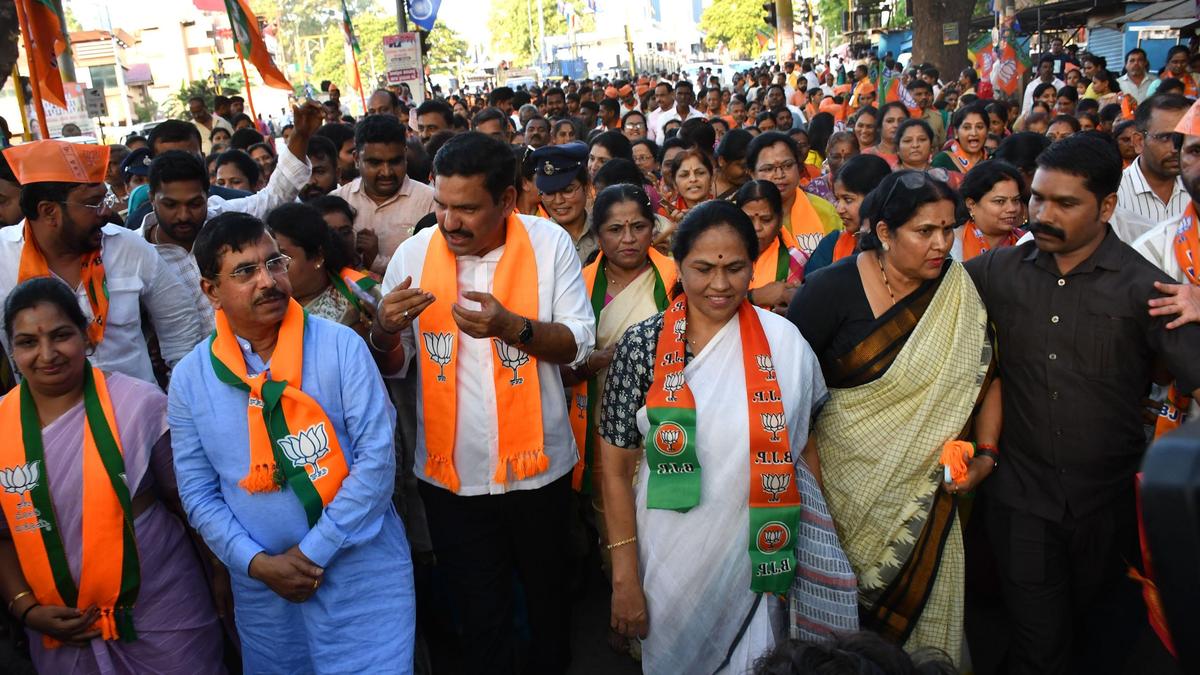
BJP Uses Hubballi Protests for Women's Quota
The BJP is using Hubballi protests to pin blame for delays on women's reservation onto Congress in Karnataka, sharpening its women's quota political offensive.
India
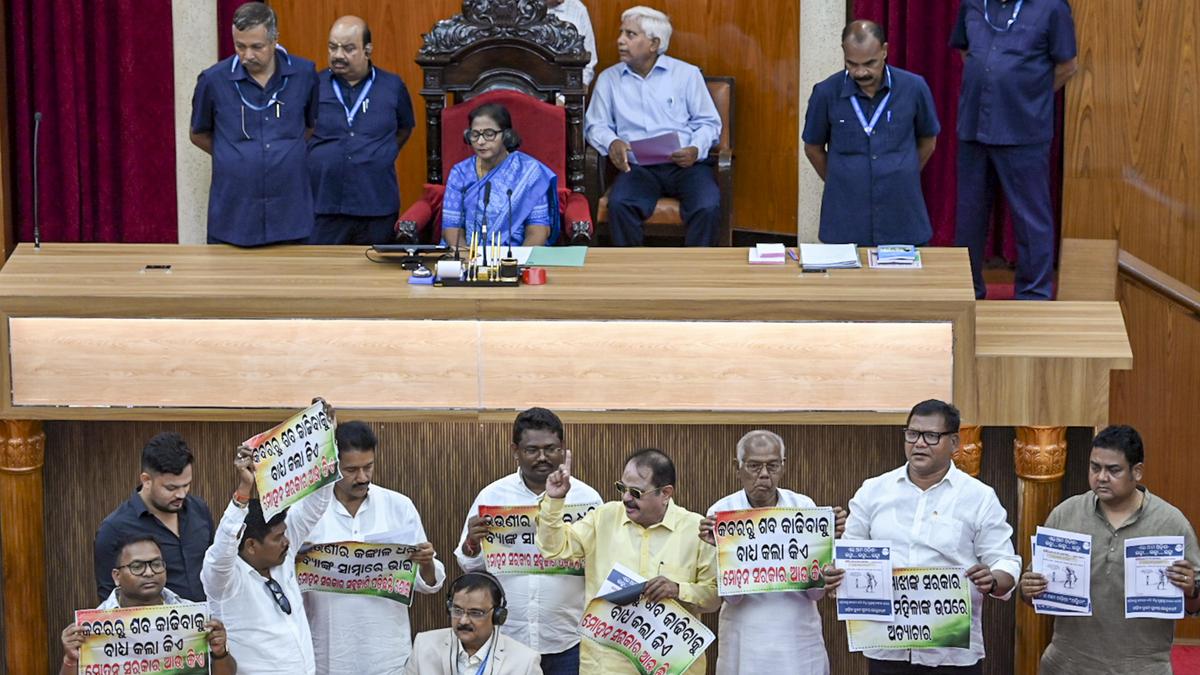
Odisha's Women's Reservation Debate
The fight over women's reservation in Odisha is shaping up as a calculated BJP and BJD strategy aimed squarely at gaining ground before the 2029 elections.
India
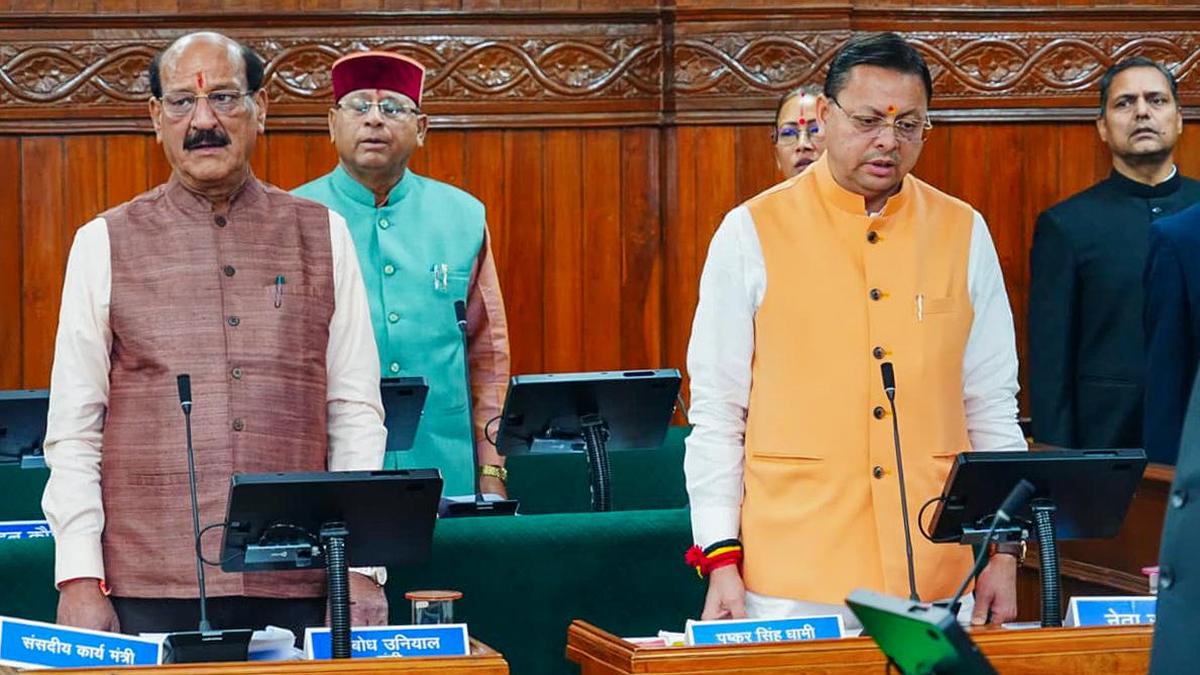
Uttarakhand's Push for Women's Reservation
Uttarakhand CM Dhami's push for women's reservation is a strategic political move that follows national defeat and aims to reclaim momentum for the BJP.