Delimitation Bill Controversy
Opposition warns of federal imbalance from new Delimitation Bill.
Model Diplomat3 min readIndia
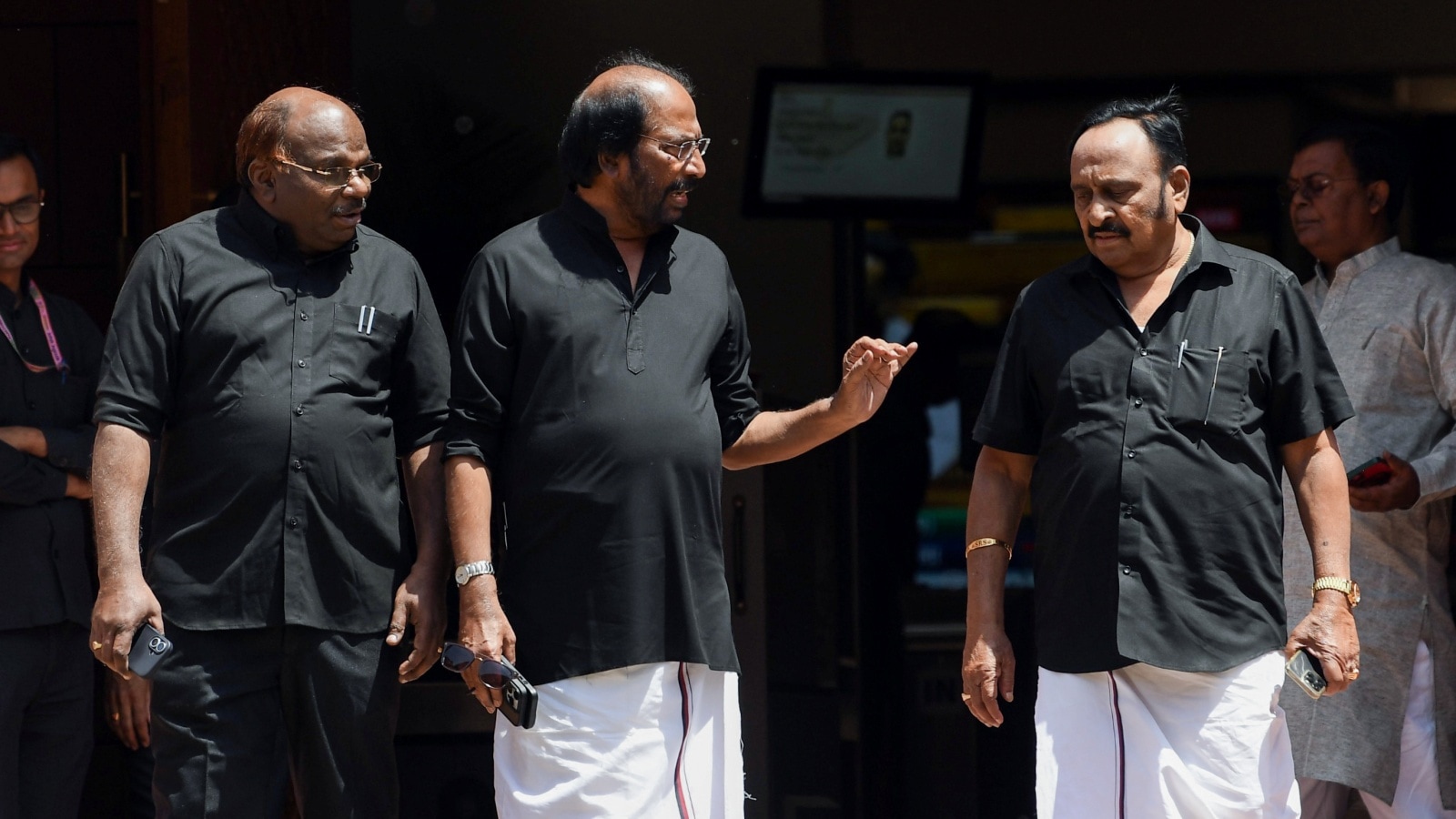
Delimitation Bill Sparks Opposition Over India’s Federal Balance
Opposition calls new Delimitation Bill a core threat to India’s federal structure amid fierce parliamentary push.
On April 16, 2026, the Indian Parliament witnessed a stormy debate as the government introduced three controversial Bills: the Delimitation Bill (2026), the Constitution (131st Amendment) Bill (2026), and the Union Territories Laws (Amendment) Bill (2026). At the heart of the controversy is the Delimitation Bill, spearheaded by Union Law Minister Arjun Ram Meghwal, which the opposition brands a "fundamental attack on the federal structure" of India. This bold charge sets the stage for a significant political and constitutional battle ahead.
What’s at Stake with the Delimitation Bill?
Delimitation, the process of redrawing the boundaries of electoral constituencies based on the latest census, is a politically sensitive tool in a democracy as vast and diverse as India. The 2026 Bill proposes to recalibrate constituencies at a time when population shifts and demographic changes have already stoked tensions among states, especially those experiencing population decline relative to others.
The opposition’s main objection is that the Bill could dilute the representation of states with slower population growth, undermining their political weight in Parliament. This tread dangerously close to upsetting the federal balance enshrined in the Constitution. For decades, Indian federalism has managed a delicate balance between populous states and smaller ones, especially in political representation, to maintain national cohesion.
The Constitution’s 131st Amendment Bill, passed alongside, extends reservation for women in local bodies but has been met with mixed reactions in terms of its timing and implementation efficacy. Meanwhile, the Union Territories Laws (Amendment) Bill appears technical but adds to the sense of sweeping central reforms, increasing unease among some regional parties.
Why the Opposition Sees This as a Federal Flashpoint
The opposition coalition, spanning regional and national parties, frames the delimitation move as a centralized effort to marginalize states that have invested in population control or have smaller electorates due to demographic trends. This is not merely political posturing; it resonates with longstanding fears in states like Kerala, Tamil Nadu, and the Northeast, which worry about losing clout in the Lok Sabha (the lower house of Parliament).
Historically, delimitation exercises in India have been fraught with controversy. The last major delimitation followed the 2001 census and was frozen until 2026 to allow southern states to benefit from their population control efforts. The current Bill’s unfreezing of this freeze is seen by critics as opening Pandora’s box — while states with high population growth (often in the Hindi heartland) gain more seats, others risk shrinking political representation. This recalibration could reshape national electoral politics, possibly skewing policy focus and central resource allocation.
The opposition’s accusation that the Bill undermines federalism strikes at the core of India’s unity, where the balance of power between the Union and states undergirds polity stability. This Bill tests India’s federal contract in real-time.
What to Watch Next
Parliamentary debate and public mobilization will intensify in the coming weeks. Watch for the following:
- State Reactions: States feeling politically marginalized may seek judicial review or push for political negotiations to safeguard their representation.
- Legal Challenges: The Supreme Court could be asked to interpret the Bill’s compatibility with constitutional federalism principles.
- Political Realignments: Opposition parties may use this issue to consolidate regional alliances ahead of upcoming national elections.
- Impact on Women’s Reservation: The success or stall of the 131st Amendment will indicate how gender reform agendas fare amid broader federal disputes.
This controversy is more than a legislative tussle; it is a test of India’s federal promise in an era of shifting demographics and political calculations. For those tracking India’s evolving federal dynamics, the Delimitation Bill battle is a crucial chapter.
Read more on the intricacies of India's federalism and parliamentary politics in our Global Politics overview.
Delimitation Bill fundamental attack on federal structure: Opposition
Discover more
India
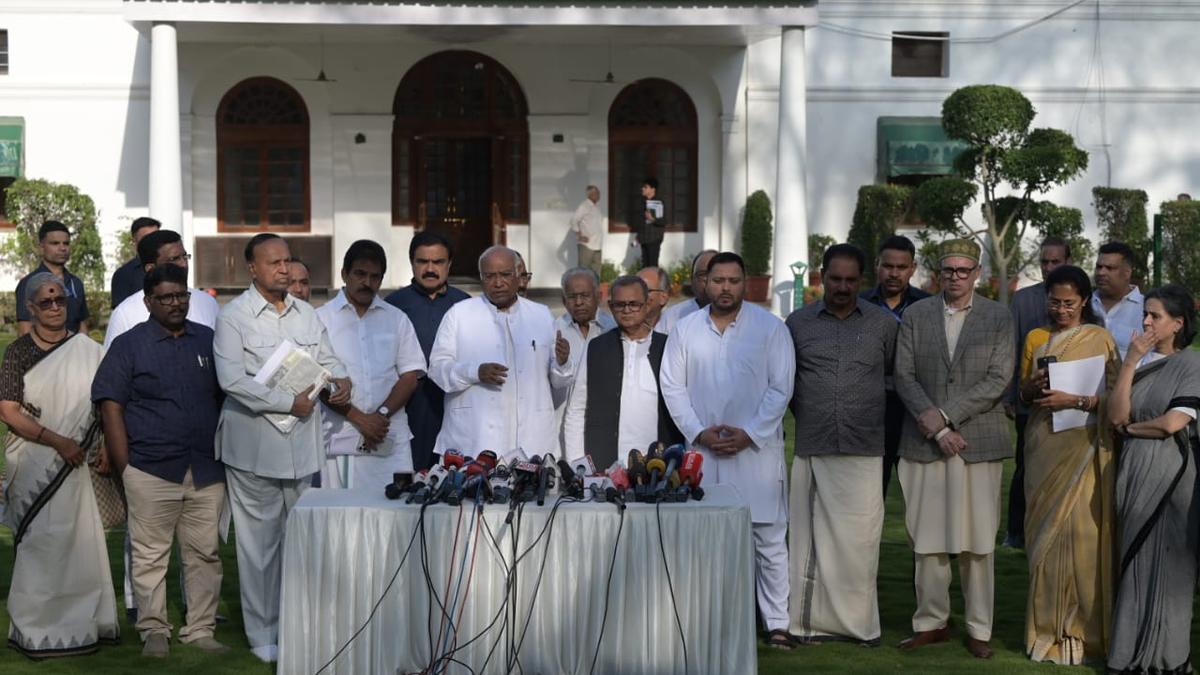
India Opposition Coalition Battles Delimiting
India's Congress-led opposition unites against the Delimitation Bill, warning of threats to electoral fairness and regional representation ahead of elections.

India
India's Women's Reservation Bill Sparks Cont争
India's Parliament passed the women's reservation and delimitation bills, igniting BJP-opposition tensions and reshaping electoral dynamics ahead of 2029 polls.

India
India's Parliament Debates Women's Quota Bill
India's Parliament debated landmark women's reservation and delimitation bills set to reshape representation, seat allocation, and the wider political balance.

Economics
Fed's Amex AML order puts correspondent banking on notice
Federal Reserve's Amex AML order requires board-level controls and a 90-day plan; OCC fined the bank $350 million over enterprise-wide deficiencies.