India Opposition Coalition Battles Delimiting
Congress-led alliance challenges electoral boundary changes in India.
Model Diplomat3 min readIndia
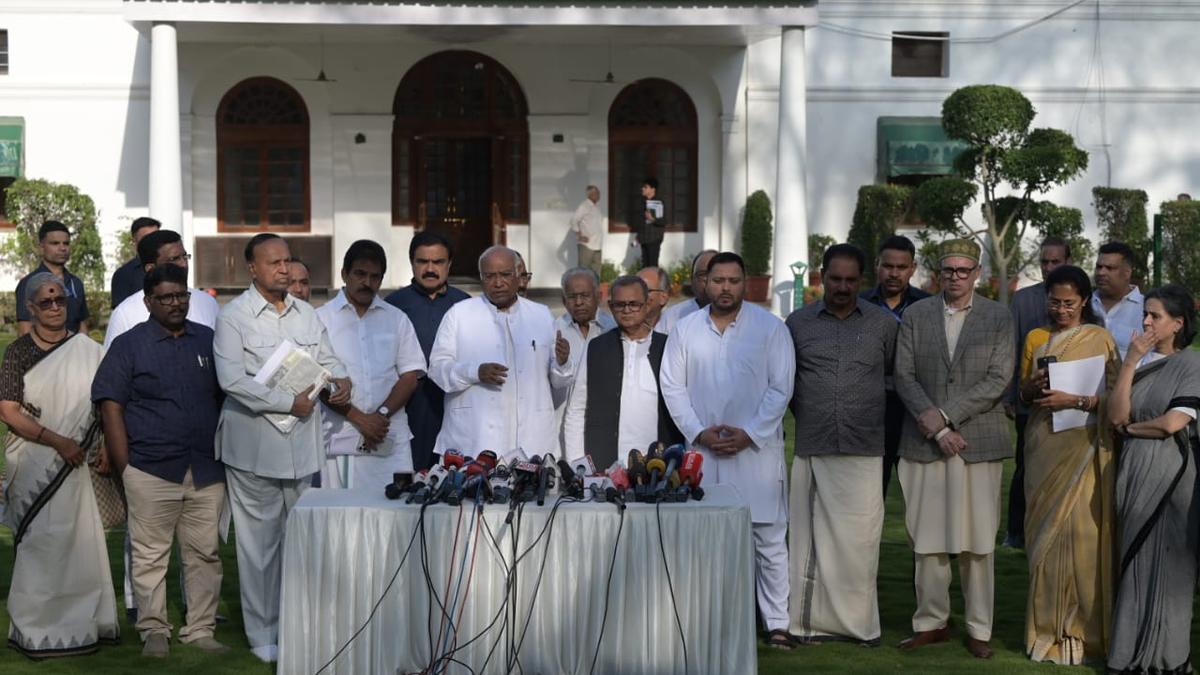
India’s Opposition Unites Against Delimitation Bill: What’s at Stake
Congress-led opposition coalition in India pushes back on contentious Delimitation Bill, signaling deep political fault lines ahead of elections.
On April 15, 2026, the opposition bloc in India, spearheaded by Congress president Mallikarjun Kharge, announced a unified stance against the Delimitation Bill after a strategic meeting in New Delhi. This move crystallizes resistance to a bill that’s stirring political debate across the country, reflecting profound concerns about electoral fairness and regional representation.
Why the Delimitation Bill Sparks Opposition
Delimitation—the redrawing of electoral boundaries to reflect population shifts—is a periodic exercise in Indian democracy. However, this current bill is different: critics argue it could significantly alter political power balances, especially in several sensitive states. Opposition parties believe the ruling coalition is leveraging delimitation to favor certain regions and marginalize others, particularly in states with complex ethnic and political fault lines.
Congress’s role in uniting various regional parties against the bill underscores its broader strategy to regain ground lost in recent electoral cycles. Mallikarjun Kharge’s leadership here is a reminder that opposition cohesion around an issue perceived as fundamental to democratic representation can present a serious challenge to Narendra Modi’s government, which has championed the bill as a tool for fairer representation based on updated census data.
The stakes couldn’t be higher. Delimitation affects the number and composition of constituencies in the Lok Sabha and state assemblies—directly shaping who has the most political influence. In states like Jammu & Kashmir, Assam, and certain northeastern regions, delimitation outcomes can shift the delicate communal and ethnic equations, with potential repercussions ranging from legislative dominance to local unrest.
Educational Results Amid Political Crossfire
Also on April 15, the Central Board of Secondary Education (CBSE) released Class 10 board exam results, noting a new two-edition exam format with mandatory participation spanning different cycles. While this might seem unrelated, education reforms and outcomes often become a political talking point, with parties using performance data to critique the government’s governance and priorities.
This year’s exam results come amidst ongoing debates about educational equity and systemic reforms in India—issues that intersect with broader governance narratives opponents are likely to highlight in their campaign moves, especially as the political calendar heats up.
What to Watch Next
The opposition’s united front is a significant development but far from decisive. The Delimitation Bill’s passage will depend on navigating parliamentary procedures and the governor’s assent in affected states, which could trigger legal challenges. How regional parties react at the local level—particularly in the northeast and Kashmir—may also set off protests or demands for reconsideration.
Politically, expect Congress and its allies to frame this battle as a stand for democratic fairness, rallying public sentiment on electoral rights. For Modi’s government, success in passing and implementing the bill would be a major legislative victory, asserting its control over the electoral landscape ahead of the 2029 general elections.
Meanwhile, keep an eye on how the opposition leverages education outcomes and local grievances alongside this delimitation fight to present a broader platform challenging the ruling coalition’s governance.
This episode illustrates how institutional changes like delimitation aren’t just bureaucratic technicalities—they’re high-stakes battles that shape India’s democracy for the next decade.
For deeper context on India’s political dynamics and electoral processes, see India, Politics and the broader
Global Politics landscape.
Source: The Hindu, April 15, 2026
Discover more
India
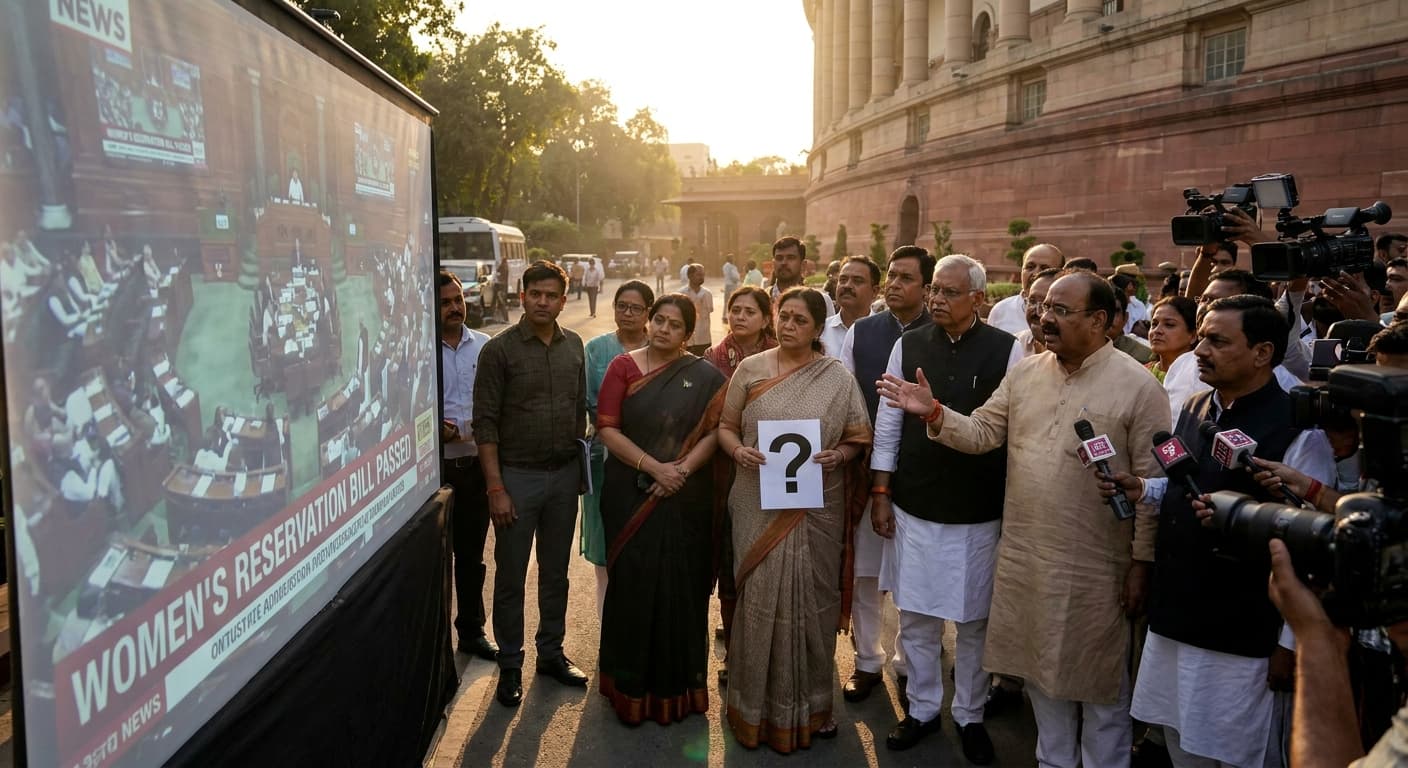
India's Women's Reservation Bill
India's Parliament passed the women's reservation and delimitation bills, fueling opposition fears of political manipulation ahead of the next elections.

India
India's Women's Reservation Bill Sparks Cont争
India's Parliament passed the women's reservation and delimitation bills, igniting BJP-opposition tensions and reshaping electoral dynamics ahead of 2029 polls.

India
India's Parliament Debates Women's Quota Bill
India's Parliament debated landmark women's reservation and delimitation bills set to reshape representation, seat allocation, and the wider political balance.

Economics
Fed's Amex AML order puts correspondent banking on notice
Federal Reserve's Amex AML order requires board-level controls and a 90-day plan; OCC fined the bank $350 million over enterprise-wide deficiencies.