India's Parliament Debates Women's Quota Bill
Key reforms aim to enhance women's representation and electoral fairness
Model Diplomat3 min readIndia
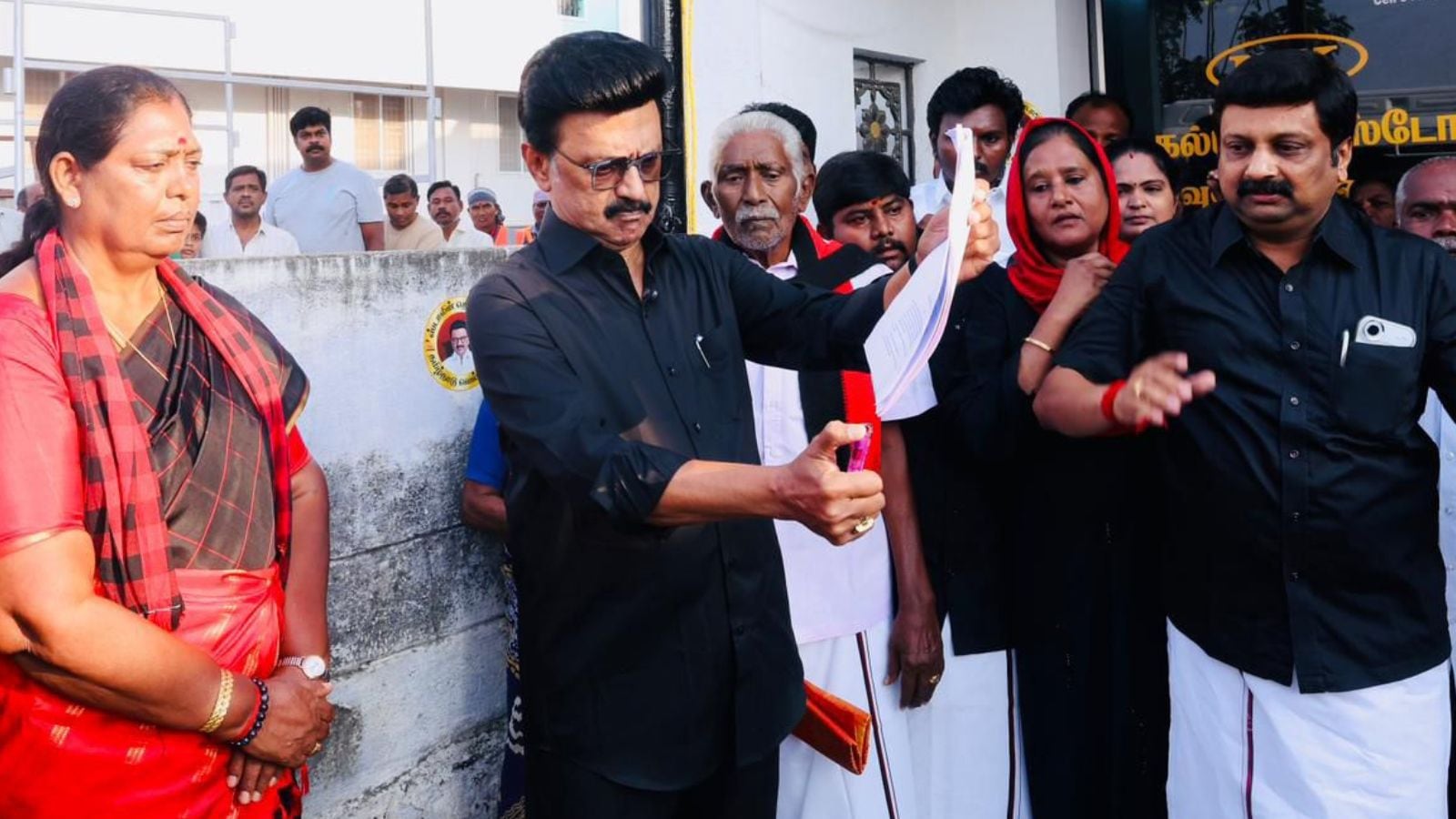
India’s Parliament Takes Up Women’s Reservation and Delimitation Bills
India’s Parliament kicks off a special session debating the 33% women’s reservation in legislatures alongside a major delimitation bill poised to reshape electoral boundaries and representation.
India’s Parliament began a special sitting on April 17, 2026, focusing on three pivotal bills: the Constitution (One Hundred and Thirty-First Amendment) Bill, 2026, which proposes a 33% reservation for women in legislatures; the Delimitation Bill, 2026, aiming to redraw the boundaries and seats in Lok Sabha and state assemblies; and the Union Territories Laws (Amendment) Bill, 2026. This session marks a decisive moment in parliamentary reform, linking gender representation with electoral constituency restructuring.
Why the Bills Matter: Intersection of Women's Reservation and Delimitation
The women’s reservation bill seeks to institutionalize a one-third quota for women in both Parliament and state legislatures, a longstanding demand from gender rights groups. This is the 131st amendment to the Constitution, building on an earlier bill introduced but stalled in earlier years. Given women’s current representation hovers around 14% in Parliament, this legislation could dramatically alter political dynamics, improving gender parity in policymaking.
Critical, however, is how this interacts with the Delimitation Bill. Delimitation adjusts constituency boundaries and seat allocations based on population data. The 2026 bill would scrap a prior safeguard that froze parliamentary seat distribution using 1971 census data, which protected states with stable populations from losing representation.
Instead, the new bill proposes expanding Lok Sabha seats from 550 to potentially 850, redistributing these to states based on up-to-date demographic realities. States like Tamil Nadu and Karnataka could gain roughly 50% more seats, allowing more proportional representation but also shifting political power balances.
The linkage is not coincidental. Implementing women’s reservation in a context where constituencies and seat counts will change means the gender quota can be integrated freshly into a more demographically accurate electoral map. This avoids the outdated constraints which hindered earlier attempts at women's quotas.
Federalism and Political Stakes
Delimitation always sparks federal debates. States losing or gaining seats impacts local power brokers and party dynamics, making it a politically sensitive exercise. Southern states like Tamil Nadu, Karnataka, and Andhra Pradesh stand to gain seats, while some northern states with slower population growth may see their share trimmed.
The removal of the "stable population safeguard" is a key flashpoint. It marks a shift in India's approach to federal representation—from preserving historical seat shares to prioritizing current population balances. This move has drawn criticism and calls for safeguards to prevent political marginalization.
Linking women’s reservation with delimitation also brings strategic questions: Will parties endorse women's quotas when redistricting could disadvantage incumbents? Could delimitation be used as a political tool to engineer favorable outcomes under the guise of demographic fairness?
What to Watch Next
-
Parliamentary Debate and Passage: The immediate focus is whether the women's reservation bill gains enough support to pass alongside or aligned with delimitation reforms. The political will to implement these simultaneously will be a test of coalition politics and gender commitments.
-
State Reactions: Key states likely to gain or lose seats will lobby fiercely during parliamentary debates and implementation phases. Regional parties may influence the shape of both delimitation and women's reservation application in their territories.
-
Implementation Details: How exactly women’s reservation will be implemented—via reserved seats for women candidates or party lists—will be closely watched. Similarly, the timeline and technical criteria of delimitation, especially relating to census data, will impact subsequent elections.
This package of bills marks a sizable recalibration of India's representative democracy—rebalancing population-based representation while attempting to make its institutions more inclusive for women. For those tracking India’s democracy and federalism, this session will set vital precedents.
For fuller background, see India profile and the broader themes of
Global Politics.
Sources
Discover more

India
India's Women's Reservation Bill Sparks Cont争
India's Parliament passed the women's reservation and delimitation bills, igniting BJP-opposition tensions and reshaping electoral dynamics ahead of 2029 polls.
India
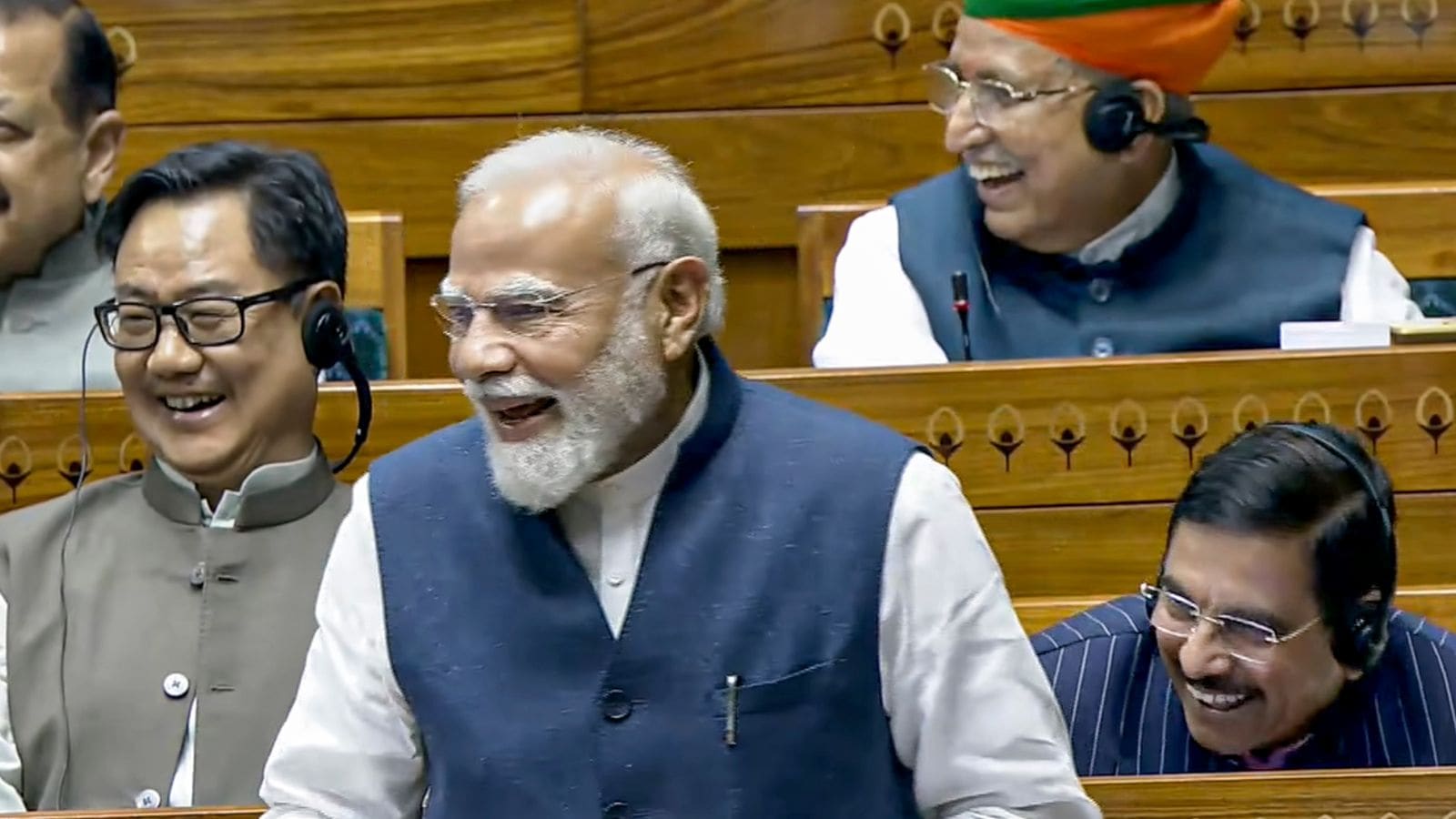
Modi's Women’s Quota and Delimitation Bills
Modi urges Parliament to pass the women's reservation and delimitation Bills, warning the opposition of political fallout in a pivotal moment for gender parity.
India
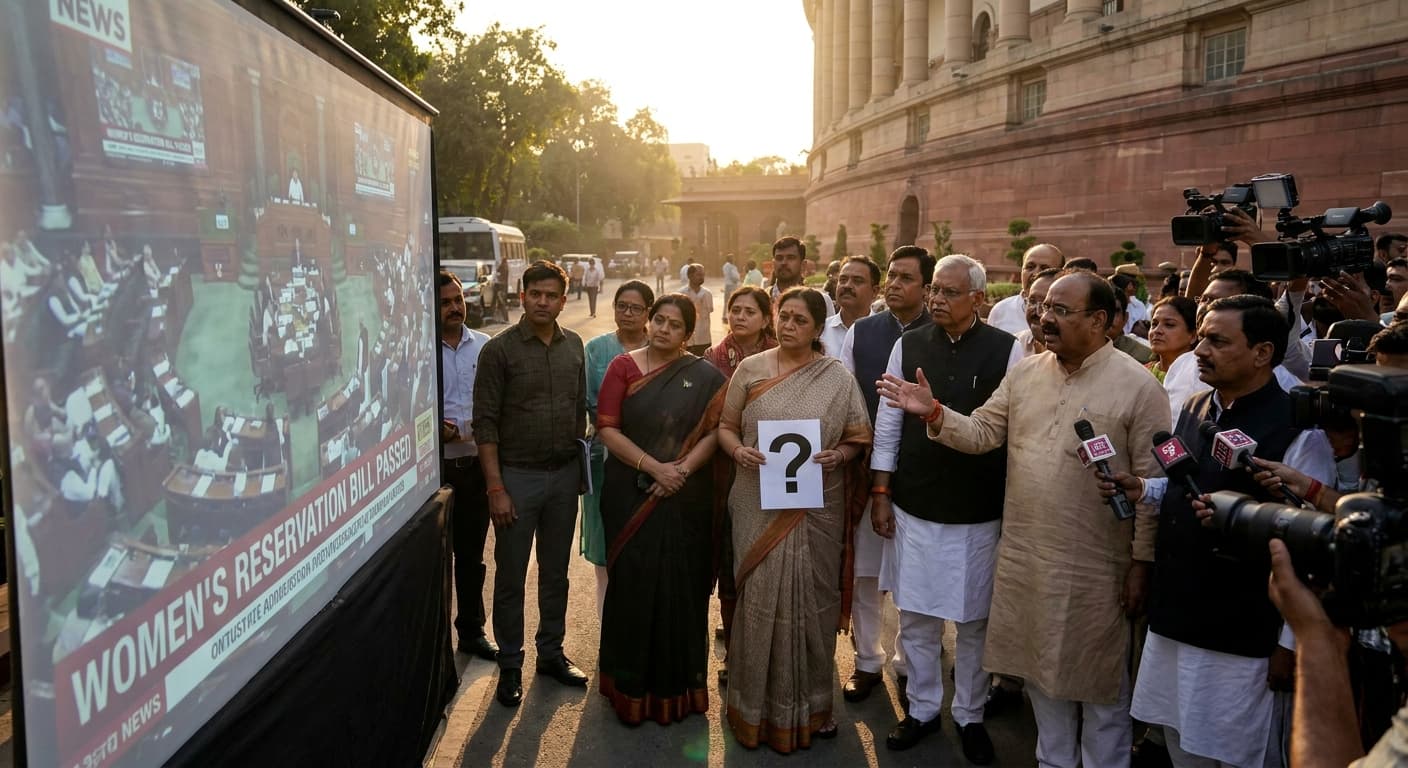
India's Women's Reservation Bill
India's Parliament passed the women's reservation and delimitation bills, fueling opposition fears of political manipulation ahead of the next elections.

Economics
Fed's Amex AML order puts correspondent banking on notice
Federal Reserve's Amex AML order requires board-level controls and a 90-day plan; OCC fined the bank $350 million over enterprise-wide deficiencies.