India's Women's Reservation Bill Sparks Cont争
Parliament passes key reforms, revealing political tensions
Model Diplomat2 min readIndia

Parliament’s Women’s Reservation and Delimitation Bills Stir Political Faultlines in India
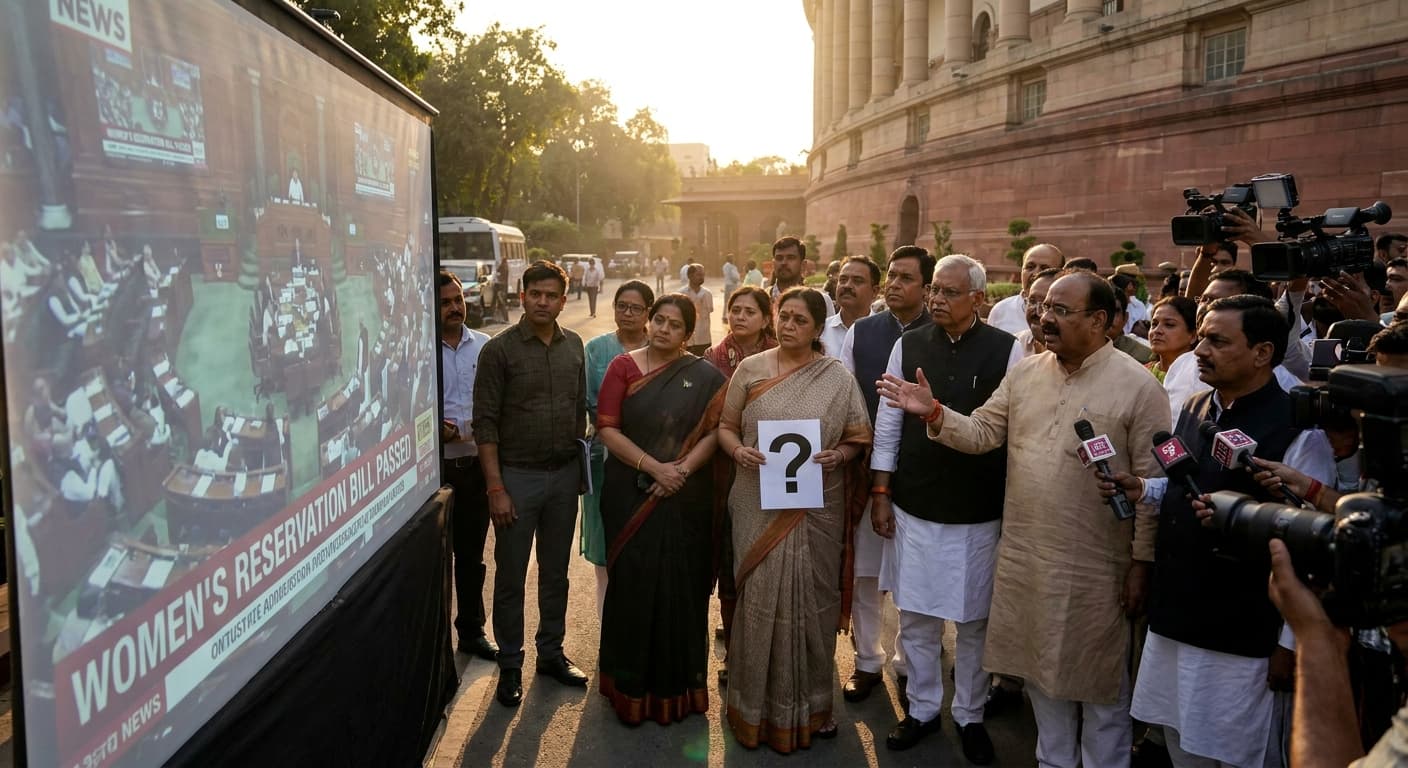
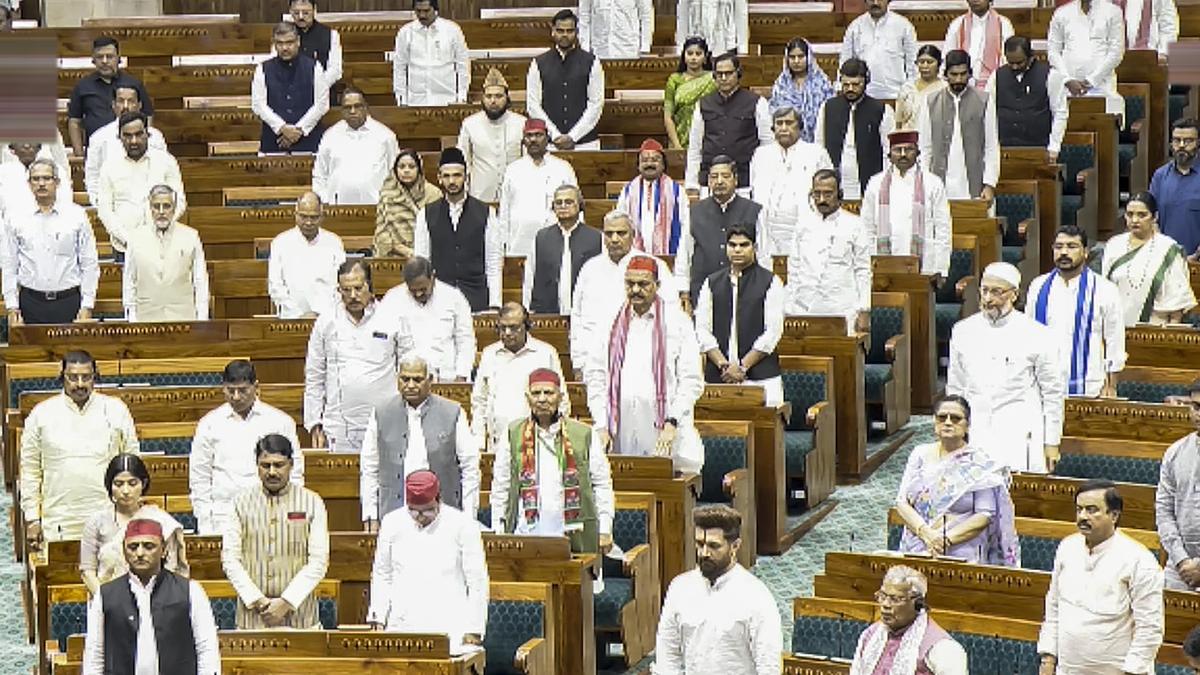
India’s Parliament passed key reforms on April 17, 2026, including a women’s reservation bill and a sweeping delimitation exercise that could reshape electoral politics—yet the session exposed deep partisan fractures.
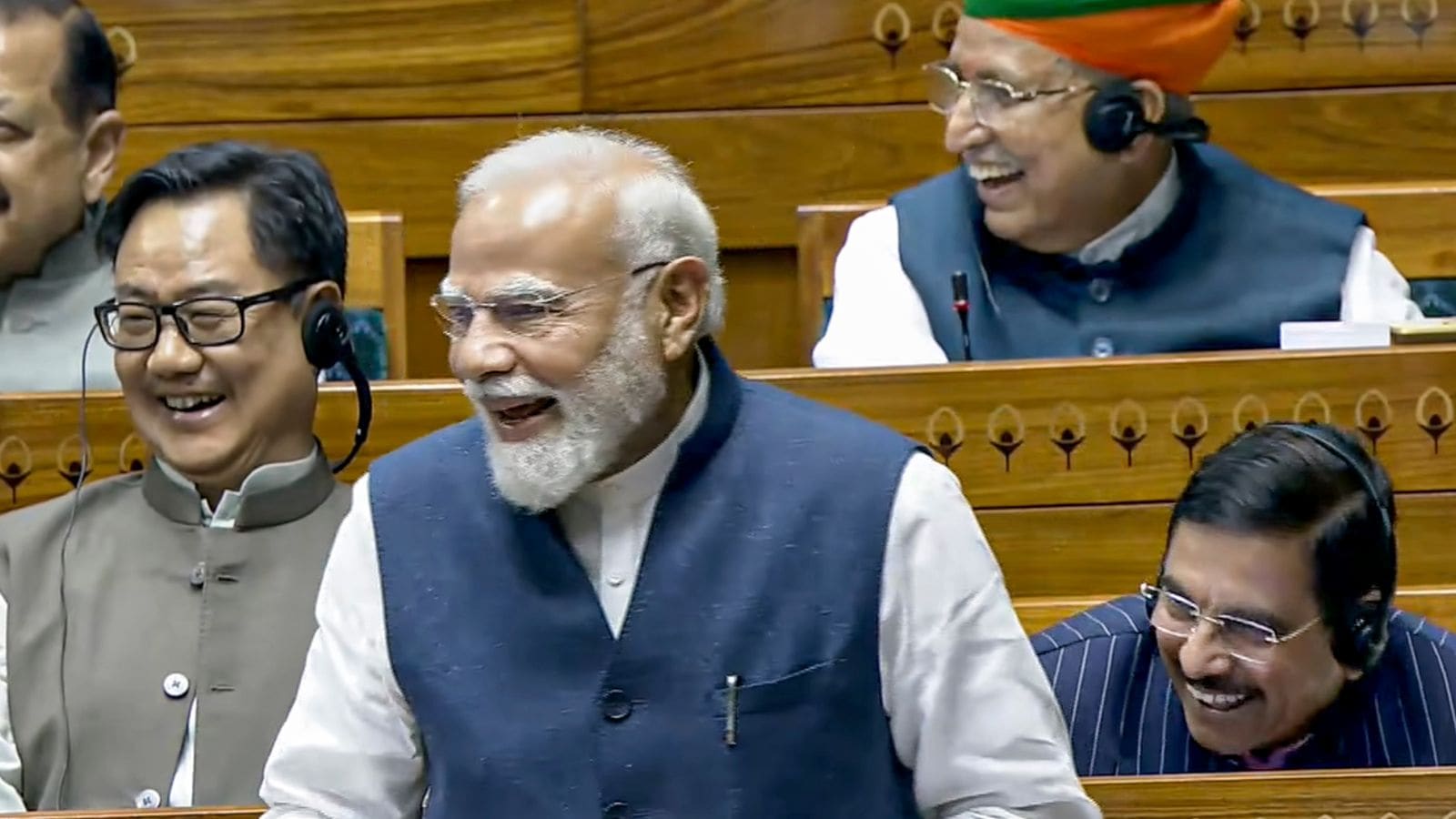
India’s special session of Parliament today focused on three pivotal bills: the Constitution (One Hundred and Thirty-First Amendment) Bill, 2026, which sets a 33% reservation for women in state legislatures; the Delimitation Bill, aimed at redrawing electoral boundaries; and a related set of reforms. The government’s BJP, led by Prime Minister Narendra Modi, hailed these moves as overdue reforms that will promote gender equality and political fairness. Opposition leaders, notably Samajwadi Party’s Akhilesh Yadav, accused the BJP of attempting partisan gerrymandering and undermining democratic representation.
Why these bills matter
The Women’s Reservation Bill has been under discussion for over two decades but languished amid political resistance. Institutionalizing a one-third quota for women in state assemblies could dramatically alter India’s male-dominated political landscape, empowering half the population in political decision-making and altering legislative priorities. For an India pushing multiple social reforms, this is a landmark step toward gender parity.
Meanwhile, the Delimitation Bill authorizes redrawing constituency boundaries based on the 2021 census data. Delimitation is crucial because it determines the geographic and demographic contours of political representation. After nearly two decades without a nationwide delimitation, this exercise can rebalance political power between urban and rural areas, fast-growing states, and marginalized communities. The BJP argues this will bring political boundaries in line with contemporary demographics, boosting governance legitimacy.
However, the opposition claims the delimitation process is a political tool for the BJP to entrench its dominance. Akhilesh Yadav and other critics warn that boundary changes could dilute opposition strongholds, skewing electoral outcomes. This distrust reflects longstanding patterns in Indian politics, where delimitation has been politically charged—most notably the 1976 freeze on seat redistribution during the Emergency, which sculpted Indian electoral politics for decades.
What to watch next
Enforcing women’s quotas will require substantial party-level changes to candidate selection processes, potentially reshaping local political ecosystems. Some states have voluntary quotas, but a constitutional mandate could force hesitant parties to open leadership spaces to women.
The delimitation outcome will unfold state by state, with regional power dynamics adjusting as constituencies shift. This will be a critical factor in the run-up to the 2029 general elections. Watch key battleground states like Uttar Pradesh, Maharashtra, and Tamil Nadu for signs of political realignment driven by new boundaries.
The opposition’s vocal skepticism suggests political friction ahead over these laws’ implementation and potential judicial challenges. Close monitoring of state election commissions and election commission reactions will be key.
This Parliament session crystallizes how institutional reforms intersect with political strategy in India, reflecting broader tensions in a vibrant democracy adapting to demographic and social transformation.
For a deeper dive into India’s evolving political landscape, see our India profile and broader
Global Politics coverage.
Discover more
India
India's Women's Reservation Bill
India's Parliament passed the women's reservation and delimitation bills, fueling opposition fears of political manipulation ahead of the next elections.
India
Modi's Women’s Quota and Delimitation Bills
Modi urges Parliament to pass the women's reservation and delimitation Bills, warning the opposition of political fallout in a pivotal moment for gender parity.
India
India's 131st Amendment Bill
The Lok Sabha passed the 131st Amendment Bill, clearing a path for a 33% women's reservation in Parliament by 2029 and breaking a two-decade-long impasse.

Economics
Fed's Amex AML order puts correspondent banking on notice
Federal Reserve's Amex AML order requires board-level controls and a 90-day plan; OCC fined the bank $350 million over enterprise-wide deficiencies.