India's Women's Reservation Bill
Opposition claims government hides delimitation in women's quota
Model Diplomat3 min readIndia
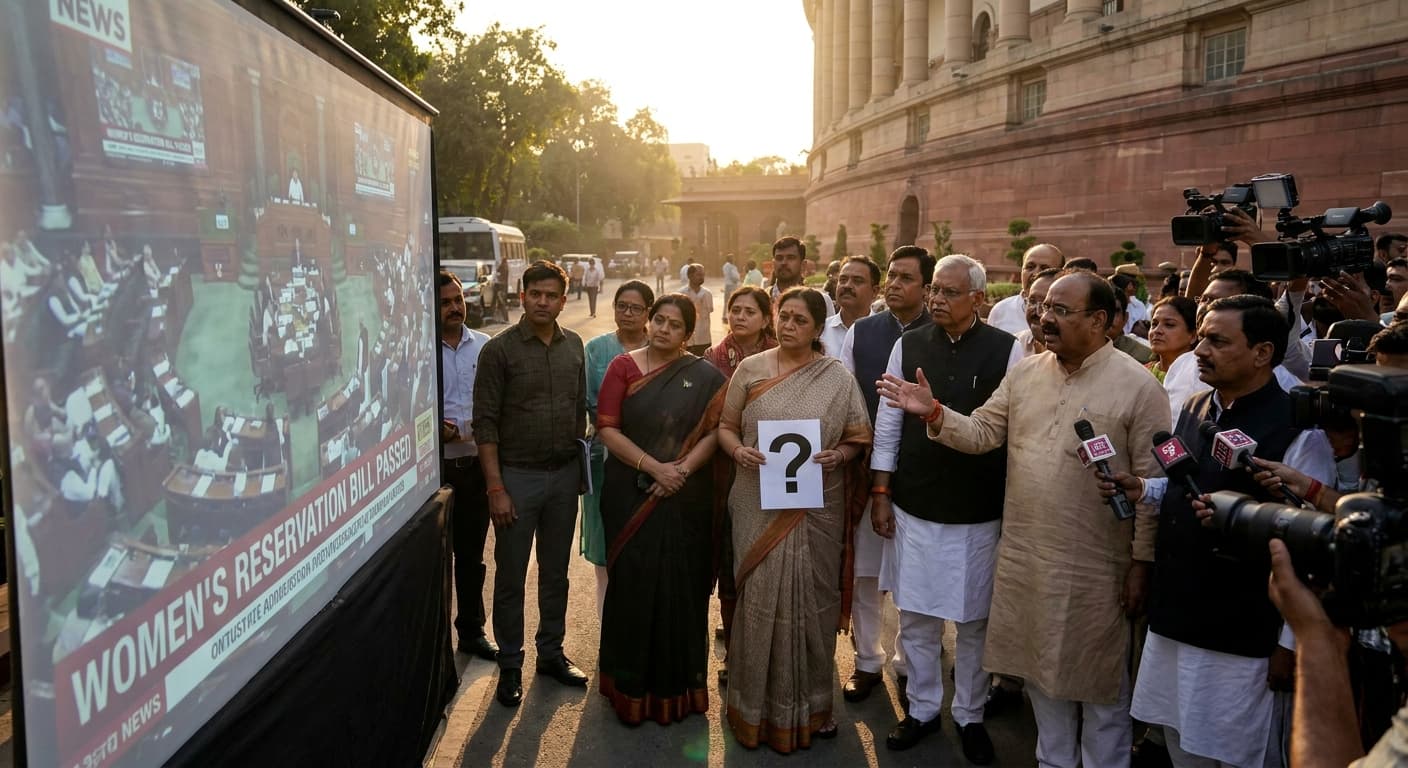
"Delimitation Disguised As Women's Quota"? Why Opposition Is Up in Arms in India
India’s Parliament passed three critical bills on women’s reservation, delimitation, and UT laws, but opposition leaders accuse the government of using the session for political maneuvering.
In a special session of India’s Parliament this week, Prime Minister Narendra Modi’s government pushed through three key bills: the Constitution (131st Amendment) Bill, which reserves 33% of seats for women in local bodies; a Delimitation Bill aimed at redrawing constituency boundaries; and the Union Territories Laws (Amendment) Bill. While the women’s reservation bill is long overdue, opposition leaders, led by Congress chief Mallikarjun Kharge, decried the session as a political sleight of hand, accusing the government of wrapping controversial delimitation moves in the more palatable women’s quota reform.
What Happened in Parliament?
The Constitution (131st Amendment) Bill, aimed at providing one-third reservation for women in local electoral bodies across the country, represents a significant push towards gender inclusion in politics. This was complemented by a Delimitation Bill to redraw Lok Sabha and Assembly constituencies, a process that can shift political power by reshaping electoral boundaries. The third bill amended laws governing Union Territories, a move seen as facilitating smoother administrative control.
Mallikarjun Kharge led a vocal opposition charge, condemning the session as a tactic to cloak the potentially politically charged delimitation exercise under the progressive umbrella of women’s reservation. His speech underscored fears that the government might gerrymander electoral districts to favor its electoral prospects ahead of the general elections slated for 2029.
Why This Matters
Women’s reservation at local levels is a milestone for improving political representation, addressing long-standing gender imbalances. India’s record on women in parliament has hovered around 14-15%, and while reservation exists in local bodies under the 73rd and 74th Constitutional Amendments, those provisions had lapsed for some regions or needed reinforcement. The 131st Amendment intends to reinvigorate this effort.
However, delimitation exercises historically have politicized controversies in India. The last nationwide delimitation was carried out in 2008, and constituency boundaries were frozen until 2026 due to demographic concerns. Now, with the government unlocking the process, the political arithmetic for several states could shift. The opposition’s argument is that the timing of the delimitation bill—right alongside the women’s reservation—is no coincidence, designed to blunt criticism by tying it to a universally popular women's reform.
This session's bundling of bills touches on a deep fissure in Indian politics: the tension between progressive social reforms and political calculus. The opposition sees the delimitation move as a potential tool to dilute minority influence or favor ruling party strongholds under the guise of administrative necessity.
What to Watch Next
The immediate next step is implementation — how the Delimitation Commission will redraw constituencies based on the new legal framework. States with complex demographic mixes like Uttar Pradesh, Bihar, and West Bengal will be critical to watch, as boundary adjustments there can decisively tilt future elections.
Meanwhile, the impact of women’s reservation on local governance deserves close study. Will the 33% quota translate into real political power for women, or will local patriarchal structures dilute its effects?
Finally, the Union Territories Law amendment may signal the government’s intent to tighten control over strategically vital but politically sensitive UTs like Jammu and Kashmir or Ladakh, suggesting a broader agenda beyond electoral reforms.
India’s democracy is at an inflection point where structural reforms intersect with raw politics. This session’s legislative bundle exposes how governance and electoral strategy remain deeply intertwined, underscoring the complex balance between reformist politics and partisan interests.
For more on India’s evolving political landscape, see our India profile and explore broader
Global Politics trends impacting democratic governance.
Discover more
India
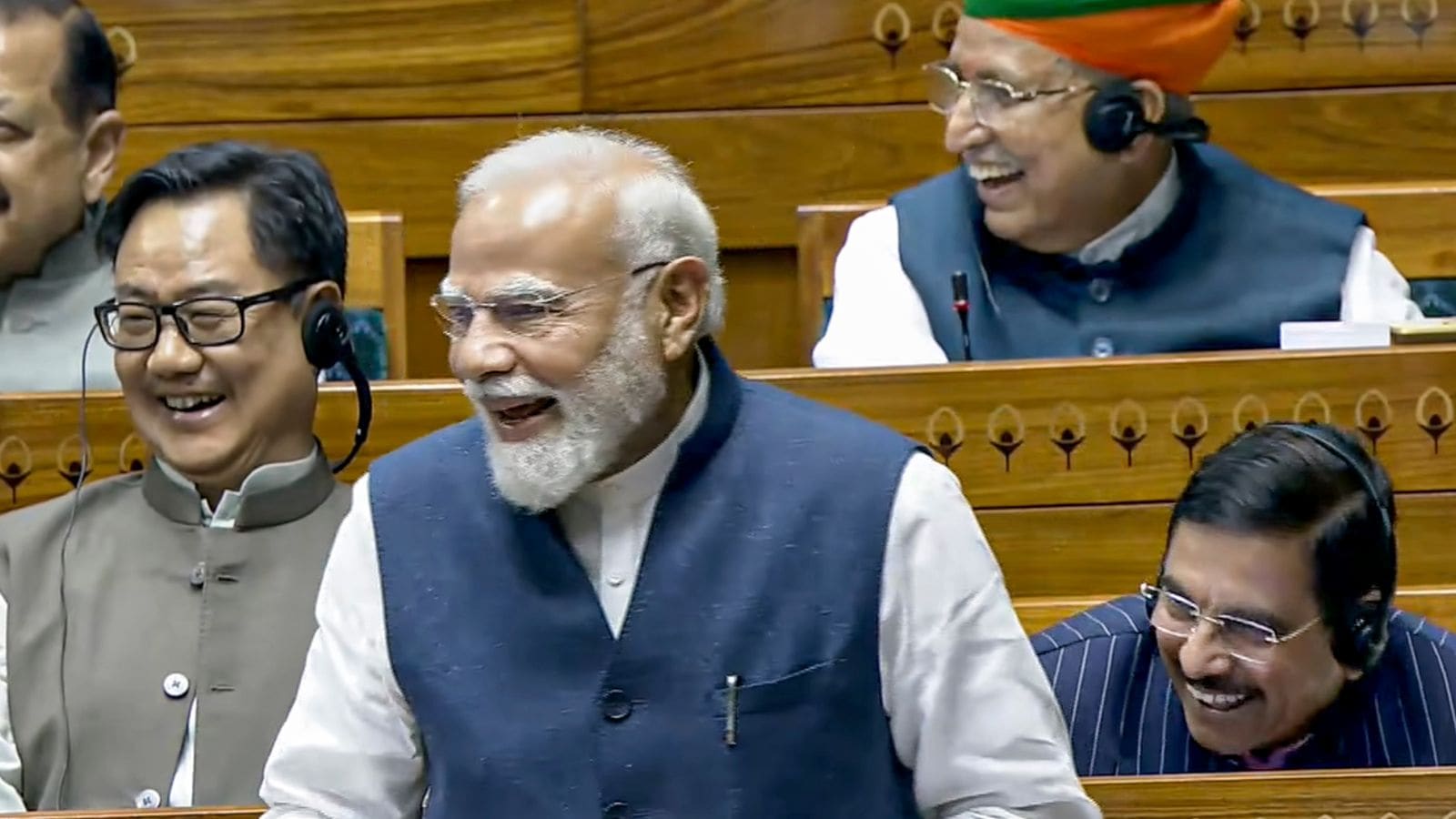
Modi's Women’s Quota and Delimitation Bills
Modi urges Parliament to pass the women's reservation and delimitation Bills, warning the opposition of political fallout in a pivotal moment for gender parity.
India
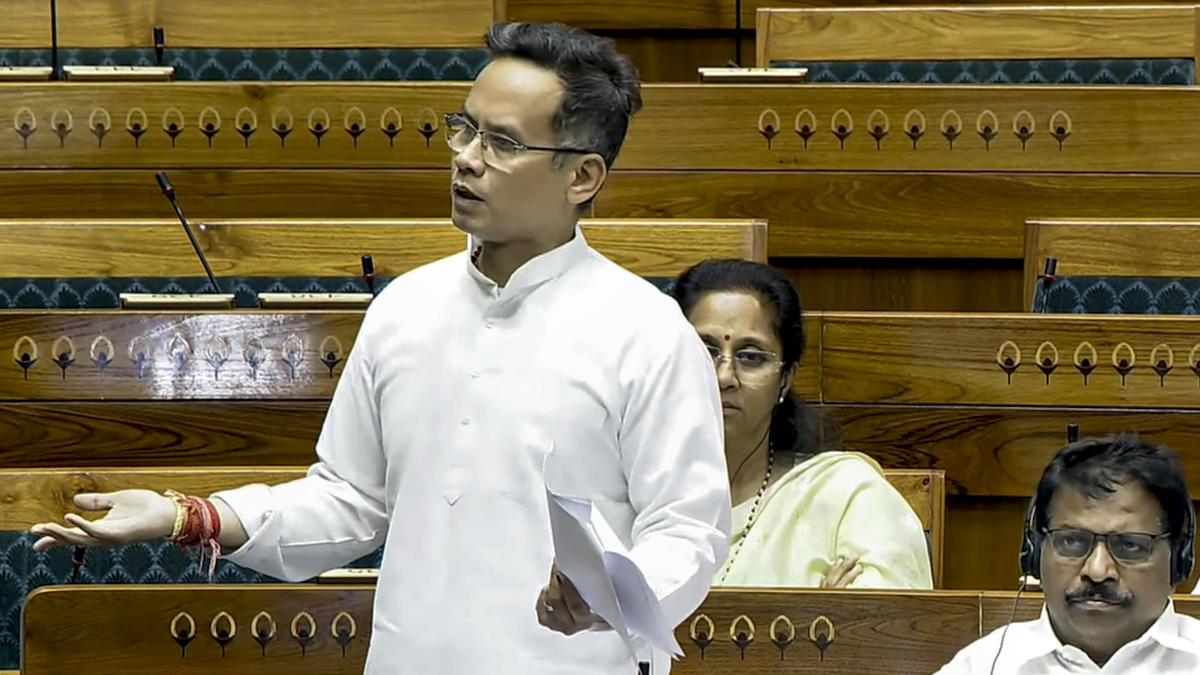
Congress: Modi's Delimitation Manipulation
Congress accused the Modi government of using delimitation to consolidate power in Jammu and Kashmir, urging it be separated from the women's reservation bill.
India
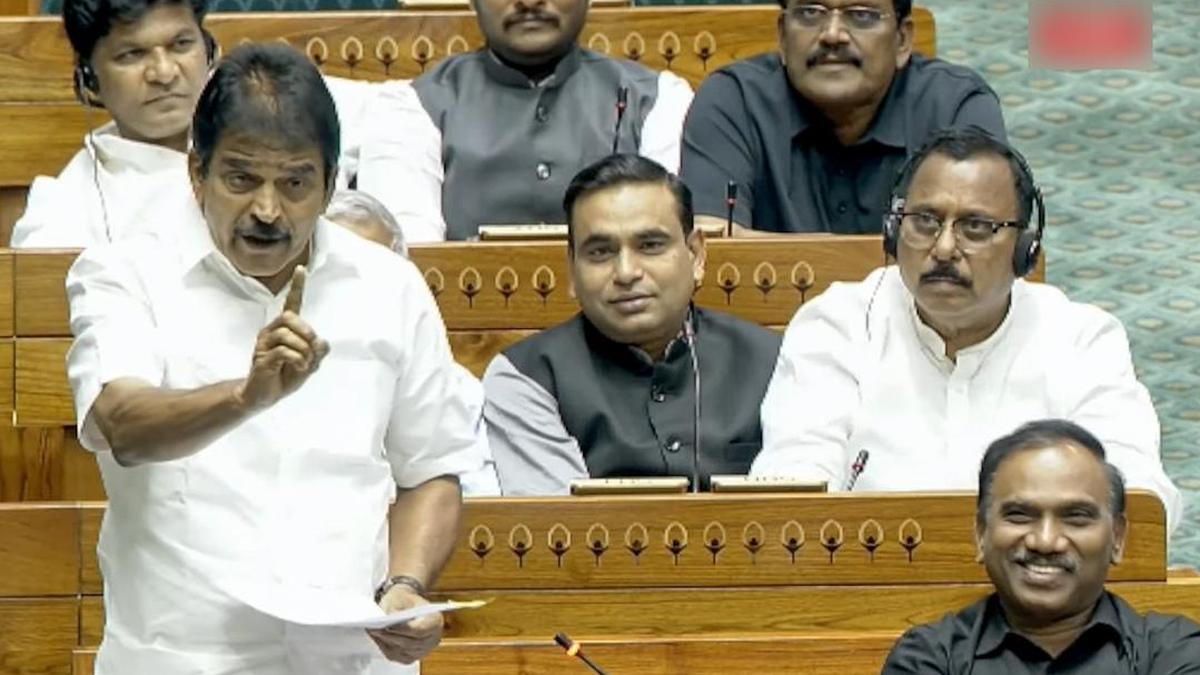
India's Women’s Reservation Debate
Congress MP K.C. Venugopal calls for an all-party meeting on women's reservation, citing concerns that delimitation could undermine fair representation.

Economics
Fed's Amex AML order puts correspondent banking on notice
Federal Reserve's Amex AML order requires board-level controls and a 90-day plan; OCC fined the bank $350 million over enterprise-wide deficiencies.