Congress Accuses Modi of Delimitation Deceit
Opposition claims delimitation undermines fair representation
Model Diplomat3 min readIndia
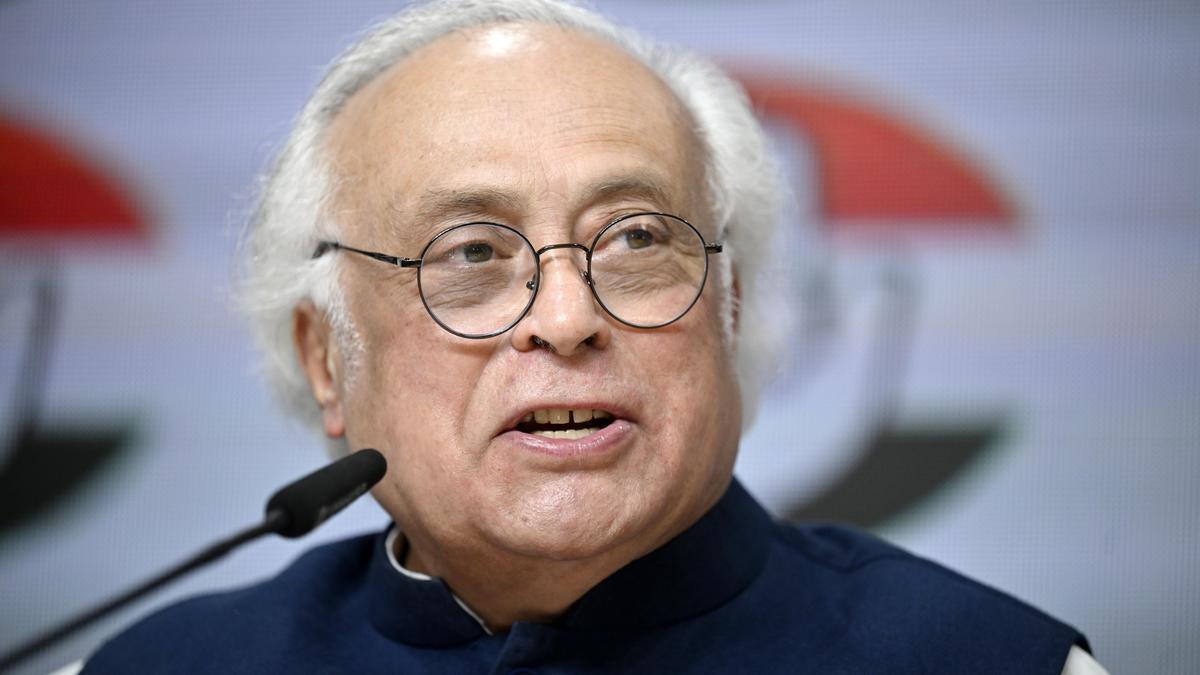
Congress slams Modi govt’s delimitation move as 'deceit' to sidestep caste census
Congress accuses Narendra Modi’s government of breaking promises on fair Lok Sabha seat allocation, exposing political calculations ahead of upcoming polls.
The opposition Congress party has accused Prime Minister Narendra Modi’s government of deceit over its proposed delimitation bill—designed to redraw parliamentary constituencies—alleging it contradicts earlier government assurances of uniformly increasing Lok Sabha seats for all states. Congress leader Jairam Ramesh criticized Modi on social media, framing the move as a calculated dodge to avoid undertaking a caste census that could reshape India's political arithmetic.
Why delimitation matters: politics and population shifts
Delimitation, the redrawing of electoral boundaries, is crucial in India’s democracy. It determines how population changes translate into political power, affecting the number and shape of constituencies each state holds in the Lok Sabha, the lower house of Parliament. The last delimitation exercise was frozen until 2026 to maintain parity despite uneven demographic growth across states. This freeze allowed states with slower population growth to retain more Lok Sabha seats relative to faster-growing states like Uttar Pradesh, Bihar, and Maharashtra.
The Modi government’s current bill proposes increasing Lok Sabha seats for some states but stops short of a uniform, proportionate increase—it changes the terms previously indicated. Congress and others see this as a strategic move by the ruling Bharatiya Janata Party (BJP) to protect strongholds and prevent states with higher population growth—and more complex caste compositions—from gaining additional influence in Parliament.
The caste census connection: electoral stakes and social engineering
Jairam Ramesh’s contention centers on the government's reluctance to conduct a caste census, which would offer detailed data on the social composition of voters. Such a census is politically sensitive because caste remains a foundational factor in Indian voting patterns. BJP’s hesitation to push it forward aligns with fears that explicit caste data would empower opposition parties and marginalized communities seeking greater reservation and representation.
Critics argue the delimitation move, combined with the absence of a caste census update, enables BJP to maintain electoral advantages by manipulating constituency boundaries without confronting underlying demographic and social realities. This can limit the political rise of backward classes and minorities, undercutting calls for more equitable representation in line with India’s shifting population dynamics.
What’s next: electoral math and the 2029 general elections
This delimitation controversy has implications beyond boundary lines. It signals zero-sum political jockeying as India prepares for the 2029 general elections. Watch for:
- State responses, especially from Uttar Pradesh and Bihar, which may demand fuller parliamentary representation reflecting their population.
- Legal challenges and political mobilization around caste data transparency.
- BJP’s political calculations balancing loyalty among upper caste, OBC, and minority voters amid changing demographics.
The issue brings into sharp focus how electoral engineering through delimitation and census manipulation can shape India’s democracy in the years ahead. Understanding these maneuvers is key to grasping the evolving power dynamics under Modi’s leadership.
For broader insight on India’s political landscape, see India profile and the evolving interplay of caste, census, and representation in
Global Politics.
Discover more
India
Congress: Modi's Delimitation Manipulation
Congress accused the Modi government of using delimitation to consolidate power in Jammu and Kashmir, urging it be separated from the women's reservation bill.
India
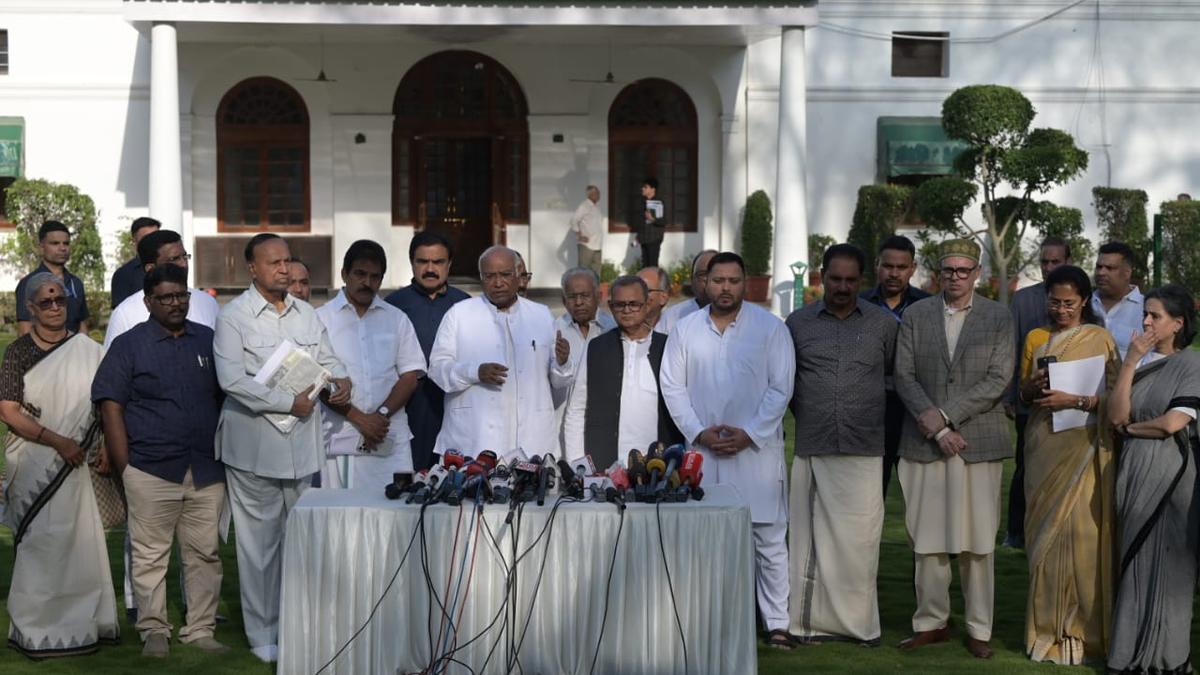
India Opposition Coalition Battles Delimiting
India's Congress-led opposition unites against the Delimitation Bill, warning of threats to electoral fairness and regional representation ahead of elections.
India
Delimitation Bill Controversy
India's Delimitation Bill ignites fierce debate, raising fears over federal representation and shifting the balance of political power among the states sharply.

Economics
Fed's Amex AML order puts correspondent banking on notice
Federal Reserve's Amex AML order requires board-level controls and a 90-day plan; OCC fined the bank $350 million over enterprise-wide deficiencies.