Delimitation in India
Exploring the impact of delimitation on Indian democracy
Model Diplomat3 min readIndia
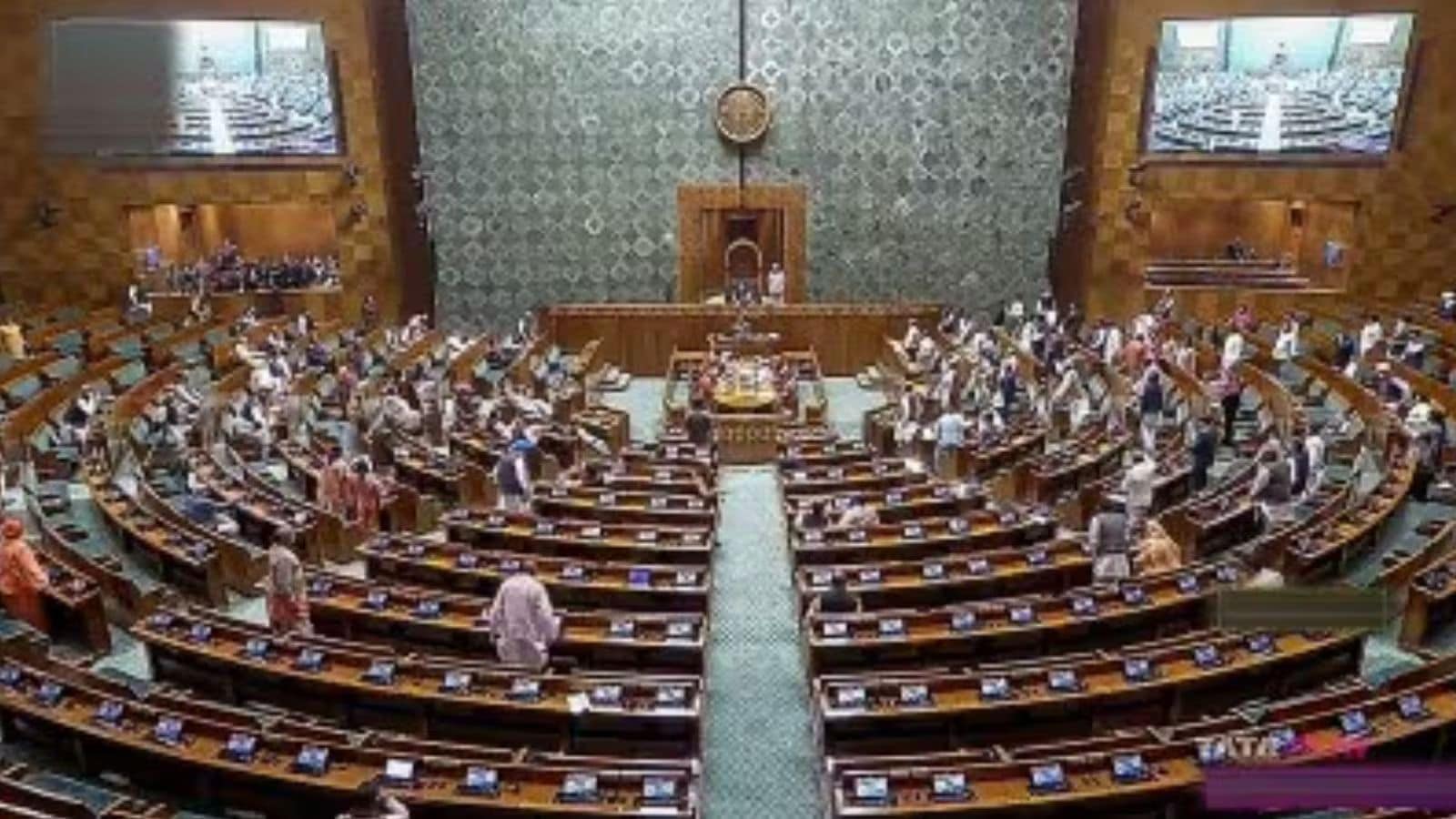
Delimitation in India: Federalism vs. Franchise in the Modi Era
Delimitation in India reveals the tension between protecting state representation and ensuring equal voting power, deepening under Modi's centralizing politics.
The ongoing debate around delimitation—the redrawing of electoral boundaries in India—has crystallized a core political tension: Is the country’s democracy about federalism, ensuring states’ voices and diversity, or about franchise, ensuring one-person-one-vote equality? Since 2014, India’s political landscape has shifted decisively, with Prime Minister Narendra Modi’s government emphasizing central authority and altering the consensus-driven political tradition, making delimitation a flashpoint for electoral and federal politics.
Why does delimitation matter?
Delimitation is more than a technical exercise. It shapes which voices get amplified in Parliament and assemblies, and how power is distributed between states and the center. India’s post-independence constitution built around federalism guaranteed states a fair say, guarding against dominance by populous regions. Over decades, boundaries were periodically redrawn to account for population changes without drastically undermining that balance.
But the principle of “one person, one vote” pushes toward constituencies that reflect roughly equal population numbers, which would favor populous states like Uttar Pradesh and Bihar, amplifying their electoral weight. Conversely, protecting smaller or less populous states requires boundaries that sometimes depart from strict numerical equality. This balance—between federalism’s state voice and franchise’s voter equality—is at the heart of delimitation politics.
The Modi-era shift
The article in the Indian Express highlights how the balance has shifted since 2014. Modi's government, with a strong parliamentary mandate, has centralized political power more aggressively than its predecessors, coinciding with the erosion of cross-party political consensus on sensitive federal issues. Delimitation now happens in a highly politicized environment where the central government’s preferences often shape outcomes, raising questions about fairness and federal respect.
For example, delimitation exercises have been linked with the political engineering of constituencies that can favor the ruling Bharatiya Janata Party (BJP) by consolidating votes or weakening opposition strongholds. The traditional restraint exercised to protect federal balance is weakening as the franchise principle gains ground in practice, sometimes at the cost of smaller states’ relative representation.
This change is significant because it reflects a broader trend in India post-2014: the gradual squeezing of federal space and prioritizing electoral politics that strengthen centralized authority. It underscores the political stakes behind seemingly technical issues like electoral maps.
What to watch next
The delimitation process will unfold against this backdrop of contested federalism. Watching how the final boundaries are drawn, especially for key states in northern and eastern India, will be instructive. It will reveal whether India is tilting decisively toward a centralized electoral model focused on franchise equality—or whether federal protections will hold.
This also matters because delimitation can reshape party strategies and voter mobilization, not just in the short term but for a generation of elections. The dynamics here interact with broader federal tensions, inter-state relations, and debates on decentralization.
For readers interested in the wider implications, this continues a key theme in India’s federal politics: the tussle to balance a diverse nation’s regional identities with the ideal of equal democratic participation. Modi’s India is testing whether this balance can be preserved amid powerful political centralization.
Delimitation and Federalism in India, Indian Express
Discover more
India
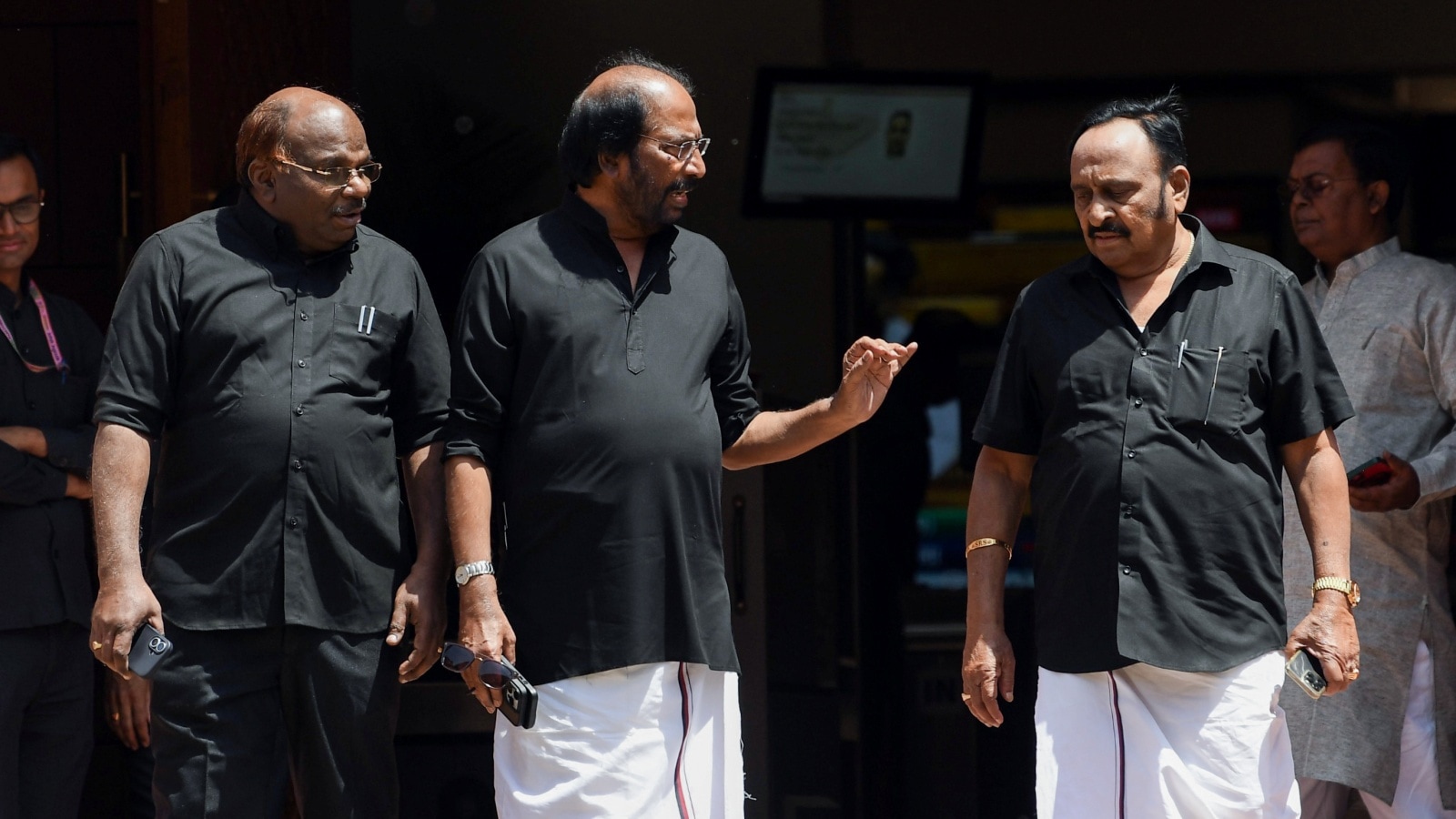
Delimitation Bill Controversy
India's Delimitation Bill ignites fierce debate, raising fears over federal representation and shifting the balance of political power among the states sharply.
India
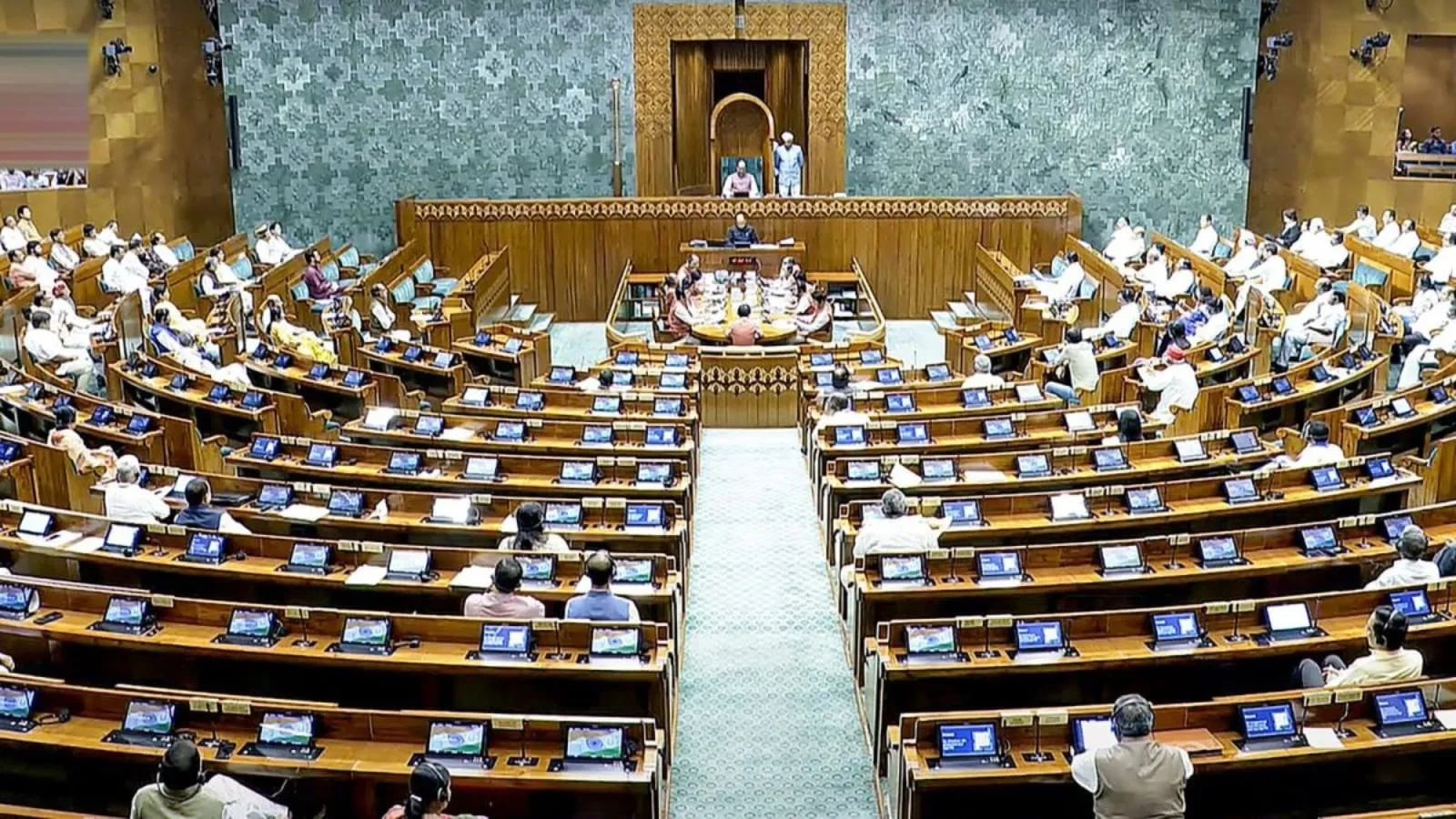
India's Delimitation Plan
India's new delimitation plan would let southern states keep their Lok Sabha seats, balancing demographic shifts against political power in the rework.
India
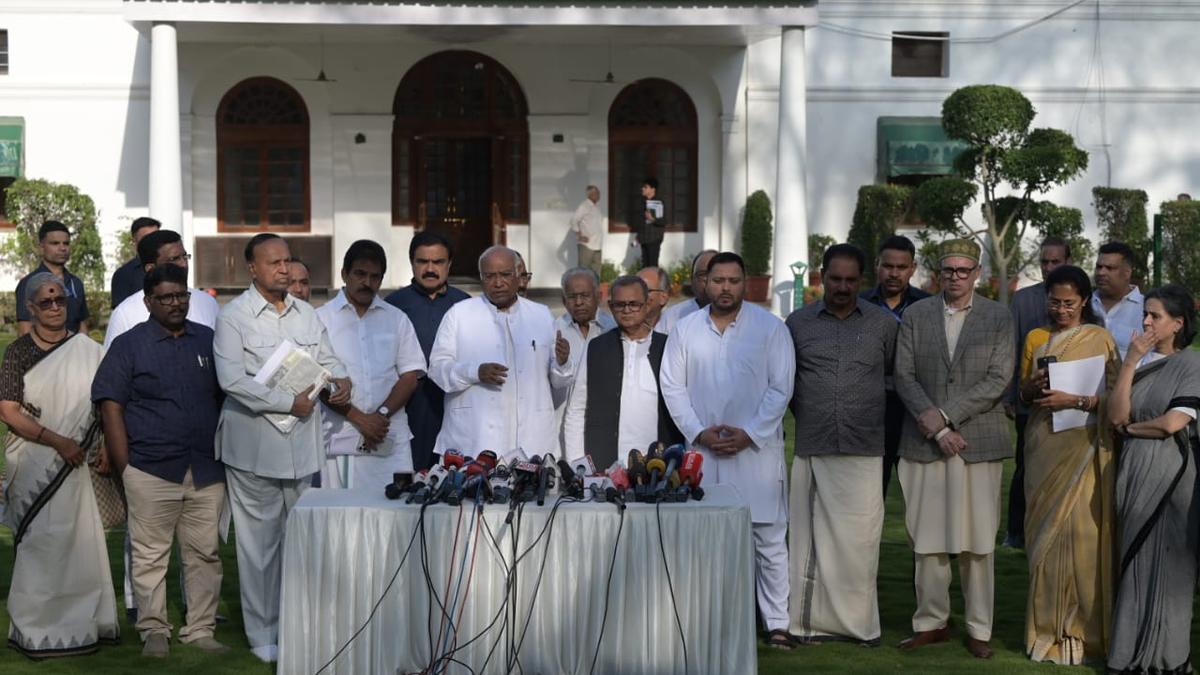
India Opposition Coalition Battles Delimiting
India's Congress-led opposition unites against the Delimitation Bill, warning of threats to electoral fairness and regional representation ahead of elections.

Economics
Fed's Amex AML order puts correspondent banking on notice
Federal Reserve's Amex AML order requires board-level controls and a 90-day plan; OCC fined the bank $350 million over enterprise-wide deficiencies.