India's Delimitation Plan
New delimitation exercise aims to maintain southern states' representation
Model Diplomat3 min readIndia
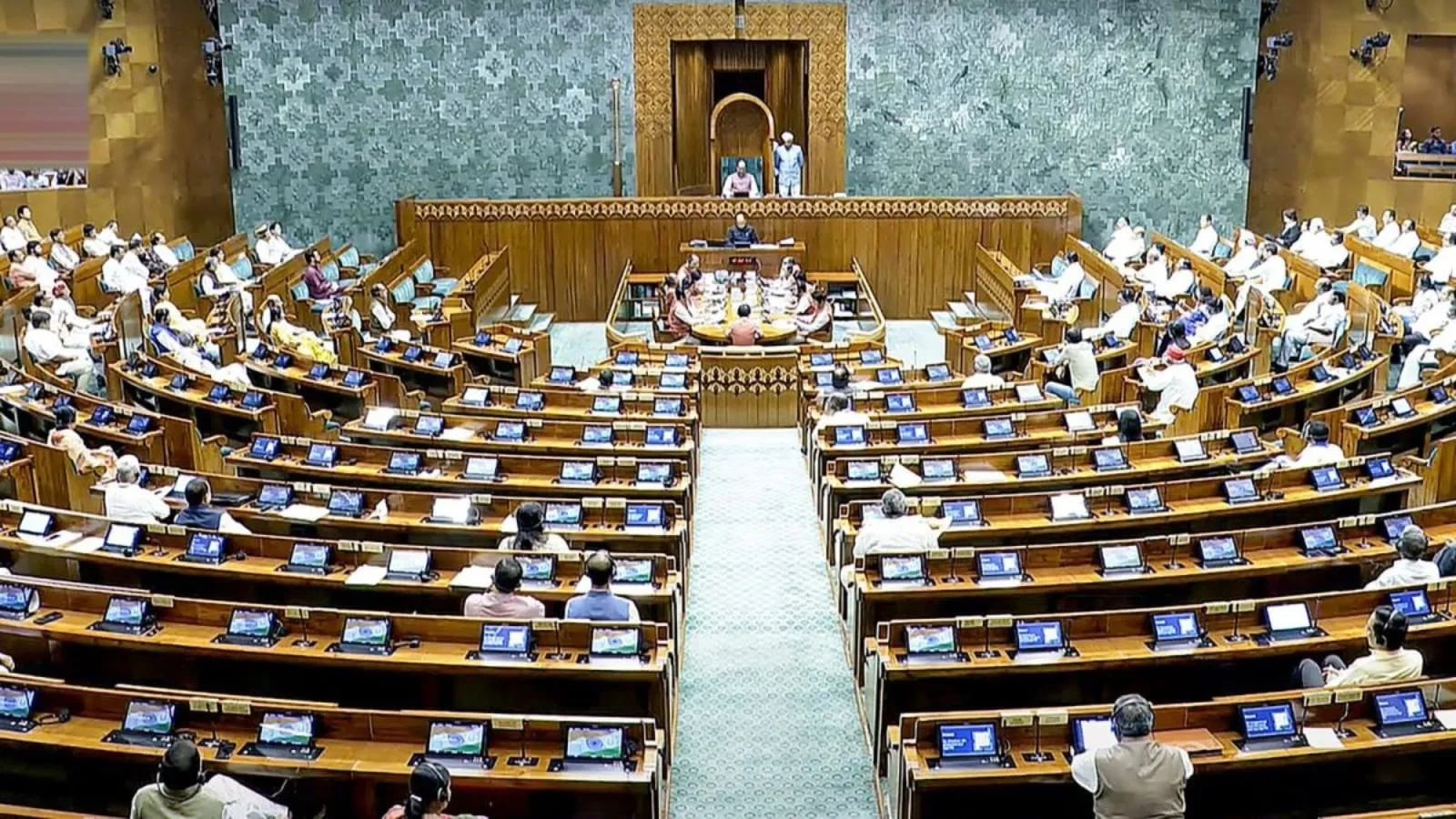
India’s South to Retain Lok Sabha Share Amid Delimitation Shakeup
India plans a new delimitation of Lok Sabha seats based on the 2011 Census but aims to keep the southern states’ share unchanged, a move with deep political ramifications.
India’s government is preparing to introduce three bills in Parliament that will kickstart a long-awaited delimitation exercise for Lok Sabha constituencies. This redistricting, based on the 2011 Census data, will redraw boundaries and allocate seats across states, but with a deliberate twist: the southern states’ share of Lok Sabha seats will remain unchanged. The details will come in a parliamentary “schedule” that explicitly lists each state’s new seat count — a first in showing transparency about the political calculus behind the exercise Indian Express.
Why This Matters: Balancing Demographics and Politics
Delimitation is a constitutional process to adjust electoral boundaries and seat allocations in line with demographic changes. India’s last delimitation was done before 2008 based on the 2001 Census, but since then political decisions froze the total number of seats per state until after the 2026 Census to balance population growth disparities.
The southern states — Tamil Nadu, Kerala, Karnataka, Andhra Pradesh, and Telangana — have seen slower population growth compared to many northern and eastern states. Without intervention, delimitation based strictly on population would reduce their Lok Sabha representation, diluting their political influence. By fixing their share in the new schedule, the government is effectively maintaining a status quo that protects southern political interests.
This is significant for several reasons:
-
Federal Balance
Southern states have often had political and cultural differences with the central government, dominated by northern states. Preserving their seat count reassures these states they will not lose footing in Parliament despite shifting demographics. -
Women’s Reservation Link
The bills will also introduce a provision for reserving one-third of Lok Sabha seats for women, a highly contentious and transformative proposal. Since delimitation redefines constituencies, the reservation is linked to this exercise, making the new arrangement foundational for gender representation changes. -
Political Stakes in the North
Northern states like Uttar Pradesh, Bihar, and Madhya Pradesh have seen faster population growth. They stand to gain more seats post-delimitation. This could shift parliamentary power further north and east — regions already dominant in Indian politics — strengthening parties with bases there.
What to Watch Next
-
Parliamentary Debate and Political Pushback
The bills will ignite debate on the fairness of seat allocations and reservation policies. Southern state governments, opposition parties, and civil society will scrutinize the schedule closely for perceived biases or dilutions of their influence. -
Implementation Timing Related to the 2026 Census
The delimitation changes are expected before or soon after the 2026 Census results, which will offer updated demographic data for the next phase of adjustments. How these two exercises align will be crucial for the durability of this political balance. -
Women’s Reservation Rollout
How constituency delimitation integrates with women’s reservation could significantly shape candidate selection and party strategies. It could either unlock new representation or face resistance for unsettling established electoral coalitions.
India is navigating a complex set of political and demographic realities with this delimitation plan, attempting to balance regional equity, gender representation, and shifting population centers. The explicit parliamentary schedule is an unprecedented transparency step. It will chart a critical course for Indian democracy, federal relations, and gender politics in the years ahead.
Discover more
India
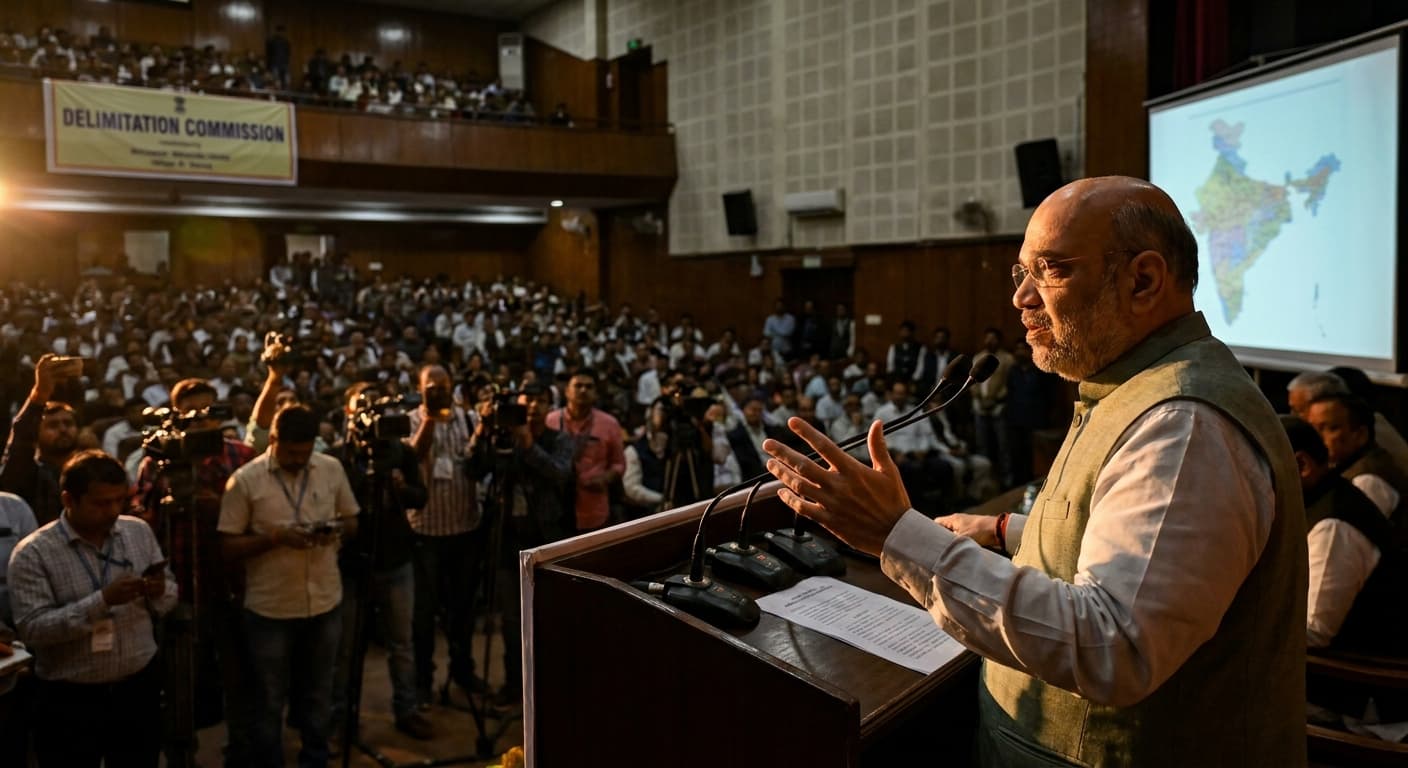
Amit Shah's Delimitation Boosts Southern MPs
Amit Shah said southern states will gain Lok Sabha seats under delimitation, boosting their representation while advancing women's reservation efforts in India.
India
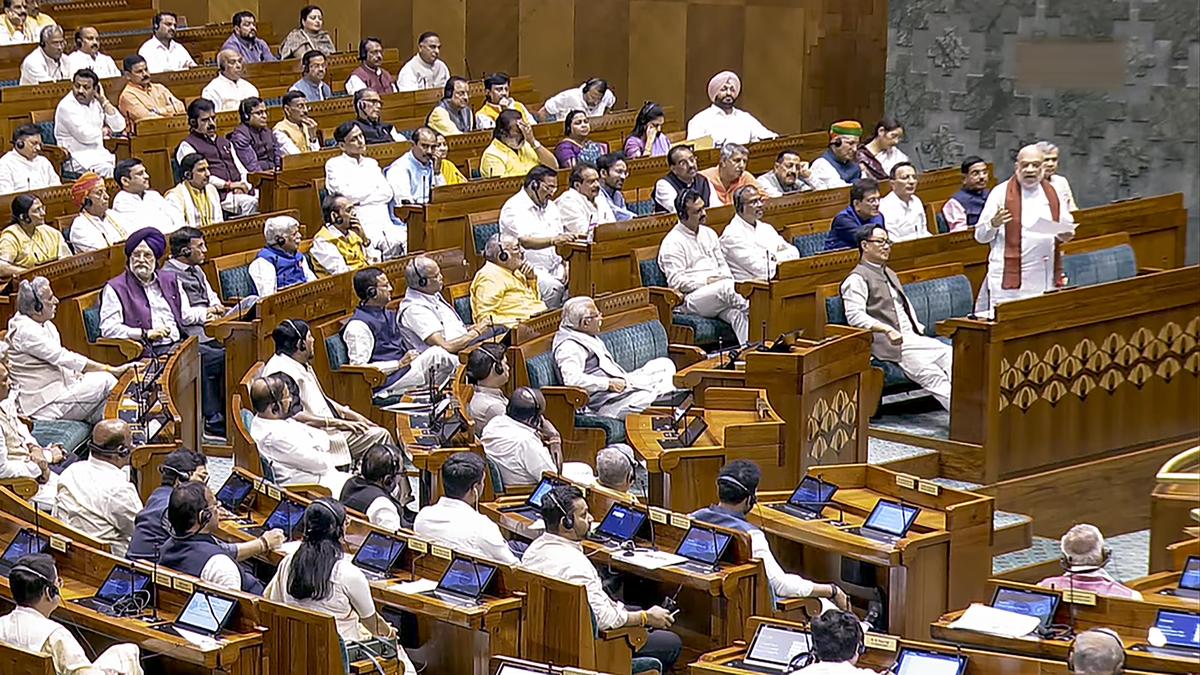
Modi and Shah Assure South India
Modi and Amit Shah promised southern states will keep their parliamentary seats amid delimitation debates, vowing to protect proportional representation.

India
India's Lok Sabha Expansion
India's special Parliament session debated a bill to expand Lok Sabha seats, a move set to reshape power dynamics ahead of the 2031 Census and future polls.

Economics
Fed's Amex AML order puts correspondent banking on notice
Federal Reserve's Amex AML order requires board-level controls and a 90-day plan; OCC fined the bank $350 million over enterprise-wide deficiencies.