Amit Shah's Delimitation Boosts Southern MPs
Amit Shah outlines seat gains for southern states in Lok Sabha.
Model Diplomat3 min readIndia
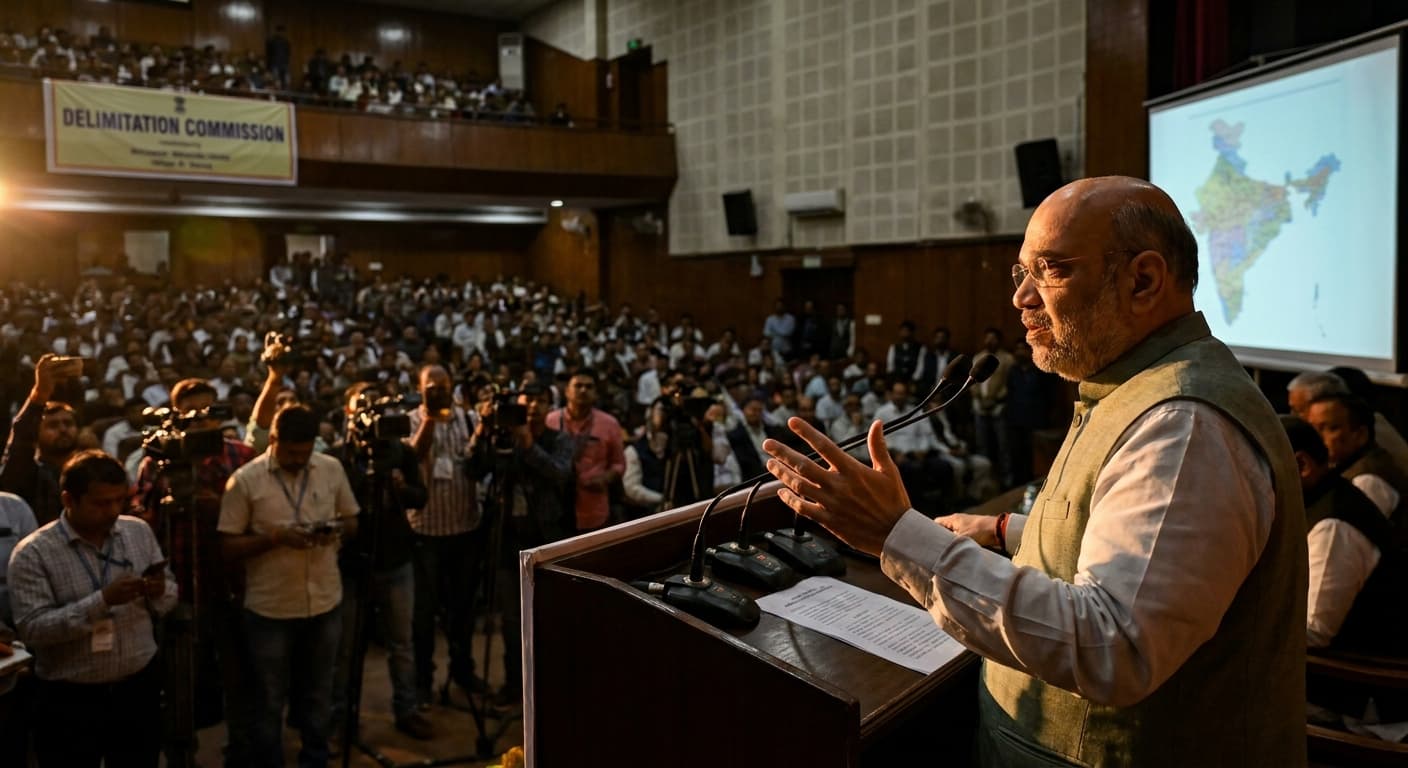
Amit Shah’s Seat Breakdown for Southern States Amid Delimitation Push
Union Home Minister Amit Shah outlined how southern states stand to gain Lok Sabha seats after growing to 850 total seats, framing it as a win ahead of women's reservation debates.
Union Home Minister Amit Shah recently detailed how the proposed delimitation exercise, tied to implementing a 33% women’s reservation quota in Parliament, would boost southern states’ representation in the Lok Sabha. Shah highlighted specific seat increments: Tamil Nadu gaining 20 seats, Kerala 10, and Telangana’s count also increasing, as the total Lok Sabha size expands from 543 to 850 MPs.
This announcement comes amid mounting political debate over the linkage of women’s reservation to delimitation—the process of redrawing parliamentary constituencies based on the latest census. The government’s plan aims to recalibrate seat allocation reflecting population shifts and also fulfill a long-standing demand to boost women’s participation in legislative politics.
Why It Matters: Southern States Gain Amid Complex Politics
Currently, southern states—especially Tamil Nadu, Kerala, Telangana, Andhra Pradesh, and Karnataka—are underrepresented relative to their population growth. The 2001 census-based seat distribution has not been adjusted since the 2008 delimitation. The government’s proposal to revise the seat count upward to 850 MPs would address that imbalance, significantly increasing southern India’s parliamentary voice.
Shah’s breakdown signals a clear political calculation: framings the delimitation as a “southern win” helps counter criticisms from regional parties who fear the women’s reservation or seat expansion might dilute their influence or disrupt entrenched vote bases. For example, Tamil Nadu’s Dravida Munnetra Kazhagam (DMK) has historically been wary of seat reallocation that could shift the state’s power dynamics.
This is not just a question of numbers but of political clout. As southern states gain more seats, they can better negotiate for national policies, greater central funding, and regional interests. The expansion to 850 MPs would also alter the balance in Parliament, compelling national parties like the BJP and Congress to recalibrate their strategies to win these new seats.
At the same time, linking women’s reservation to delimitation complicates matters. Women’s reservation quotas in legislatures have long been championed to address gender inequality but have faced strong opposition—especially from parties concerned about losing seats or seats being reserved in unfavorable constituencies. By packaging it with a seat increase plus southern states’ gains, the government hopes to secure broader support.
What to Watch Next
Key variables will be how the delimitation commission executes the redrawing of constituencies, what seat boundaries are proposed, and how political parties from these southern states respond. Parties such as the AIADMK, Telangana Rashtra Samithi (TRS), and regional actors in Kerala and Karnataka will scrutinize whether the seat changes truly benefit their political base or disadvantage them in practice.
Also critical is the timing and political context around the final vote on women’s reservation, currently slated to be linked to this delimitation process. If resistance from southern parties or broader gender equity advocates rises, the government may face a complex political battleground.
Finally, this expansion to 850 Lok Sabha seats—one of the largest proposed leaps in India’s parliamentary history—raises questions about governance scale, administrative costs, and even voter-connect. How the political class justifies and adjusts to this will shape Indian parliamentary democracy’s next chapter.
For more on India’s evolving political landscape, see our India profile and the wider
Global Politics context.
Source: NDTV - Amit Shah's Seat Breakdown for Southern States Amid Delimitation Criticism
Discover more
India
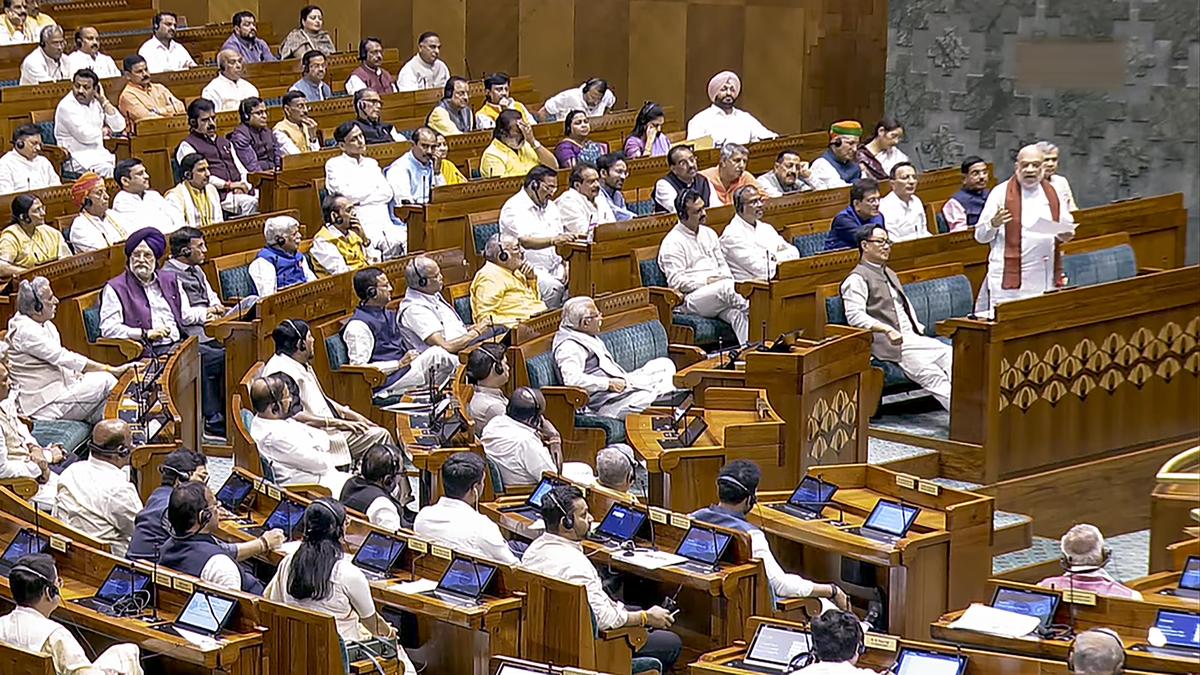
Modi and Shah Assure South India
Modi and Amit Shah promised southern states will keep their parliamentary seats amid delimitation debates, vowing to protect proportional representation.
India
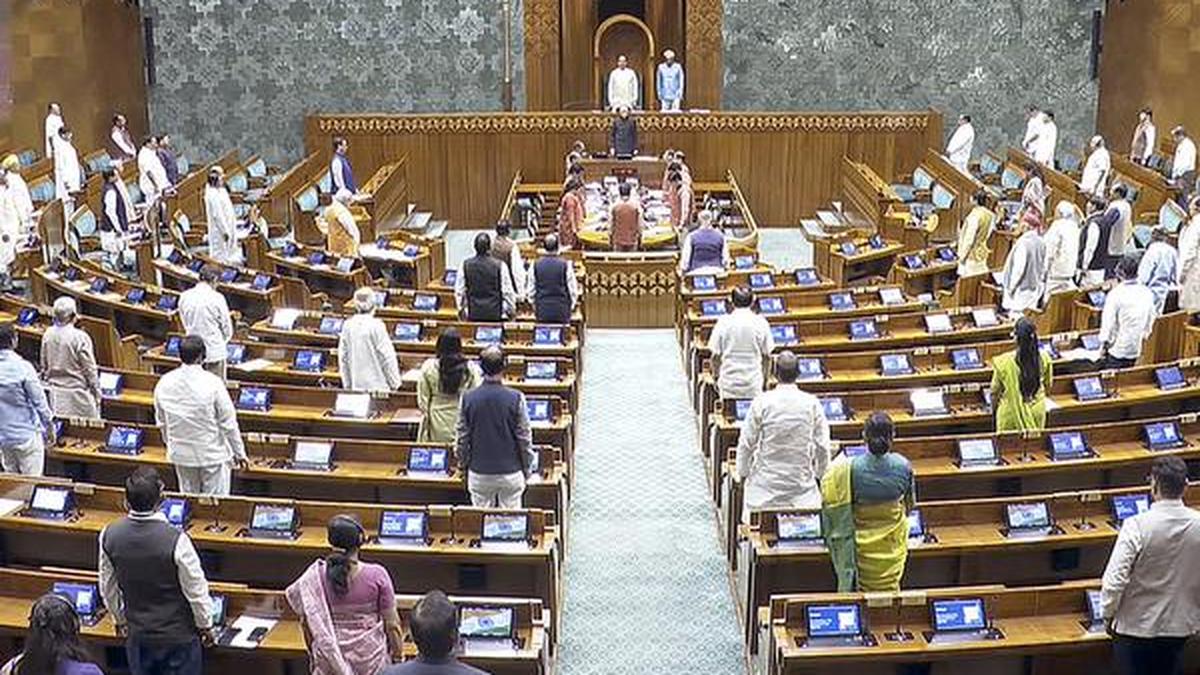
India's Political Map Redrawn
India's Lok Sabha may grow from 543 to 850 seats through delimitation tied to the 2011 Census, redrawing the political map and reshaping representation.
India
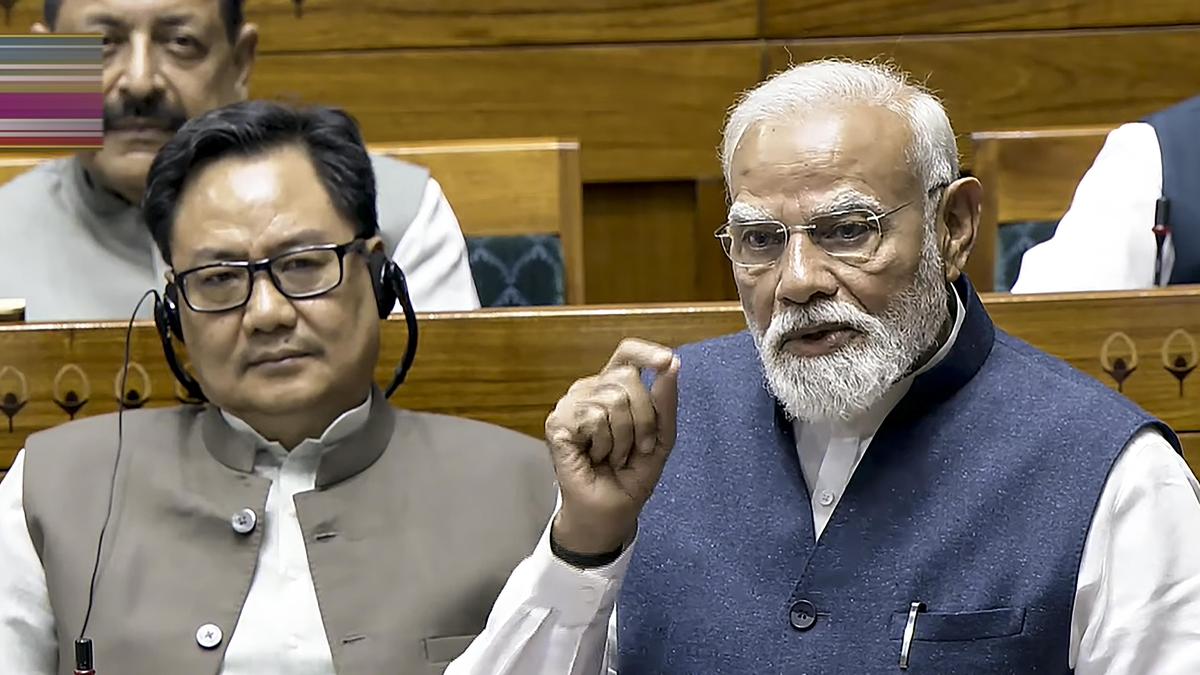
Modi's Delimitation Bill
PM Modi pledged fairness in the 2026 Delimitation Bill, vowing to preserve state representation amid rising political tensions over redrawn seats across India.

Economics
Fed's Amex AML order puts correspondent banking on notice
Federal Reserve's Amex AML order requires board-level controls and a 90-day plan; OCC fined the bank $350 million over enterprise-wide deficiencies.