Constitution Amendment Bill 2026 Defeat: Modi's First Major Parliamentary Setback
Modi government’s inability to pass the Constitution Amendment Bill marks a rare legislative defeat, signaling limits to majoritarian governance.
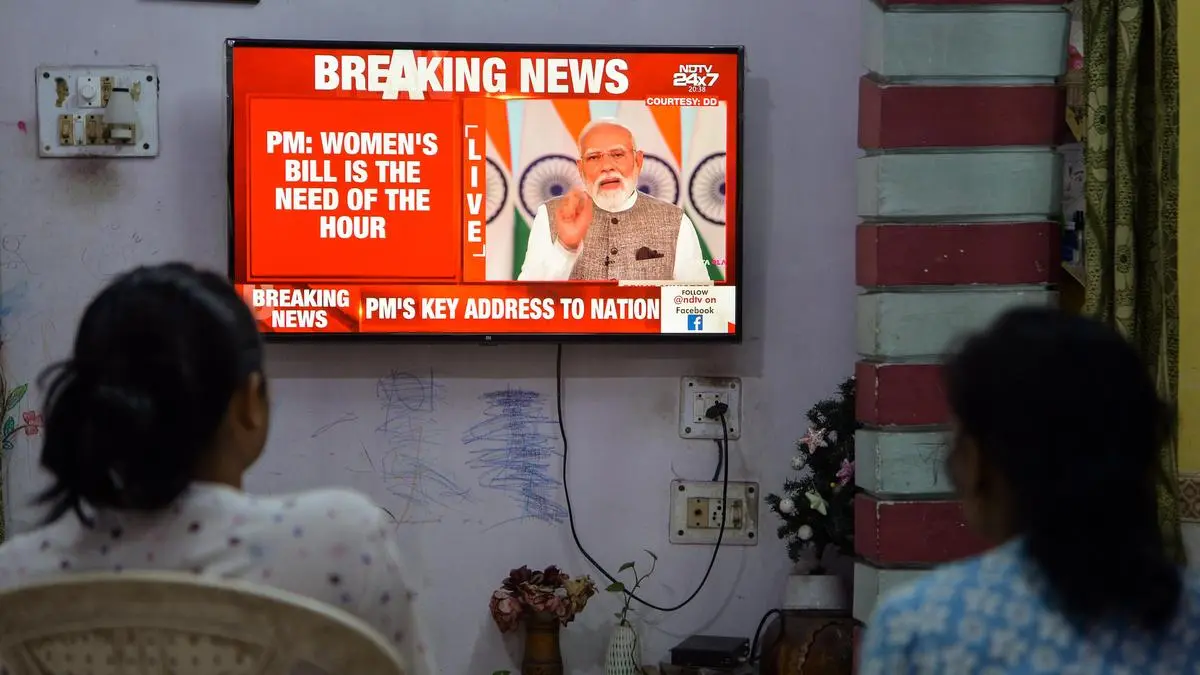
The ruling Bharatiya Janata Party (BJP) experienced a significant parliamentary defeat in April 2026 when the Constitution Amendment Bill, a key piece of legislation pushed by Prime Minister Narendra Modi’s government, failed to secure passage. This marks the first substantial "no" faced by Modi’s administration in the legislature, upending expectations of the government’s ability to unilaterally drive major reforms with its parliamentary majority.
Why This Matters: A Political Check on Majoritarianism
For years, Modi’s government has leveraged its strong majority in the Lok Sabha and strategic alliances to push through contentious reforms. These have often included changes to citizenship laws, federal arrangements, and judicial appointments, frequently sidelining opposition voices and civil society concerns. The Constitution Amendment Bill 2026 was widely seen as another step in consolidating central power, provoking fears about erosion of federal balance and minority rights.
The bill’s failure suggests deepening fissures either within the ruling coalition or due to a more unified opposition, marking a political check on Modi’s style of policymaking. It signals that certain reforms, particularly those perceived as undermining India’s pluralistic constitutional framework, will encounter growing legislative resistance.
This defeat also punctures the narrative of ever-expanding BJP dominance, revealing vulnerabilities in key states and diminishing the capacity to ram through controversial changes without debate or concessions.
Context of the Defeat
The bill’s content remains contested, but sources indicate it entailed changes that would have curtailed judicial review powers and redefined the federal distribution of authority, igniting cross-party opposition.
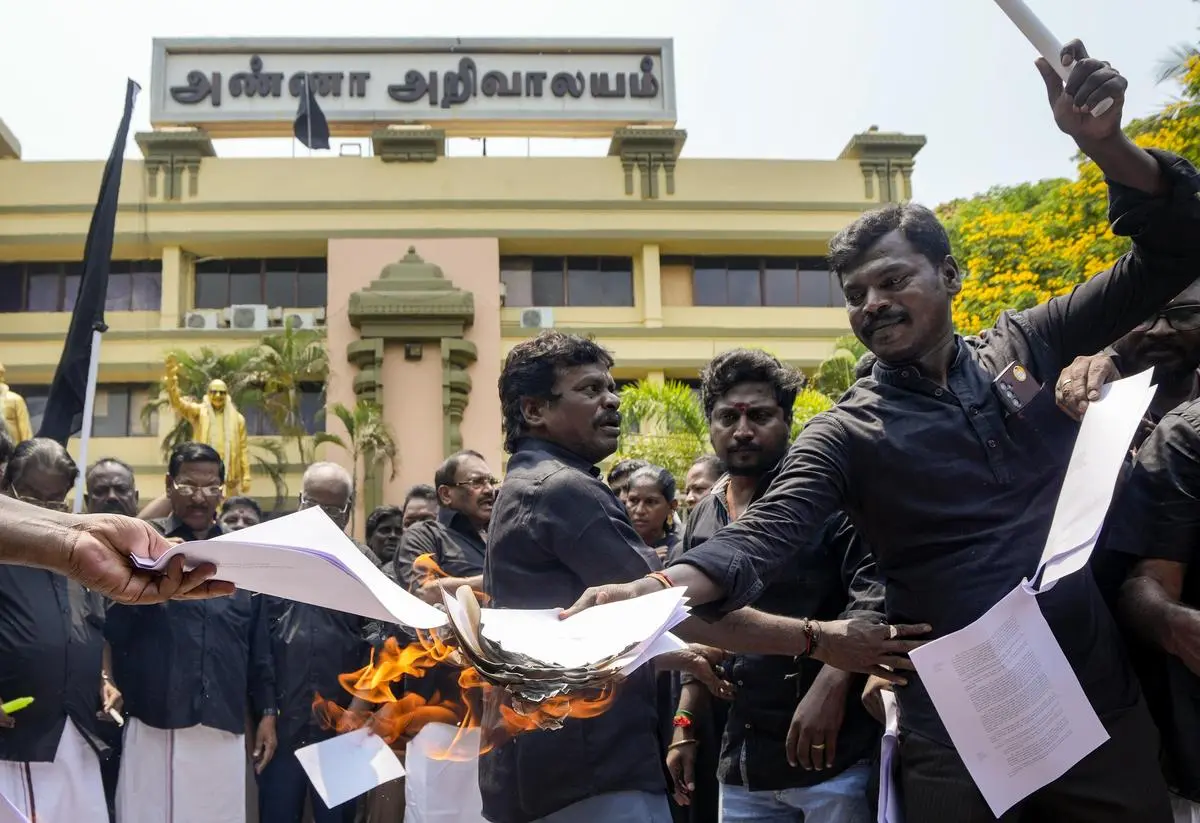
The BJP, despite its numerical strength, may have faced dissent from coalition partners or disgruntled BJP legislators wary of the political fallout amid rising public protests. Opposition parties capitalized on this moment, presenting a rare united front in parliament, reflecting increasing fatigue with Modi’s governance style after multiple successive electoral victories.
India’s parliamentary history has few examples of such critical bills being blocked once introduced by a majority government, making this event a political landmark and a potential turning point for legislative politics.
What to Watch Next
The immediate outcome raises questions about Modi’s strategic recalibration ahead of the 2027 general elections. Will the government attempt to reintroduce the bill with compromises, or pivot to less contentious measures? Watch for realignments within Modi’s coalition and statements from key opposition leaders that could hint at new political fault lines.
State-level elections will also be critical, as BJP-led efforts may lose momentum amid doubts about the party’s capacity to deliver decisive governance. The role of India’s judiciary in responding to or interpreting this constitutional tussle will be pivotal in the coming months.
Finally, this defeat sharpens focus on the resilience of Indian democracy’s checks and balances in the face of increasingly assertive majoritarianism—a theme central to understanding India’s evolving political landscape.
For further context on federalism and constitutional debates in India, see  India Country Profile and for broader electoral politics, refer to Global Politics.
Source:  Frontline - Constitution Amendment Bill 2026 Defeat