Modi's Campaign Blitz in West Bengal
BJP intensifies efforts to challenge Mamata Banerjee in 2026 elections
Model Diplomat3 min readWest Bengal
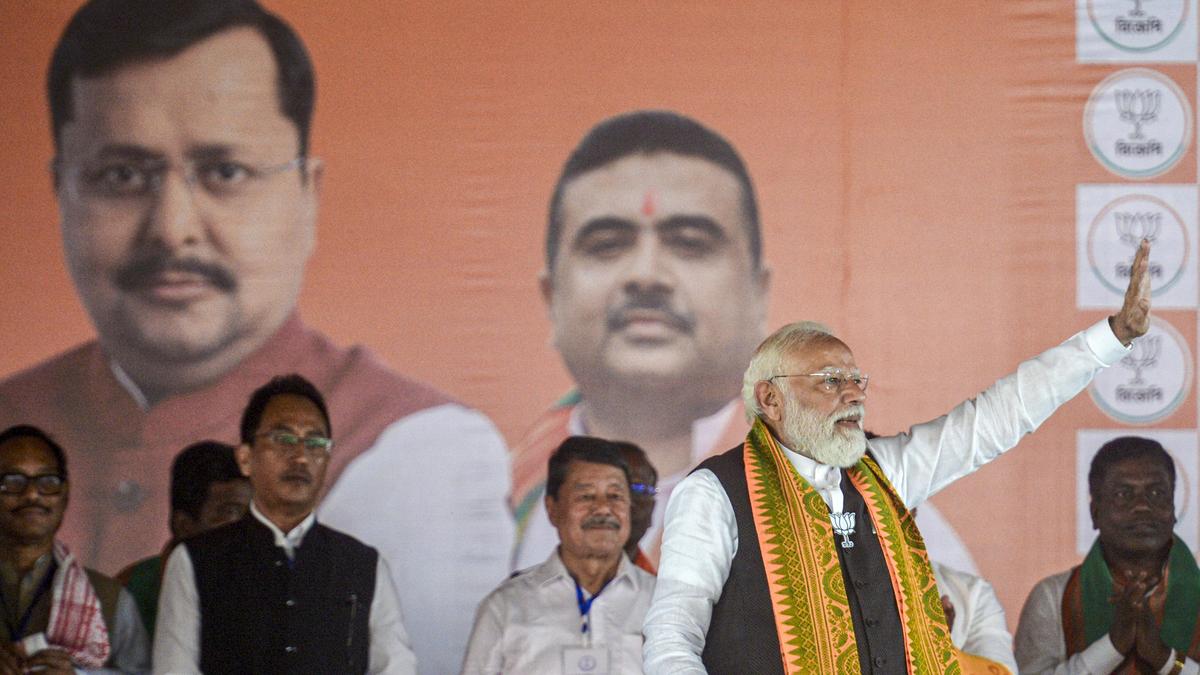
Assembly Elections 2026: Modi Intensifies Campaign in West Bengal Amid TMC’s Defense
Prime Minister Narendra Modi’s four-rally blitz in West Bengal highlights BJP’s aggressive push to unseat Mamata Banerjee’s TMC, set against Tamil Nadu’s complex electoral dynamics.
Prime Minister Narendra Modi held four high-profile rallies on April 19 in West Bengal—at Bishnupur, Purulia, Jhargram, and Medinipur—aimed at energizing the BJP’s voter base ahead of the state’s crucial assembly elections. These efforts come as Mamata Banerjee’s Trinamool Congress (TMC) faces mounting criticism, including accusations encapsulated in BJP’s campaign rhetoric branding the TMC as experts in corruption. Modi’s campaign rallies directly challenge Mamata’s narrative of governance and development and seek to capitalize on discontent amidst allegations of electoral roll manipulations and administrative interference.
Why West Bengal Matters in 2026 Elections
West Bengal remains a linchpin state for both the BJP and TMC. The TMC released a manifesto promising expanded healthcare access through “Duare Chikitsa” doorstep camps and enhanced social welfare with a ₹500 hike in Lakshmir Bhandar, positioning these as central to their pitch for a potential fourth term. However, the BJP accuses the TMC of systemic corruption, underscoring a narrative that Mamata’s administration has earned a “PhD in looting,” reflecting BJP’s strategy of framing the election as a fight against corruption and poor governance.
The state is also a battleground for the integrity of electoral processes. Mamata Banerjee has publicly accused the Election Commission of transferring around 500 West Bengal officers and alleged a tacit understanding among the BJP, Congress, and DMK in Tamil Nadu, pointing to the high-stakes nature of administrative control. The massive deletion of voter names—over 63 lakh in West Bengal—further fuels tensions, with accusations from Mamata that this disenfranchises legitimate voters and skews the electoral process.
Tamil Nadu’s Election Landscape
Tamil Nadu presents a different but no less complex challenge. Incumbent Chief Minister MK Stalin’s DMK faces criticism from the BJP and is alleged by Mamata to be engaging in backdoor understandings with national parties. Narendra Modi’s campaign presence and the BJP’s narrative seek to erode the DMK’s base ahead of the assembly elections, as the BJP attempts to expand its footprint in a state historically resistant to its overtures.
Stalin’s government is being scrutinized for governance issues highlighted by BJP leaders like Piyush Goyal, while opposition forces are exploring unity strategies to counter both the BJP and regional dominance. This inter-party dynamic creates a fluid electoral environment with potential implications beyond Tamil Nadu.
What to Watch Next
- West Bengal: The closing of nominations and the management of polling personnel transfers will be critical. The extent to which electoral roll deletions impact voter turnout and election legitimacy will shape the final outcome.
- Campaign Intensity: Further high-visibility rallies from Modi and Mamata and their counter-narratives on corruption and development will set the tone.
- Tamil Nadu Alliances: Developments around Congress-DMK-BJP interactions and seat-sharing could reshape the electoral arithmetic.
- Opposition Coordination: Efforts to unify opposition votes against BJP candidates will signal whether regional and national parties can contain BJP's growth.
The 2026 assembly elections in West Bengal and Tamil Nadu illuminate broader national trends: BJP’s continued push to consolidate power in key states and the resilience of regional parties defending their turf amid shifting alliances and high-stakes electoral maneuvers.
For deeper context, see our India country profile and
Global Politics topic.
Sources:
The Hindu - Assembly Elections 2026 live updates
The Hindu - Election administration and voter roll controversies
The Hindu - West Bengal electoral tensions
Discover more
India
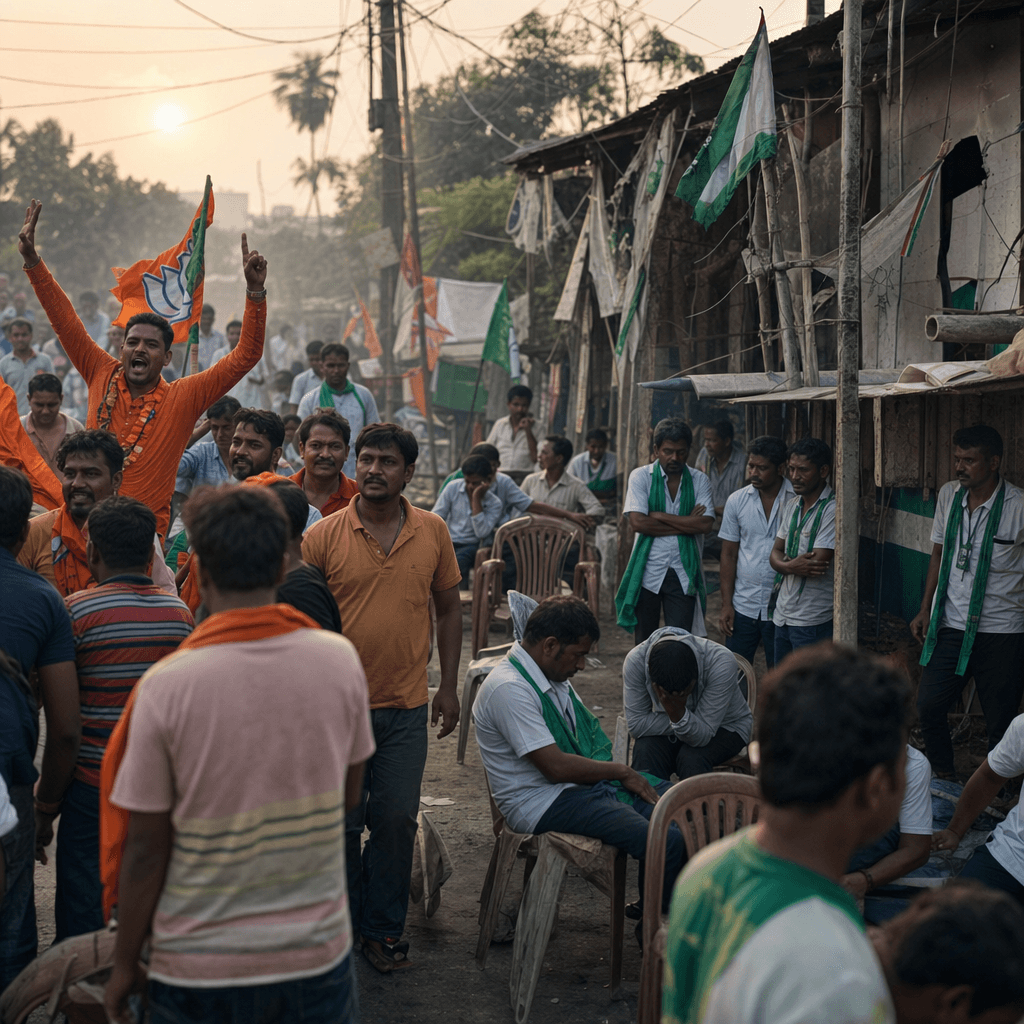
BJP's Falta Win Signals TMC's Decline
The BJP's win in Falta exposes the TMC's fraying local machinery and leadership cracks in West Bengal, signaling deeper trouble for Abhishek Banerjee's party.
India
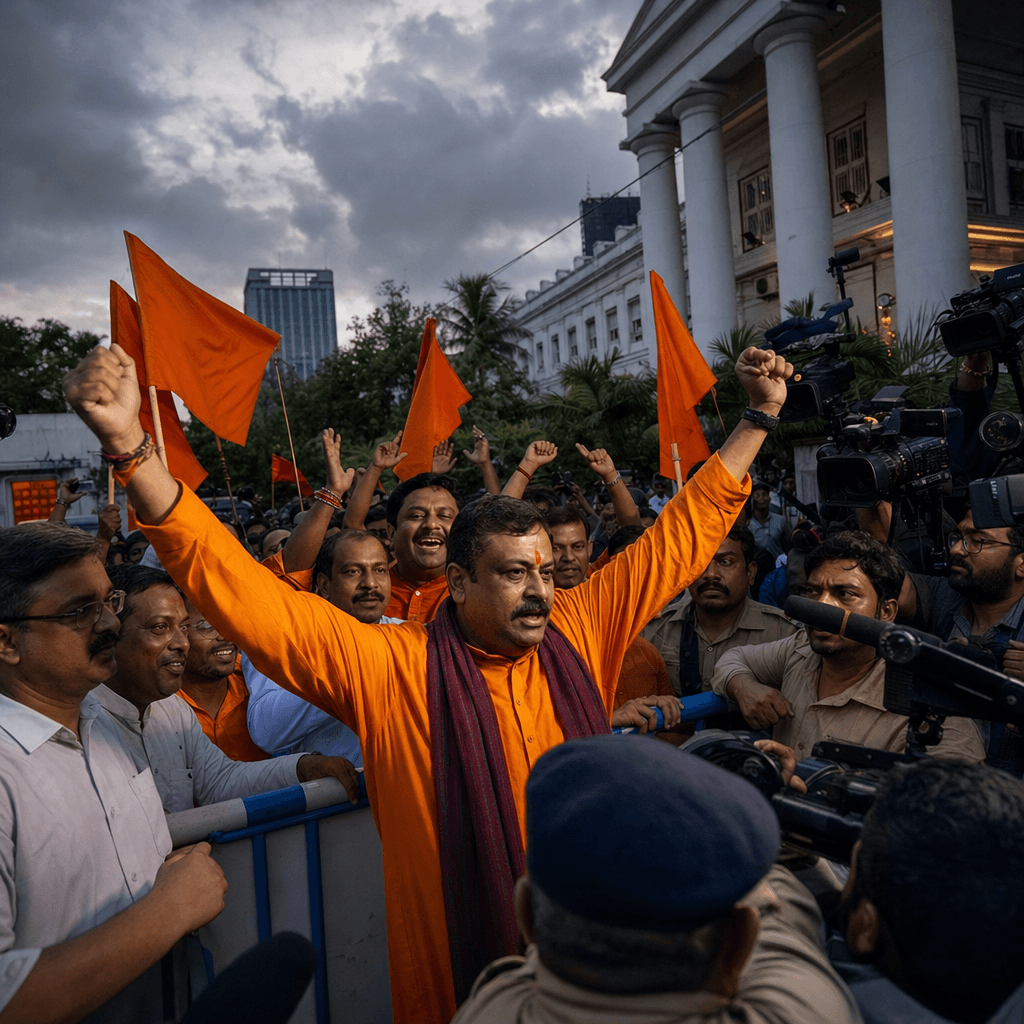
BJP’s West Bengal Sweep Forces Rethink
The BJP's sweeping victory in West Bengal reshapes Indian politics, forcing a battered Opposition to rethink strategy as the party extends its dominance.
India
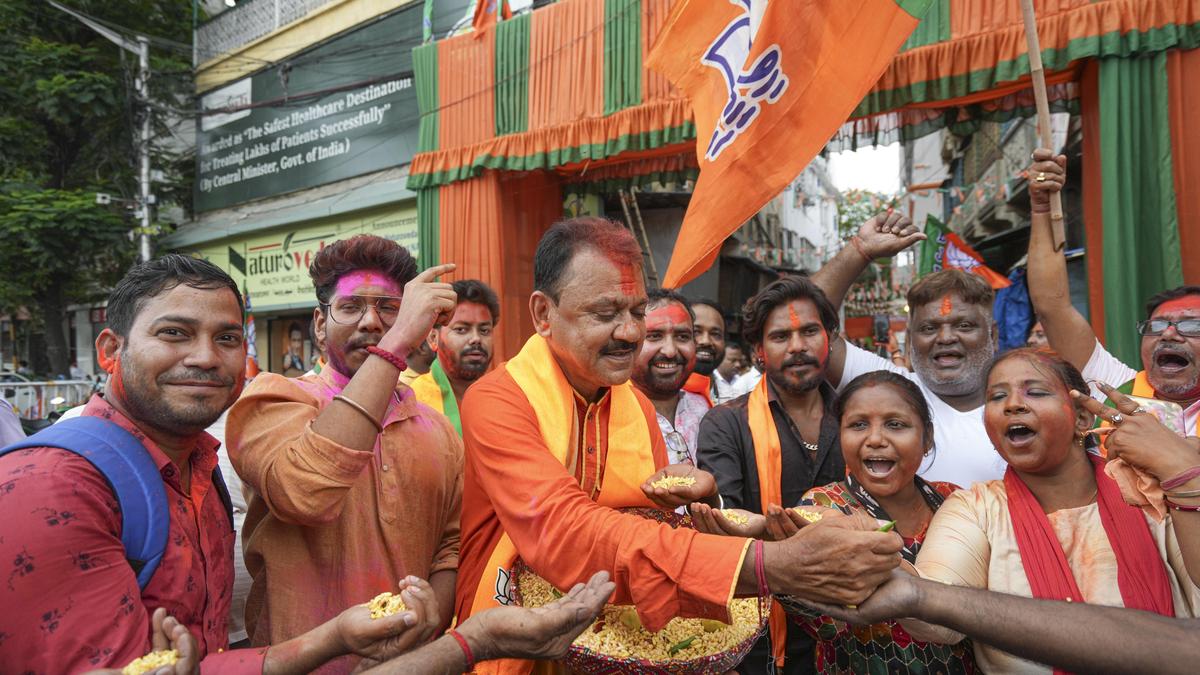
BJP Elevates Jhalmuri as Power Symbol in West
The BJP turns jhalmuri into political theatre in West Bengal, using the street snack as cultural symbolism to challenge Mamata Banerjee and stake a power claim.
India
Centre Pressures Bengal, Tamil Nadu on PM SH
The Centre presses West Bengal and Tamil Nadu to sign onto PM SHRI, tying education funds to compliance and reigniting a federalism clash over school policy.