Dela Rosa's Senate Refuge Amid ICC Warrant
Dela Rosa's Senate refuge highlights ICC's reach in the Philippines.
Model Diplomat3 min readAsia
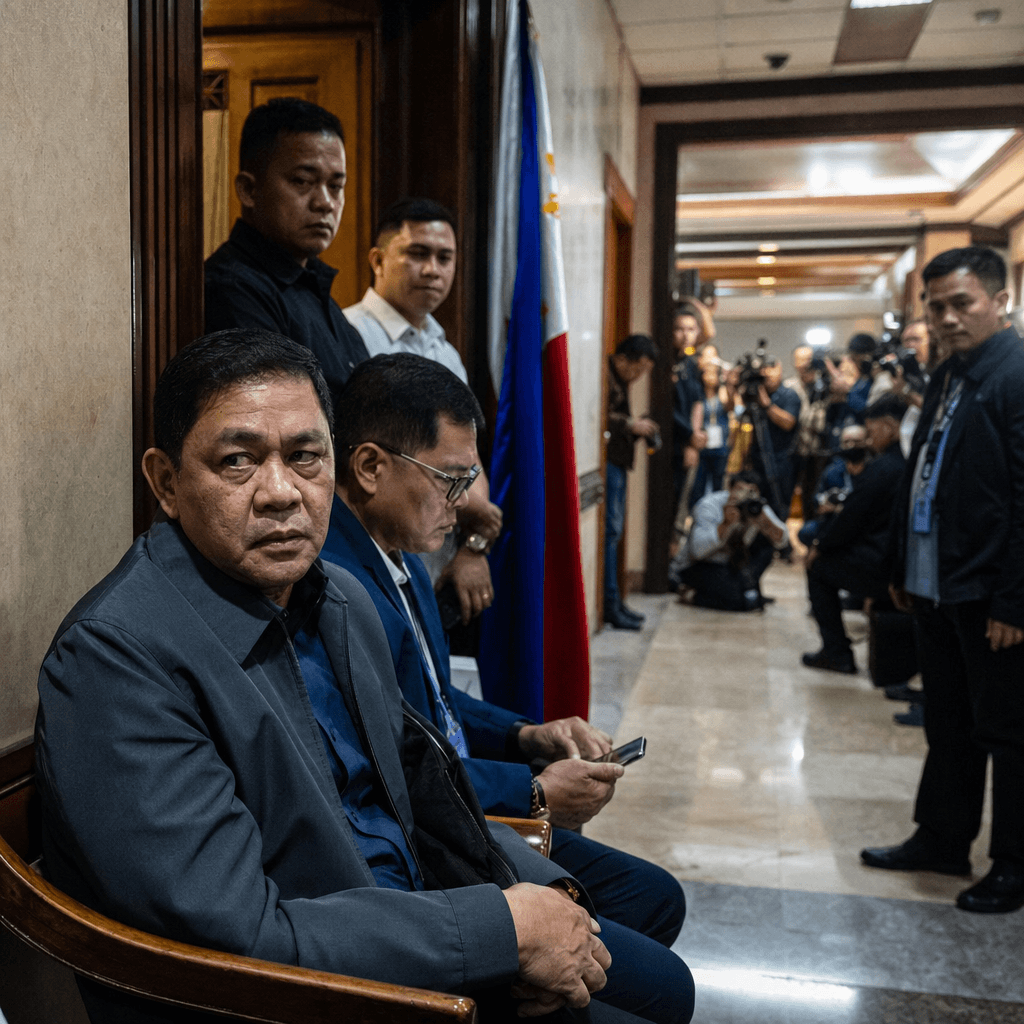
Duterte Ally’s Senate Shelter Shows ICC Pressure Point
Ronald Dela Rosa’s flight into the Philippine Senate exposes the weak link in the ICC case: Manila’s institutions can stall, but not erase, the Hague court’s reach.
Ronald Dela Rosa, the former Philippine national police chief and one of Rodrigo Duterte’s closest security enforcers, took refuge inside the Senate on Monday after the International Criminal Court unsealed a confidential arrest warrant tied to the drug war killings, Al Jazeera reported. The ICC said the warrant had been issued under seal on November 6, 2025, and charges Dela Rosa as an “indirect co-perpetrator” in the crime against humanity of murder for killings between July 2016 and April 2018 (Al Jazeera).
The power dynamic is straightforward: the ICC is trying to turn a political enforcer into a legal liability, while Duterte’s camp is using Philippine institutions to slow the handoff. Dela Rosa surfaced just long enough to help install Duterte ally Alan Peter Cayetano as Senate president, then disappeared into the chamber when National Bureau of Investigation agents arrived, according to Al Jazeera and the South China Morning Post’s Reuters-based report (South China Morning Post). Cayetano then placed the Senate on lockdown and said he would only honor an arrest order issued by a Philippine court, not an ICC demand on its own (
South China Morning Post).
Why this matters
This is bigger than one senator. Dela Rosa was not a symbolic ally; he was the operational head of Duterte’s anti-drug campaign from 2016 to 2018. If the ICC can pursue him, it reinforces the case that the drug war was not just a presidential excess but a chain of command with identifiable executors. That matters for Global Politics because it signals that international accountability pressure is now moving from former heads of state to the officials who made the system work.
It also puts Manila’s current leadership in a bind. Duterte was arrested and taken to The Hague in March 2025, and charges against him were confirmed in April 2026, showing the ICC is willing to push ahead even when a powerful domestic network resists (Al Jazeera). But enforcement still depends on local cooperation. If Philippine police or prosecutors hesitate, the ICC can deepen the political damage without immediately securing custody. If they move, Duterte’s camp loses one of its most important living shields.
The timing is awkward for the Duterte bloc. Dela Rosa’s reappearance came amid a Senate leadership shake-up that tightened Duterte-aligned control of the chamber, while Vice President Sara Duterte faced impeachment pressure in the lower house, according to Reuters reporting carried by the South China Morning Post (South China Morning Post). That means the drug war case is now colliding with succession politics, not sitting apart from them.
What to watch next
The next decision point is simple: whether the Philippine state treats the ICC warrant as politically toxic or operationally actionable. Watch for three things: whether the ICC fully unseals the warrant, whether the Justice Department or police acknowledge formal receipt, and whether Dela Rosa remains under Senate protection or is forced into open legal exposure. For now, the case is no longer about whether the Duterte era will be investigated. It is about how far the investigation can penetrate the institutions that still protect its architects.
Discover more

US Politics
House Ethics Committee Pushes Sexual Miscond.
The House Ethics Committee has shifted responsibility for sexual harassment settlement records to the Office of Congressional Workplace Rights, complicating disclosure efforts.
India
Women’s Reservation Bill 2026
The Constitution (131st Amendment) Bill, 2026 was defeated in Lok Sabha, revealing deeper political conflicts over women's reservation and delimitation.

Conflict & Security
Drone Warfare Killing Aid Workers at Unprec
Over 1,000 humanitarian workers killed in three years as cheap armed drones collapse legal protections. Gaza, Sudan, Ukraine, and DRC see deliberate targeting of aid convoys and hospitals with zero prosecutions.

Global
World Normalises Taliban as Afghan Women Eras
UN data shows Afghan women erased from public life as Russia recognises the Taliban, EU hosts officials in Brussels, and ICC warrants for gender persecution go unenforced.