

Diplomat Briefing
Trump Leaves Beijing With Pageantry, Promises, and No Paper Trail — G
·5 developments
For the complete documentation index, see llms.txt.Skip to main content
Every major crisis of 2026 — Iran, Ukraine, Taiwan, trade — is converging on a single question: whether China will use its leverage to stabilize the world or simply pocket it.
Trump concluded a two-day summit in Beijing on May 15, and the gap between what each side said happened is the story. Trump claimed Xi agreed to buy 200 Boeing jets, "billions in soybeans," US oil, and to help reopen the Strait of Hormuz. China's foreign ministry confirmed none of it — declining to comment on the Boeing order, staying silent on agricultural purchases, and conspicuously omitting any Hormuz commitment from its own readout. The one thing both sides agreed on formally: a new framing of "constructive strategic stability" to define the relationship for the next three years, and an invitation for Xi to visit the White House in September. Xi extracted the most valuable thing on offer — a sitting US president flying to Beijing, cap in hand, asking for help with a war Washington started — while committing to nothing in writing. The summit's most consequential moment was Xi's blunt warning in their first bilateral that mishandling Taiwan could push the two countries into "conflict," delivered just as Trump is weighing whether to sign off on a pending $11 billion arms package to Taipei that Congress has already approved.
BBC |
The Straits Times |
South China Morning Post
Tehran announced it will soon unveil a formal toll mechanism for Strait of Hormuz transit, a move that would effectively codify Iranian sovereignty over a waterway through which a fifth of the world's oil previously flowed. Iran's Parliament Speaker Ghalibaf declared the world "stands at the cusp of a new order." Trump, in response, warned Iran faces a "very bad time" if no deal is struck — but the core deadlock remains unresolved: Washington wants Iran's enriched uranium removed; Tehran demands war reparations, sanctions relief, and formal Hormuz sovereignty as preconditions to any talks. Iran's Foreign Minister Araghchi signaled openness to China brokering a solution, but Beijing has already signaled it will veto any US-backed UN Security Council resolution on Hormuz.
Russia killed 24 civilians in Kyiv this week — including three girls aged 12 and 15 — in a single barrage of 675 drones and 56 missiles, the largest attack since the full-scale invasion began. Ukraine's air defences downed 94% of the drones but only 73% of the missiles; a single Kh-101 cruise missile cut a nine-story apartment block in two. In retaliation, Ukraine launched over 500 drones overnight into Russia, killing three in the Moscow region and striking Ryazan's oil refinery — one of Russia's largest. The asymmetry is now structural: Russia can saturate Ukrainian missile defences because Kyiv is rationing interceptors, sometimes negotiating with allies for as few as 5–10 Patriot rounds at a time, while US attention remains fixed on Iran.
Taipei issued a rare public statement declaring itself "sovereign and independent" after Trump told Fox News he was "not looking to have somebody go independent" — a framing that tracks closer to Beijing's redline than any previous US administration. Taiwan's Foreign Ministry simultaneously insisted Washington's policy "remains unchanged," a message visibly aimed at domestic reassurance rather than Washington. The $11 billion Congressional arms package now serves as a litmus test: Trump's own "I haven't approved it yet — I may do it, I may not" leaves Taipei's deterrent posture contingent on a presidential whim, exactly the uncertainty Xi came to the summit to cultivate.
The BRICS foreign ministers' summit in New Delhi collapsed without a joint statement for the first time in the bloc's history, as the Iran war exposed an unbridgeable split: Iran and the UAE are now effectively at war inside the same multilateral forum. The UAE's Minister of State accused Iran of launching approximately 3,000 ballistic, cruise, and drone strikes against Gulf states; Iran's Araghchi accused an unnamed BRICS member of blocking its statement. India's chair summary papered over the divisions but the absence of consensus is itself the signal — the bloc's ambition to present a unified "Global South" alternative to Western institutions has been dealt a structural blow.
1,410 — Russian drones and missiles launched at Ukraine in a single 24-hour period on May 13–14, the largest single-day aerial assault of the war. Ukraine downed all but 56 drones and 15 missiles. BBC
2,951 — Lebanese civilians killed by Israeli strikes since the March 2 resumption of ground operations — even as Israel and Lebanon extended their ceasefire by another 45 days on May 16, with a security track due to begin May 29 at the Pentagon. Al Jazeera
A Confidential US Intelligence Report Finds China Gaining "Major Edge" Across Every Domain From the Iran War
The Washington Post reported this week on a classified US intelligence assessment concluding that China is systematically exploiting the US-Israel war on Iran to advance its position militarily, economically, and diplomatically — simultaneously absorbing discounted Iranian oil, deepening influence with Global South nations watching the US get bogged down, and positioning Xi as the indispensable broker that Washington must court. The report received almost no coverage amid the summit pageantry, but it is the analytical frame that explains every other story in today's briefing: why Xi let Trump fly to Beijing, why he gave nothing in writing, and why Trump came home calling it "incredible."
Diplomat Briefing — Daily political intelligence.
Read more:
Today's stories
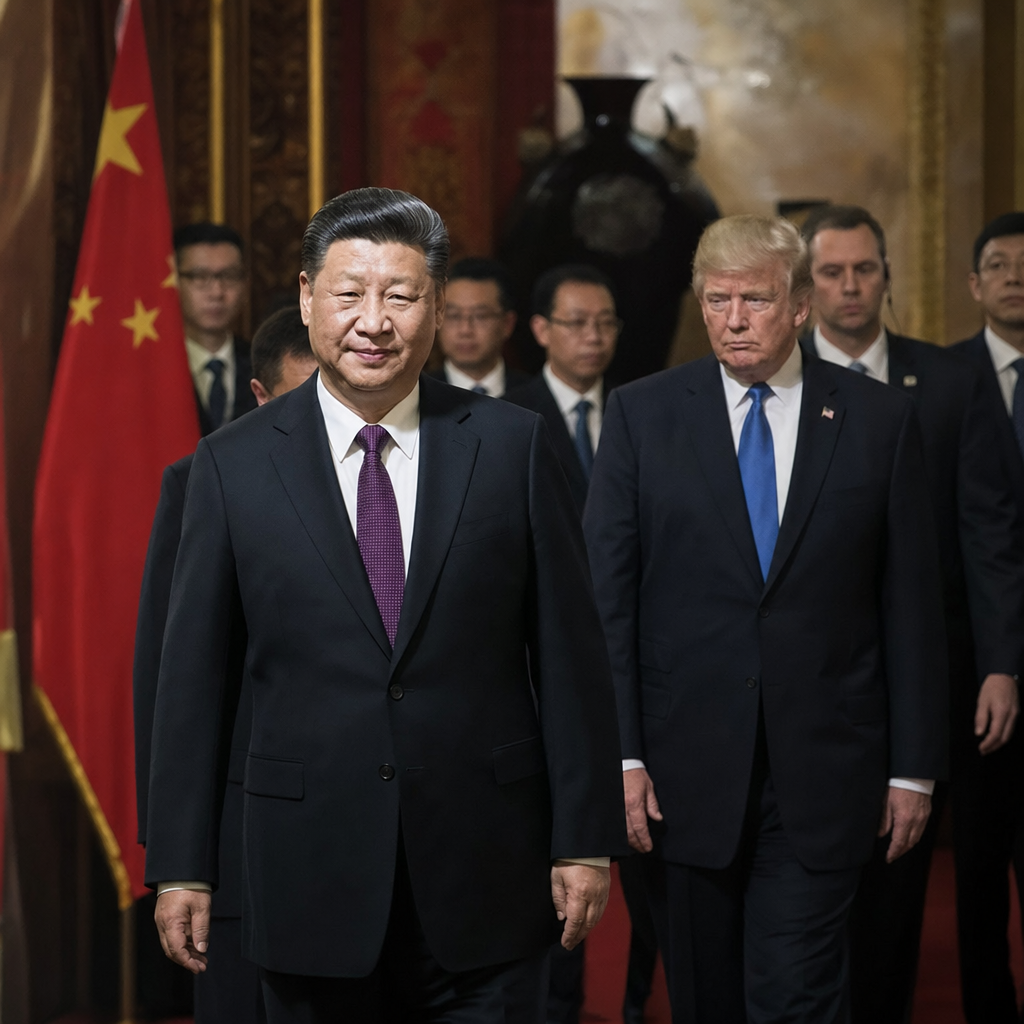
Trump's China visit reveals a power imbalance favoring Xi Jinping.
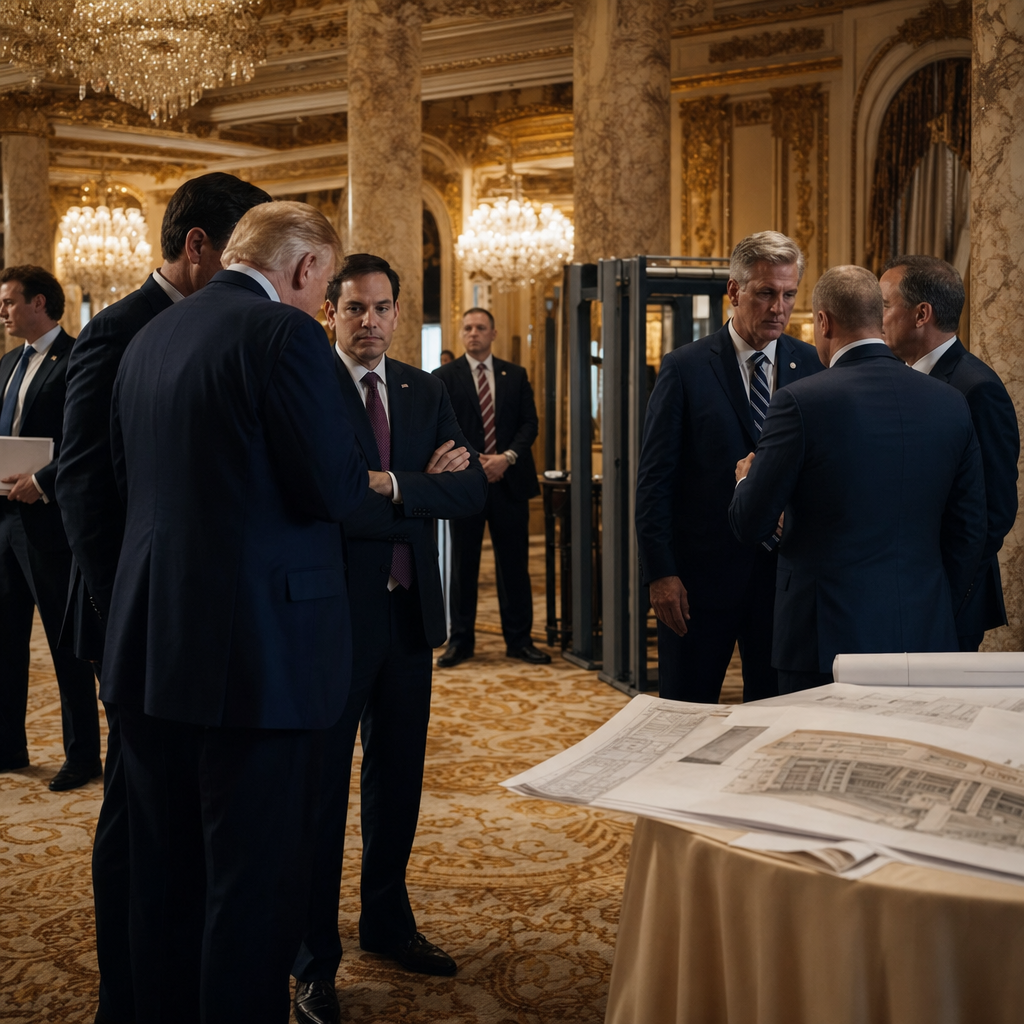
Republicans are divided over a $1 billion security request for Trump's ballroom.
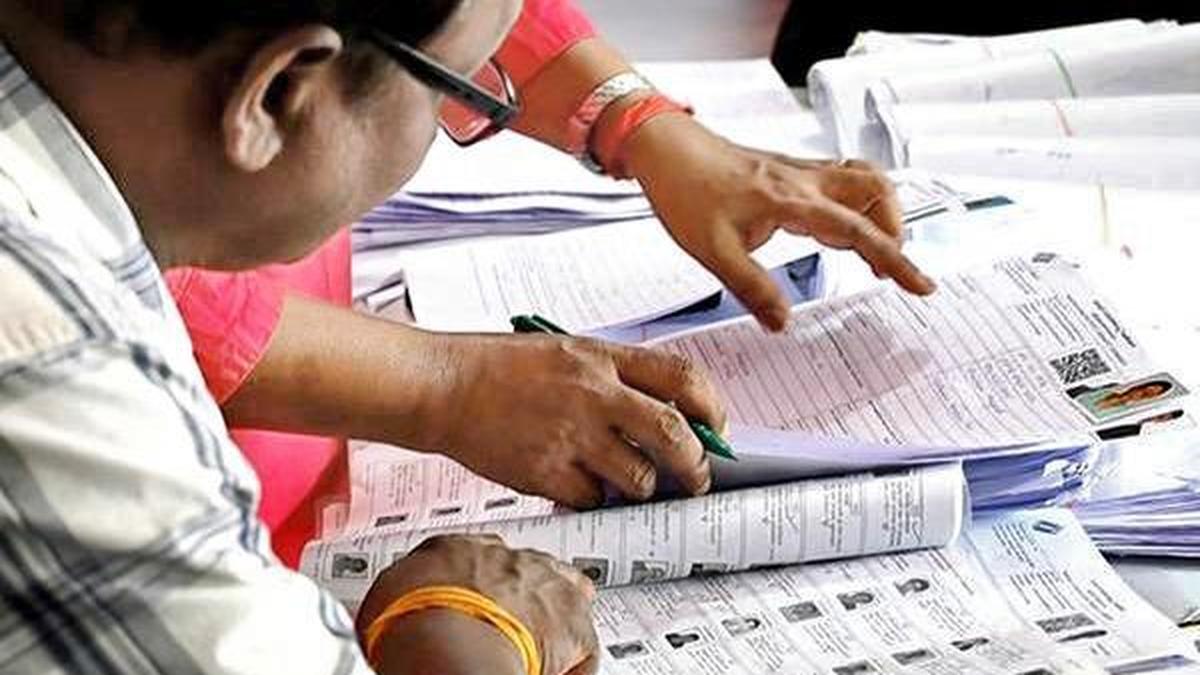
The ECI's voter roll clean-up reaches 22 states, but faces political and operational hurdles.
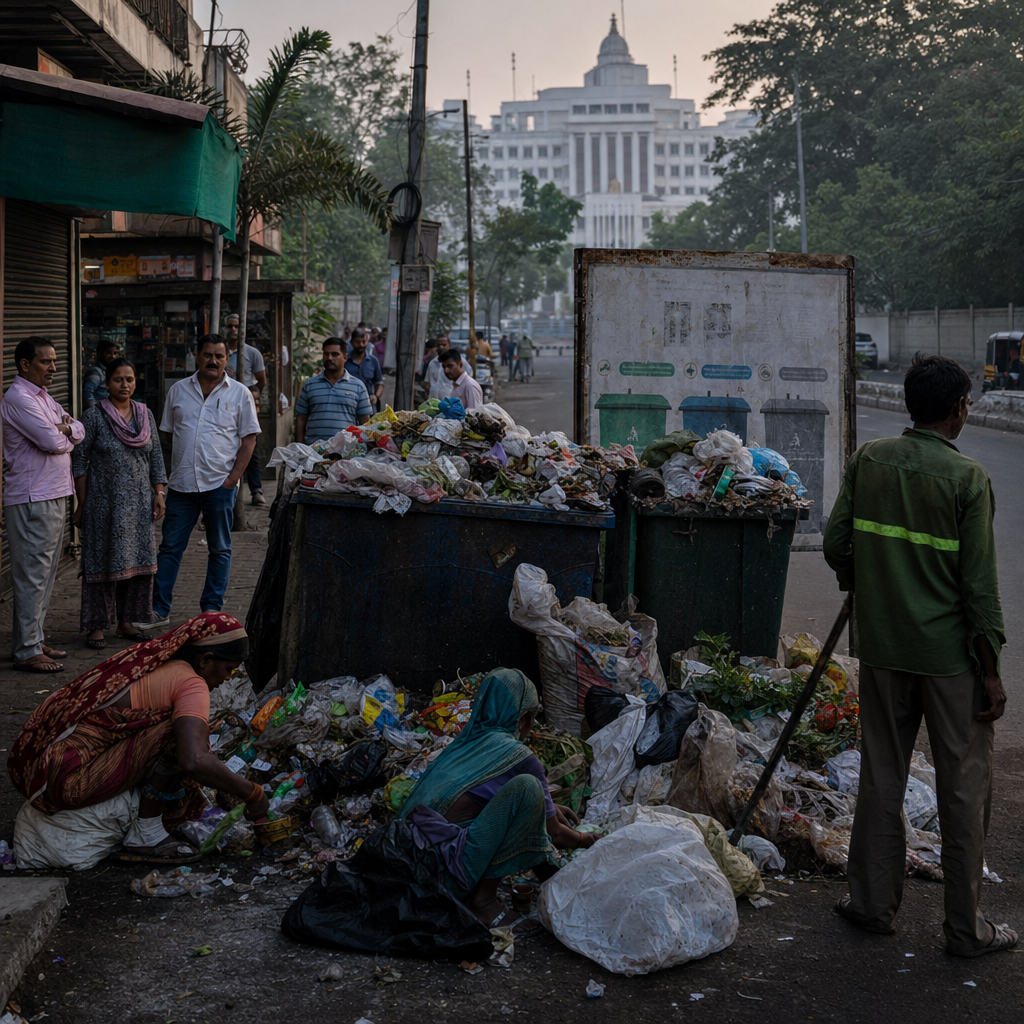
India's new waste management rules risk failing due to lack of local support.
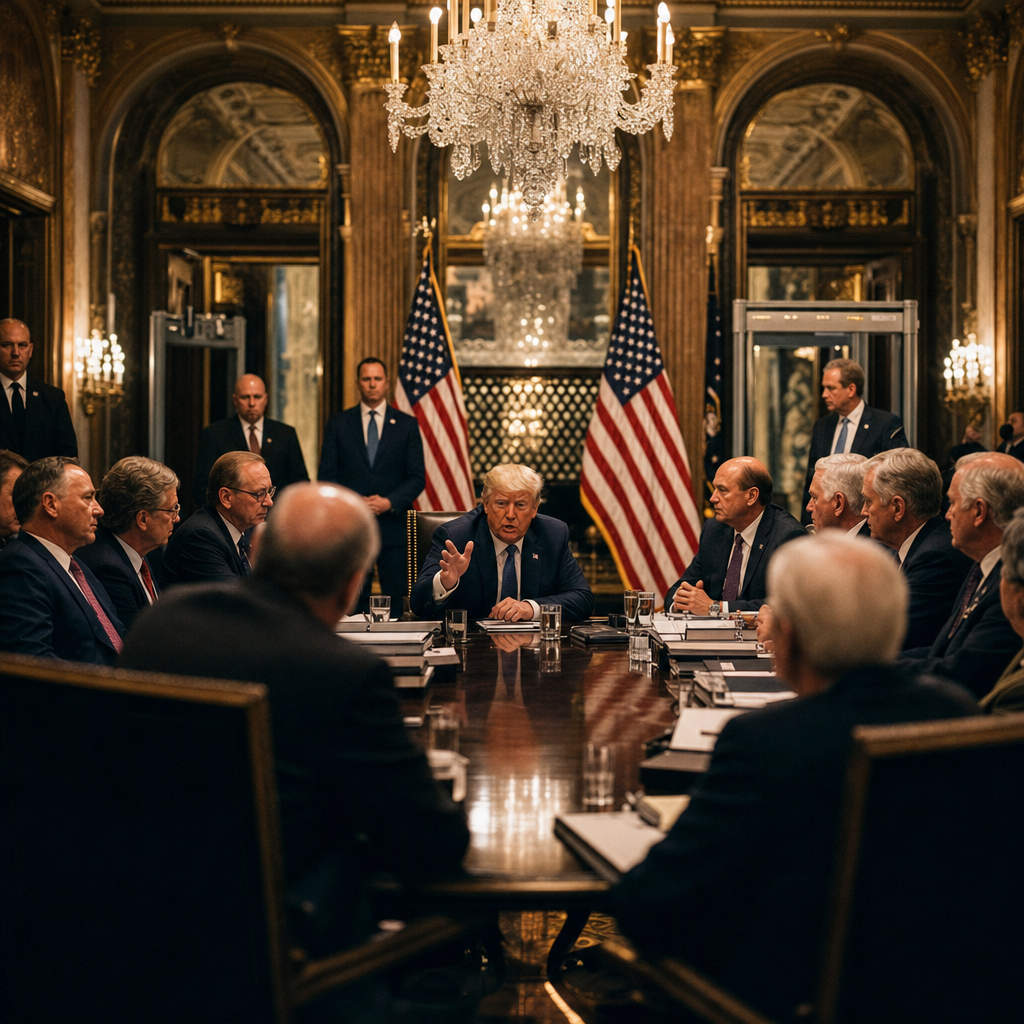
Senate GOP leaders push for $1 billion in security funding for Trump.