

Diplomat Briefing
Iran War Escalates with Drone Strike on UAE Nuclear Plant — Global —
·5 developments
For the complete documentation index, see llms.txt.Skip to main content
Three simultaneous conflicts — Iran, Ukraine, and the Taiwan Strait — are converging toward decision points that Washington cannot manage one at a time.
A drone struck the perimeter of the UAE's Barakah nuclear power plant Saturday, sparking a fire and triggering emergency diesel generators — the IAEA called it a "dangerous escalation." No group claimed responsibility, but the UAE and US have pointed to Iran, which has launched an estimated 3,000 attacks on the Emirates since the war began February 28. The strike arrives precisely as Pakistan-mediated talks between Washington and Tehran are at their most fragile point: Trump told Truth Social Iran must move "FAST or there won't be anything left of them," while Tehran insists Washington make concrete concessions — including reparations, a halt to the naval blockade, and formal sovereignty over the Strait of Hormuz. Reports indicate the US and Israel are weighing strikes on Iranian energy infrastructure. The two sides' published demands remain categorically incompatible, and the April ceasefire is barely functioning.
NPR / Associated Press |
BBC News |
Al Jazeera
Taiwan's President Lai Ching-te issued his first direct response to the Trump-Xi summit, flatly rejecting the frame that any "Taiwan independence issue" exists and reaffirming the island is "a sovereign and independent democratic country." The core damage: Trump openly questioned why the US would "travel 9,500 miles to fight a war" and said he had made "no commitment either way" on a pending $11 billion arms package — language Beijing's foreign minister immediately characterized as tacit acceptance of China's position. Rubio said US policy is "unchanged," but the gap between the Secretary of State and the president is now visible to Taipei, Beijing, and every US treaty ally in the Pacific.
BBC News |
The Hindu |
The Washington Post
Russia launched 200+ drones at Ukraine overnight May 11–12, ending a US-brokered three-day ceasefire that overlapped with Moscow's Victory Day. The Kremlin confirmed the resumption, while Putin separately signalled the war was "heading toward an end" — a statement the Kremlin itself walked back hours later as having "no specifics." Ukraine-Russia peace talks remain effectively frozen, sidelined by the Iran crisis, and Trump has warned he could "back away" entirely if the parties don't move — a threat Moscow would welcome given Russia's resource advantage over a US-unsupported Ukraine.
Al Jazeera |
France24 |
The Guardian
India's foreign ministers' summit — the first BRICS gathering since the war broke out — ended without a joint statement, a rare public failure for a bloc that prizes consensus. Iran and the UAE, both BRICS members, are in open conflict: Iran demanded member states condemn US-Israeli "violations of international law"; the UAE's representative replied that Iran had launched ~3,000 attacks on Gulf states. India, holding the chair, could paper over nothing. The episode illustrates how the war is not just a Middle East crisis but a structural stress test for every multilateral format that contains both belligerents and their targets.
The Treasury Department let expire a general license that had allowed India and others to purchase Russian seaborne oil — a waiver extended precisely because Iran's Strait of Hormuz closure sent global energy prices surging. Treasury Secretary Scott Bessent declined to renew it. The decision simultaneously squeezes Russia's war revenues and tightens global oil supply at the worst possible moment, with the Strait still closed. Senators Shaheen and Warren had pushed against renewal; the administration chose geopolitical signalling over price relief.
Day 80 — Duration of the US-Israeli war on Iran. The April ceasefire remains in place but is functionally contested on multiple fronts: Lebanon, the Strait of Hormuz, and now the UAE's nuclear infrastructure. Al Jazeera
~20% — Share of global oil and LNG that transited the Strait of Hormuz before Iran's effective closure. The disruption has sent energy prices soaring from Washington to Tokyo. NPR
200+ — Russian drones launched at Ukraine in a single overnight wave after the Victory Day ceasefire expired on May 11. Al Jazeera
India-Pakistan: One Year On, and the Conflict Is Still Reshaping Asia
One year after their four-day military clash, India and Pakistan have restored no diplomatic ties, severed trade, suspended cricket, and left the Indus Waters Treaty in abeyance. The story that should be louder: Pakistan's emergence as the indispensable Iran-war mediator has given Islamabad a geopolitical relevance it hadn't held in years — and injected new unpredictability into Washington-Delhi relations that India is quietly managing by rebalancing toward the EU, China, and away from Washington. The threshold for future India-Pakistan escalation is now lower, not higher. That is the structural consequence of a four-day war most editors moved on from.
Diplomat Briefing — Daily political intelligence.
Read more:
Today's stories
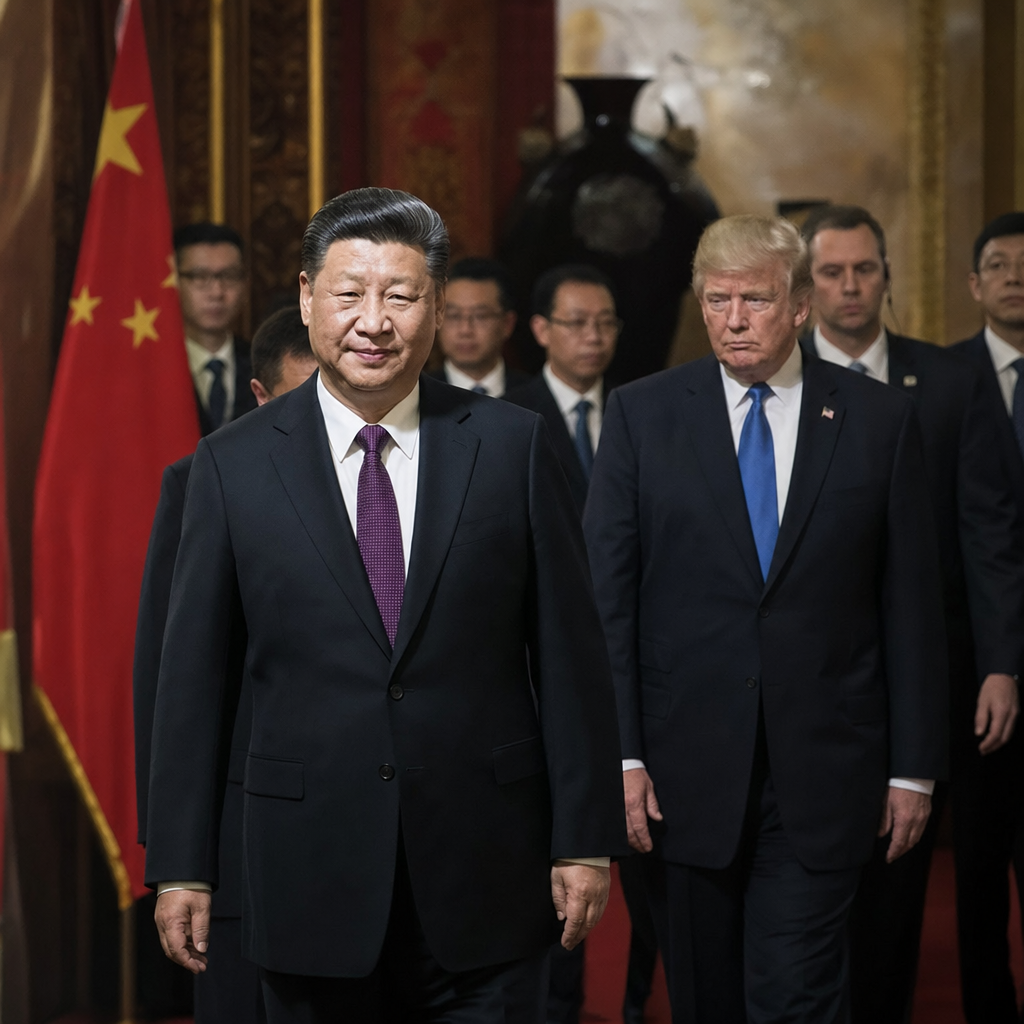
Trump's China visit reveals a power imbalance favoring Xi Jinping.
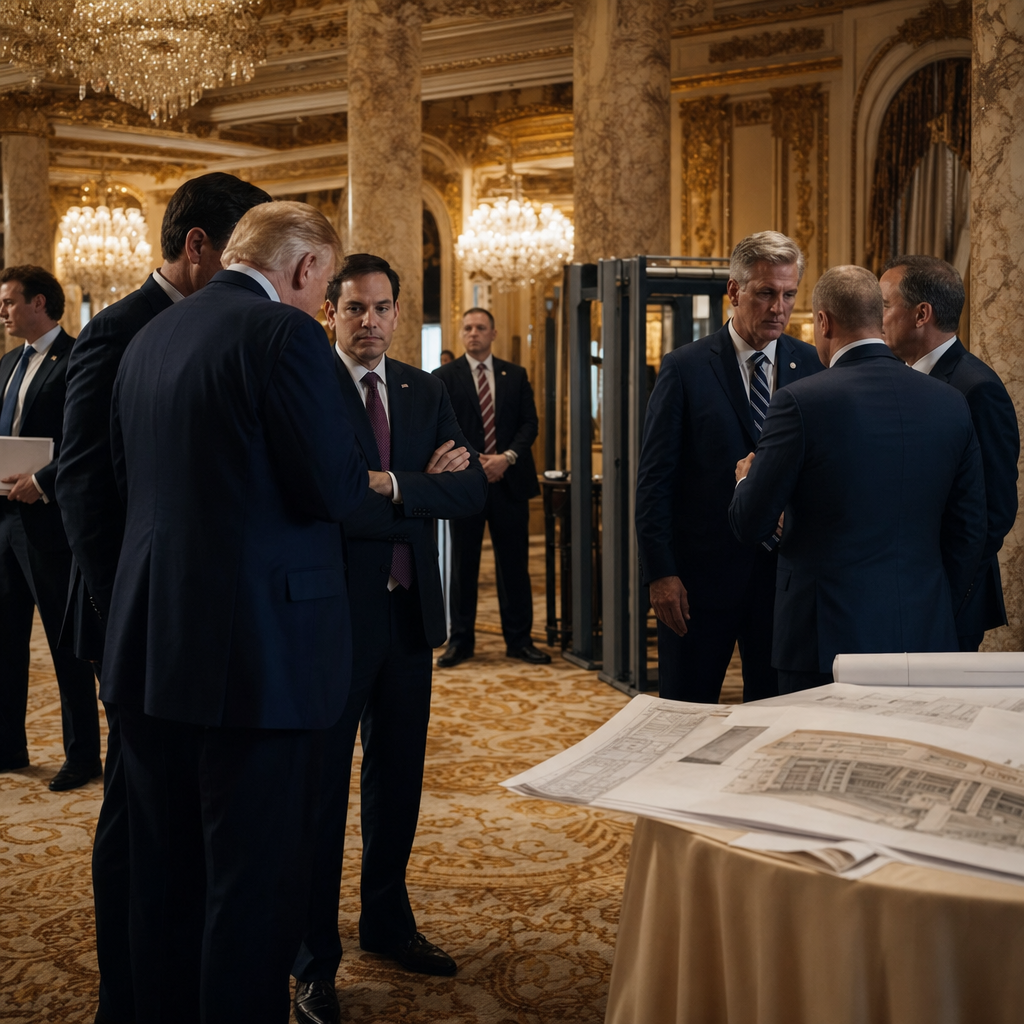
Republicans are divided over a $1 billion security request for Trump's ballroom.
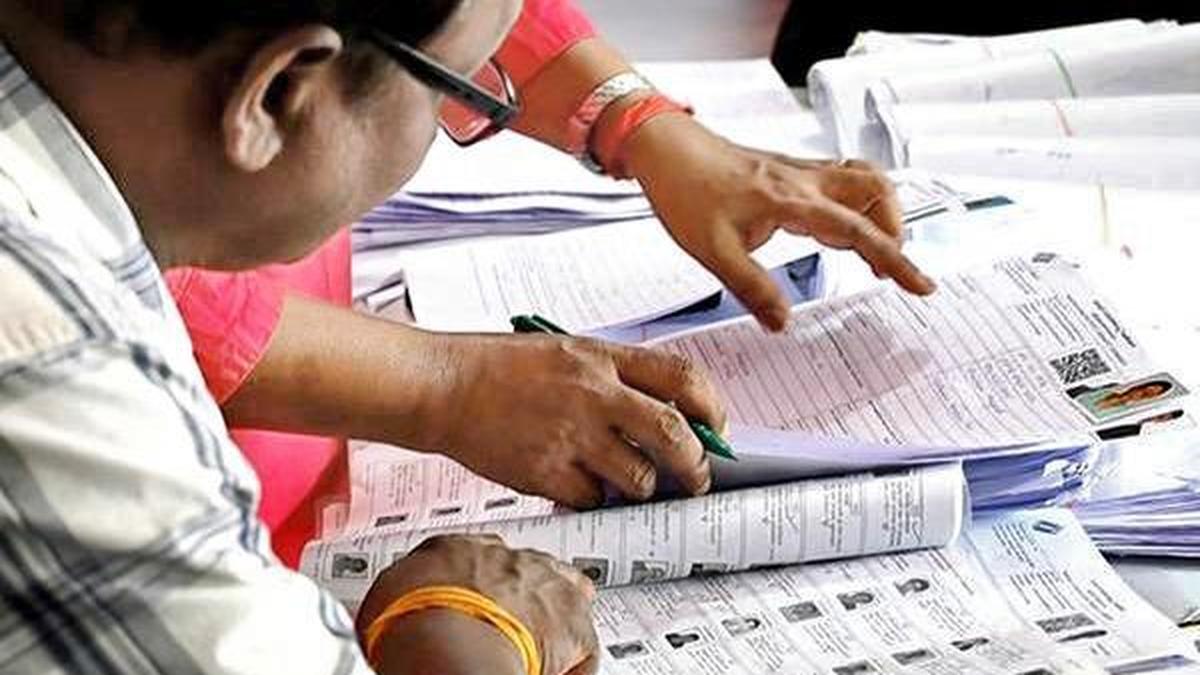
The ECI's voter roll clean-up reaches 22 states, but faces political and operational hurdles.
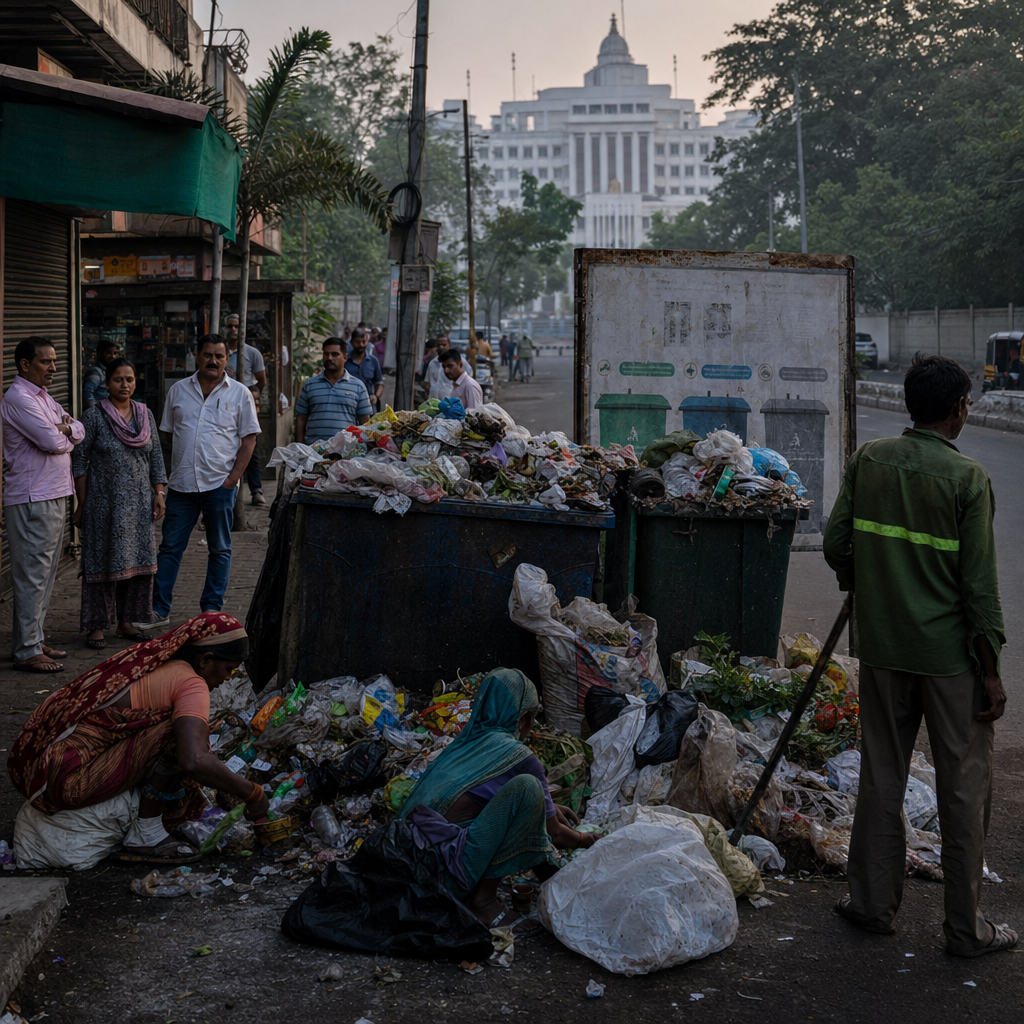
India's new waste management rules risk failing due to lack of local support.
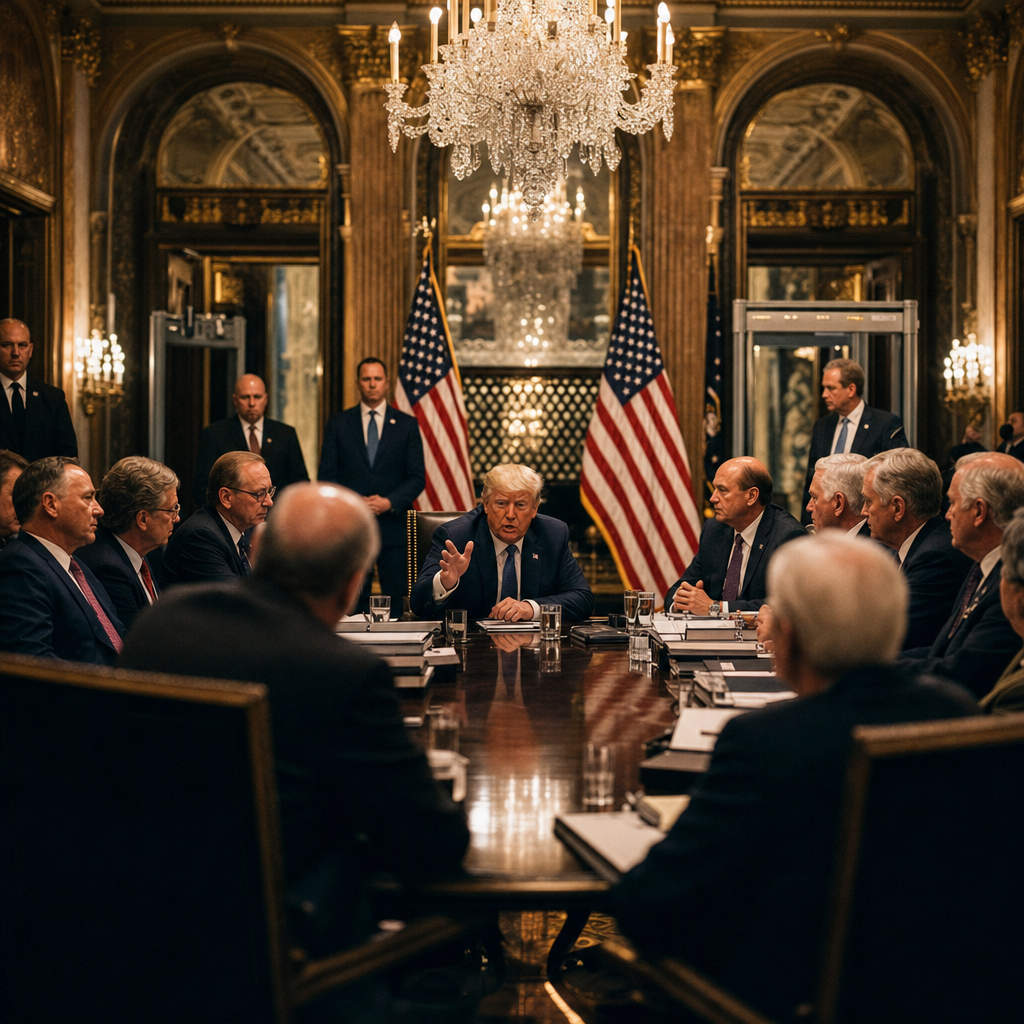
Senate GOP leaders push for $1 billion in security funding for Trump.