

Diplomat Briefing
Trump Stands Down From Iran Strike — Global Politics Briefing, May 19,
·5 developments
For the complete documentation index, see llms.txt.Skip to main content
Five capitals are triangulating around the same question today: who blinks first in the Middle East — and what Beijing does next determines the answer on every other front.
Trump announced on Truth Social overnight that he has cancelled a planned military strike on Iran scheduled for today — Day 81 of the US-Israel war — citing direct requests from Qatar's Emir Tamim bin Hamad, Saudi Crown Prince Mohammed bin Salman, and UAE leadership, who told him a deal was "very close." He simultaneously instructed Defense Secretary Hegseth and Chairman of the Joint Chiefs General Daniel Caine to keep the military "prepared to go forward with a full, large scale assault of Iran, on a moment's notice." Tehran's response — delivered through Pakistani mediators — was defiant: President Pezeshkian said "dialogue does not mean surrender," while the IRGC announced it may impose permit requirements on fibre-optic cables passing through the Strait of Hormuz, a new pressure lever on top of the effective oil closure already driving global energy prices higher. The core deadlock remains structural: Washington demands Iran dismantle nuclear facilities at Natanz, Isfahan, and Fordow and transfer ~400kg of 60%-enriched uranium abroad; Tehran demands ceasefire on all fronts, US naval blockade lifted, and war reparations — before nuclear talks even begin. The Gulf states, caught between Iranian missile fire and Hormuz-driven fuel costs, are now the swing actors.
Al Jazeera — Iran war day 81 |
BBC News |
Washington Post
Putin arrives in China today for a two-day summit with Xi Jinping — his first foreign visit of 2026 and the second Putin-Xi face-to-face in under a year, following hard on Trump's own Beijing trip last week. The centrepiece of the talks is the Power of Siberia 2 gas pipeline deal, stalled for years on pricing; Moscow is betting that Iran-driven energy market disruption has finally given China an incentive to sign. But a serious irritant arrived first: a Russian drone struck the Chinese-owned cargo ship KSL Deyang in the Black Sea off Odesa on Monday — hours before Putin's departure — prompting Zelenskyy to pointedly note Moscow "could not have been unaware of what vessel was at sea." No Chinese crew members were wounded, but the optics — Russia hitting Chinese nationals en route to its key strategic partner — hand Xi a quiet piece of leverage at the summit table.
Al Jazeera — Russian drone hits Chinese ship |
Japan Times — Putin aims to unlock gas pipeline |
South China Morning Post
Taiwan President Lai Ching-te issued his first formal response to the Trump-Xi Beijing summit, rejecting any independence framing while insisting "Taiwan, the Republic of China, is a sovereign and independent democratic country." The move was prompted by Trump, who on his return from Beijing told Fox News he wasn't "looking to have somebody go independent" — a formulation that alarmed Taipei. Trump also left open the question of a $14bn arms sale to Taiwan, saying he'd "decide" — and pointedly noting he'd discussed it "in great detail" with Xi — marking a departure from the 1982 US commitment not to consult Beijing on arms transfers to the island.
BBC News — Taiwan will not provoke conflict
Belarusian and Russian forces began joint nuclear-weapons combat exercises on Monday, with Minsk framing them as routine training "not directed at any specific third party." Ukraine's Foreign Ministry called it turning Belarus into a "nuclear staging ground near NATO borders" and urged Western allies to tighten sanctions on both Moscow and Minsk. The exercises follow Ukraine's largest-ever drone barrage on Moscow over the weekend — killing at least five people — and come as Zelenskyy warns intelligence suggests Russia is considering a second northern front from Belarusian territory, potentially threatening the Baltic states.
Al Jazeera — Belarus nuclear drills
British Prime Minister Keir Starmer, facing calls for his resignation from up to 30 Labour MPs after Friday's local election losses, appointed former PM Gordon Brown as a special envoy on global finance and Baroness Harman as a party adviser. A major policy reset speech is planned for next week alongside the King's Speech — which outlined 37 bills including British Steel nationalisation, a European Partnership Bill to fast-track EU agreements, and nuclear energy streamlining. The political math is uncomfortable: Starmer is governing with an agenda but not authority, using familiar faces to buy time.
BBC News — Starmer appoints Gordon Brown |
BBC News — King's Speech key measures
$245bn — Russia-China annual bilateral trade (2024 figure, Mercator Institute for China Studies). Moscow depends on Beijing for economic oxygen under sanctions; Beijing depends on Russian oil, gas, and coal as Hormuz remains closed. The Power of Siberia 2 negotiations this week are about locking in that dependency long-term. Al Jazeera
37% — Trump's job approval rating (NYT/Siena poll published Monday), as the Iran war becomes a domestic liability with November midterms on the horizon. The Gulf states read that poll too. BBC News
3,020 — Lebanese civilians killed since Israeli strikes began March 2, per Lebanon's Health Ministry as of May 18 — a US-backed ceasefire extension notwithstanding. Al Jazeera — Renewed Israeli attacks kill 7 in Lebanon
Israel May Be Facing a Coalition Collapse — Separately From the War
While the Middle East war dominates headlines, Netanyahu's governing coalition is on the brink of collapse over an entirely domestic fight: the ultra-Orthodox military draft. The Degel HaTorah faction publicly declared "we have no trust in Netanyahu anymore" after he refused to advance draft-exemption legislation, calling for parliament to dissolve. A dissolution vote is scheduled for next week with elections potentially as early as September. Former PM Naftali Bennett — running with centrist Yair Lapid — leads in polls. If elections are called, Netanyahu remains as caretaker PM through wartime — simultaneously fighting Iran, managing Gaza, and running a re-election campaign. The constitutional and strategic implications of a wartime Israeli election have received almost no coverage outside Israeli media.
NPR — Israel's government could collapse over ultra-Orthodox military draft
Diplomat Briefing — Daily political intelligence.
Read more:
Today's stories
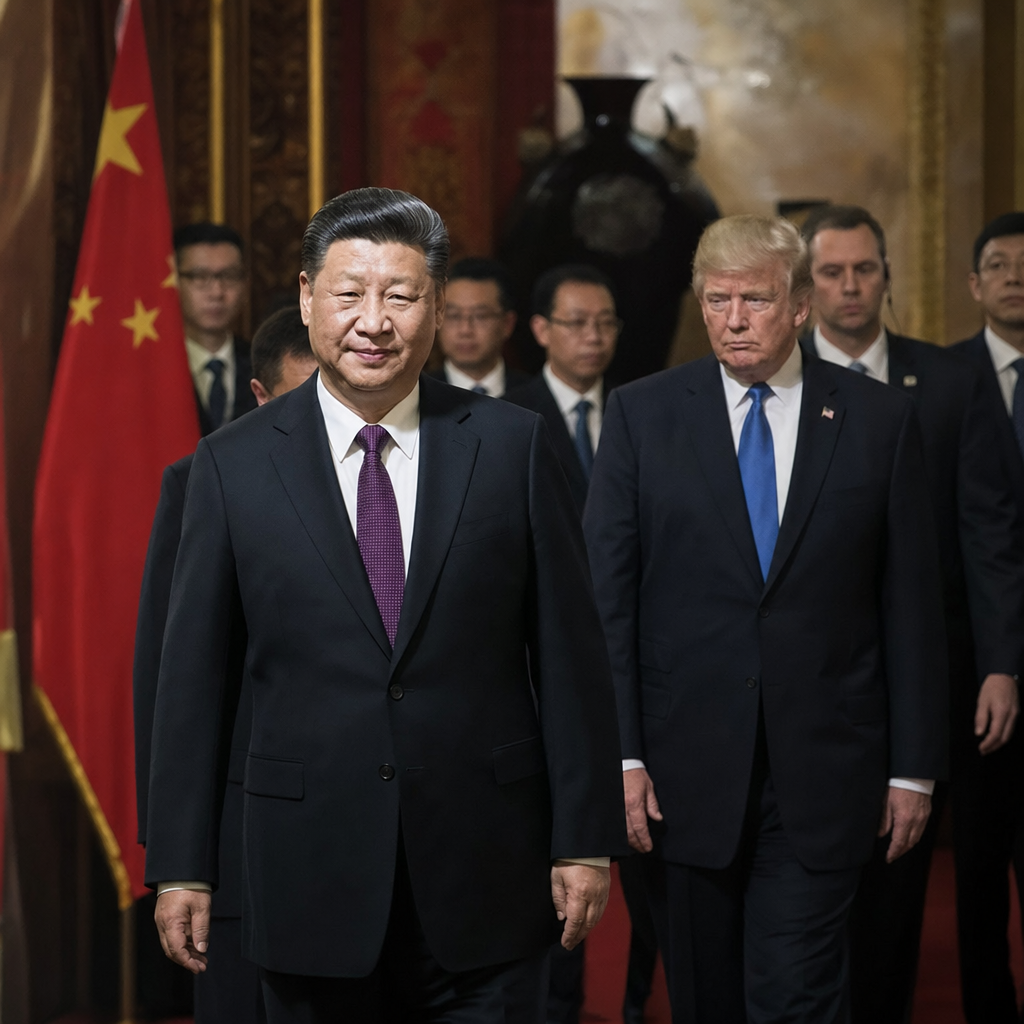
Trump's China visit reveals a power imbalance favoring Xi Jinping.
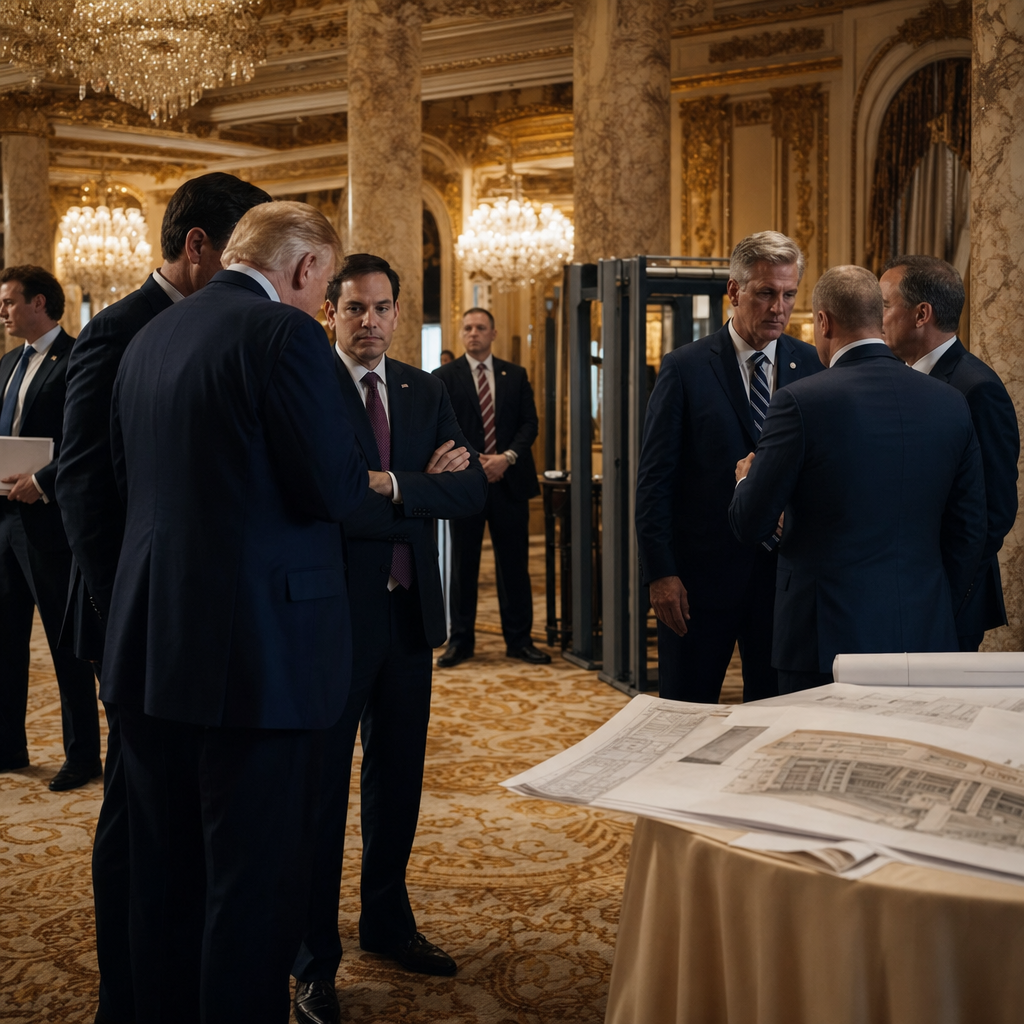
Republicans are divided over a $1 billion security request for Trump's ballroom.
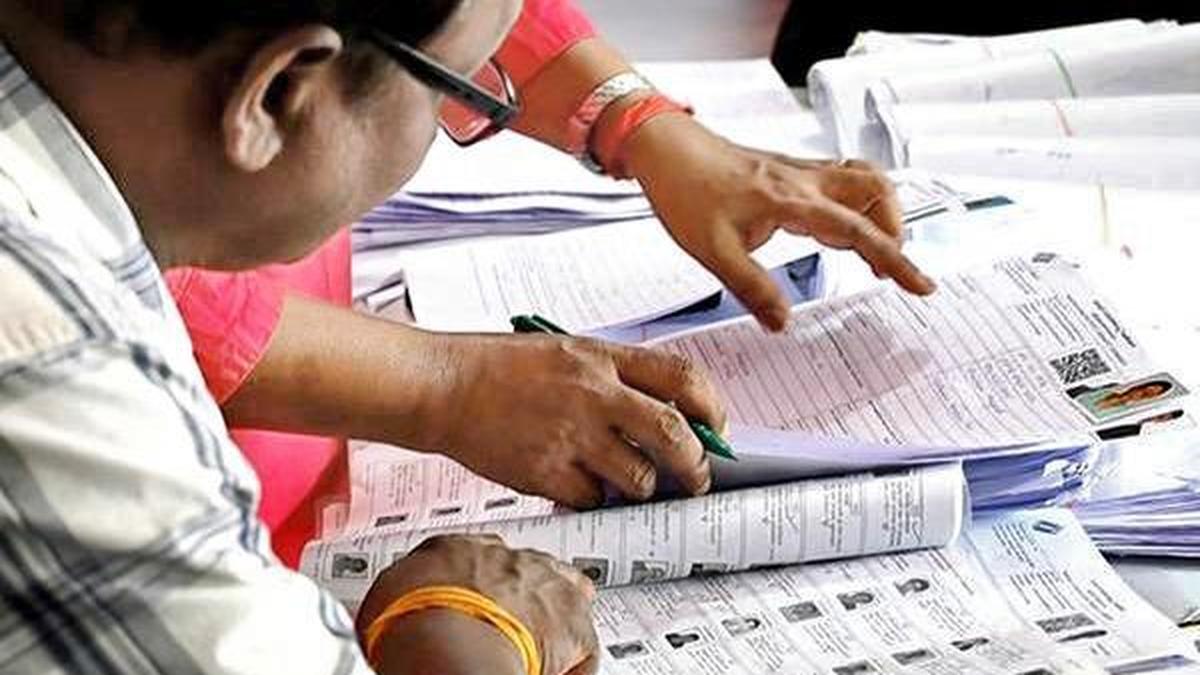
The ECI's voter roll clean-up reaches 22 states, but faces political and operational hurdles.
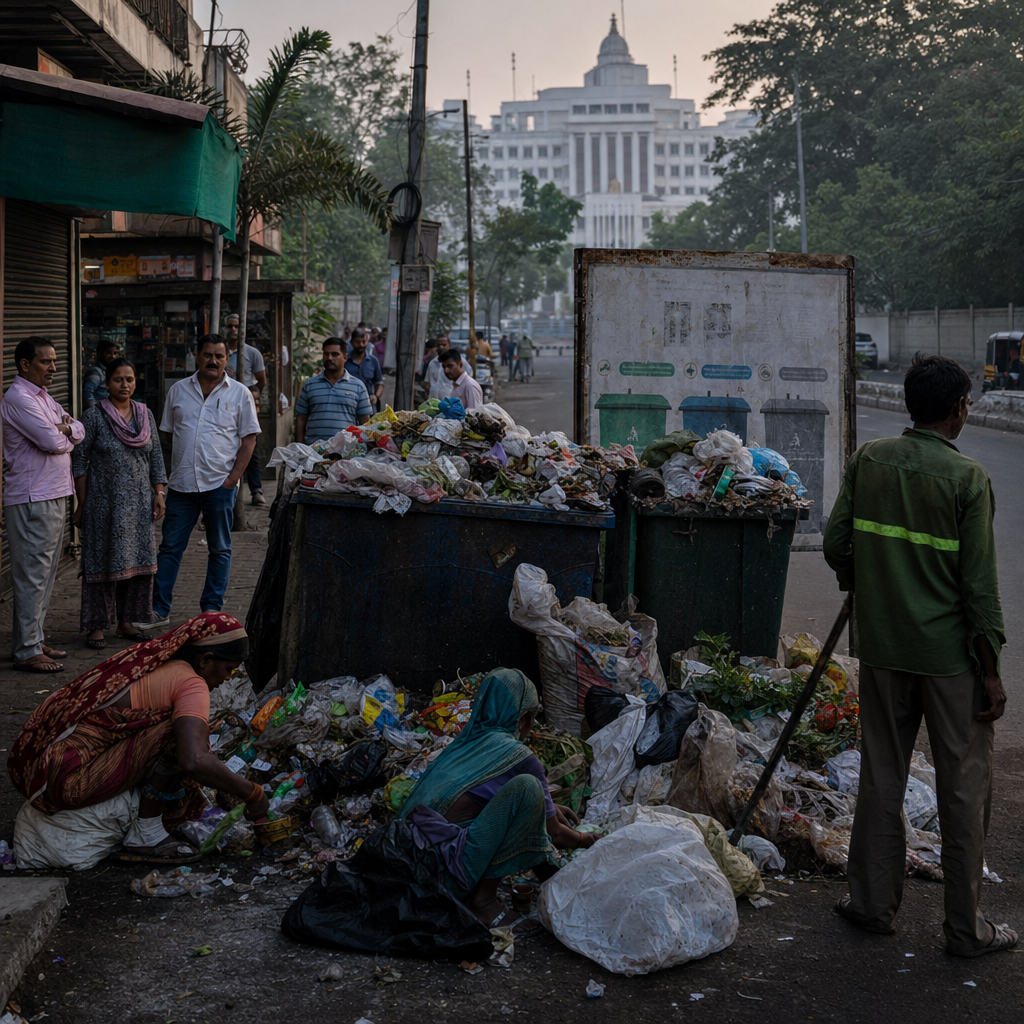
India's new waste management rules risk failing due to lack of local support.
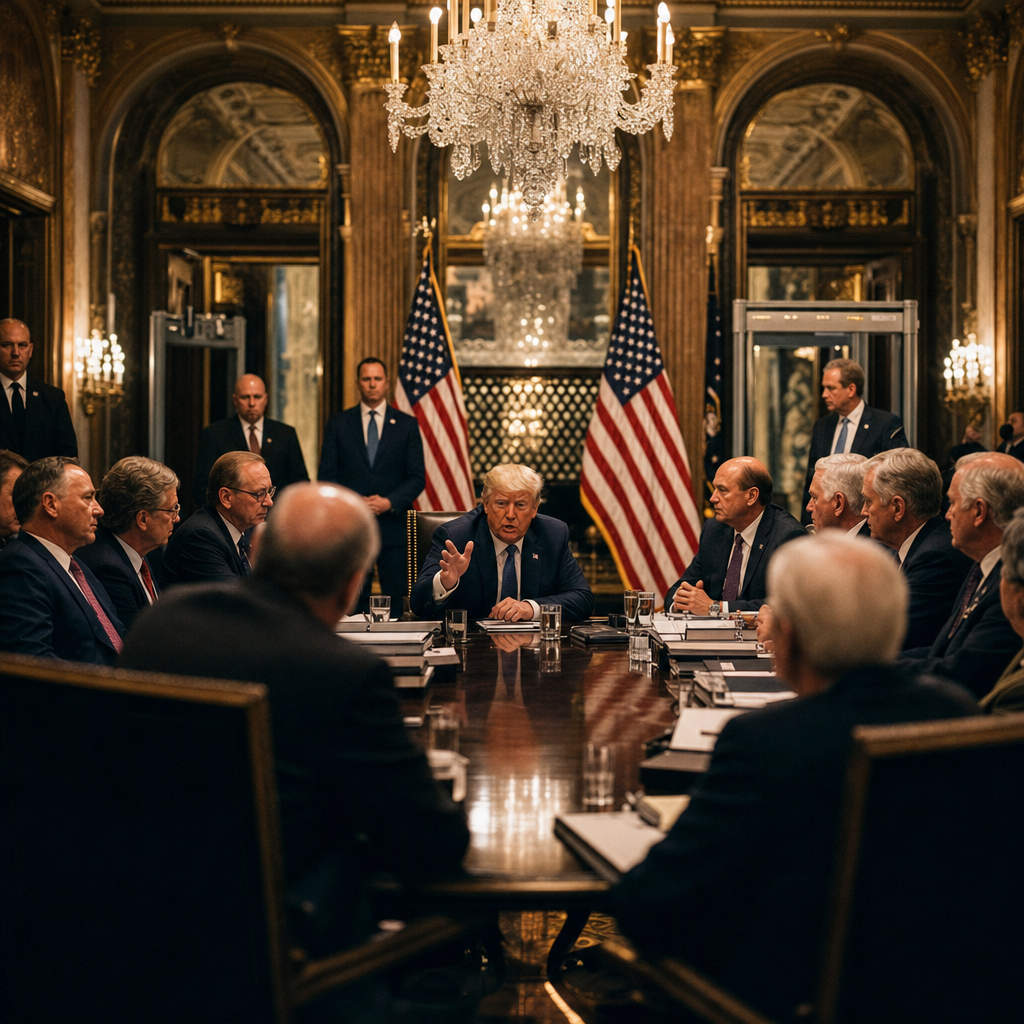
Senate GOP leaders push for $1 billion in security funding for Trump.