India's Waste Management Rules: Challenges
Supreme Court's push may deepen the implementation gap.
Model Diplomat3 min readAsia
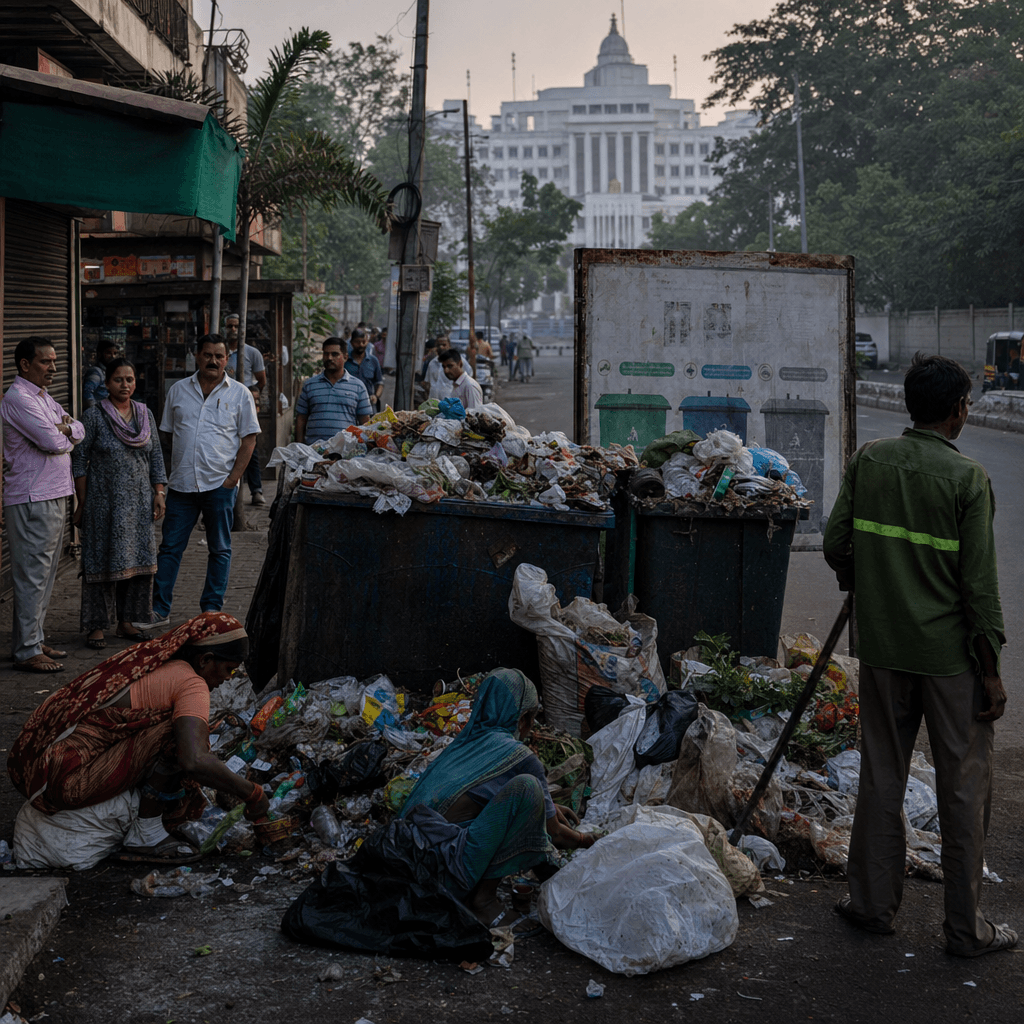
India’s waste rules hit a federal wall
The Centre can write the rules, but states and cities must make them work. That is why the Supreme Court’s push for collectors may deepen, not solve, the implementation gap.
The real power struggle in India’s waste overhaul is not about technology; it is about control. The new Solid Waste Management Rules, 2026, came into force on April 1, but The Hindu argues they still reflect a top-down mindset that blurs accountability and overloads local bodies with reporting duties they are not resourced to meet. That matters because waste collection, segregation, transport and landfill remediation are municipal functions in practice, even when the legal framework sits with the Union under the Environment (Protection) Act, 1986 and Article 253. The Centre has the legal reach; it does not automatically have the administrative muscle.
The Centre is asserting leverage
The immediate leverage now sits with the judiciary and the Union. In a May 5 order reported by The Hindu, the Supreme Court directed the Ministry of Environment, Forest and Climate Change to delegate powers under Section 5 of the Environment Protection Act to District Collectors for one year so they can supervise and enforce the rules within their districts. The court also pushed for special cells, virtual inspections, and even disconnection of water and electricity for some violators.
That is a strong centralizing move dressed as enforcement. It gives New Delhi and the court a clearer chain of command, but it also risks turning a governance problem into a compliance exercise. If collectors are told to police waste without predictable finance, local discretion, or staffing, the result is likely to be more reports, more notices, and more litigation — not cleaner streets.
Why federal design matters more than tougher language
This is not a case where stronger rules automatically mean better outcomes. The Wire notes that the 2026 rulebook expands responsibilities across the waste chain and adds an “implementation framework,” but still leans heavily on portals, annual reports and committee structures.
Down To Earth reaches the same conclusion from another angle: success depends on whether the new rules can work amid overlapping mandates, weak local capacity and India’s huge informal waste sector.
That is the core policy fault line. The Union can set minimum standards and digital monitoring. But segregation at source, collection contracts, processing plants and dump remediation all depend on state finances and municipal execution. If the system treats states as mere implementers, it will produce the same familiar outcome: central design, local evasion, judicial supervision. The likely losers are urban local bodies, which will be blamed for non-compliance without being given either the money or autonomy to comply.
What to watch next
The next decision point is whether the Centre actually delegates meaningful authority to collectors and whether states back the rules with cash, staffing and revised bye-laws. Also watch for the first wave of contempt-style or PIL-driven litigation over non-implementation; once that begins, the issue will move from environmental reform to continuing mandamus.
The bigger test is political, not legal. If Delhi wants cleaner cities, it must accept that waste management is a shared federal task, not a decree from the top. Until then, the new rules will sit where India often leaves difficult governance problems: in the gap between ambition and capacity.
Discover more
India
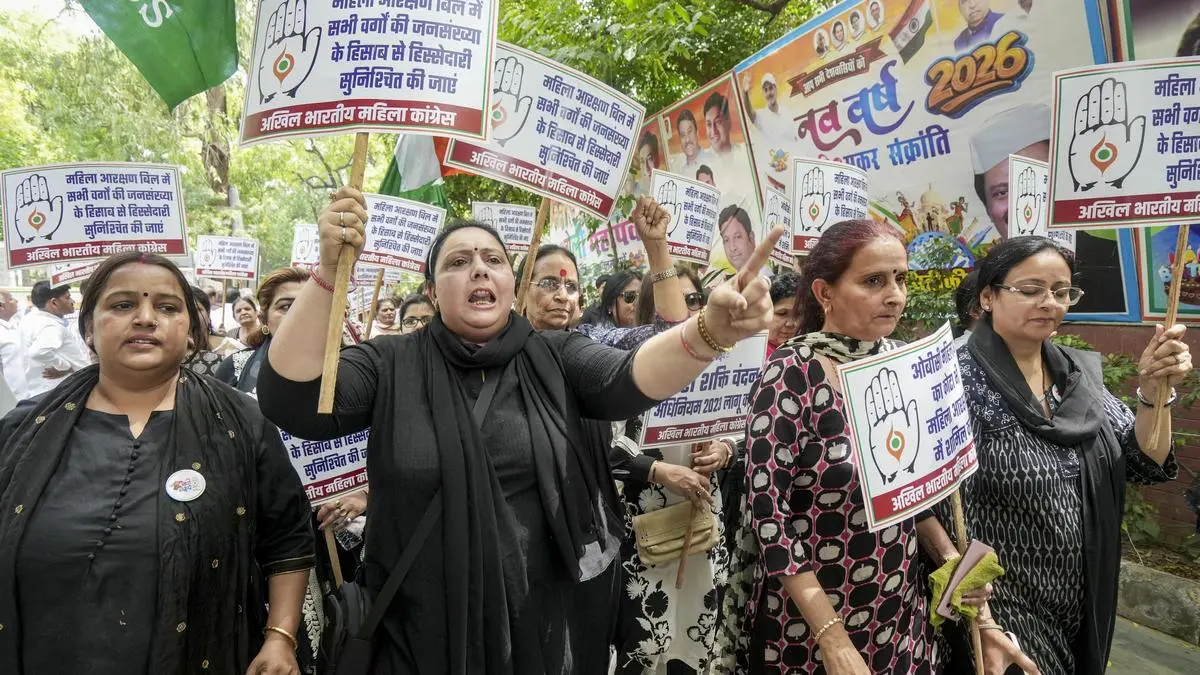
BJP's Misunderstanding of Women's Quota Needs
The BJP's linking of the Women Reservation Bill to delimitation risks delaying women's empowerment in India, misreading the aspirations of female voters.
India
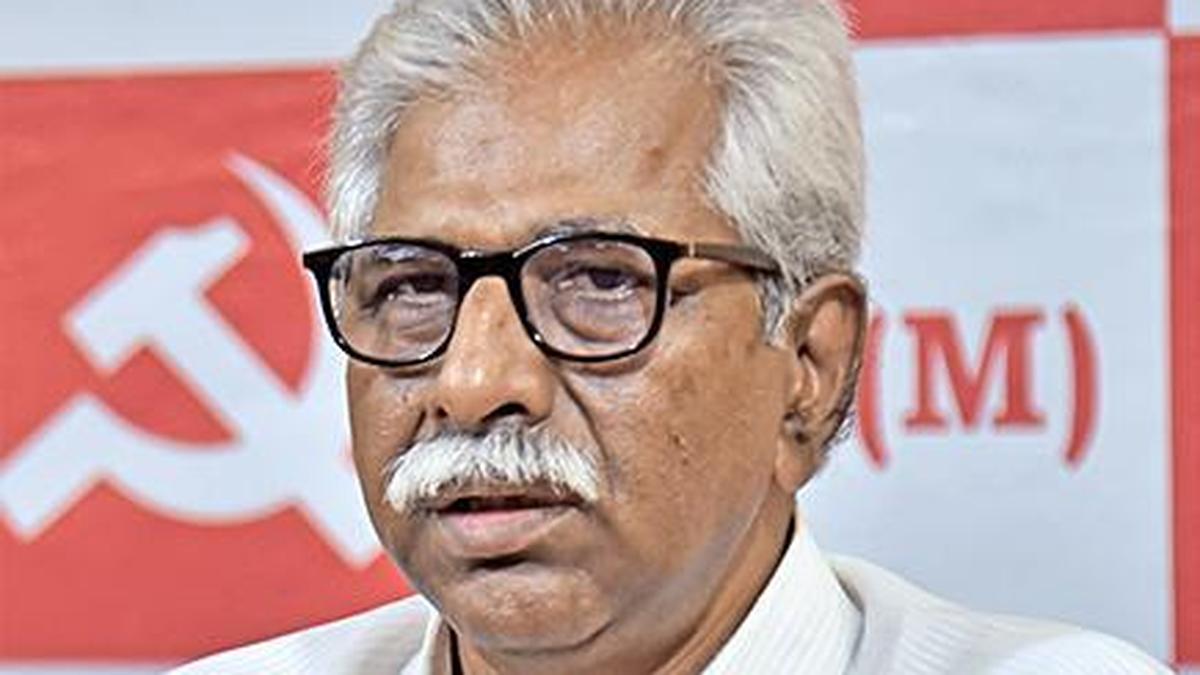
CPI(M) Calls to Decouple Quota from Delimita
CPI(M) advocates for a 33% women's quota in Lok Sabha by 2029, removing the need for delimitation and census linkage.

Conflict & Security
Drone Warfare Killing Aid Workers at Unprec
Over 1,000 humanitarian workers killed in three years as cheap armed drones collapse legal protections. Gaza, Sudan, Ukraine, and DRC see deliberate targeting of aid convoys and hospitals with zero prosecutions.
Global
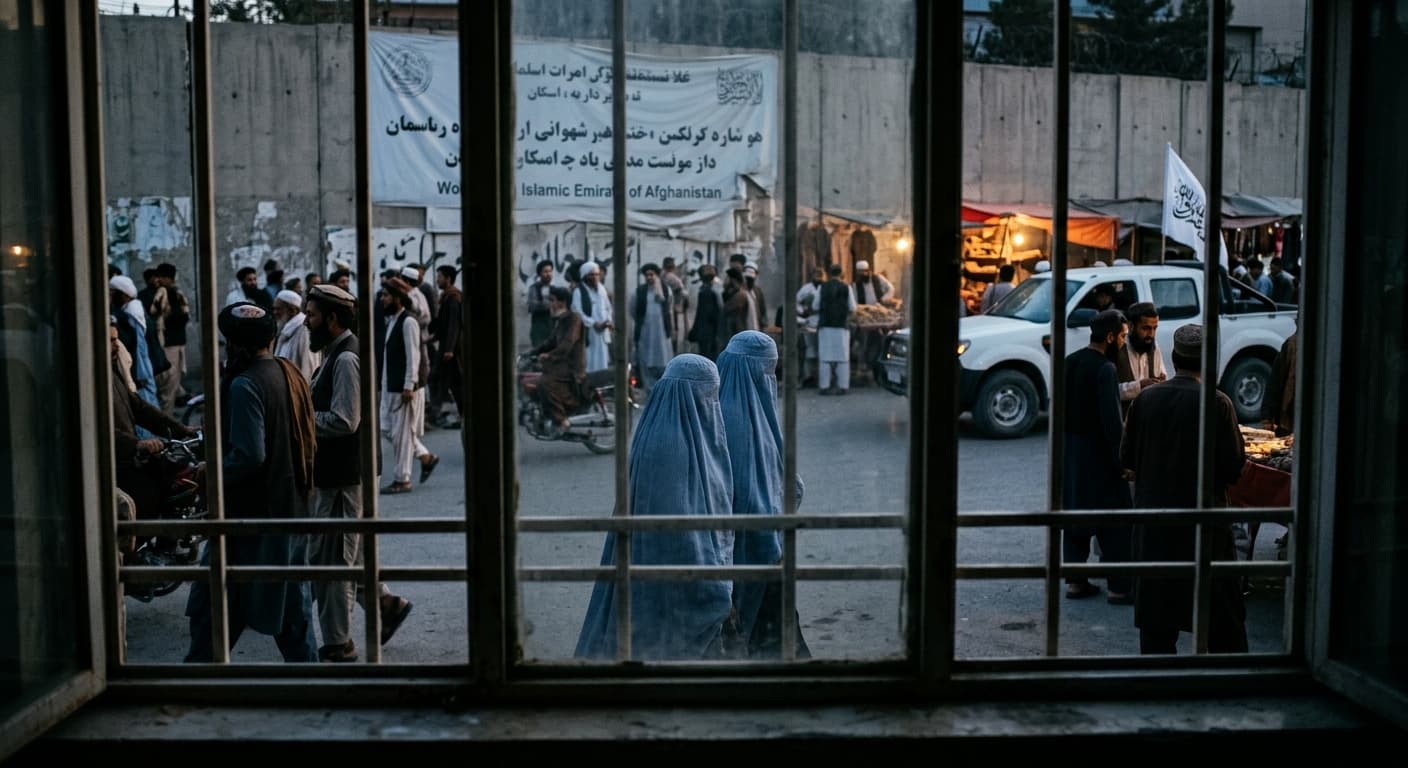
World Normalises Taliban as Afghan Women Eras
UN data shows Afghan women erased from public life as Russia recognises the Taliban, EU hosts officials in Brussels, and ICC warrants for gender persecution go unenforced.