

Diplomat Briefing
Trump Leaves Beijing With Pageantry, Contested Promises — Global Brief
·5 developments
For the complete documentation index, see llms.txt.Skip to main content
The world is navigating two simultaneous wars — one in Ukraine, one in Iran — through a diplomatic architecture built on ambiguity: summits with no verified deals, ceasefires with no enforcement, and a great-power competition where both Washington and Beijing need the other more than they'll admit.
The two-day Trump-Xi summit concluded Friday in the Zhongnanhai compound — a venue of deliberate symbolism, reserved for heads of state Xi considers close. Trump claimed "fantastic trade deals": 200 Boeing jets, soybean and beef purchases, and US oil exports. China's foreign ministry confirmed none of it. Boeing shares fell 4% after markets priced in the gap between Trump's 200-plane announcement and prior expectations of 500. The one agreed-on line: that "the Strait of Hormuz must remain open" — useful for markets, binding on no one. Xi issued a blunt warning that mishandling Taiwan risks conflict; Trump said he declined to answer. The concrete output is a September Xi visit to Washington and an extension of the trade truce whose formal expiry date wasn't even discussed. CSIS analyst Scott Kennedy called the summit "a superficial ceasefire that is largely to China's advantage."
The Straits Times |
The Hindu |
BBC
The May 9–11 US-brokered truce is already a footnote. Russia launched 1,410 drones and 56 missiles in a single 24-hour period (May 13–14), then an X-101 cruise missile levelled an apartment block in Kyiv killing 24, including three children. Ukrainian officials explicitly linked the timing to Trump's Beijing visit — a message to Washington that Moscow sets the tempo on the war's terms. The prisoner swap of 205 POWs per side proceeded anyway, the first phase of a 1,000-for-1,000 exchange brokered by the US and UAE. Zelensky noted the missile was manufactured "in recent weeks," signalling Russian sanctions evasion continues unimpeded. German Chancellor Merz said Putin is "banking on escalation rather than negotiation."
BBC |
France 24 |
The Guardian
The BRICS foreign ministers' meeting in New Delhi ended without a joint statement for the second consecutive gathering — the Iran war has effectively weaponised the bloc's internal divisions. Iran's FM Abbas Araghchi accused the UAE of blocking India's draft statement; the UAE fired back that Iran had launched approximately 3,000 attacks on Gulf states since February 28. Iran's own diplomatic posture is bifurcated: signalling openness to talks via Pakistan and Russia, while telling BRICS it will "never bow to any pressure." Separately, Iranian media reported 30+ ships — some with Chinese ties — were permitted overnight passage through Hormuz as Tehran tested a selective access strategy. The nuclear issue, Araghchi confirmed, is "not under negotiation" at any current stage.
After two days of direct talks in Washington, the US announced the April 16 cessation of hostilities between Israel and Lebanon will be extended 45 days, with a security track opening May 29 at the Pentagon. Israel killed at least seven people in southern Lebanon on the same day the extension was announced, including two collecting humanitarian aid in a drone strike on Nabatieh. Lebanon insists on full Israeli withdrawal; Israel wants Hezbollah disarmament and a normalisation framework Lebanon has refused to discuss. The extension buys time, not resolution.
Finnish authorities closed Helsinki-Vantaa airport for three hours and launched fighter jets early Friday morning after suspected drone activity over the Uusimaa region, home to nearly two million people. The alert was stood down hours later with no confirmed incursion. The incident is part of a Baltic-wide pattern: Latvia's Prime Minister Evika Silina resigned Thursday after her coalition collapsed over the government's handling of a Ukrainian drone that struck a fuel storage facility on Latvian territory. The drone spillover from the Ukraine war is now a direct cause of government instability inside the EU.
1,567+ — Russian drones launched against Ukraine since May 13. Russia's record barrage in a 36-hour window, timed by Kyiv's officials to coincide with Trump's Beijing summit. France 24
20% — Share of global oil and LNG that transits the Strait of Hormuz. Iran's selective reopening to "cooperating" ships is the first tactical shift since the waterway was closed February 28. BBC
$30 billion — Non-sensitive goods the US and China expected to identify for mutual tariff reductions. No official announcement has been made. The Straits Times
DR Congo's Tshisekedi Floats a Third Term as M23 Gives Him Cover
On Wednesday, President Félix Tshisekedi said he would accept a third term "if the people want it" — constitutionally prohibited without a referendum — and added elections may not be possible in 2028 because of the M23 rebellion in the east. The M23 conflict, which Rwanda backs despite denials, is now also serving Tshisekedi's domestic political calculus: no peace in Goma, no elections, potentially no term limit. A bill to organise a constitutional referendum was submitted to parliament in March. Opposition groups are calling it a "constitutional coup." With Washington distracted by Iran and Beijing's relationships with both Kinshasa and Kigali, external pressure on either actor is minimal. Watch whether the referendum bill clears a three-fifths parliamentary majority — if it does, Tshisekedi won't need the people's vote at all.
Diplomat Briefing — Daily political intelligence.
Read more:
Today's stories
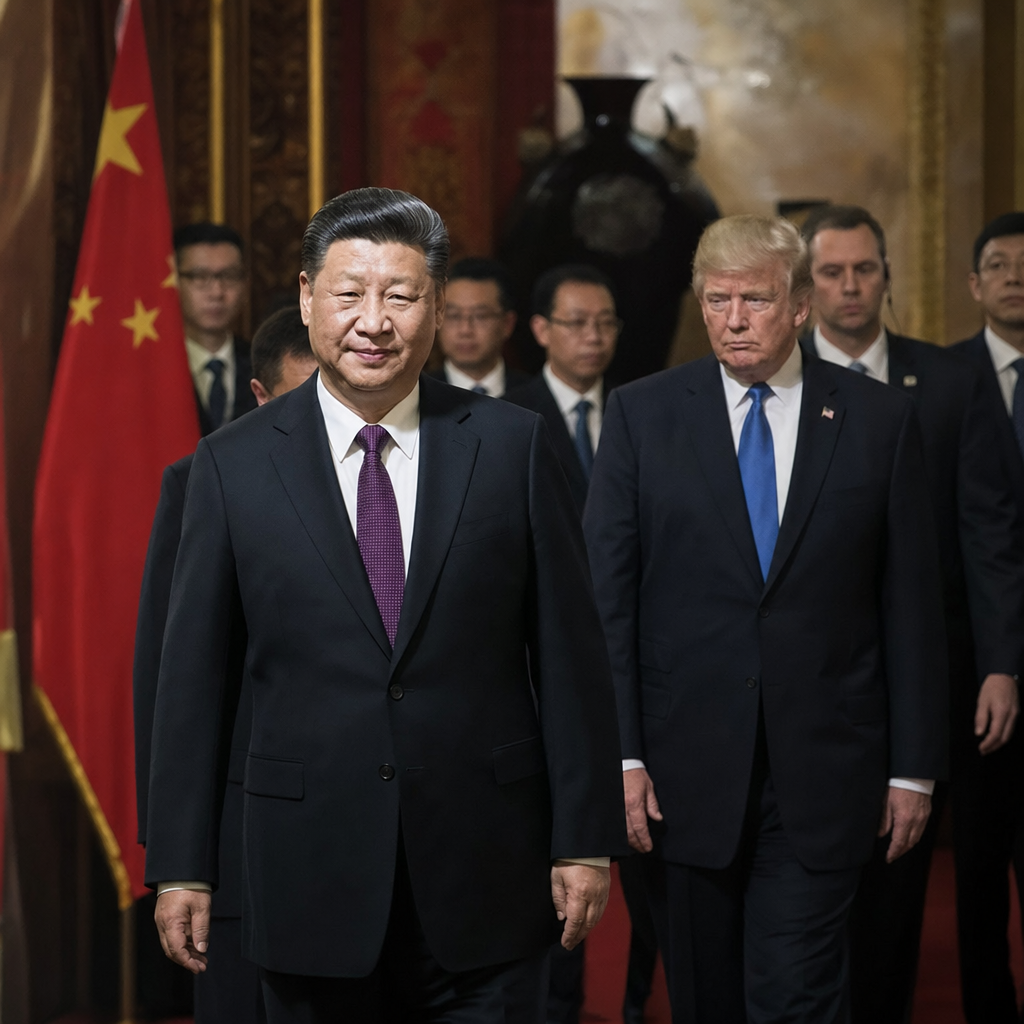
Trump's China visit reveals a power imbalance favoring Xi Jinping.
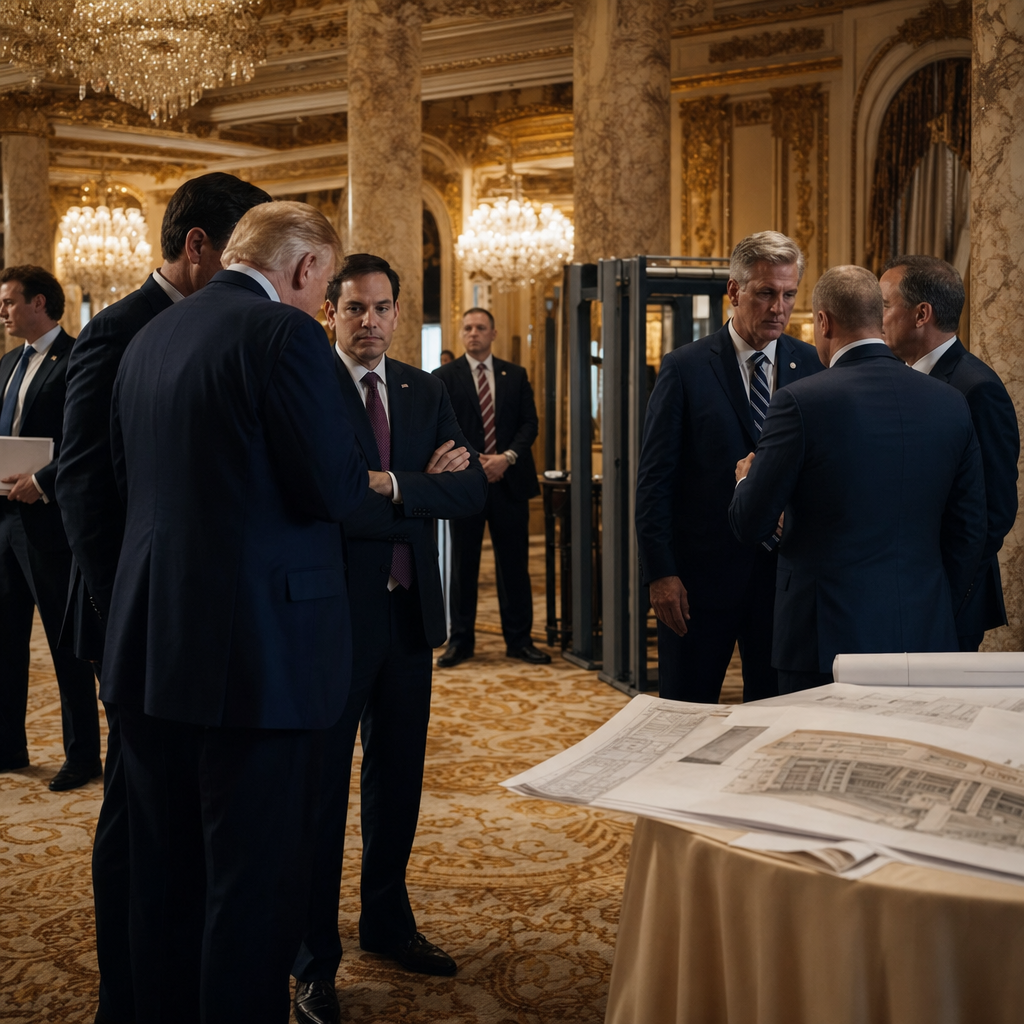
Republicans are divided over a $1 billion security request for Trump's ballroom.
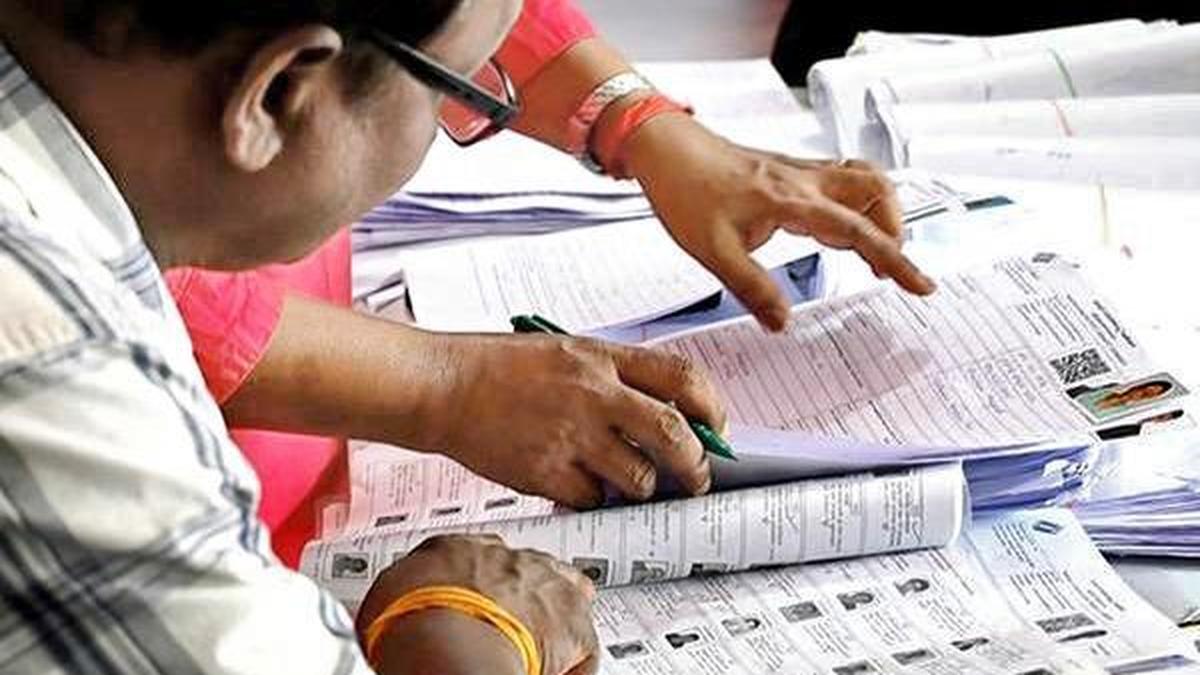
The ECI's voter roll clean-up reaches 22 states, but faces political and operational hurdles.
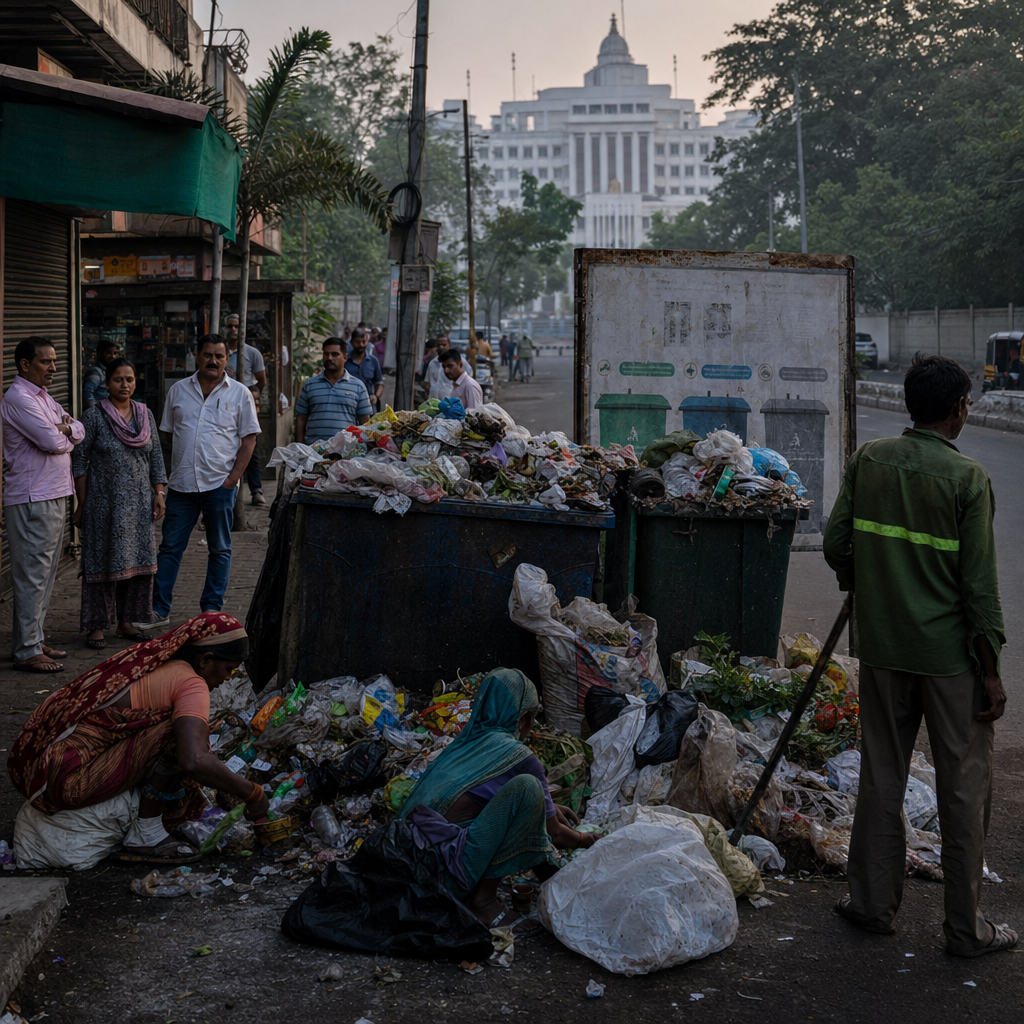
India's new waste management rules risk failing due to lack of local support.
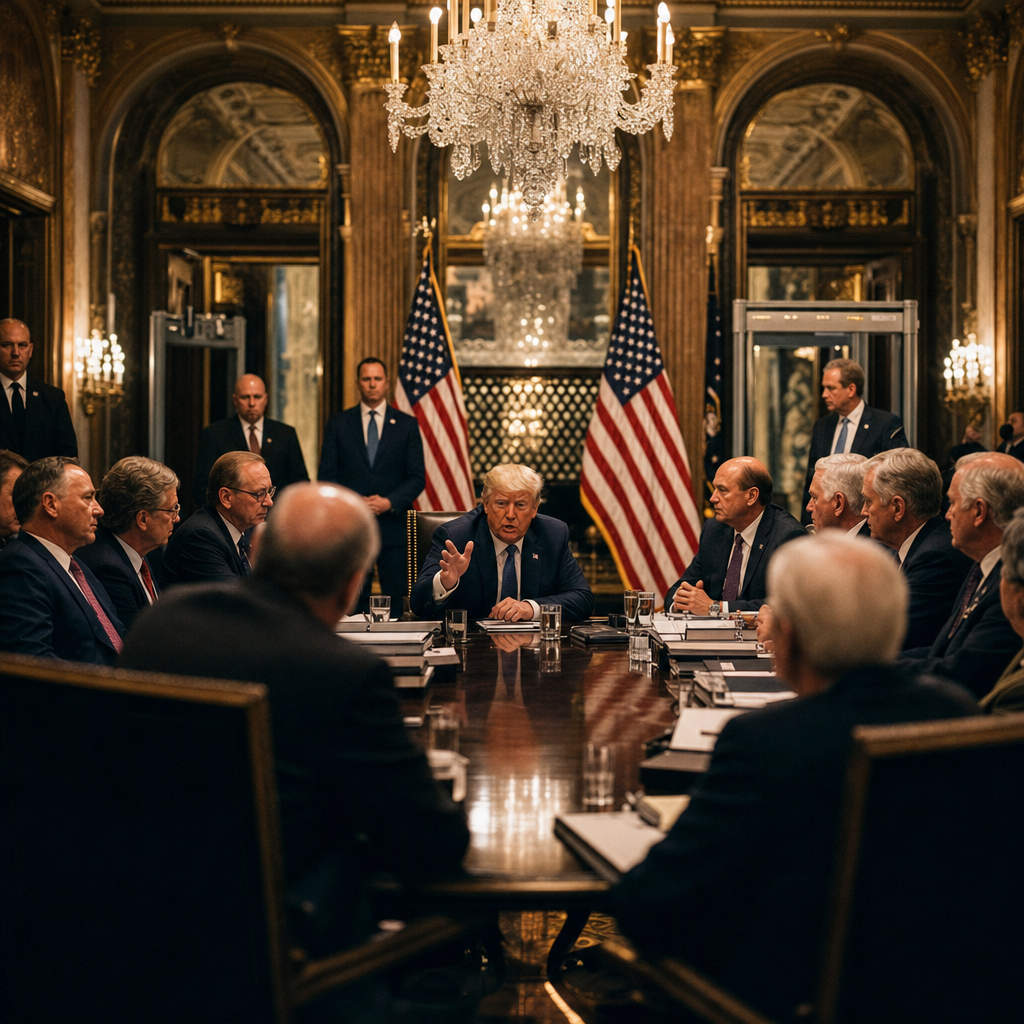
Senate GOP leaders push for $1 billion in security funding for Trump.