

Diplomat Briefing
Trump-Xi Summit Ends in Beijing — Global Politics Briefing, May 15, 26
·5 developments
For the complete documentation index, see llms.txt.Skip to main content
Three active conflicts are now intersecting at a single chokepoint: the Strait of Hormuz is simultaneously a war front, a trade negotiation chip, and the variable most likely to determine whether 2026 ends in diplomatic settlement or deeper catastrophe.
Trump departed Beijing today after a two-day summit with Xi Jinping that was heavier on ceremony than substance. Both leaders agreed to establish a "Board of Trade" to manage the economic relationship — a structural placeholder that explicitly defers the hard tariff questions — and Trump claimed Beijing had committed to buy U.S. oil and 200 Boeing aircraft. But the October trade truce remains unextended beyond November, chip export controls were not discussed, and the Hormuz impasse that defined the summit's urgency produced nothing beyond a joint statement that the strait "must remain open." The single most significant output was geopolitical: Beijing's readout linked Taiwan directly to the trade relationship for the first time, with Xi warning that mishandling the "Taiwan question" means the two powers "could collide or even come into conflict." A September White House summit has been set, signaling Beijing's preferred timeline for any real deal.
BBC |
Al Jazeera |
Washington Post
A vessel anchored off the UAE was seized by Iranian-linked forces and towed toward Iran on Thursday; separately, an Indian-flagged cargo ship sank off the Omani coast after an attack sparked a fire onboard. Iran's senior vice president declared the Strait of Hormuz "our property" that Tehran will not relinquish "at any price," while U.S. CENTCOM commander Adm. Brad Cooper told Congress the military has capacity to permanently reopen the strait — but deferred to policymakers amid "sensitive negotiations." Iran has now set five conditions for any talks, including war reparations and formal U.S. recognition of Iranian sovereignty over the waterway — terms the White House has already rejected.
Russia has fired more than 1,567 drones at Ukraine since Wednesday — the heaviest sustained barrage since the failed U.S.-brokered three-day truce expired on May 11. At least 22 civilians have been killed; Kyiv alone absorbed 675 drones and 56 ballistic missiles in a single overnight attack on Thursday, killing five. German Chancellor Friedrich Merz directly accused Putin of choosing escalation over negotiation, undermining the Kremlin's weekend signal that the war was "coming to an end." The IAEA has separately warned of "intensified" military activity near multiple Ukrainian nuclear sites. A senior Ukrainian presidential official told AFP the scale of the strikes was timed to the Beijing summit — designed to force the issue while Washington's focus was elsewhere.
The Guardian |
France 24 |
BBC
Rep. Brian Fitzpatrick (R-PA) and Democrats secured the 218th signature — California's Kevin Kiley — on a discharge petition forcing a House floor vote in early June on a sweeping Russia sanctions and Ukraine aid package. The bill includes 500% tariffs on all Russian goods, a ban on Russian crude imports, and $8 billion in authorized arms sales to Kyiv — all without Trump's endorsement and over Speaker Johnson's implicit objection. Multiple sources expect it to pass the House; the Senate's 60-vote threshold is less certain. The effort represents the most direct Republican rebuke of Trump's Ukraine policy since he took office, and arrives while Russia is conducting its largest drone campaign in months.
Prime Minister Evika Siliņa resigned Thursday after the Progressive Party withdrew from her coalition, collapsing her parliamentary majority to 41 of 100 seats, following her dismissal of Defense Minister Andris Sprūds over Ukrainian drones that strayed into Latvian airspace on May 7 — one crashing at a fuel storage facility. Ukraine says Russian electronic warfare deliberately diverted the drones; Latvia has called on NATO to bolster eastern-flank air defenses. President Rinkēvičs meets party leaders Friday to begin forming a new government, just five months before national elections in October. The episode exposes the political fragility of NATO's eastern flank states under sustained Russian hybrid pressure.
Al Jazeera |
Le Monde |
DW
$415 billion — U.S.-China two-way goods trade in 2025, down from a $690 billion peak in 2022. Average U.S. tariff on Chinese goods now stands at 47.5%, up from 3.1% before Trump's first term — the baseline against which any "Board of Trade" framework will be measured. Al Jazeera / Peterson Institute
India Is the Quiet Power Broker in the Iran War — and It's Walking a Knife's Edge
New Delhi is simultaneously hosting the BRICS foreign ministers' summit (with Iran's Araghchi present), maintaining a de facto alliance with Israel, navigating post-conflict estrangement from Pakistan, and positioning itself as a back-channel conduit between Washington and Tehran. India's refusal to endorse a joint BRICS statement on the Iran war in April — softening language critical of Israel — has fractured the bloc's diplomatic coherence just as Iran needs it most. That fragmentation benefits Washington but costs India credibility with both the Global South and Tehran, whose oil India still needs. The one-year anniversary of the India-Pakistan military conflict this week — with formal diplomacy "near non-existent," the Indus Waters Treaty suspended, and trade severed — means Delhi is managing three active foreign policy crises with no room for miscalculation.
Diplomat Briefing — Daily political intelligence.
Read more:
Today's stories
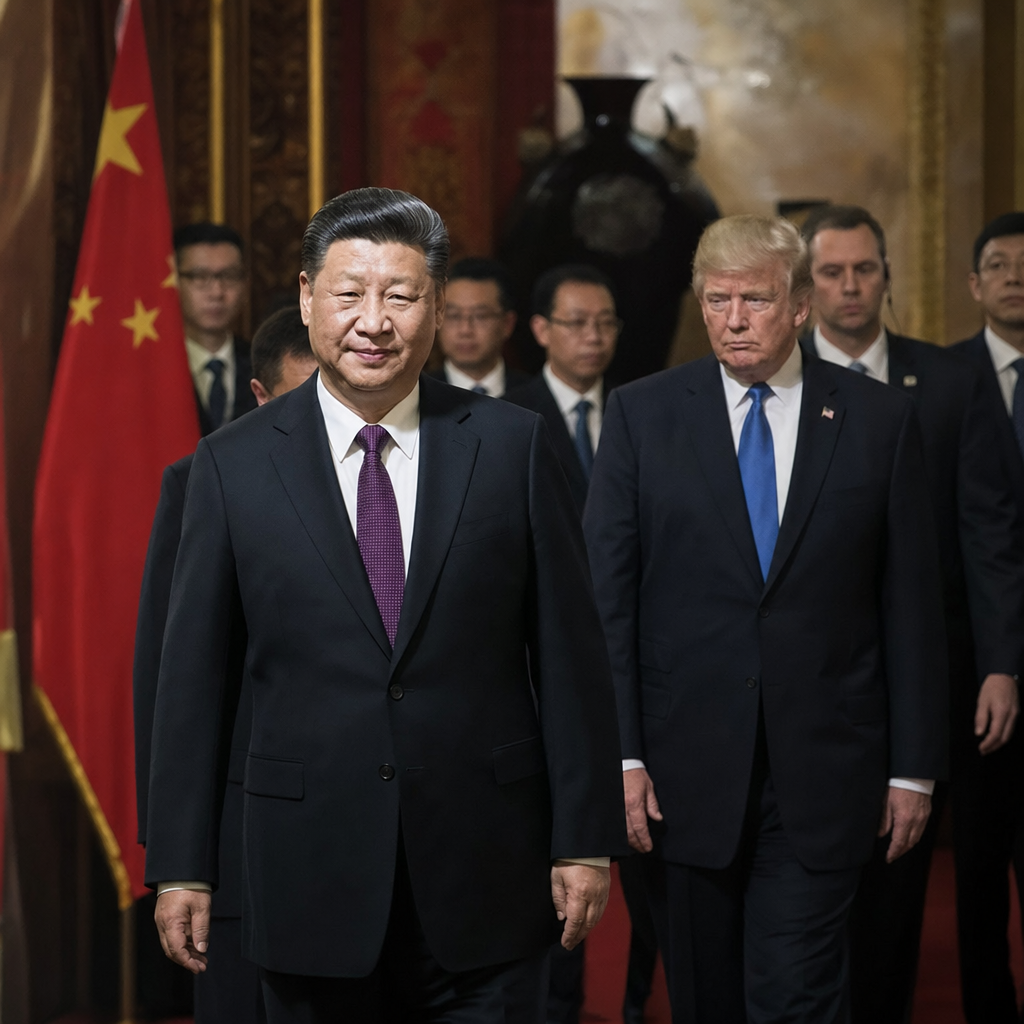
Trump's China visit reveals a power imbalance favoring Xi Jinping.
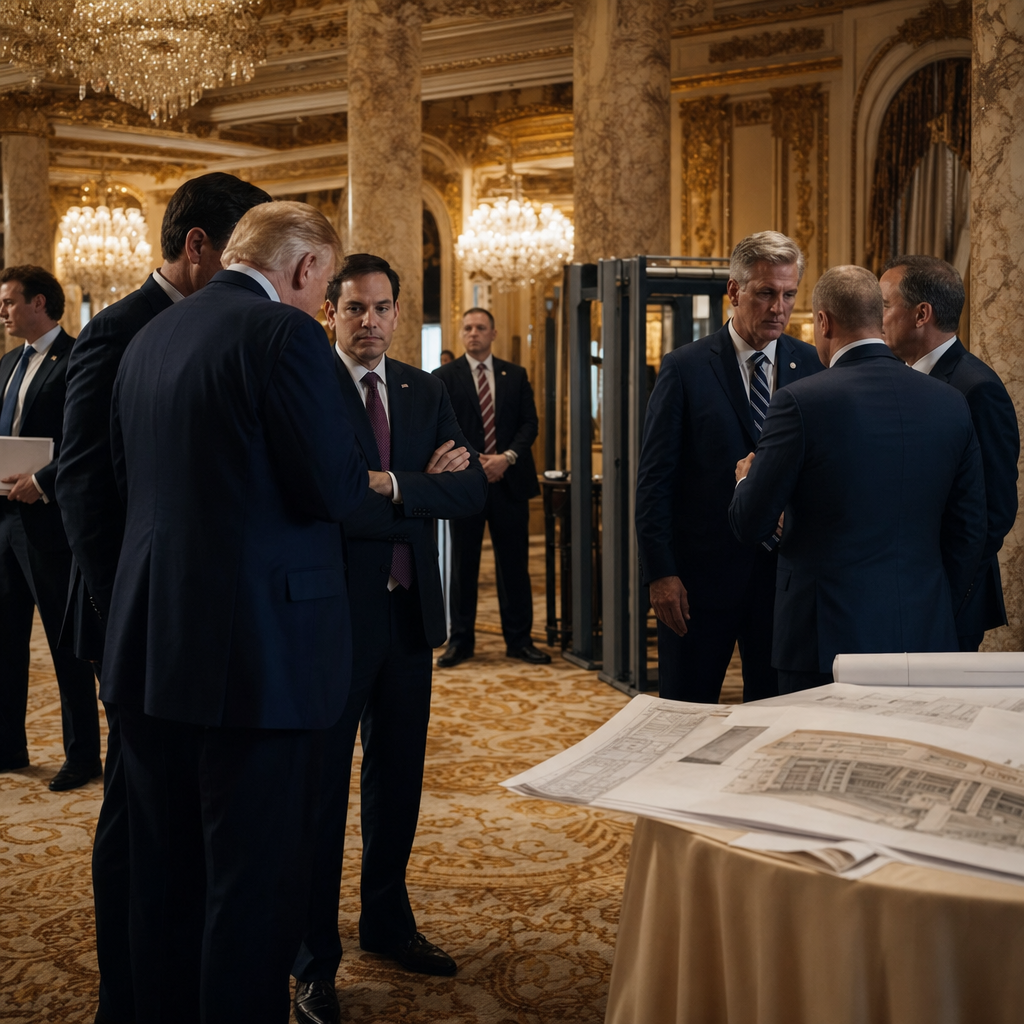
Republicans are divided over a $1 billion security request for Trump's ballroom.
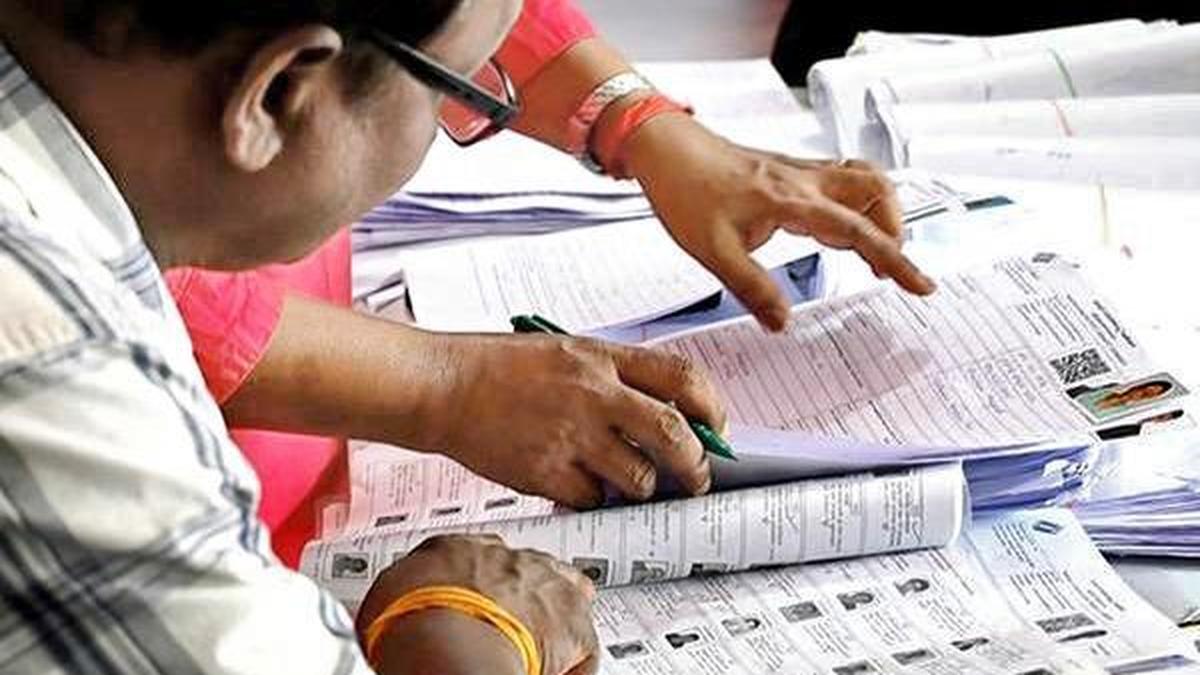
The ECI's voter roll clean-up reaches 22 states, but faces political and operational hurdles.
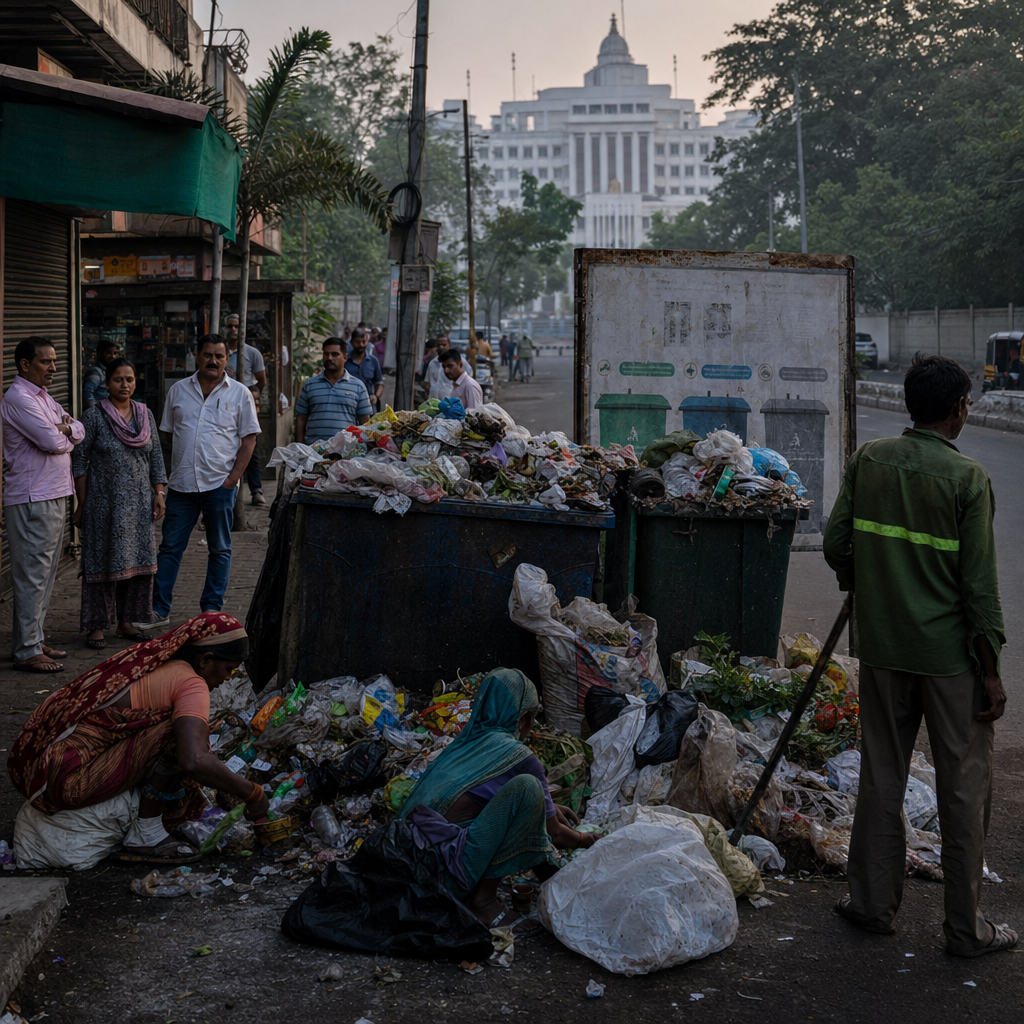
India's new waste management rules risk failing due to lack of local support.
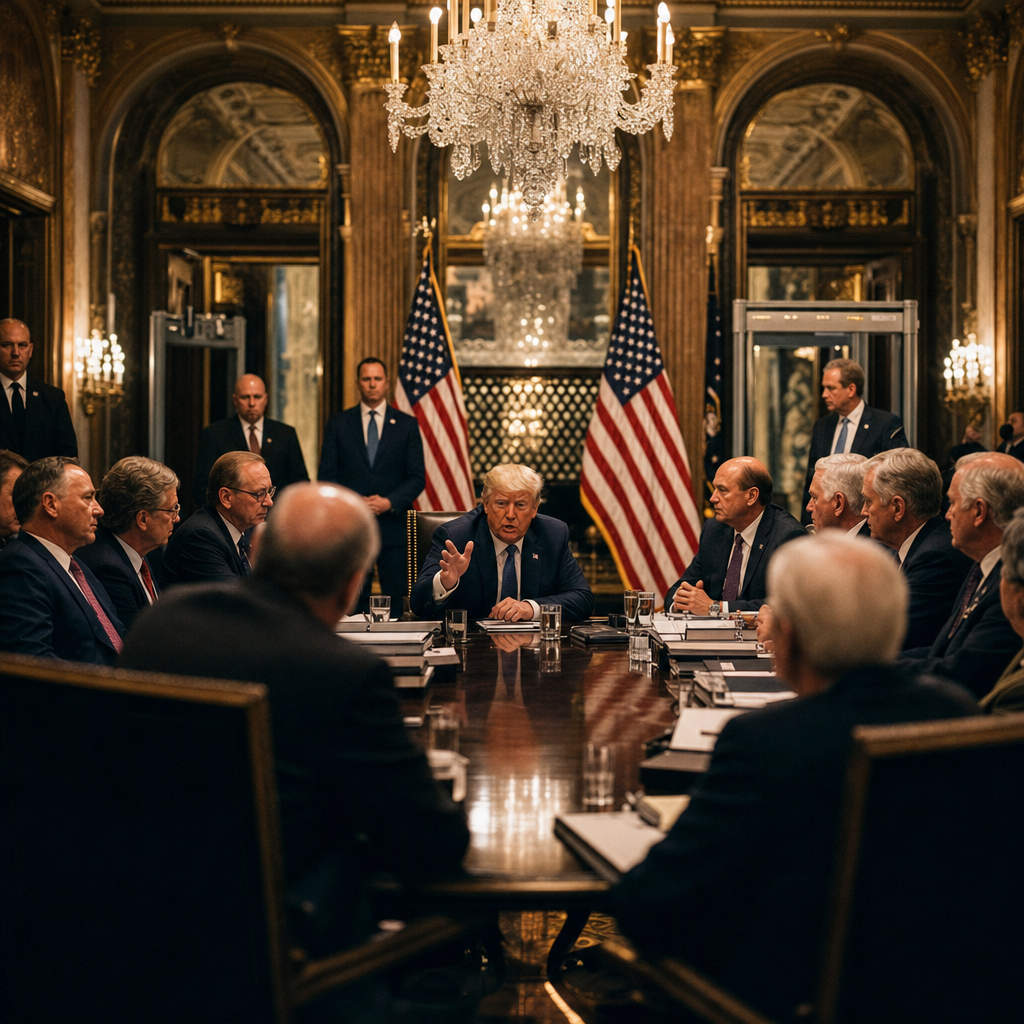
Senate GOP leaders push for $1 billion in security funding for Trump.