

Diplomat Briefing
Trump Lands in Beijing With Iran's War Hanging Over Every Negotiation
·5 developments
For the complete documentation index, see llms.txt.Skip to main content
Every major power is simultaneously talking and escalating — the gap between diplomatic theater and battlefield reality has never been wider.
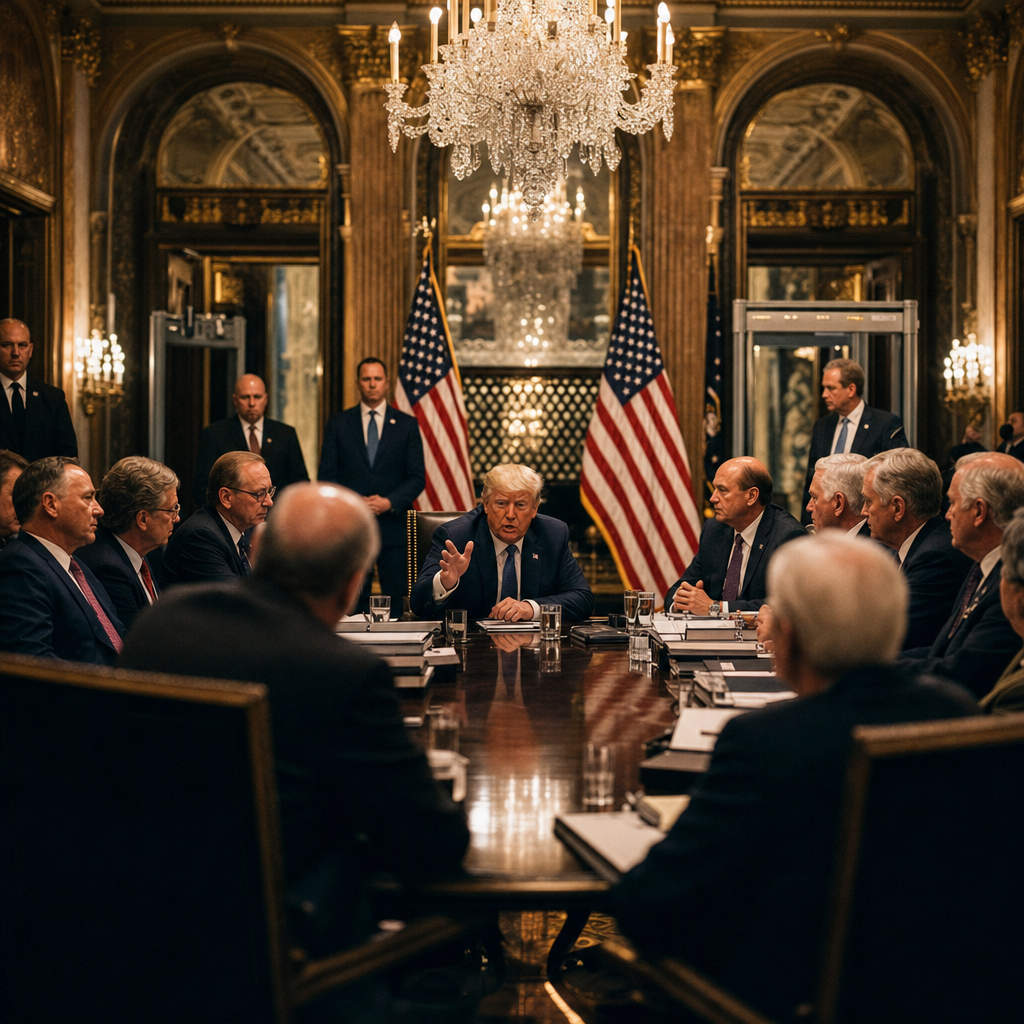
Trump arrived at the Great Hall of the People on Wednesday for his first visit to China since 2017 — a three-day summit with Xi Jinping that was originally about trade and has been overwhelmed by a conflict neither leader started but both are now defined by. The agenda spans the stalled Iran war, a pending trade truce extension, US arms sales to Taiwan, and an AI governance framework. Xi holds structural leverage: China buys over 80% of Iranian oil, controls the levers needed to pressure Tehran on the Strait of Hormuz, and runs a record export surplus even under tariff pressure. The price for that leverage is almost certainly US restraint on Taiwan arms sales and a trade concession on tech export controls. Trump arrived saying he doesn't "need" China's help on Iran — an implausible position that Rubio quietly walked back aboard Air Force One, telling Fox News that any support for Iran would be "detrimental" to the bilateral relationship.
Reuters |
Al Jazeera |
BBC
The US Senate on Wednesday rejected a Democratic war powers resolution 47–53 that would have halted the Iran war — Republican unity held despite the 60-day congressional authorization deadline having already lapsed. The vote split on party lines, with Rand Paul (R-KY) voting to end the war and John Fetterman (D-PA) voting to continue it. Meanwhile Trump called Iran's latest peace proposal "garbage," Vance said "progress is being made," and Iran's Deputy FM floated a new Hormuz "protocol" that would formalize Iranian fees on international shipping — a demand Washington has called a non-starter. Trump's approval rating sits at 36%, with two-thirds of Americans telling Reuters/Ipsos they see no clear rationale for the war.
The Washington Post |
The Globe and Mail |
Al Jazeera
The three-day US-brokered Ukraine ceasefire expired Monday; Russia responded with the largest sustained aerial barrage of the war. Over 1,560 drones targeted Ukrainian cities Tuesday through Thursday morning, killing at least 13 people across multiple attacks; Kyiv, Lviv, and Odesa were all struck. A senior Ukrainian presidency official told AFP the timing was deliberate — "a demonstration during Trump's talks in China." The Kremlin simultaneously clarified there were "no specifics" behind Putin's weekend suggestion the war was "coming to an end," reaffirming its demand that Ukraine withdraw from all four annexed oblasts before peace talks begin.
In a landmark shift, all 27 EU member states agreed Monday to sanction both Hamas leadership and leaders of the Israeli settler movement in the occupied West Bank — a unanimous vote that would have been impossible as recently as April. The decisive variable was Viktor Orbán's ouster: Hungary's new PM Péter Magyar lifted Budapest's longstanding veto of settler sanctions. The EU has not yet finalized the individual target list, but France's FM confirmed it will include settler organizations Amana and Nachala and figures such as Daniella Weiss. Ministers stopped short of suspending the EU-Israel trade agreement or banning settlement goods — Italy blocked those measures — but the Netherlands warned individual nations could act unilaterally if the broader process stalls.
Russia successfully test-fired the RS-28 Sarmat ICBM on Tuesday, which Putin called "the most powerful missile in the world." He claimed a range exceeding 35,000 km and a warhead yield four times any Western equivalent, with combat deployment set for year-end. The test followed the February 2026 expiration of New START — the last treaty capping US and Russian strategic warheads — leaving the two largest nuclear powers without any formal constraints for the first time in over 50 years. Moscow and Washington have agreed to resume military dialogue but show no movement toward a successor agreement; Trump has insisted any new treaty include China, which Beijing has publicly rejected.
$29 billion — Cost of the Iran war to the US military in munitions and equipment over 74 days, excluding base damage, per Defense Secretary Hegseth's testimony to Congress. That figure does not count the economic cost of the Hormuz blockade, which has driven Brent crude sharply higher and pushed Trump's approval to a record low 36%. Al Jazeera
BRICS Is Fracturing in Real Time — and India Can't Stop It
The BRICS Foreign Ministers' summit opening today in New Delhi has been overshadowed by the Beijing summit, but it is the more structurally significant meeting. Iran and the UAE — both BRICS members — are openly at war with each other's interests: Iran struck UAE territory and Tehran's FM publicly warned Abu Dhabi of consequences for "collusion with Israel." India, as chair, failed to produce a joint statement at the April deputy-FM meeting after trying to dilute language on Palestine, isolating New Delhi from almost every other member. China's FM Wang Yi skipped the summit entirely to stay in Beijing for Trump's visit — sending only an ambassador-level representative. A bloc that was supposed to represent post-Western multilateralism cannot agree on a single sentence about the war reshaping its own members' economies. India's September BRICS summit is now at serious risk of collapsing into another Chair's Statement.
The Hindu |
The Straits Times |
The Hindu
Diplomat Briefing — Daily political intelligence.
Read more:
Today's stories
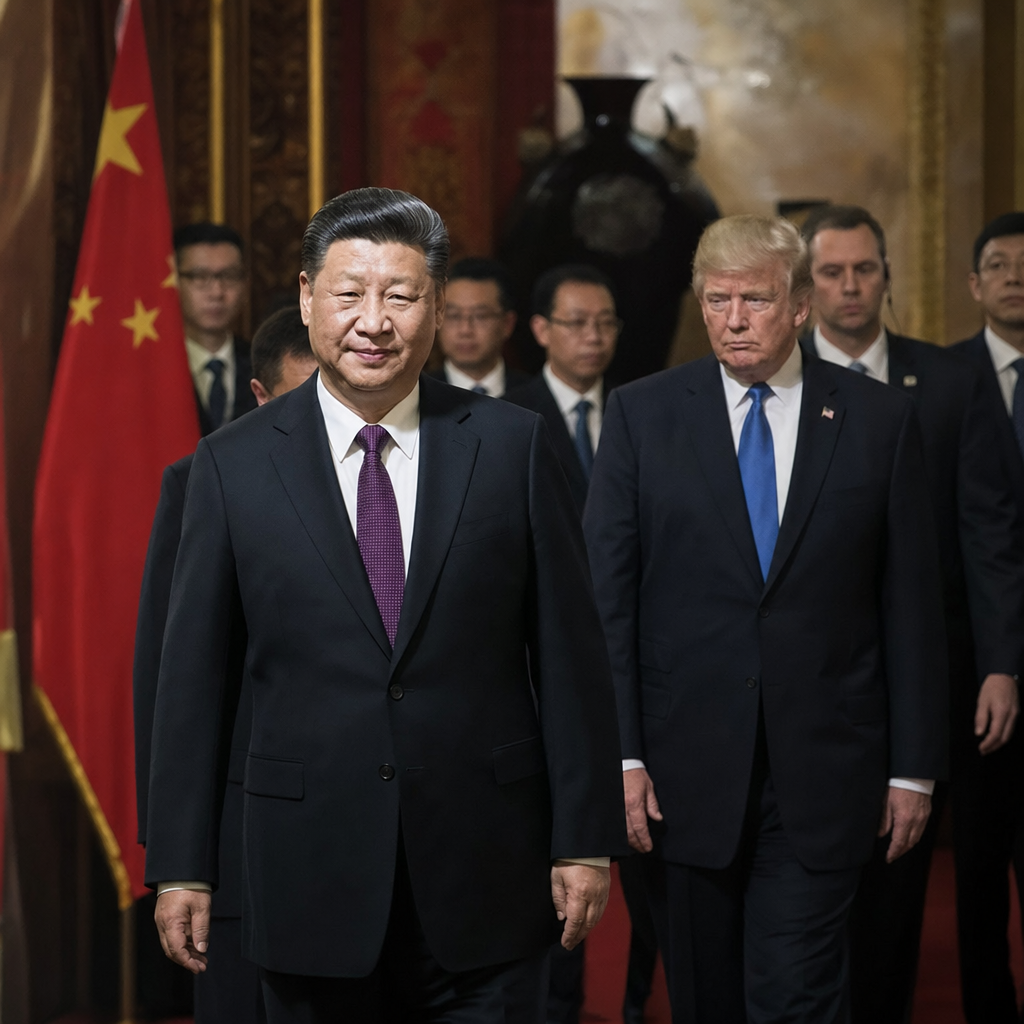
Trump's China visit reveals a power imbalance favoring Xi Jinping.
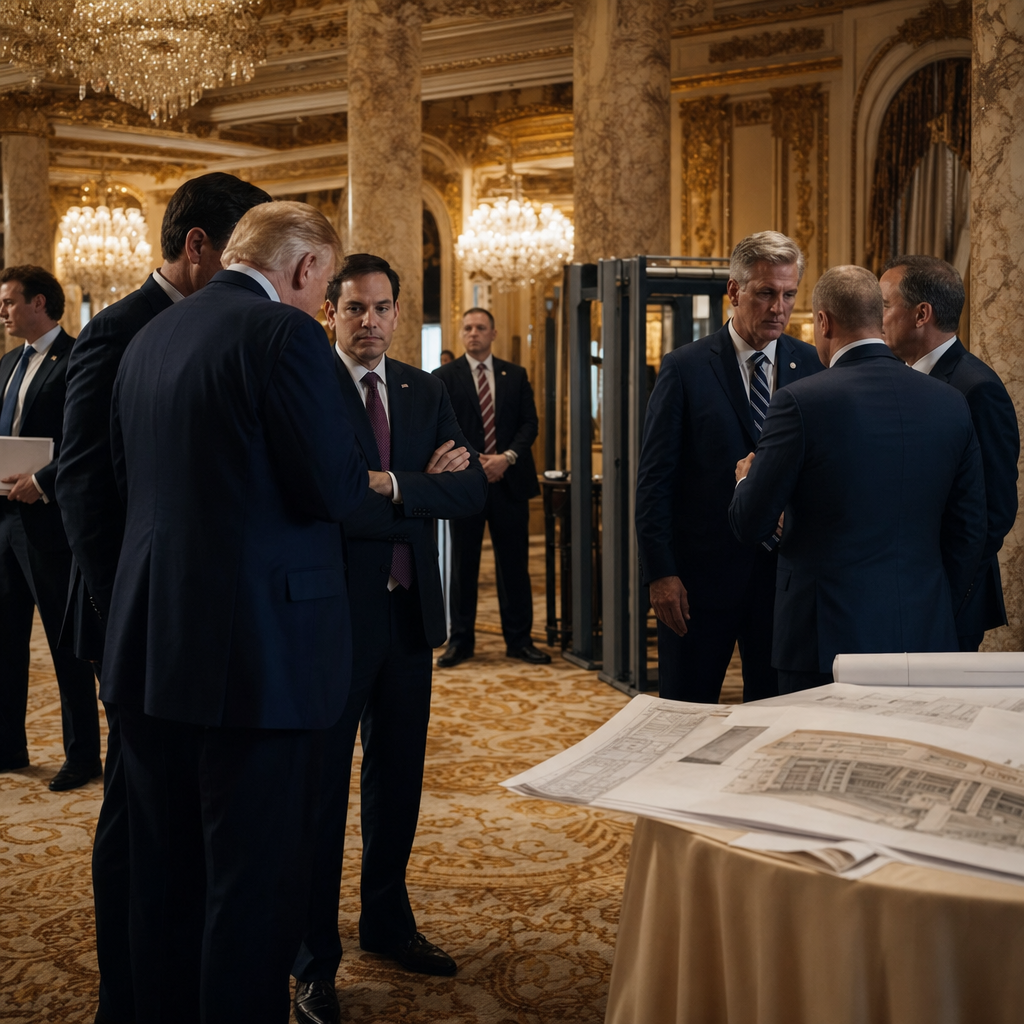
Republicans are divided over a $1 billion security request for Trump's ballroom.
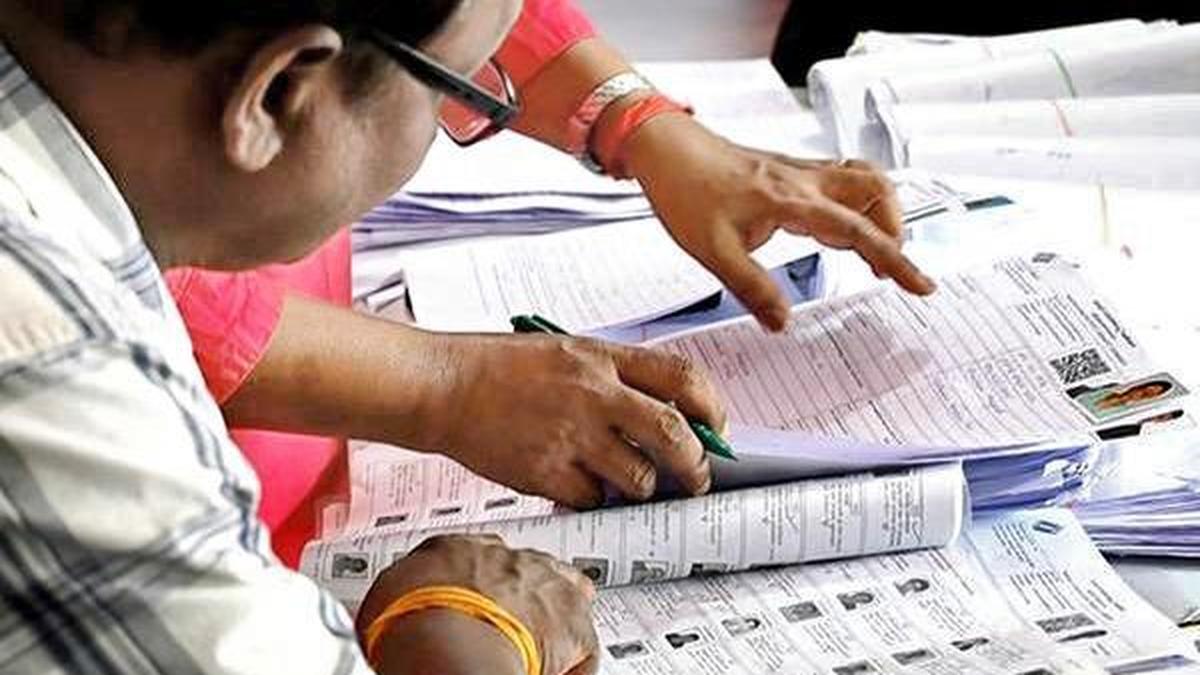
The ECI's voter roll clean-up reaches 22 states, but faces political and operational hurdles.
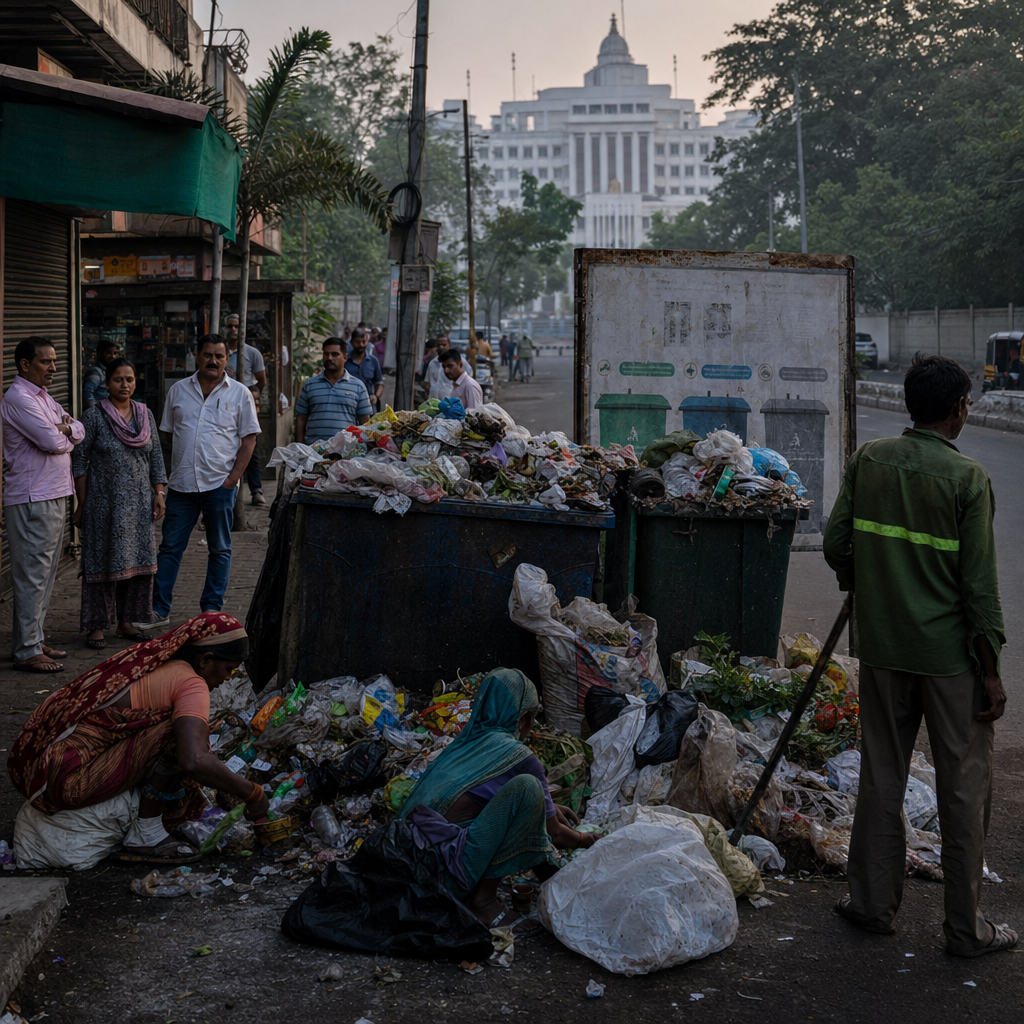
India's new waste management rules risk failing due to lack of local support.
Senate GOP leaders push for $1 billion in security funding for Trump.