

Diplomat Briefing
Putin Offers Istanbul Talks; Zelensky Accepts — Global Politics Briefi
·6 developments
For the complete documentation index, see llms.txt.Skip to main content
With a fragile Iran ceasefire unraveling in real time and Ukraine's first direct talks since 2022 hanging on whether Putin will agree to a ceasefire before sitting down, the world's two biggest crises reached simultaneous inflection points in the last 24 hours — and Washington is at the center of both.
In the most significant diplomatic movement on Ukraine in years, Putin proposed in the early hours of Sunday that Russia and Ukraine resume direct talks in Istanbul on May 15 — the first face-to-face negotiations since March 2022. The offer came hours after the leaders of the UK, France, Germany, and Poland met Zelensky in Kyiv and demanded a 30-day unconditional ceasefire beginning Monday, a proposal they secured Trump's backing for in an early-morning phone call. Trump then posted on Truth Social urging Ukraine to accept Putin's offer "immediately," framing it as a diagnostic: accept the talks, and the world will know whether a deal is possible.
Zelensky moved quickly, announcing he would travel to Istanbul "personally" — but conditioned his attendance on Russia agreeing to the 30-day ceasefire first. The Kremlin did not respond to that condition. Putin's proposal was deliberately constructed: it called for resuming the 2022 Istanbul format "without preconditions," sidestepped the ceasefire demand entirely, and attacked European allies for "ultimatums" and "anti-Russian rhetoric." German Chancellor Friedrich Merz called the offer a "good sign" but "far from sufficient." The structural problem is unchanged — Russia wants to negotiate from its current territorial position, while Kyiv and Europe are demanding a pause before any talks begin, and Trump is pressuring Ukraine to accept talks without the pause.
What's at stake: if talks happen without a ceasefire, Russia locks in its battlefield gains as the baseline for negotiations. If Zelensky attends without a prior pause, he hands Moscow a political win at home and risks a repeat of 2022, when Istanbul produced an aborted framework that would have required Ukrainian neutrality and NATO renunciation. If he doesn't attend, Trump has already signaled impatience — and the coalition fractures along US-European lines at exactly the moment it appeared unified.
BBC News |
Le Monde |
Politico Europe
Iran transmitted its response to Washington's 14-point war-termination proposal via Pakistani mediators on Sunday. Within hours, Trump posted on Truth Social: "I don't like it — TOTALLY UNACCEPTABLE." Tehran's counter-proposal, per Iranian state media, included an immediate halt to all hostilities, a lifting of the US naval blockade of Iranian ports, compensation for war damage, and an insistence on Iranian sovereignty over the Strait of Hormuz — the last point a direct red line for Secretary of State Rubio, who has stated publicly that Washington will not permit Tehran to retain control of the waterway. Iran's proposal also deferred the nuclear question to a second phase of talks, while the US demands Iran freeze enrichment for at least 12 years and surrender its estimated 440 kilograms of uranium enriched to 60% purity as a precondition. The gap between the two texts is not tactical — it is structural. Meanwhile, the ceasefire is visibly fraying: a cargo ship was struck by an unknown projectile 23 nautical miles northeast of Doha on Sunday, Kuwait reported drone incursions into its airspace, and the UAE intercepted two Iranian drones. The IRGC's threat of a "heavy assault" on US regional bases if Iranian tankers are struck again raises the stakes further ahead of Monday's 40-nation defense ministerial in London, where the UK and France are co-chairing talks on a Hormuz shipping protection mission.
BBC News |
Al Jazeera |
The Washington Post
Trump arrives in Beijing on May 13 for his first China visit since 2017 and his first face-to-face with Xi in over six months. The agenda, previewed by senior administration officials, spans Iran, the rare earths trade truce, Boeing and agricultural purchases, Taiwan, and a prospective dialogue channel on AI. The Iran dimension is central: China purchased 1.38 million barrels of Iranian crude per day in 2025 — roughly 12% of its total imports — and Beijing's continued oil purchases are the primary financial lifeline keeping Tehran from economic collapse, giving Xi genuine leverage Trump has explicitly asked him to use. Whether Xi will exercise it is unclear; China has benefited from playing both sides, winning credit from both Washington and Tehran for brokering the April 8 ceasefire while continuing to buy sanctioned Iranian oil. On trade, an extension of the October 2025 rare earths truce is expected to come up, but US officials were explicitly noncommittal on whether it would be renewed during the summit itself. China's April export data — up 14.1% year-on-year — released just before the summit gives Xi a stronger hand than the economic distress narrative Trump prefers.
The Straits Times |
The Korea Herald
Interim Syrian President Ahmed al-Sharaa announced the first government reshuffle since Assad's fall in December 2024, replacing his own brother Maher as head of the presidential office — a direct concession to months of public criticism that al-Sharaa had stacked the transitional government with personal loyalists. Former Homs Governor Abdul Rahman Badreddine al-Aama was appointed secretary-general for the presidency. The reshuffle also replaced governors in Homs, Quneitra, and Deir Az Zor — the eastern province where most of Syria's oilfields are located — and installed new ministers for information and agriculture. The political driver is domestic pressure: protests and social media campaigns have mounted over worsening economic conditions and what critics describe as a governance vacuum, while Syria's transitional justice process — the trials of Assad-era officials that formally opened with the case of former Deraa security chief Atef Najib last month — has been slow enough to generate its own frustrations. Al-Sharaa is roughly 18 months into a five-year transitional period; these appointments are an attempt to reset his legitimacy before it erodes further.
Kim Jong Un inspected the production of 155mm self-propelled gun-howitzers at a munitions factory this week, announcing deployment to a southern border artillery unit within 2026. KCNA reported the guns have a strike range exceeding 60 kilometers — sufficient to reach central Seoul, which sits approximately 40-50 kilometers from the border and holds 10 million people. Kim also personally reviewed the destroyer Choe Hyon off North Korea's west coast and ordered it commissioned to the navy by mid-June, the country's first and most capable warship of its class. The military buildup follows North Korea's constitutional revision that formally drops all references to Korean unification, redrawing the Pyongyang-Seoul relationship as a permanent two-state hostility rather than a contest between rival governments of the same nation — a fundamental change in the legal and doctrinal basis of inter-Korean relations that Seoul's government has been unable to counter diplomatically.
President Félix Tshisekedi, speaking at only his second press conference since his 2023 re-election, said he would accept a third term "if the people want it" — while simultaneously signaling that the 2028 elections may be delayed because M23 rebel control over North and South Kivu, including Goma and Bukavu, makes credible nationwide voting impossible. A constitutional referendum bill submitted to parliament in March would provide the legal architecture for both moves. Opposition figures have called it a "constitutional coup" in preparation: the DRC constitution limits presidents to two terms, and any amendment requires either a three-fifths parliamentary supermajority or a referendum — which the president controls the timing of. Tshisekedi blamed Rwanda for obstructing implementation of the US-brokered Washington peace agreement signed in December and for "looting resources" in the east. The US sanctioned several Rwandan army commanders in March for backing M23; Rwanda denies the relationship.
$4.52 — Average US retail gasoline price per gallon as of this week, per AAA. The Strait of Hormuz has been effectively closed since February 28, choking off roughly 20% of global oil and LNG transit and translating directly into domestic political costs for Trump, whose approval ratings on both Iran and the economy have fallen accordingly. NPR
Inside Iran, It's the IRGC — Not Khamenei — Making the Calls on the War
Reuters reported last month that Iran's Islamic Revolutionary Guard Corps has effectively seized wartime decision-making authority, reducing Supreme Leader Mojtaba Khamenei to a figure who legitimizes IRGC decisions rather than driving them — a structural shift from clerical primacy to security dominance. This matters enormously for the negotiations: IRGC commander Ahmad Vahidi, not the foreign ministry or the presidency, is the pivotal actor in Tehran. When Iranian foreign minister Abbas Araqchi signals flexibility, he may not speak for the institution that controls the missiles, the Strait, and the enriched uranium stockpile. The distance between what Iranian diplomats say in Muscat and what the Guards will actually accept explains why Washington's 14-point proposal and Tehran's counter-response are so far apart — and why repeated rounds of diplomacy keep producing the same result. Analysts quoted by Reuters conclude the true obstacle to a deal is not Iranian red lines as stated but the gap between what civilian negotiators can agree to and what the IRGC high command will enforce.
Diplomat Briefing — Daily political intelligence.
Read more:
Today's stories
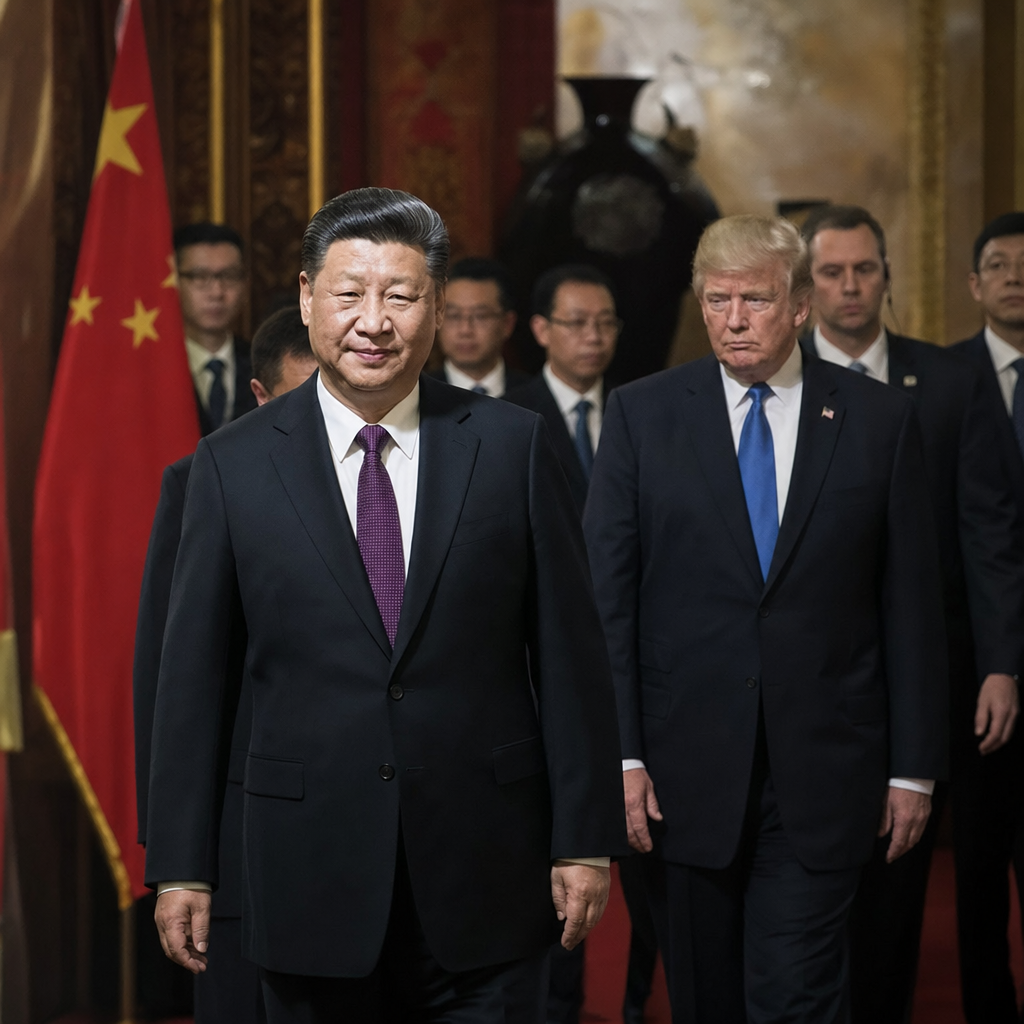
Trump's China visit reveals a power imbalance favoring Xi Jinping.
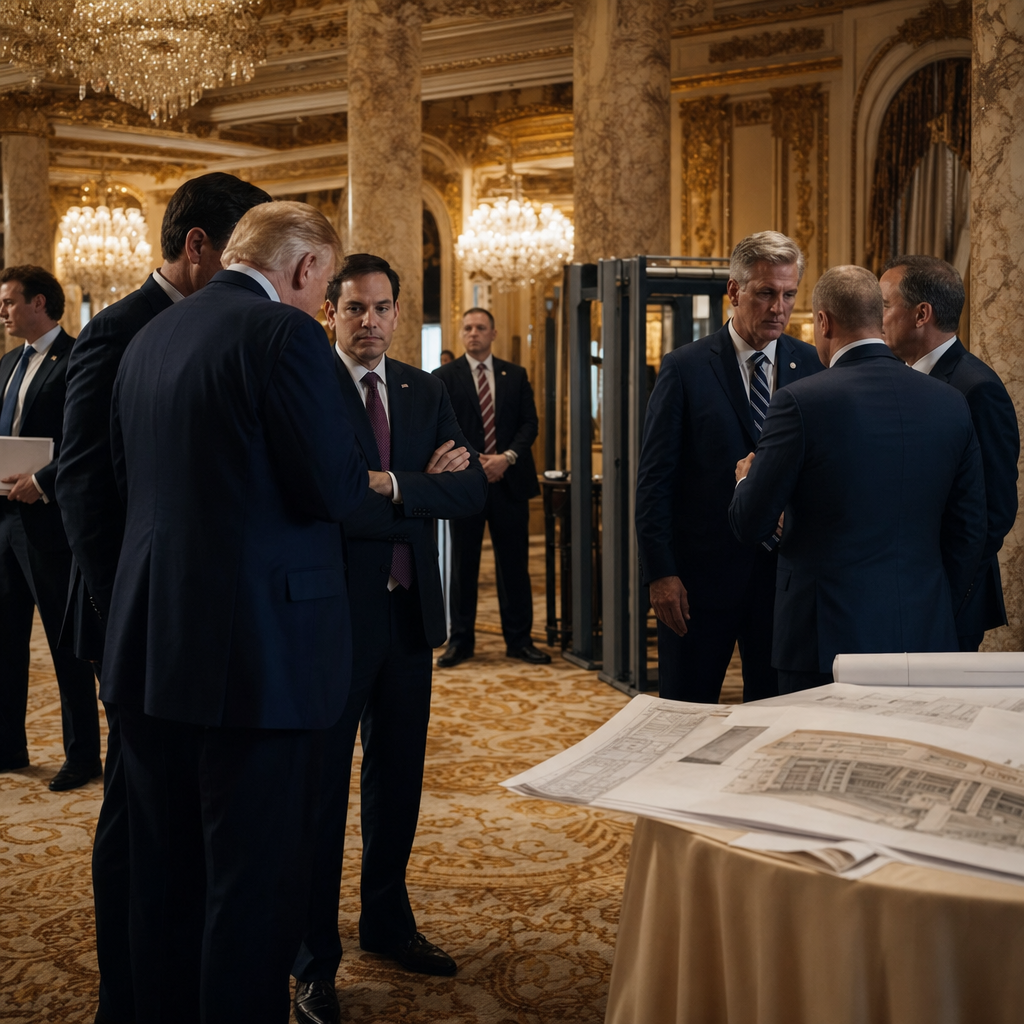
Republicans are divided over a $1 billion security request for Trump's ballroom.
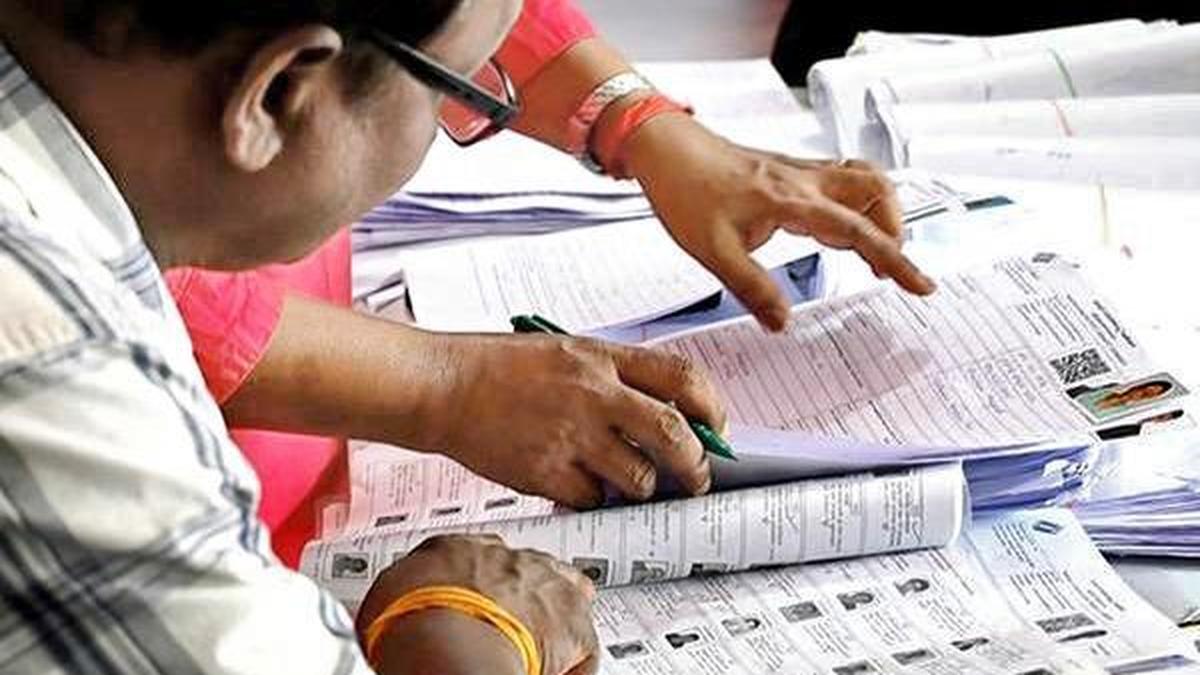
The ECI's voter roll clean-up reaches 22 states, but faces political and operational hurdles.
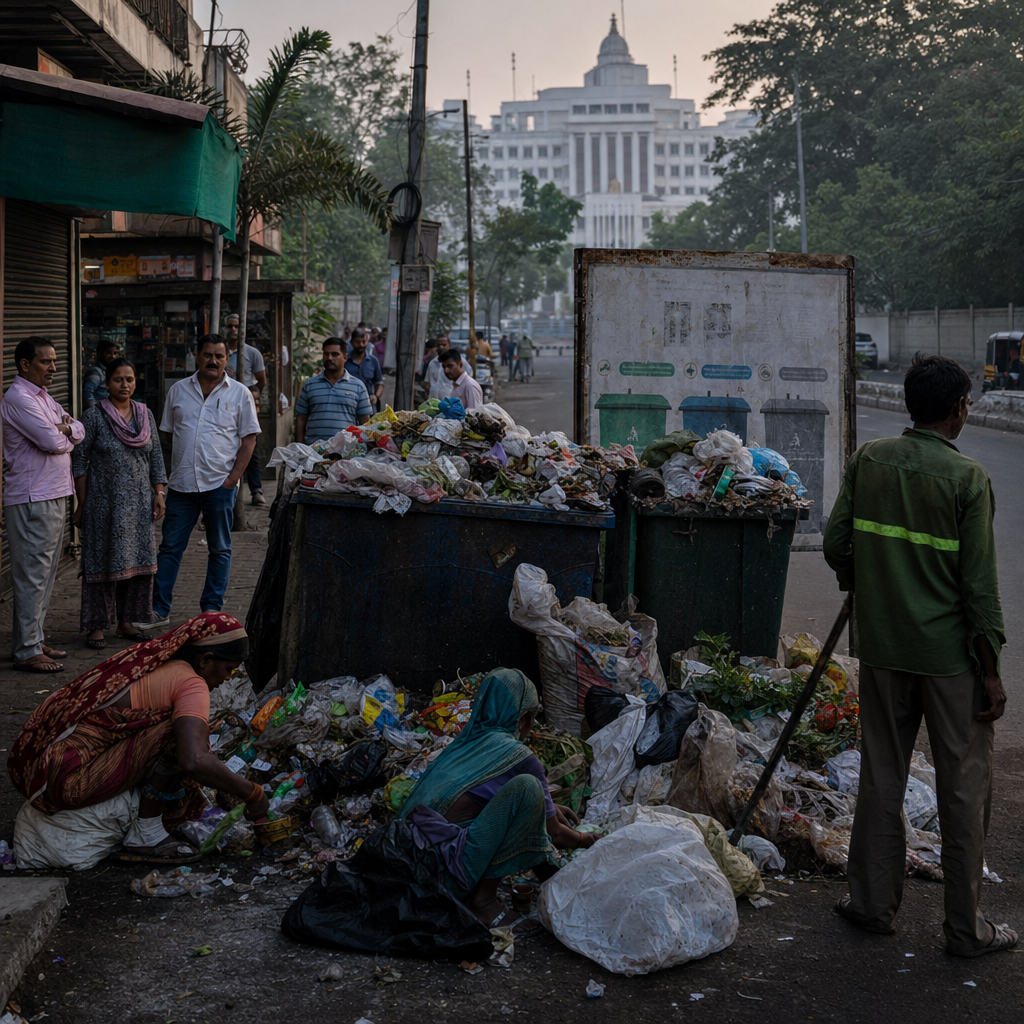
India's new waste management rules risk failing due to lack of local support.
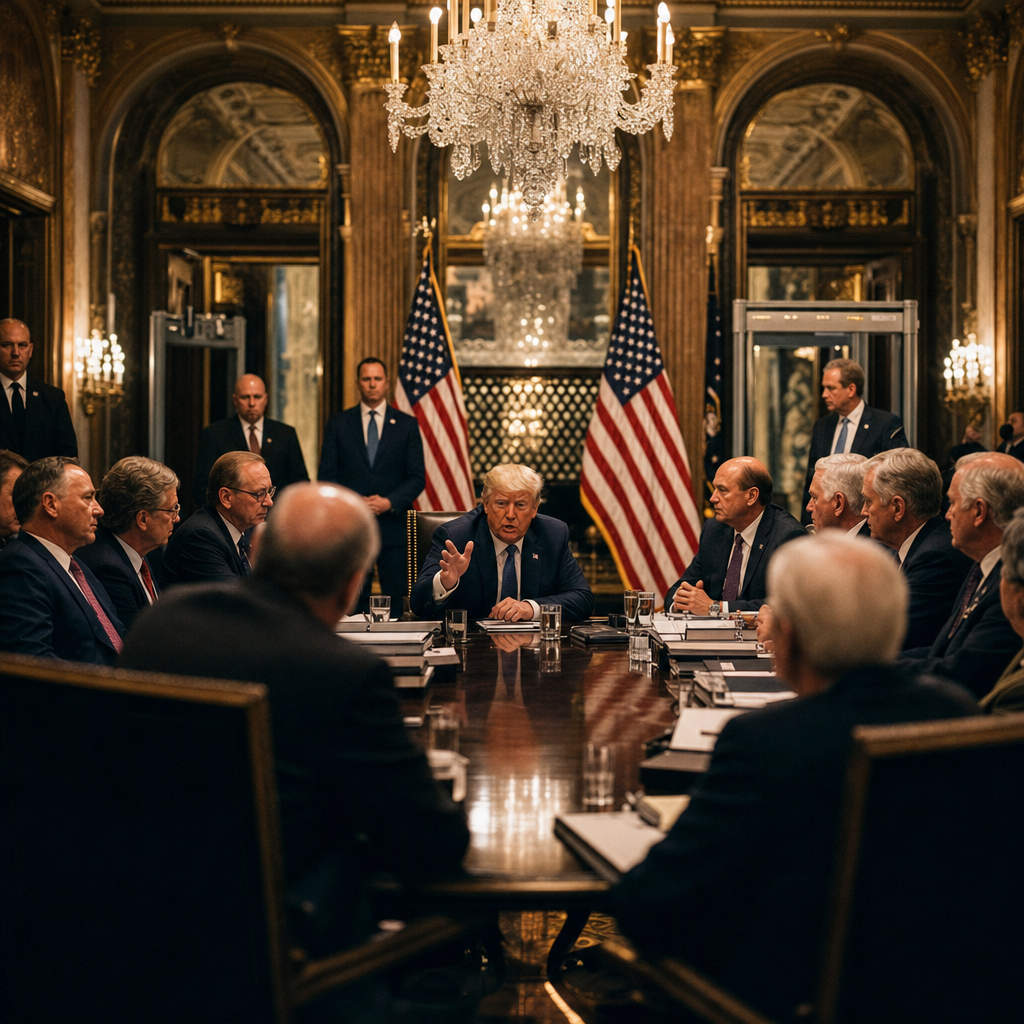
Senate GOP leaders push for $1 billion in security funding for Trump.