

Diplomat Briefing
Iran Ceasefire on Life Support — Global Politics Briefing, May 12, 202
·5 developments
For the complete documentation index, see llms.txt.Skip to main content
Three active wars, a superpower summit that starts tomorrow, and a fragile ceasefire collapsing in real time — the world's crisis architecture is buckling under its own weight.
Seventy-four days into the US-Israel war on Iran, the fragile truce that has kept the guns partially quiet since April 8 is now visibly disintegrating. Trump declared the ceasefire "on life support" on Monday after rejecting Iran's 14-point peace proposal — submitted via Pakistani mediators on Sunday — as "totally unacceptable." Iran's Foreign Ministry spokesman Esmaeil Baghaei fired back that the US was making "unreasonable" and "one-sided" demands, while parliamentary speaker Mohammad Bagher Ghalibaf warned that Iranian forces are ready to respond to "any aggression" in ways that will leave Washington "surprised." The breakdown rattled energy markets immediately: Brent crude surged 4.65% to $99.95 a barrel on Monday morning, and WTI jumped past $105. Iran's proposal included demands for a full end to hostilities across the region, the lifting of the US naval blockade imposed on Iranian ports since April 13, the release of frozen Iranian assets, and safe transit through the Strait of Hormuz — but notably did not, according to US officials, include concessions sufficient on the nuclear enrichment question that sits at the core of Washington's war aims. The Strait has been under effective Iranian blockade since Tehran closed it to most commercial traffic after the US and Israel first struck on February 28, cutting off roughly 20% of the world's crude oil and gas supply. A US-led effort to force open a shipping lane last week — which involved sinking six Iranian patrol boats and sustaining a barrage of Iranian missiles and drones against the UAE — has stalled after Trump paused the operation to allow diplomatic space. That space now appears exhausted.
Al Jazeera Live Blog |
The Washington Post |
NPR
Trump arrives in Beijing tonight ahead of two days of summit talks with Xi Jinping on May 14–15, the first US presidential visit to China in nearly a decade. The agenda is crowded: a permanent trade framework to replace the fragile tariff truce agreed in October 2025, Chinese purchases of US agricultural goods, Boeing aircraft and energy, a proposed "Board of Trade" and "Board of Investment," rare earth mineral supply guarantees, Taiwan arms sales, AI risk channels — and Iran. Xi enters the meeting from a position of structural advantage. China's exports have hit record levels since the trade war began, as Beijing diversified toward new partners; Chinese crude imports through the Gulf are down 20% in April due to the Strait closure, giving Xi genuine incentive to end the Iran conflict, but on his own terms rather than Washington's. Treasury Secretary Bessent meets his counterpart He Lifeng in Seoul today for last-minute pre-summit talks. The wild card: Trump openly told reporters that Xi "will bring up Taiwan more than I will" and suggested US arms sales to Taipei are on the table for discussion — a signal that alarmed Taipei well before Air Force One touched down.
BBC News |
The Straits Times |
South China Morning Post
The three-day ceasefire Trump announced on Friday — timed to overlap with Russia's Victory Day parade — died on schedule early Tuesday morning, and Russia marked its expiry with a wave of more than 200 attack drones targeting seven Ukrainian regions, damaging energy facilities, apartment buildings, a kindergarten, and a train line. One person was killed in the Dnipropetrovsk region. Zelensky was blunt: "Russia itself chose to end the partial silence." He also noted the obvious strategic reality — "it is clear that the war in Iran is now drawing the most attention from America" — as US envoys Witkoff and Kushner remain focused on Pakistan-mediated Iran talks and have visited Moscow eight times without once traveling to Kyiv. The Ukraine peace process is effectively frozen. Putin's post-Victory Day suggestion that former German Chancellor Gerhard Schroeder serve as a Kremlin-selected EU mediator was dismissed instantly by EU foreign policy chief Kaja Kallas, who noted that Schroeder "has been a high-level lobbyist for Russian state-owned companies — he would be sitting on both sides of the table."
France 24 |
Le Monde |
Al Jazeera
In Brussels on Monday, the EU and UK unveiled coordinated sanctions packages targeting Russian institutions responsible for the forcible deportation and military indoctrination of Ukrainian children — 85 individuals and entities sanctioned by London, 23 by Brussels — including the so-called "warrior centre" where Ukrainian minors are subjected to pro-Kremlin military training. The EU noted nearly 20,500 children have been forcibly transferred since February 2022, a figure that underpins the ICC arrest warrant already issued against Putin. On the same day, EU foreign ministers voted to restore full trade ties with Syria for the first time since 2011, reactivating a cooperation agreement suspended when Assad began massacring protesters. Trade minister Asaad al-Shaibani held high-level political talks in Brussels — the clearest signal yet that the EU sees Ahmed al-Sharaa's interim government as a legitimate interlocutor, and that Syrian reconstruction is becoming a live European policy priority.
Al Jazeera — EU/UK Russia Sanctions |
Al Jazeera — Syria Trade
EU diplomats unanimously agreed Monday to impose new sanctions on Hamas leaders and leaders of the Israeli settler movement in the West Bank — a gesture that conspicuously stops well short of applying leverage on the Israeli government itself. The move reflects the EU's familiar internal tension: enough consensus to sanction non-state actors on both sides, but not enough to threaten the EU-Israel Association Agreement or impose consequences on Benjamin Netanyahu's government over the continuing Gaza campaign. The decision emerged from the same Brussels foreign ministers meeting that produced the Syria and Russia packages — a busy day for EU external action that nonetheless illustrated the limits of European coercive power when member state unanimity is required.
$99.95 — Brent crude per barrel on Monday morning, up 4.65% in a single session after Trump's rejection of Iran's peace proposal. WTI crossed $105. The Strait of Hormuz carries roughly 20% of global oil and gas. Every failed negotiating round is now a price shock. The Washington Post
20% — The drop in China's crude oil imports in April compared to a year ago, the lowest level in nearly four years, driven directly by the Strait of Hormuz closure. This is Beijing's most concrete economic incentive to press Tehran — but it will do so on its own timetable. The Straits Times
India-Pakistan: One Year On, and the Regional Map Has Quietly Redrawn Itself
The one-year anniversary of the 90-hour India-Pakistan military conflict passes this week with almost no coverage — yet the strategic aftershocks are still spreading. Pakistan has leveraged the Iran crisis to engineer a geopolitical comeback, positioning itself as the indispensable mediator between Washington, Tehran, and Arab capitals — a role that has partially rehabilitated Islamabad in Trump's eyes and injected deep uncertainty into India's long-standing assumption of US strategic favoritism. Delhi has responded by rebalancing: accelerating diplomatic repair with China, moving closer to the EU, and resisting US pressure to cut ties with Russia. The Indus Waters Treaty remains suspended. Formal diplomacy between the two nuclear-armed neighbors is "almost non-existent." And per analysts cited by the BBC, the threshold for future escalation has hardened: any major militant attack above a certain threshold is now, implicitly, treated as an act of war. The ceasefire held. Almost nothing else did.
Diplomat Briefing — Daily political intelligence.
Read more:
Today's stories
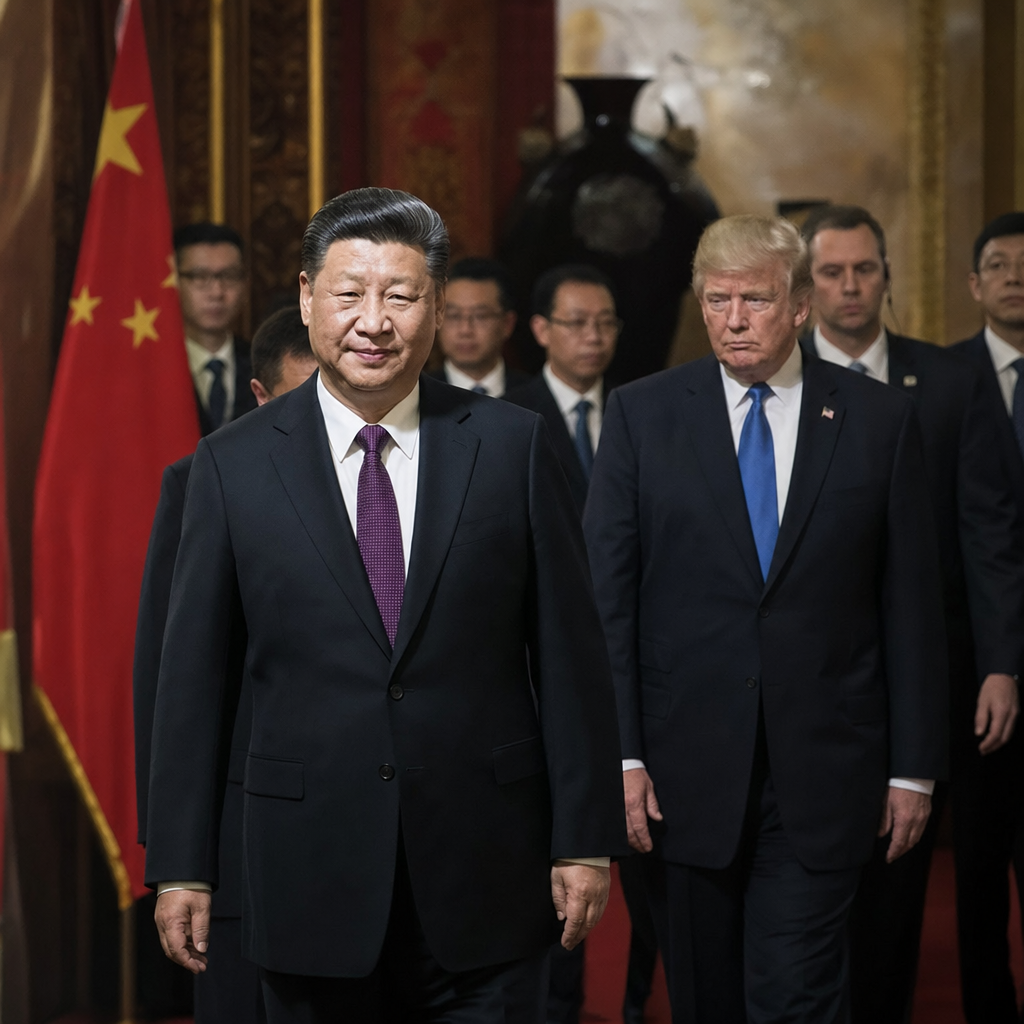
Trump's China visit reveals a power imbalance favoring Xi Jinping.
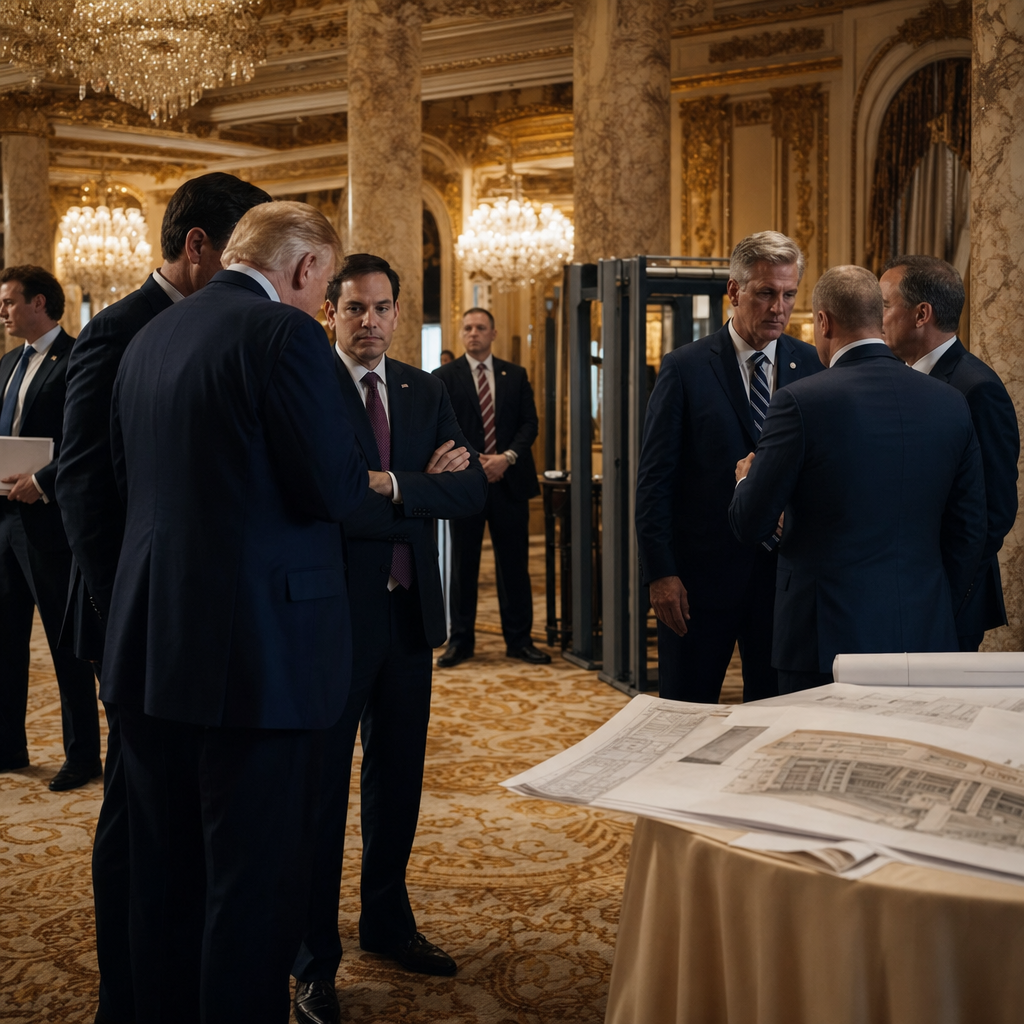
Republicans are divided over a $1 billion security request for Trump's ballroom.
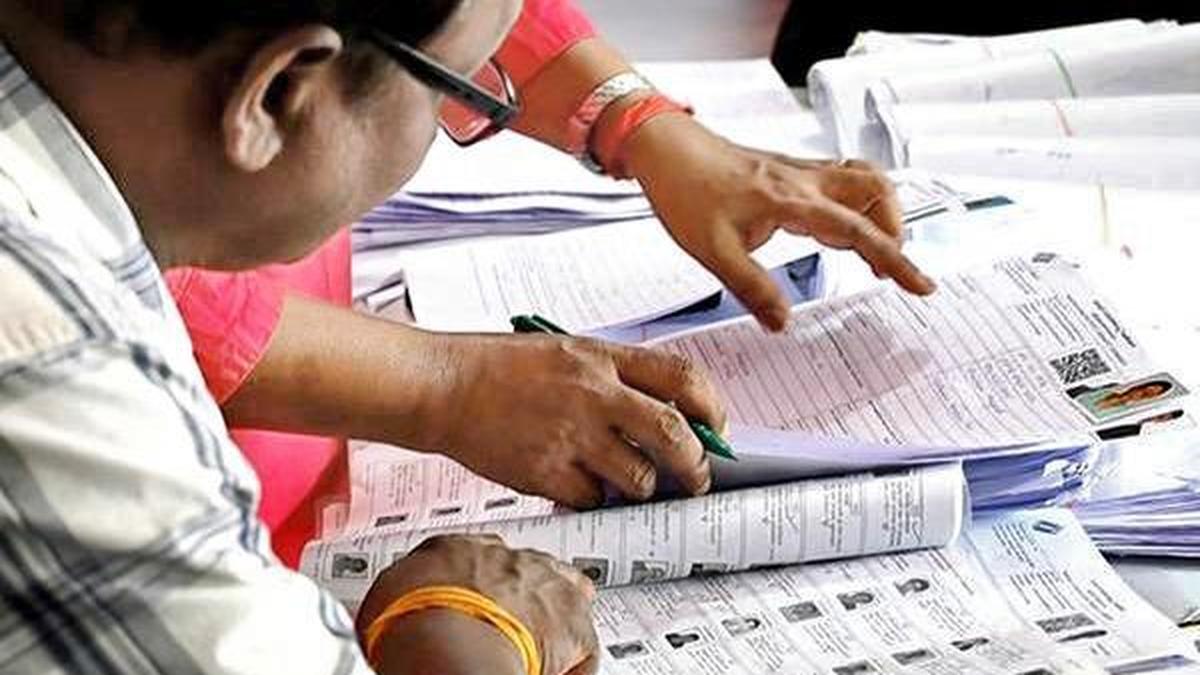
The ECI's voter roll clean-up reaches 22 states, but faces political and operational hurdles.
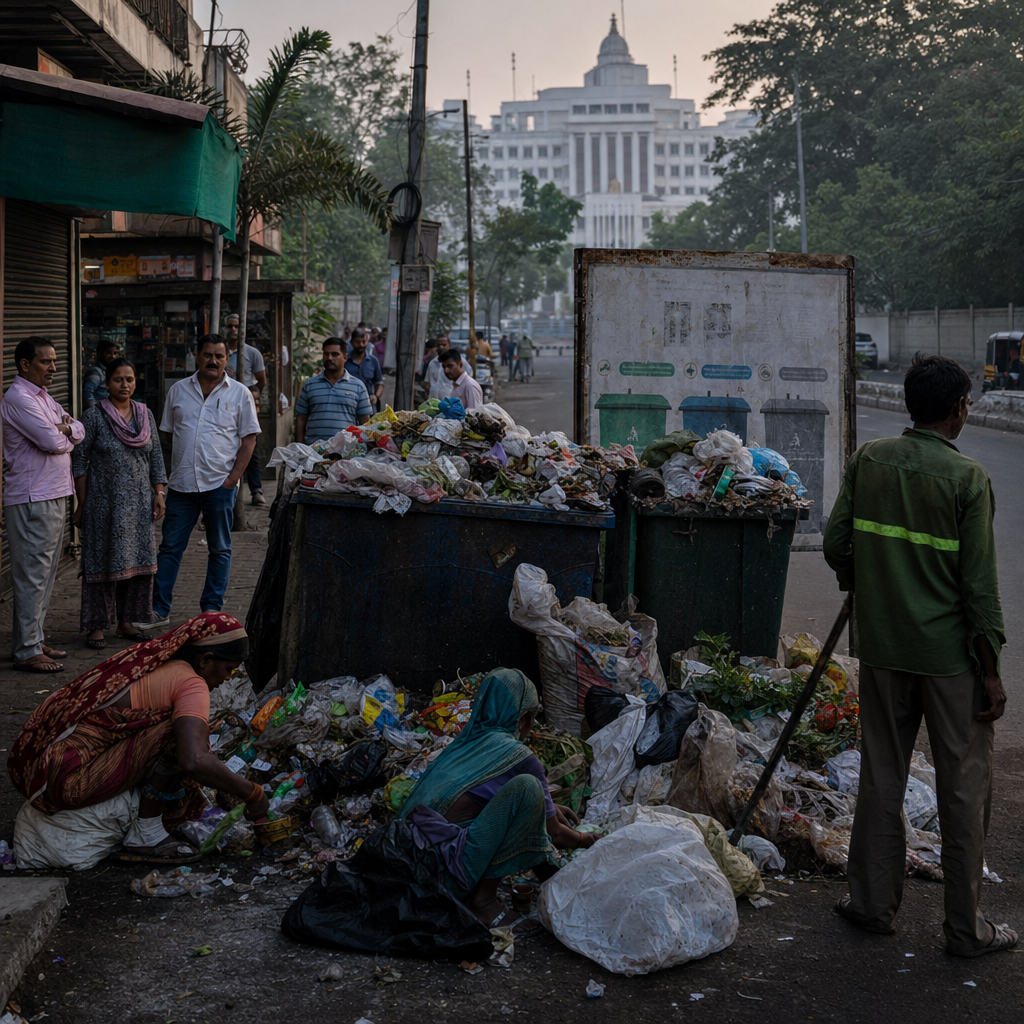
India's new waste management rules risk failing due to lack of local support.
Senate GOP leaders push for $1 billion in security funding for Trump.