

Diplomat Briefing
Iran's Ceasefire Response and Trump's Beijing Trip — Global Politics,
·5 developments
For the complete documentation index, see llms.txt.Skip to main content
Every pressure point in today's world traces back to one question: whether a fragile, unverified ceasefire with Iran can survive long enough to become a deal — and whether Trump's Beijing trip five days from now reshapes the answer.
Secretary of State Rubio told reporters Friday that Washington expects Tehran's formal response to a 14-point US memorandum of understanding — covering a halt to nuclear enrichment, sanctions relief, and Strait of Hormuz reopening — to arrive today via Pakistani mediators. Iran's Foreign Ministry called it "under review," while a parliament spokesman dismissed it as a "wish list." The diplomatic track is running simultaneously with live military contact: Iran's Fars news agency reported "sporadic clashes" between US and Iranian naval forces in the strait Friday, and Thursday saw Brent crude spike 7.5% to $101/barrel after CENTCOM acknowledged "self-defence strikes" against Iranian vessels. Trump has simultaneously declared Operation Epic Fury "over" and threatened that bombing would resume "at a much higher level" if no deal materialises — two positions his own officials have struggled to reconcile in 48 hours.
Al Jazeera Iran War Live |
BBC |
Reuters/NPR
The Moscow Red Square parade went ahead this morning — the first in nearly two decades without tanks, missiles, or armored columns, withdrawn by Russia's Defense Ministry citing "operational situation" and Ukrainian drone threats. Trump announced a US-brokered three-day ceasefire (May 9–11) on Friday, accompanied by a 1,000-for-1,000 prisoner exchange; Zelenskyy issued a decree "permitting" Russia to hold the parade and stood down Ukrainian weapons from Red Square. Putin used his address to frame the Ukraine war as resistance against "the entire NATO bloc," with North Korean troops among the assembled units. The ceasefire's durability past Monday is the immediate test — both sides violated earlier truces this week before US intervention.
The Trump–Xi summit, originally planned for March before the Iran war intervened, is now locked in for next Wednesday and Thursday. China is the leverage point the US cannot ignore: Beijing takes roughly 12% of its crude from Iran and relies on the Strait of Hormuz for approximately 60% of its oil imports, yet has twice joined Russia in vetoing US-backed Security Council resolutions on the strait. Iranian FM Araghchi was in Beijing on Wednesday — days before Trump arrives — in what functions as Tehran's attempt to pre-brief its main economic patron before Washington can set the agenda. Treasury Secretary Bessent publicly called on China to "step up diplomacy" to push Iran to reopen the strait; Trump, characteristically, described Xi as "very respectful."
The Straits Times |
South China Morning Post
Beijing's Ministry of Commerce formally invoked the country's 2021 "blocking statute" this week, ordering Chinese citizens and companies not to comply with US Treasury sanctions targeting five Chinese oil refineries accused of processing Iranian crude. This is the first activation of the law since it was enacted, and it puts Chinese firms in an explicit legal bind: comply with Washington and face Beijing's penalties, or comply with Beijing and face Washington's. Eurasia Group analyst Dominic Chiu calls it a demonstration of "a lower threshold for deploying their regulatory toolkit." The move is symbolic ahead of the summit, signalling that Beijing will not visibly capitulate on Iran sanctions in order to smooth Trump's visit.
President Félix Tshisekedi told reporters Wednesday he would accept a third term "if the people want it" and warned that the 2028 elections may not occur if M23 rebels — backed, per overwhelming evidence, by Rwanda — continue to hold Goma and Bukavu. The remarks follow a March bill in parliament to enable a constitutional referendum on term limits, a move opposition groups have called a "constitutional coup." The US sanctioned former president Joseph Kabila last month for allegedly financing M23. Tshisekedi's conflation of the conflict and electoral timelines gives Kinshasa political cover to defer accountability while the minerals deal with Washington — signed in December — keeps US attention aligned with his government's survival.
~1,500 — Ships and crews stranded in the Persian Gulf, per the UN's International Maritime Organization. With Project Freedom paused and the US naval blockade of Iranian ports still active, the humanitarian and commercial pressure compounds daily. Al Jazeera, Day 70 report
$101/bbl — Brent crude price Thursday, following Hormuz clashes. Pre-war levels were roughly half that. Al Jazeera
€90bn — EU-backed military loan to Ukraine approved last week, unlocked after Hungary's Viktor Orbán lost power to a less Russia-aligned successor. BBC
Cuba is being economically strangled — and the UN is saying so out loud
While Iran dominates the energy-security conversation, the Trump administration has imposed a near-total fuel blockade on Cuba: only one Russian oil tanker has reached the island in recent months. On Thursday, three UN Special Rapporteurs formally condemned what they called "energy starvation" — a condition in which fuel scarcity is now preventing hospital access and children from attending school, with a backlog of over 96,000 surgeries. The same day, Washington added new sanctions on GAESA, the Cuban military's economic conglomerate, and Canadian miner Sherritt International suspended its Cuba joint venture immediately. The combination of a fuel embargo, secondary sanctions threatening any country that delivers oil, and explicit statements from Trump about "taking over" Cuba represents the most aggressive Western Hemisphere coercion campaign in decades — with almost no major-power pushback and no coverage bandwidth left after Iran.
Diplomat Briefing — Daily political intelligence.
Read more:
Today's stories
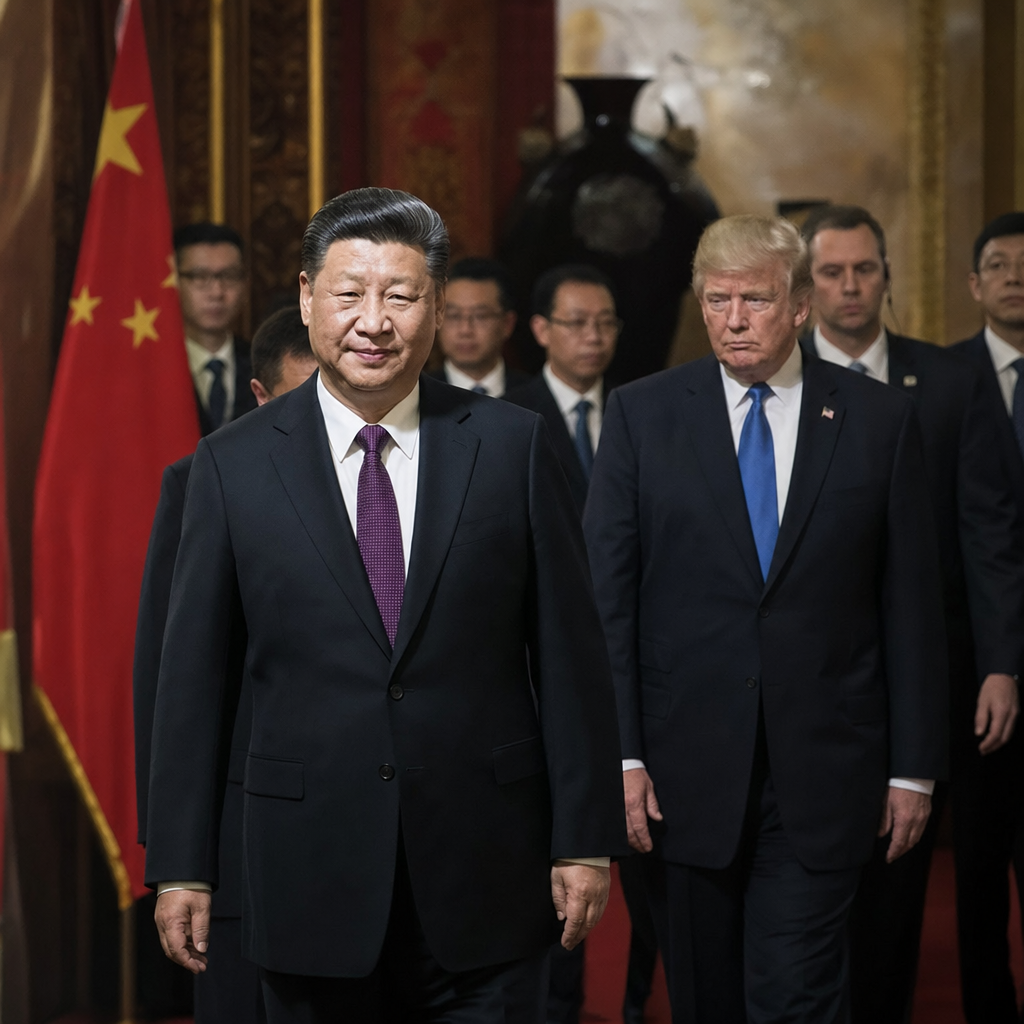
Trump's China visit reveals a power imbalance favoring Xi Jinping.
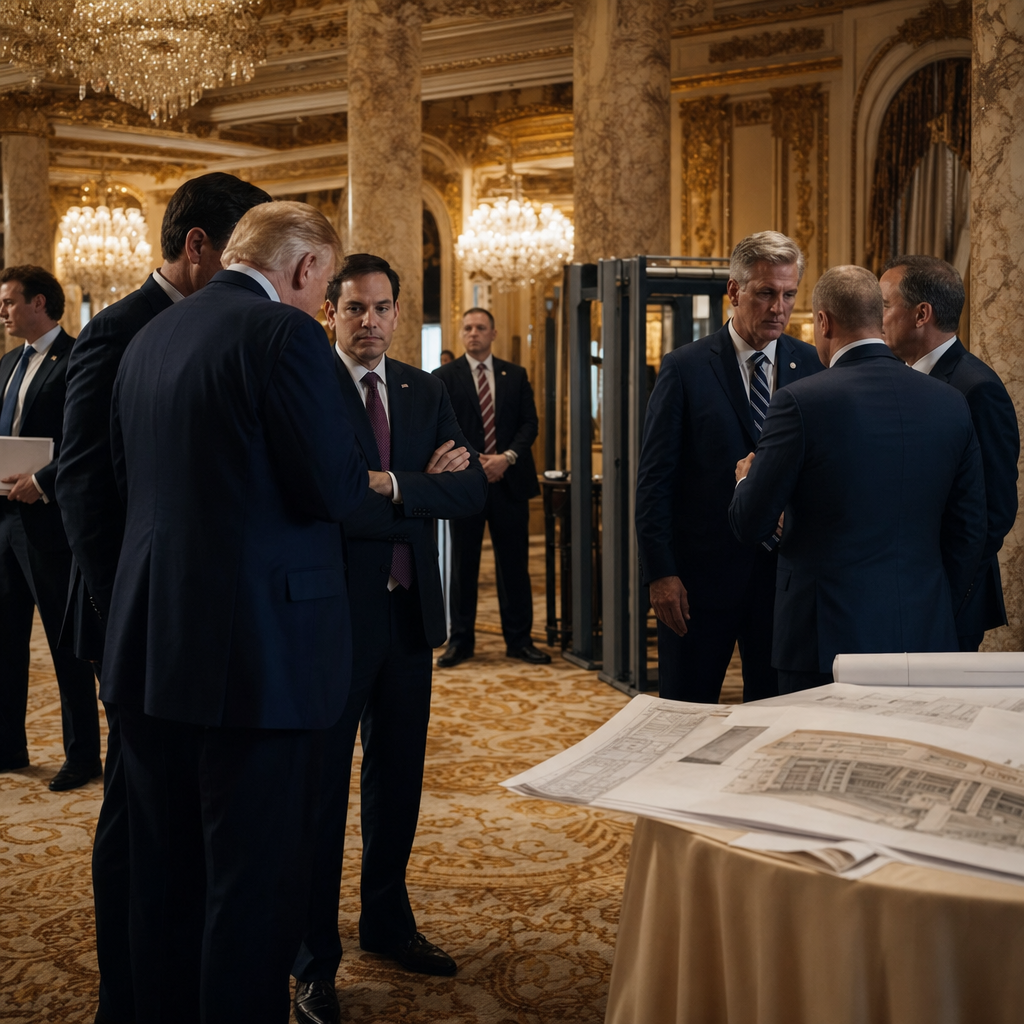
Republicans are divided over a $1 billion security request for Trump's ballroom.
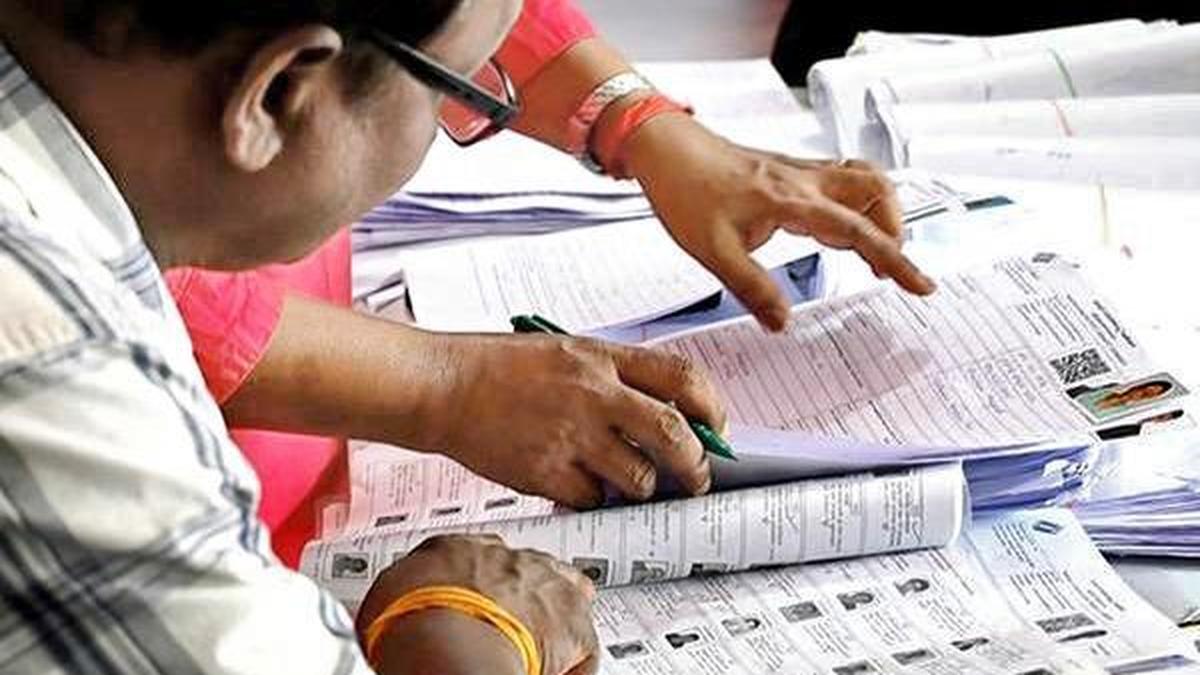
The ECI's voter roll clean-up reaches 22 states, but faces political and operational hurdles.
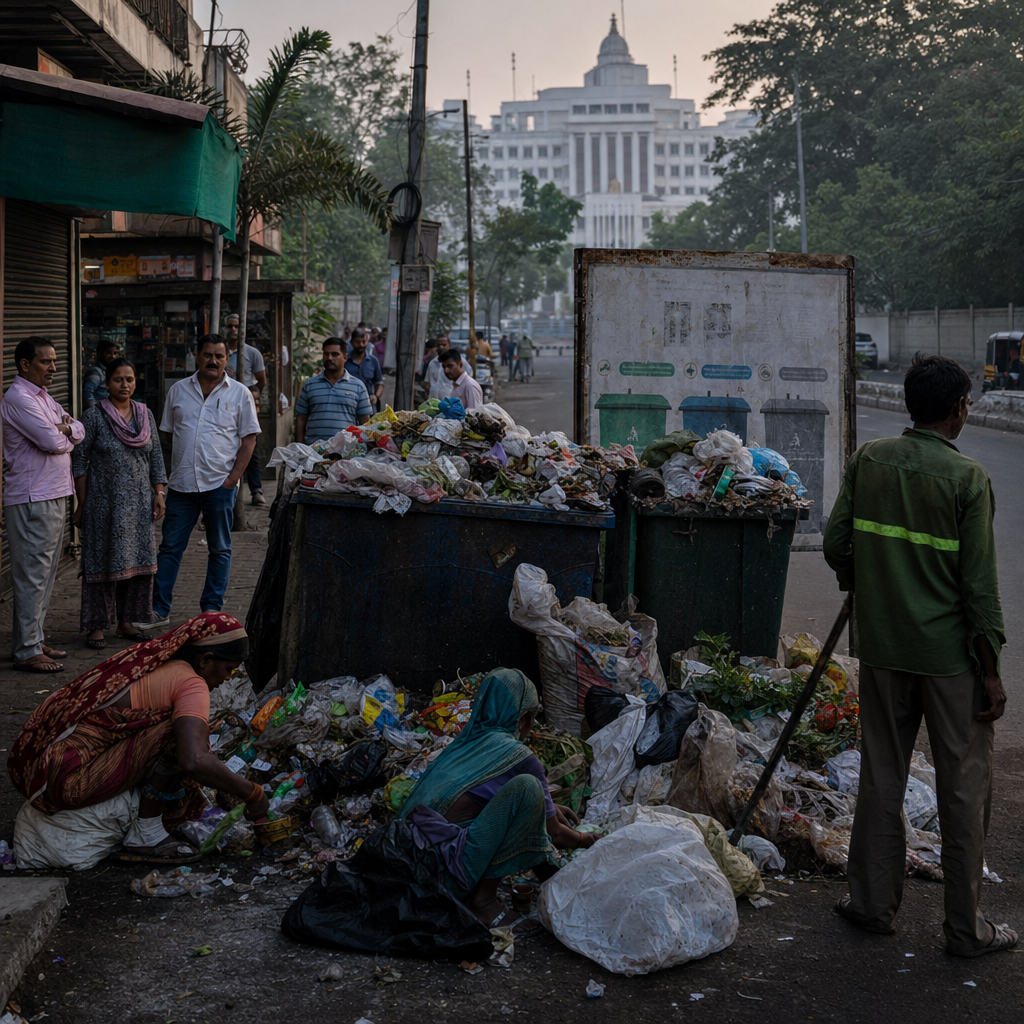
India's new waste management rules risk failing due to lack of local support.
Senate GOP leaders push for $1 billion in security funding for Trump.