

Diplomat Briefing
Iran Ceasefire Tensions Escalate — Global Politics Briefing, May 08,
·5 developments
For the complete documentation index, see llms.txt.Skip to main content
Three simultaneous near-wars — Iran, Ukraine, and the Korean Peninsula — are each approaching inflection points today, and Washington is the pivot in all of them.
Day 70 of the US–Iran war, and the fragile truce is taking fire from both sides — literally. Iran accused the United States of violating the ceasefire by attacking two vessels near the Strait of Hormuz and striking civilian areas along Iran's southern coast; Iranian state media said Tehran's forces retaliated against US naval vessels and warned of a "crushing response." Trump countered that three US Navy destroyers transited the strait "under fire" without sustaining damage and that Iranian boats were "completely destroyed" — while simultaneously insisting the ceasefire remains in force. Brent crude surged 7.5 percent on Thursday before settling near $101 a barrel, with 1,500 ships and their crews still stranded in the Gulf. The deeper story is a structural negotiating shift: after Trump paused "Project Freedom" — the US Navy's short-lived Hormuz escort operation — on May 5, citing progress toward a memorandum of understanding, analysts now read Washington as having implicitly accepted Iran's core sequencing demand: reopen the strait and end the war first; nuclear talks come later. That is a significant concession. Iran's 14-point proposal, transmitted to Washington via Pakistan, calls for lifting the US naval blockade, releasing frozen Iranian assets, paying reparations, and establishing a new Iranian-supervised mechanism governing the strait — with nuclear issues explicitly deferred. Rubio said nuclear issues "have to be addressed" but declined to elaborate on terms. The gap on Hormuz governance alone is wide: Washington wants unconditional free passage; Tehran wants a toll-booth arrangement it can brand as sovereignty. A deal is closer than it was a week ago, but the shooting today makes it no safer.
Al Jazeera — Iran war day 70 |
Al Jazeera — Has the US accepted Iran's Hormuz-first demand?
While more than twenty world leaders stood in Moscow's Red Square for Russia's Victory Day on Friday, the leaders of France, Germany, the UK, and Poland staged a deliberate counter-signal — travelling overnight by train to Kyiv, where they stood alongside Zelensky at a memorial for fallen soldiers and jointly demanded a full, unconditional 30-day ceasefire beginning Monday. Macron warned that "massive, coordinated" US-European sanctions were ready if Russia refused. For Friedrich Merz, just days into the chancellorship, it was his first visit to Ukraine as German leader. Putin's response was to sidestep the 30-day demand entirely, proposing instead a return to direct talks in Istanbul on May 15 — the same format that produced no ceasefire in May and June 2025. Merz called the counter-offer "far from sufficient." The leverage question now is whether Trump holds the sanctions threat or, as he did in 2025, pressures Kyiv to accept talks without a truce in place first.
BBC — Starmer joins world leaders in Ukraine |
BBC — European leaders pressure Russia
The Istanbul diplomatic track now has more than a year of precedent and nothing to show in ceasefire terms. The first direct talks since 2022 took place on May 16, 2025 — no ceasefire, prisoner swap agreed. A second round on June 3, 2025 produced another prisoner exchange and Russia's presentation of a memorandum demanding Ukraine withdraw from the four regions Moscow annexed but never fully captured, freeze Western arms deliveries, ban foreign military presence, and formally abandon NATO. Ukraine called it capitulation. Rubio himself said before the first round that he had "no high expectations", and nothing since has changed that calculus. Russia is using the Istanbul process to establish a negotiating baseline that locks in its territorial gains; Ukraine is using it to demonstrate Russian bad faith to Western allies and sustain the sanctions threat. The next date that matters is May 15 — Putin's proposed resumption — which falls the day after Russia's three-day Victory Day truce expires and two days after today's Kyiv visit has either shamed Moscow or been absorbed by it.
NPR — Russia-Ukraine talks end without ceasefire |
Al Jazeera — Russia-Ukraine direct talks: what did they agree to?
Kim Jong Un announced this week that new 155mm self-propelled howitzers with a strike range exceeding 60 kilometers will be deployed to border artillery units this year — weapons explicitly ranged to hit greater Seoul and its 10 million residents. Simultaneously, Kim rode the destroyer Choe Hyon on Thursday to review its operational readiness and ordered it handed over to the navy in mid-June. The constitutional backdrop matters as much as the hardware: South Korea confirmed this week that North Korea's newly revised constitution drops all references to Korean unification and defines DPRK territory solely as the northern half of the peninsula — codifying Kim's "two-state" doctrine and permanently closing the diplomatic door his predecessors kept nominally ajar. The artillery announcement draws less international attention than ballistic missiles because it doesn't trigger UN Security Council resolutions — which is precisely why Kim is accelerating it. Seoul is in range; there is no international tripwire.
NPR — North Korea will deploy new artillery targeting Seoul
One year after the 90-hour India-Pakistan military clash — triggered by a militant attack on tourists in Kashmir and ending in mutual airstrikes — the subcontinent has settled into what analysts are calling a "brittle equilibrium." The Indus Waters Treaty remains suspended, the border is shut, trade is dead, and formal diplomacy is "almost non-existent." Pakistan emerged from the conflict with something it had lost: geopolitical relevance — it has since leveraged the Iran war and Gulf tensions to position itself as a mediator between Washington and Tehran, a role that Islamabad's brokering of the April 8 ceasefire cemented. India's calculation has shifted the other way: Delhi, irritated by Trump's public embrace of Pakistan and his mediation claims on Kashmir, has since accelerated European engagement, repaired ties with China, and resisted US pressure to cut links with Russia. Neither Modi nor Army Chief Munir shows any appetite for re-engagement. The next flashpoint is structural: Pakistan's corps commanders recently stressed "restraint," a formulation analysts read as confidence that Washington and Gulf capitals would intervene rapidly in any future crisis — a belief that makes miscalculation more, not less, likely.
BBC — One year after India-Pakistan conflict
$101/barrel — Brent crude after US-Iran Hormuz clashes on May 8. Up from ~$72 pre-war; the Strait remains effectively closed to unescorted commercial traffic, with roughly one-fifth of global energy supply still disrupted. Al Jazeera — Iran war day 70
1,500 — Ships and crews stranded in the Gulf, per the UN's International Maritime Organization chief, as Iran's Hormuz closure enters its tenth week. Al Jazeera — Iran war day 70
52–47 — US Senate vote on April 15 defeating the fourth bipartisan bid to invoke the War Powers Resolution and rein in Trump's Iran war. Republican support for the war holds — for now. Al Jazeera — Have US-Iran talks failed?
Pakistan Has Quietly Become the World's Most Important Diplomatic Address
While the US-Iran war dominated headlines, the structural shift underneath it went largely unreported: an Islamabad-mediated backchannel is now the primary channel of communication between Washington and Tehran on a conflict involving nuclear facilities, one-fifth of global oil supply, and active naval combat. Pakistan brokered the April 8 ceasefire, transmitted Iran's 14-point proposal and 15-point US counter-proposal, hosted the April 11 talks, and is now relaying written Iranian messages as formal channels remain frozen. As one analyst told Al Jazeera, this is "the first time Pakistan has simultaneously managed active conflict mediation between two adversaries under ongoing military escalation without direct contact between them." That role — combined with Pakistan's emergence as a Gulf-Washington intermediary during last year's India-Pakistan crisis — represents a foreign policy reinvention that Delhi is watching with alarm and Riyadh with cautious approval. The country most transformed by the Iran war may not be Iran.
Al Jazeera — How Pakistan managed to get the US and Iran to a ceasefire
Diplomat Briefing — Daily political intelligence.
Read more:
Today's stories
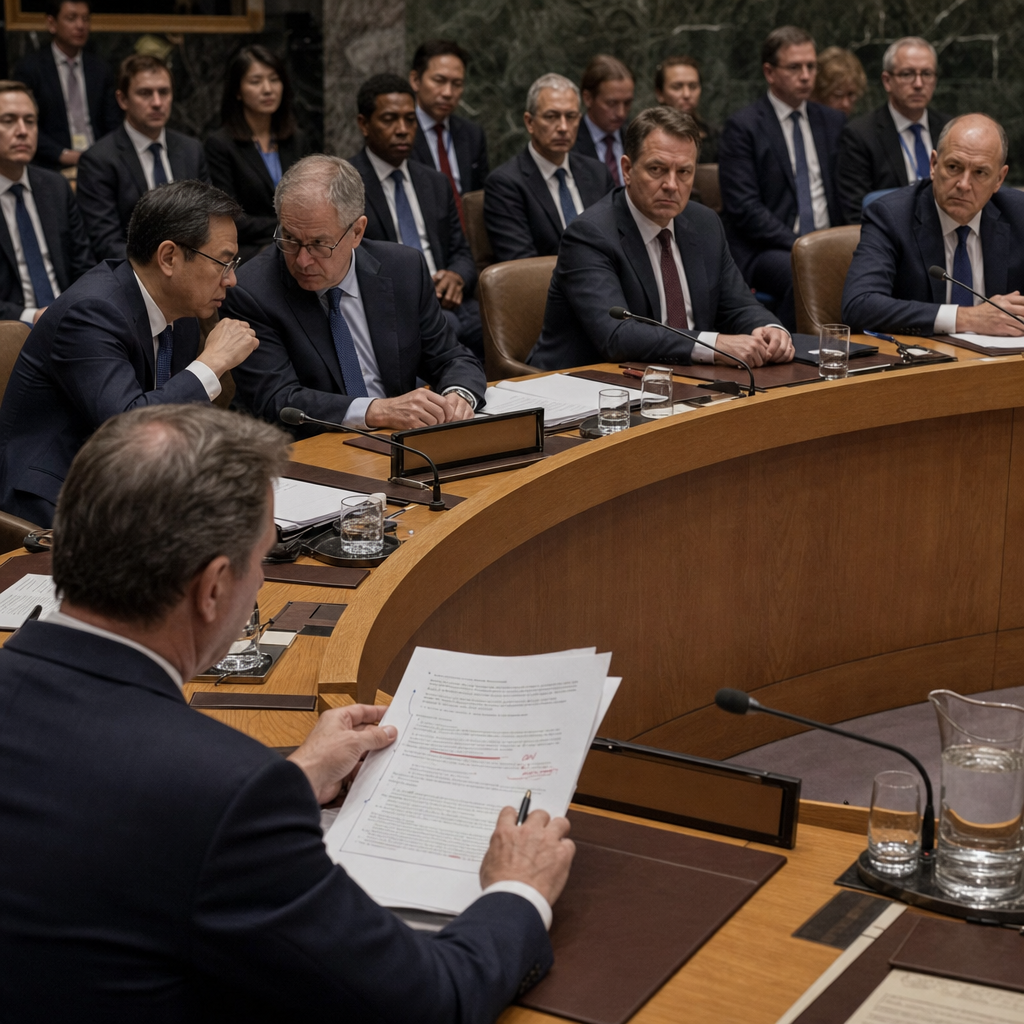
The U.S. revises its Iran resolution, but China and Russia are poised to veto it.
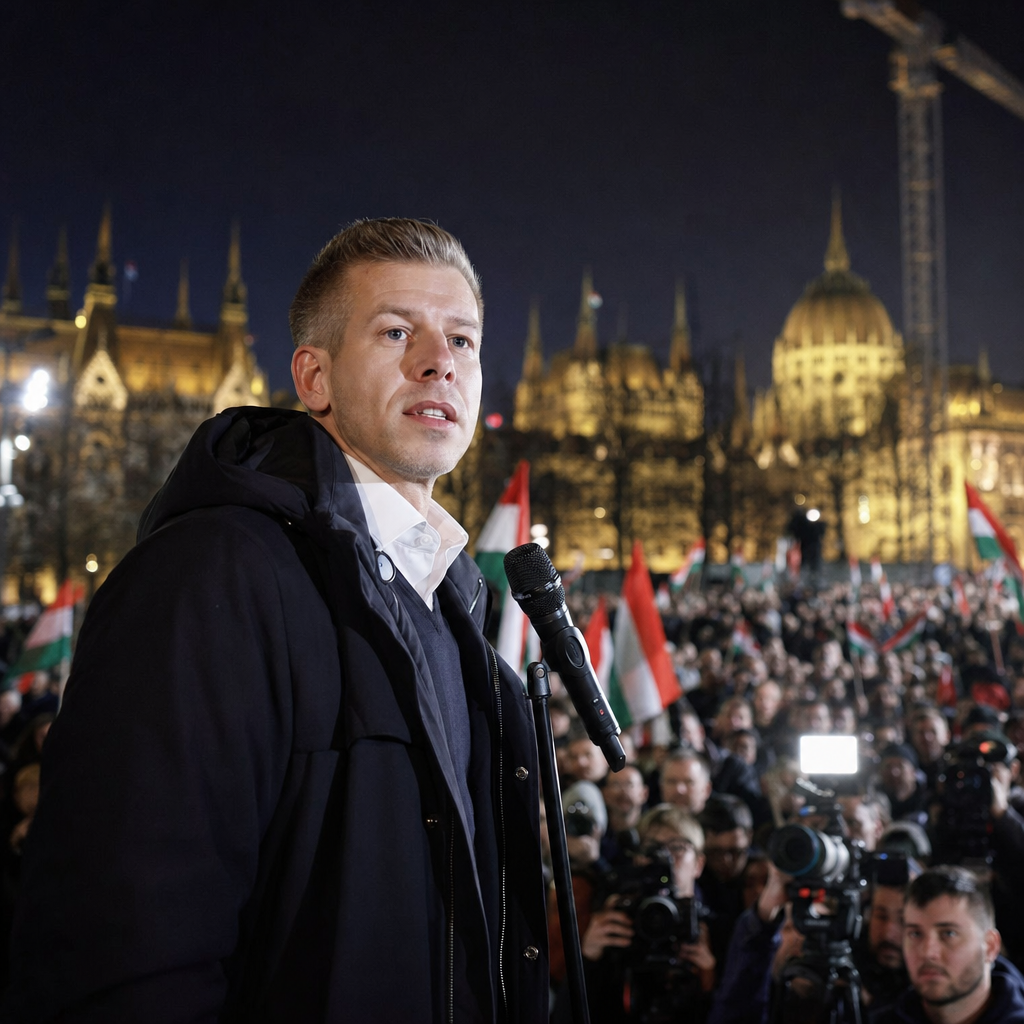
Péter Magyar's victory signals a potential shift in Hungary's political landscape.
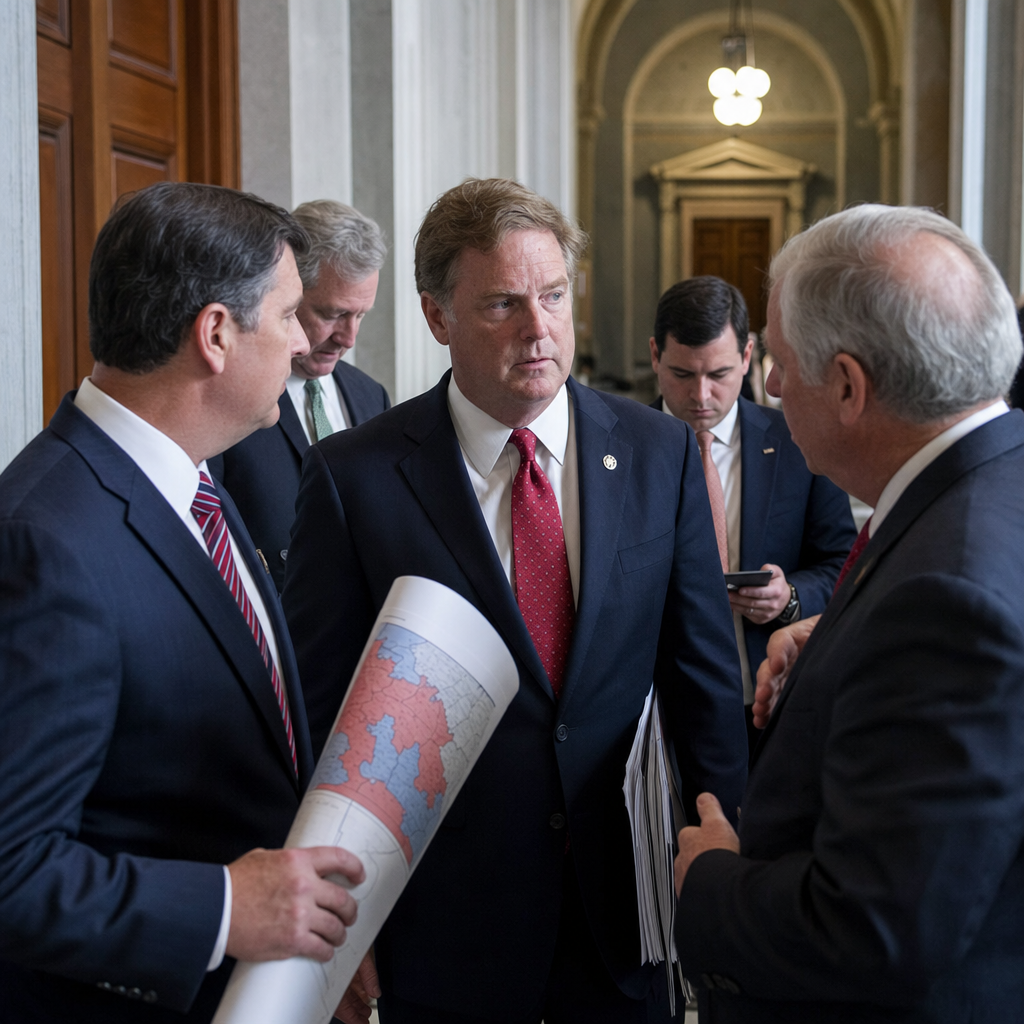
Alabama Republicans are poised to exploit court rulings for political gain.

The Supreme Court's ruling on Bengal VCs highlights ongoing governance struggles.
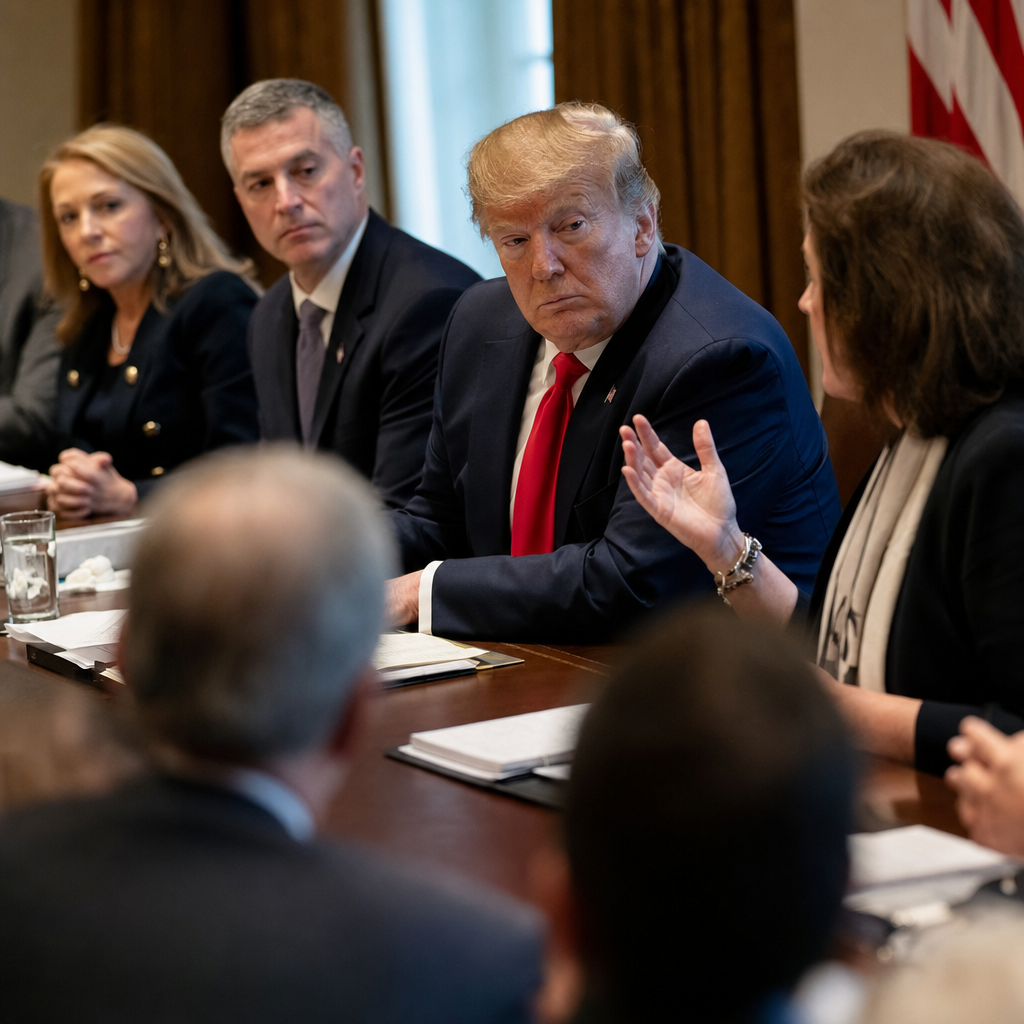
Trump's meeting with anti-abortion activists highlights tensions over mifepristone access.