Supreme Court Resolves Bengal VC Dispute
Court settles VC appointments, but power dynamics persist
Model Diplomat2 min readAsia

Supreme Court Ends Bengal VC Row, but Power Fight Remains
The court has cleared one more tranche of Bengal vice-chancellor appointments, yet the real story is who now needs judges to govern state universities.
The Supreme Court has settled the dispute over vice-chancellors for three West Bengal universities, ending a 30-month standoff between the Mamata Banerjee government and Governor C.V. Ananda Bose, according to Hindustan Times. That is not just an administrative fix: it is proof that neither side could convert its constitutional role into full control, and the court had to keep referee duties in the middle of routine university governance.
The Hindu described the wider case as a state challenge to the governor’s delay in clearing appointments to 36 universities, with the bench relying on a committee headed by former Chief Justice U.U. Lalit.
The leverage belongs to the court
The governor holds the formal leverage because he is the ex officio chancellor of Bengal’s state universities, but that authority has been weakened by the court-supervised appointment process, The Hindu and
Scroll reported. As of October 2025, 19 appointments had already been cleared while 17 remained disputed, showing that the real power was never in unilateral appointment, but in forcing the other side back to the table.
The Hindu noted that the bench was willing to separate agreed names from the unresolved ones, which is how the court has turned a political fight into a managed process.
Why this matters beyond the campuses
The immediate beneficiary is the university system itself. Vacant vice-chancellor posts and interim arrangements weaken admissions, budgets, and basic administration; they also let every appointment become a proxy fight between Raj Bhavan and Nabanna. The Hindu said the litigation stemmed from the state’s challenge to delays in clearing appointments, while
Scroll said the bench was hearing a petition over the governor’s failure to approve state-recommended candidates. The political loser is the side that hoped to use university appointments as a power signal: once the court steps in, both the elected government and the governor lose discretion.
What to watch next
The key question is whether this settlement closes the Bengal VC file or only the latest slice of it. The court had already signaled that unresolved names would be handled separately, including in chamber proceedings, The Hindu reported. If the remaining appointments move quickly, Bengal may finally get a stable higher-education chain of command; if they stall again, the Supreme Court will remain the real chancellor in practice. For broader context on the institutional pattern, see
India.
Discover more
India
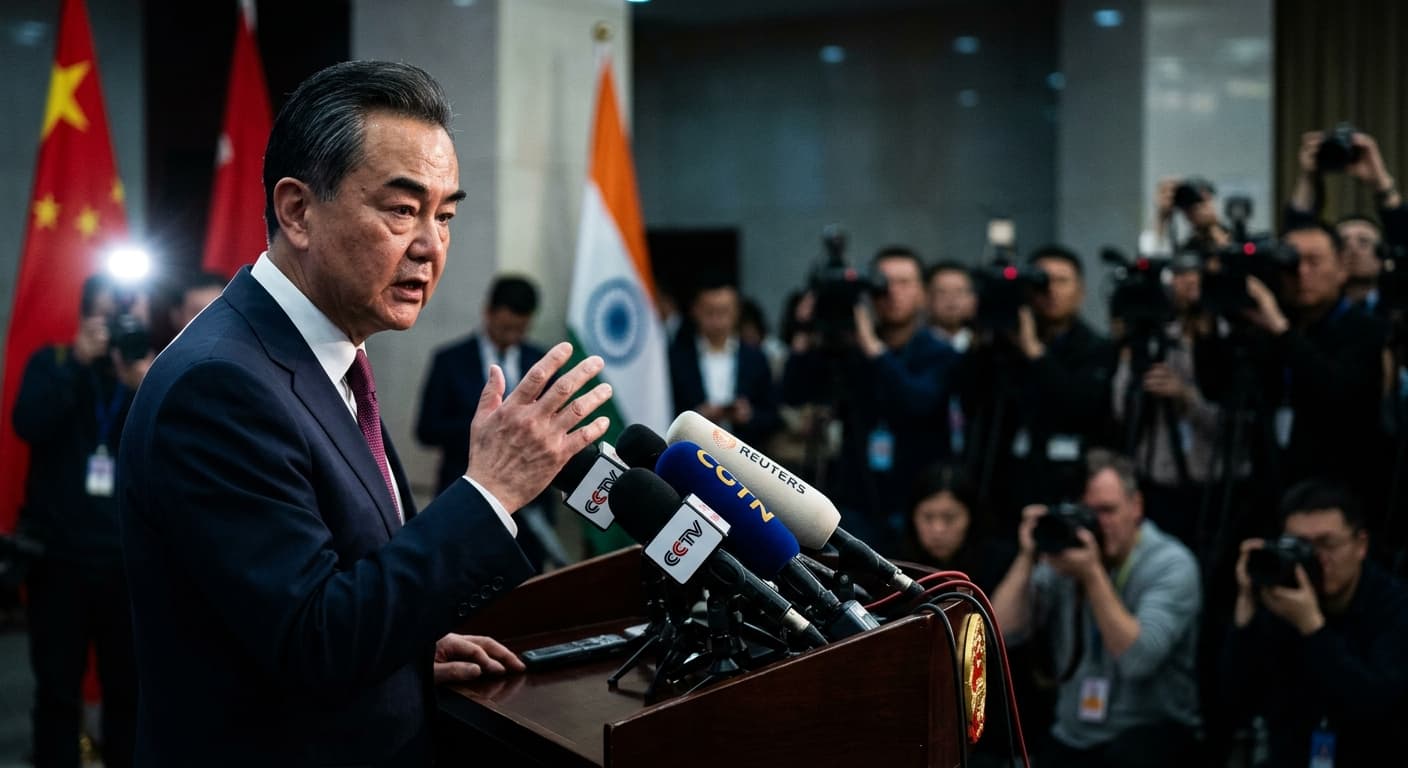
Wang Yi Urges India-China Dialogue Restart
China's Wang Yi emphasizes the need to resume stalled India-China dialogue mechanisms.

India
Iran's Control Over Hormuz Amid US Talks
Iran's Ghalibaf claims control over Hormuz as US lifts oil sanctions temporarily.

India
India-UK Trade Pact Removes Tariffs on 99%
India's trade pact with the UK eliminates tariffs on 99% of exports, but execution risks loom.
Global Politics
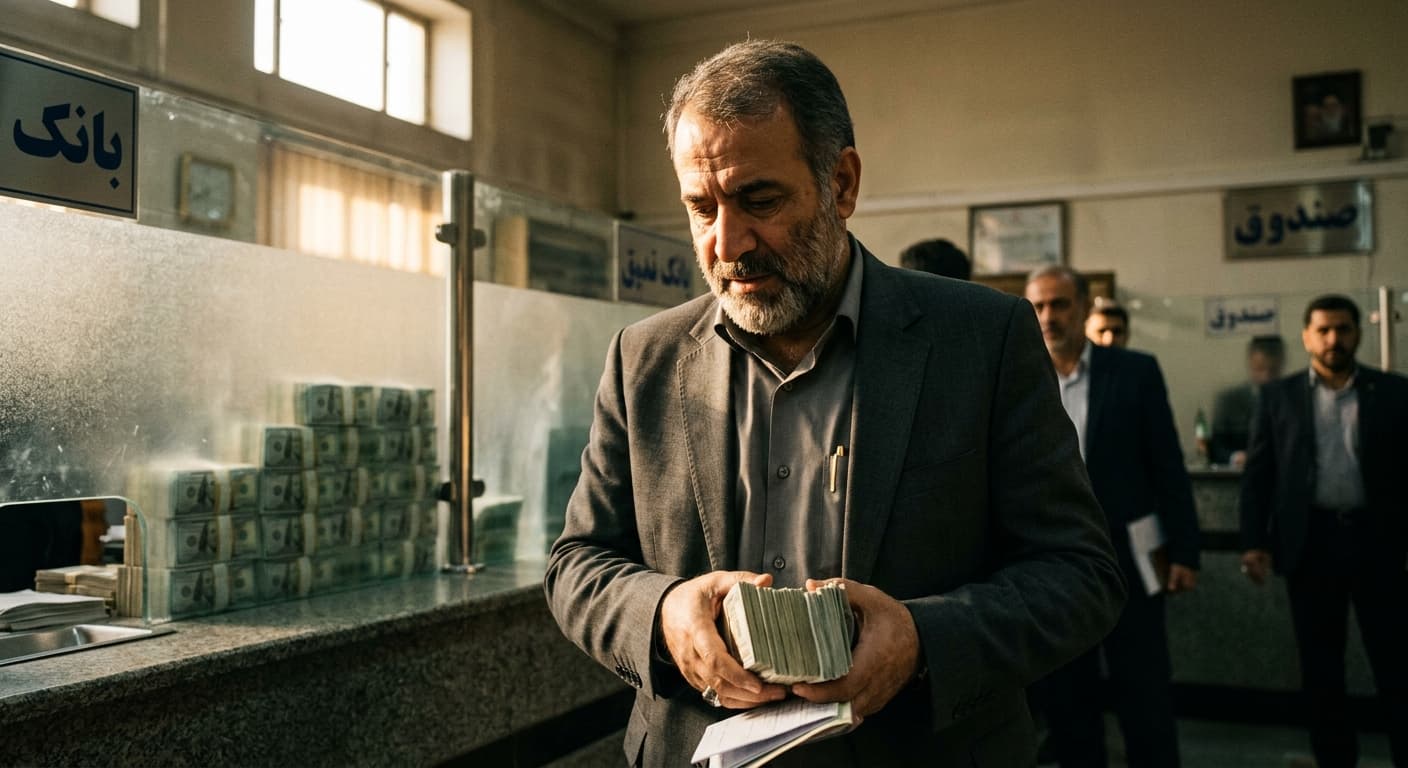
Iran Releases $12B Frozen Assets Deal
Iran secures $12 billion in frozen assets as US lifts oil sanctions under new deal.