Chandrachud Mediates Kapur Estate Dispute
Supreme Court seeks private resolution for family trust battle
Model Diplomat3 min readAsia

Chandrachud Puts Kapur Estate Fight Behind Closed Doors
The Supreme Court is steering the Rani Kapur–Priya Kapur trust battle into mediation, signaling it wants control disputes over Sunjay Kapur’s estate settled before they harden into a prolonged public fight.
The Supreme Court has appointed former chief justice D.Y. Chandrachud to mediate between Rani Kapur and Priya Kapur in the family trust dispute over Sunjay Kapur’s estate, after both sides agreed to try settlement, Livemint and
The Hindu BusinessLine reported. The bench of Justices J.B. Pardiwala and Ujjal Bhuyan also told the parties not to make public statements or post about the case on social media, and said it will wait for a preliminary mediation report before resuming the matter in August,
The Indian Express reported.
Why the court chose mediation
The court is trying to contain a family-control dispute before it becomes a full-blown succession war. That matters because the fight is not just over sentiment or legacy; it is over who controls assets, trust structures and, by extension, leverage over the Sona Group-linked estate. Rani Kapur has asked the court to declare the RK Family Trust null and void, arguing it was built through “forged, fabricated and fraudulent” documents and that assets were transferred without her informed consent, The Hindu BusinessLine and
The Indian Express reported. The court’s move suggests it sees a private settlement as the least costly way to preserve value while the underlying claims are sorted.
The choice of Chandrachud is also a signal. Appointing a former chief justice gives the mediation authority, but also insulation: it reduces the odds that either side treats the process as a tactical delay. In effect, the court is borrowing institutional credibility to force discipline on a dispute that has obvious reputational and commercial spillovers.
Who gains from a quiet process
Priya Kapur and Rani Kapur both benefit from a mediated pause, but only if they can preserve bargaining power. Rani Kapur gets a forum to challenge the trust without immediately testing every allegation in open court; Priya Kapur gets breathing room while avoiding more public scrutiny over estate control. The broader loser is anyone who wants the dispute to play out as a public contest over the Kapur family’s internal succession.
The court’s gag on public commentary is not cosmetic. In high-value inheritance fights, media pressure can harden positions and create parallel battles over narrative, not just assets. The Supreme Court is clearly trying to prevent that. It told the parties the mediation is confined to the family members and warned that, without settlement, the case could become “long drawn litigation,” The Hindu BusinessLine reported.
There is also a wider legal context. The Indian Express noted that a separate challenge involving Karisma Kapoor’s children and Priya Kapur is already pending in the Delhi High Court, which means the family’s succession questions are not isolated to one forum, The Indian Express reported. For Indian business families, that is the real warning: once trust structures and inheritance claims fracture, the litigation rarely stays contained.
What to watch next
The next decision point is the preliminary report Chandrachud will submit before the August listing, The Hindu BusinessLine reported. If the parties show flexibility, the court can keep the dispute private and structured. If not, the mediation will have served only to delay a much broader contest over control of the Kapur estate and its assets.
Discover more

India
India-South Korea $50B Trade Expansion Plan
India and South Korea target $50 billion in trade, enhancing economic cooperation amid shifting global dynamics.

Global Politics
Iran Releases $12B Frozen Assets Deal
Iran secures $12 billion in frozen assets as US lifts oil sanctions under new deal.

India
India-UK Trade Pact Removes Tariffs on 99%
India's trade pact with the UK eliminates tariffs on 99% of exports, but execution risks loom.
International Relations
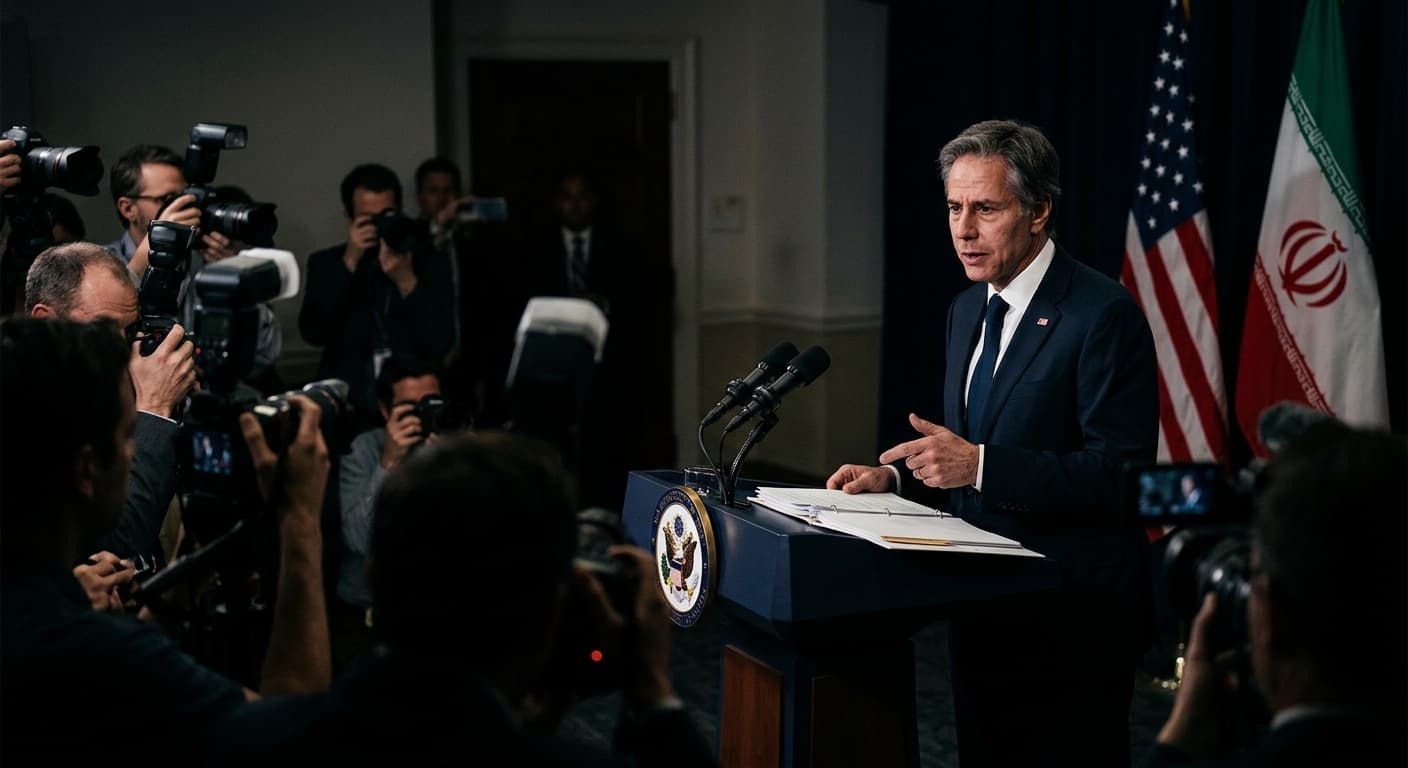
US Releases $12 Billion in Frozen Iranian Aid
The US releases $12 billion in frozen Iranian assets, signaling a shift in negotiations.