Ziobro's U.S. Presence Sparks Political Ties
Poland's justice minister faces extradition challenges in the U.S.
Model Diplomat3 min readEurope
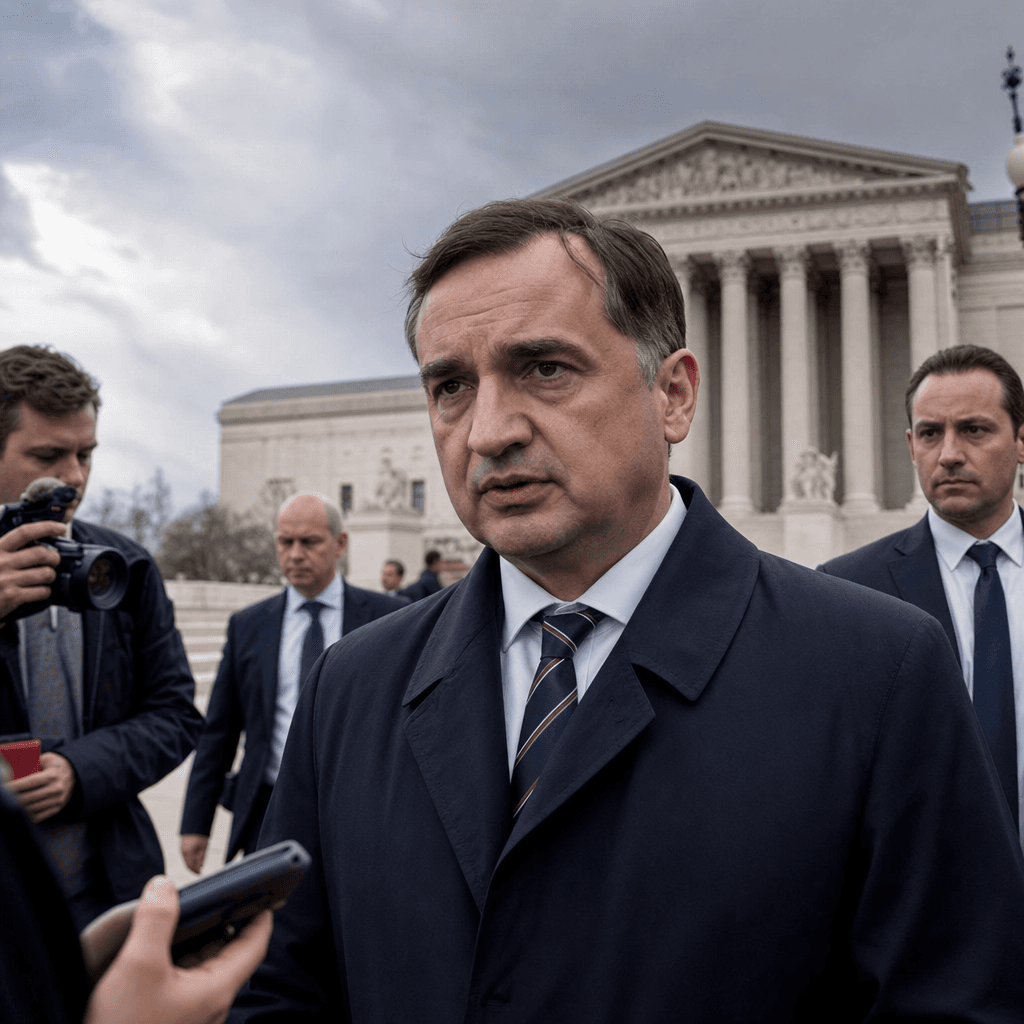
Ziobro in the U.S. Turns a Polish Case into a U.S. Test
Warsaw may seek Zbigniew Ziobro’s extradition from the United States, but the real leverage now sits in Washington, not Warsaw.
Zbigniew Ziobro’s arrival in the United States has shifted this from a Polish criminal case into a transatlantic political problem. Poland’s justice minister Waldemar Żurek said the government would move for extradition if Ziobro’s presence in the U.S. is confirmed, while BBC News Polska reported that Warsaw is also trying to understand how the former justice minister entered the country after his Polish and diplomatic passports were revoked (BBC News Polska). Ziobro, who faces 26 charges over alleged misuse of 150 million zlotys of public money, is betting that distance, procedure and politics will buy him time (
BBC News Polska;
France 24).
Why the U.S. matters more than the headlines
The key power dynamic is simple: Poland can request, but U.S. institutions decide whether Ziobro stays put. The U.S.-Poland extradition treaty exists, but BBC notes that a request can fail if Washington judges the case to be political, or if the alleged conduct does not meet the dual-criminality test; even then, the Justice Department would still have to pass the matter to a federal court, and the State Department would have the final say (BBC News Polska). That gives Ziobro a stronger procedural shield in the U.S. than he had in Hungary, where he was previously protected by Viktor Orbán’s government (
France 24).
That matters because the case is already politically loaded. Ziobro was justice minister and attorney general under Law and Justice, and he is accused not only of misuse of funds but also, in reporting by France 24, of abuse of power, leading an organized criminal enterprise and backing Pegasus surveillance used against opponents (France 24). For Donald Tusk’s government, the case is about restoring credibility after years of judicial conflict; for Ziobro and his allies, it is a chance to reframe prosecution as political persecution. That is why this belongs on
Global Politics, not just in a domestic corruption file.
Who benefits, who loses
Ziobro benefits from the U.S. being a slower, more rule-bound venue than Budapest. POLITICO reported that he entered on a visa tied to his work with the right-wing broadcaster TV Republika, which later announced it had hired him as a political commentator in the U.S. (POLITICO). That gives him a platform, a legal argument, and a political constituency in one move. Warsaw loses the immediate pressure that comes from having a suspect inside the EU’s reach.
The wider loser is the idea that allied governments will automatically cooperate on politically sensitive prosecutions. If Washington is seen to tolerate a fugitive former minister on a friendly visa, Poland will have reason to push harder diplomatically. If it moves toward extradition, the U.S. will be signalling that treaty law still outweighs partisan affinity.
What to watch next
The next decision point is procedural, not rhetorical. Watch for a formal Polish request, then for whether the U.S. Justice Department opens extradition proceedings at all. If it does, the first real test will be whether a federal judge treats Ziobro’s case as ordinary criminal liability or as a political offense protected by the treaty (BBC News Polska). The date that matters is the moment Warsaw files — because that is when the White House, the Justice Department and the courts will have to choose whether Ziobro is a legal case or a political one.
Discover more
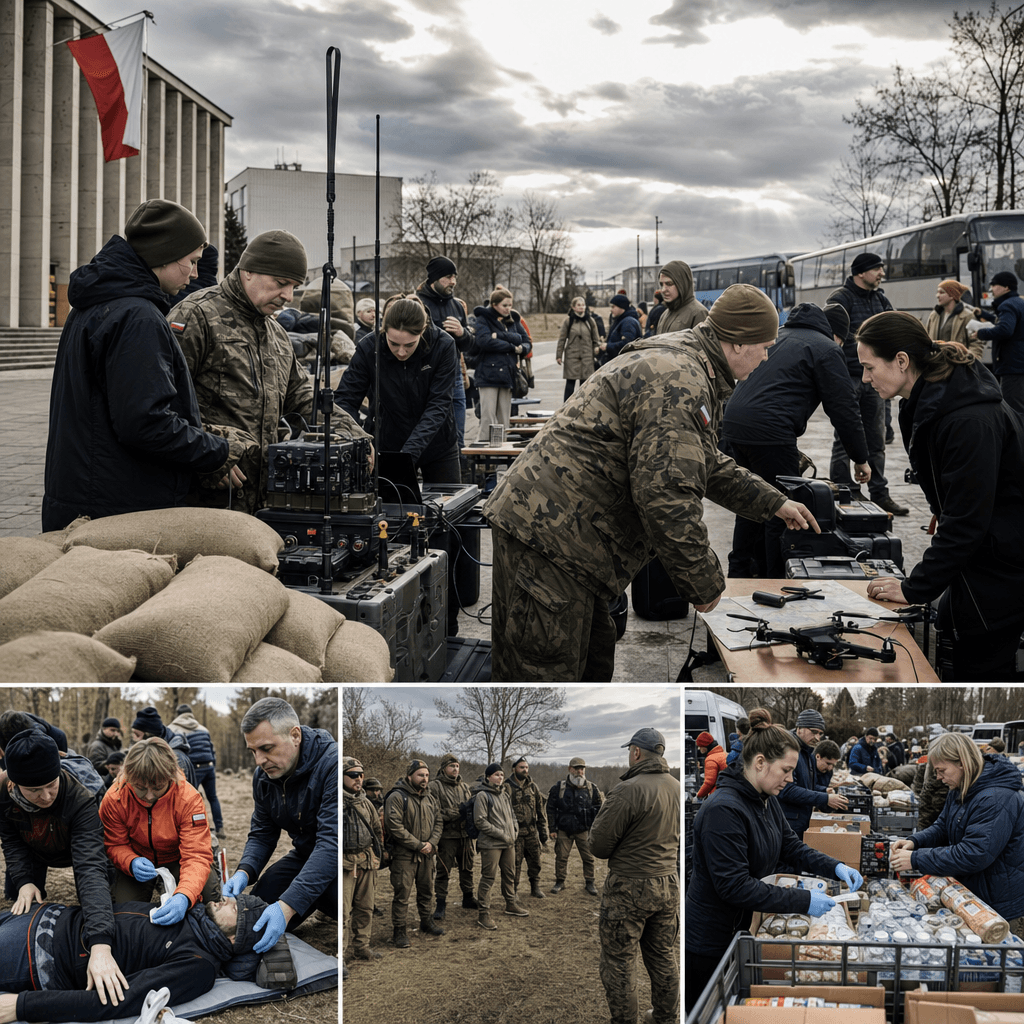
Conflict & Security
Poland's wGotowosci Program Prepares for War
Poland's wGotowosci program trains civilians as military assets, building national civil defense readiness against Russia and reinforcing its NATO role.
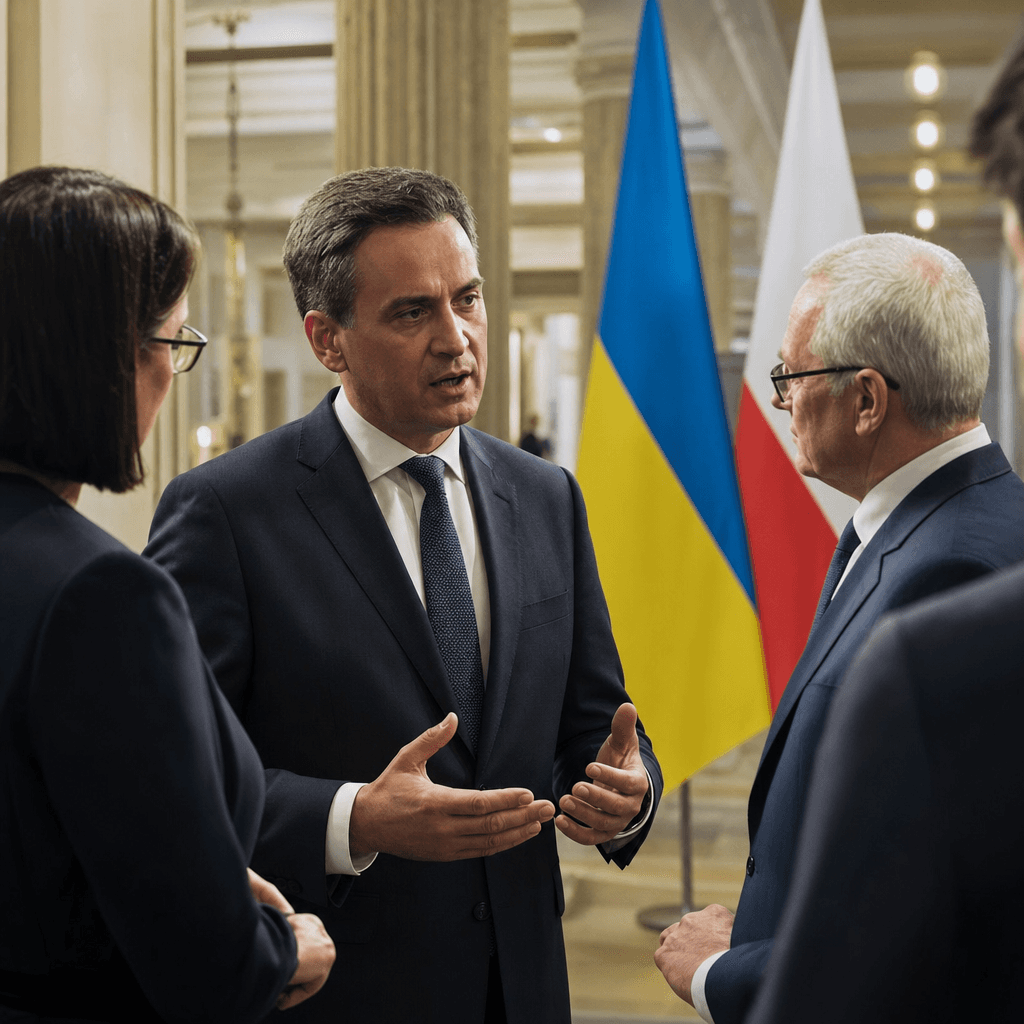
International Relations
Kyiv Seeks to Mend Ties with Warsaw
Ukraine's foreign minister is calling for dialogue to defuse a diplomatic crisis with Poland, where disputes over history, military, and politics strain ties.
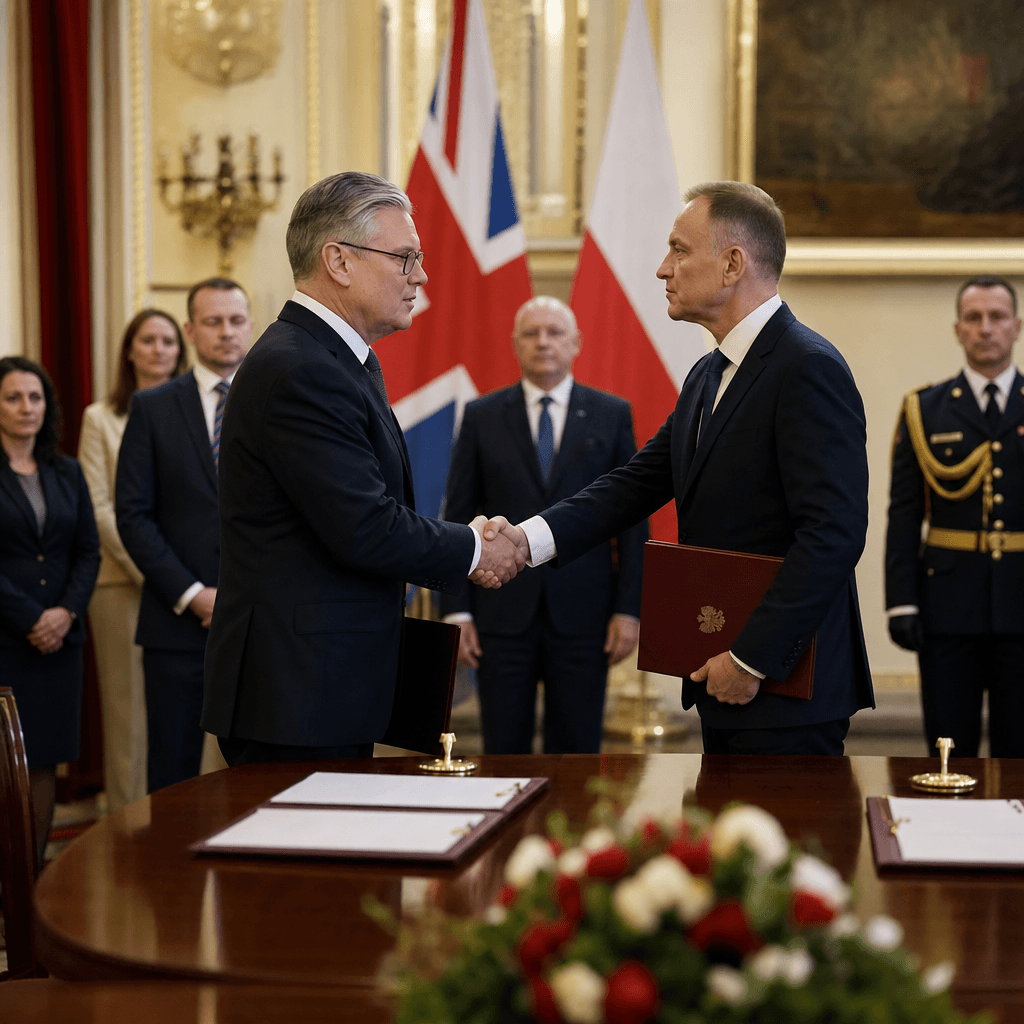
International Relations
Britain and Poland's New Security Treaty
Britain and Poland sign a new security treaty that signals a strategic shift in European defense, deepening NATO ties and cooperation amid rising threats.
Conflict & Security
Trump's 5000 Troops to Poland: NATO Impact
Trump's promise of 5,000 troops to Poland reveals a loyalty-driven NATO strategy, exposing a new fault line over how the alliance rewards favored member states.