Zeldin’s refrigerant rollback bets cost relief beats climate risk
EPA is loosening HFC rules for grocery refrigeration and transport to cut costs, but the move mainly shifts leverage to grocers and equipment makers — not shoppers.
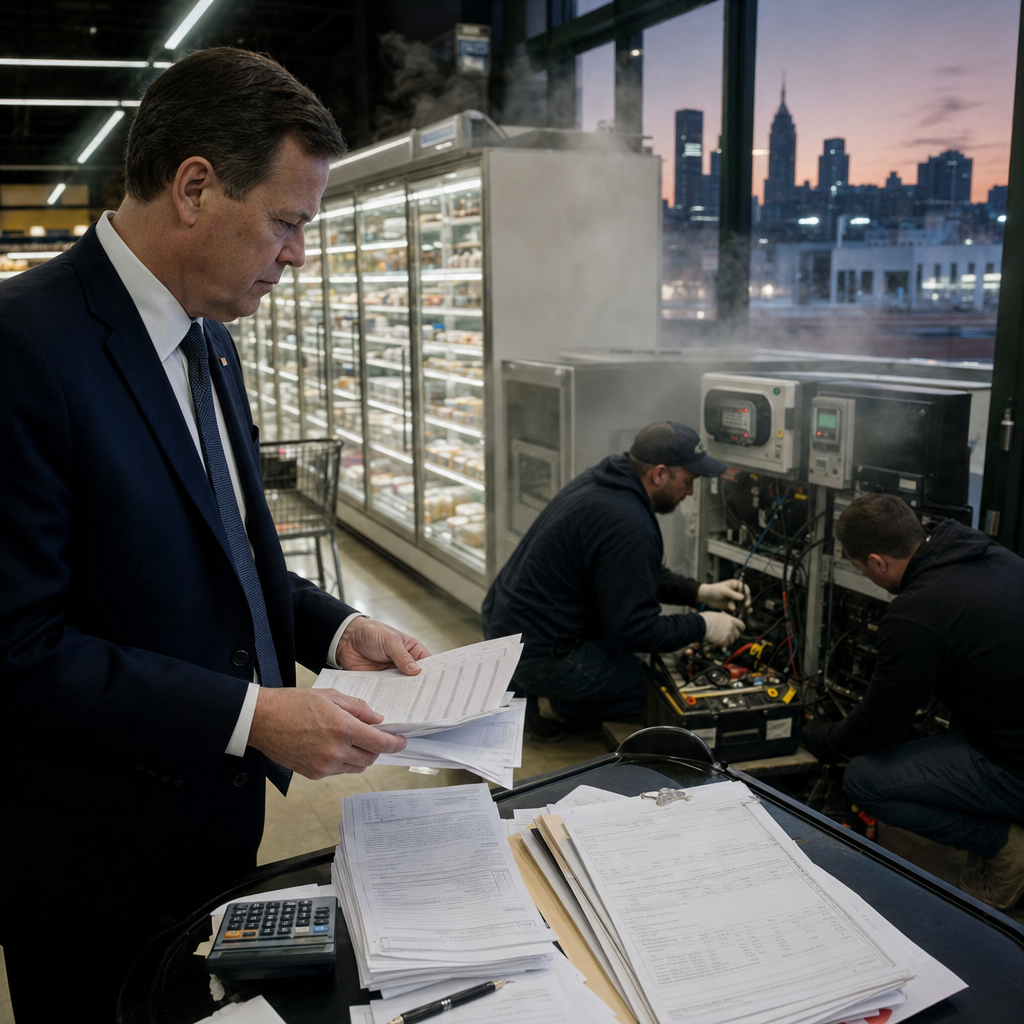
Lee Zeldin is using the EPA to do two things at once: give supermarkets and logistics firms more time to comply with the Biden-era phaseout of hydrofluorocarbons, and sell that delay as a consumer price break. Under the new rule, supermarkets can keep using refrigerants up to 1,400 times more potent than carbon dioxide until 2032, while the agency also eases rules for cold storage warehouses, semiconductor plants and refrigerated transport, according to  The Hill and
  The New York Times.
The politics: cost-of-living first, climate second
The power dynamic is clear. The White House is prioritizing near-term price politics over the pace of the HFC phase-down that Congress already ordered in the bipartisan American Innovation and Manufacturing Act, signed by Trump in 2020, The Hill reported. Zeldin told CNN the Biden timeline was “more aggressive than what the law had required” and argued the rollback would let grocers fix broken systems instead of replacing entire units, The Hill said.
That framing matters because it aligns with Trump’s broader pitch that regulators are driving up grocery bills. The EPA says the changes will save businesses and families about $2.4 billion, with $800 million of that supposedly coming from supermarkets alone, The Hill and  AP reported. The administration is betting those savings are politically more valuable than the climate upside of moving faster.
Who wins, who pays
The immediate winners are grocery chains, refrigerated-transport operators and manufacturers that would otherwise have to switch faster to lower-emissions systems. That includes companies with older equipment and smaller margins, which Zeldin said were being squeezed by replacement costs, The Hill reported. Trade groups such as the Air-Conditioning, Heating and Refrigeration Institute say the opposite: extending deadlines keeps demand high for existing refrigerants while supply falls under the AIM Act, which could push service costs up, not down, The Hill and AP said.
That is the central policy dispute. The administration says flexibility lowers compliance costs and preserves jobs; industry skeptics say many firms have already redesigned equipment and retrained workers, so the rollback mainly delays a transition that is already underway, AP reported. Environmental critics get a cleaner target: the EPA is slowing a transition away from chemicals that are highly potent greenhouse gases, even if the near-term consumer effect is uncertain, The New York Times said.
What to watch next
The next decision point is whether the EPA follows this with broader exemptions, especially for refrigerated transport and other leak rules that the agency has already said it wants to revisit, The Hill reported. Watch for three things: whether grocery chains publicly claim lower shelf prices; whether environmental and state officials challenge the rule; and whether the administration tries to turn this into a template for rolling back other climate regulations under the  Global Politics banner of “flexibility.”