Trump’s $1.8B Fund Exposes a GOP Control Problem
The Justice Department’s “anti-weaponization” fund gives Trump a direct channel to reward allies and punish dissent — and GOP leaders were left reacting after the fact.
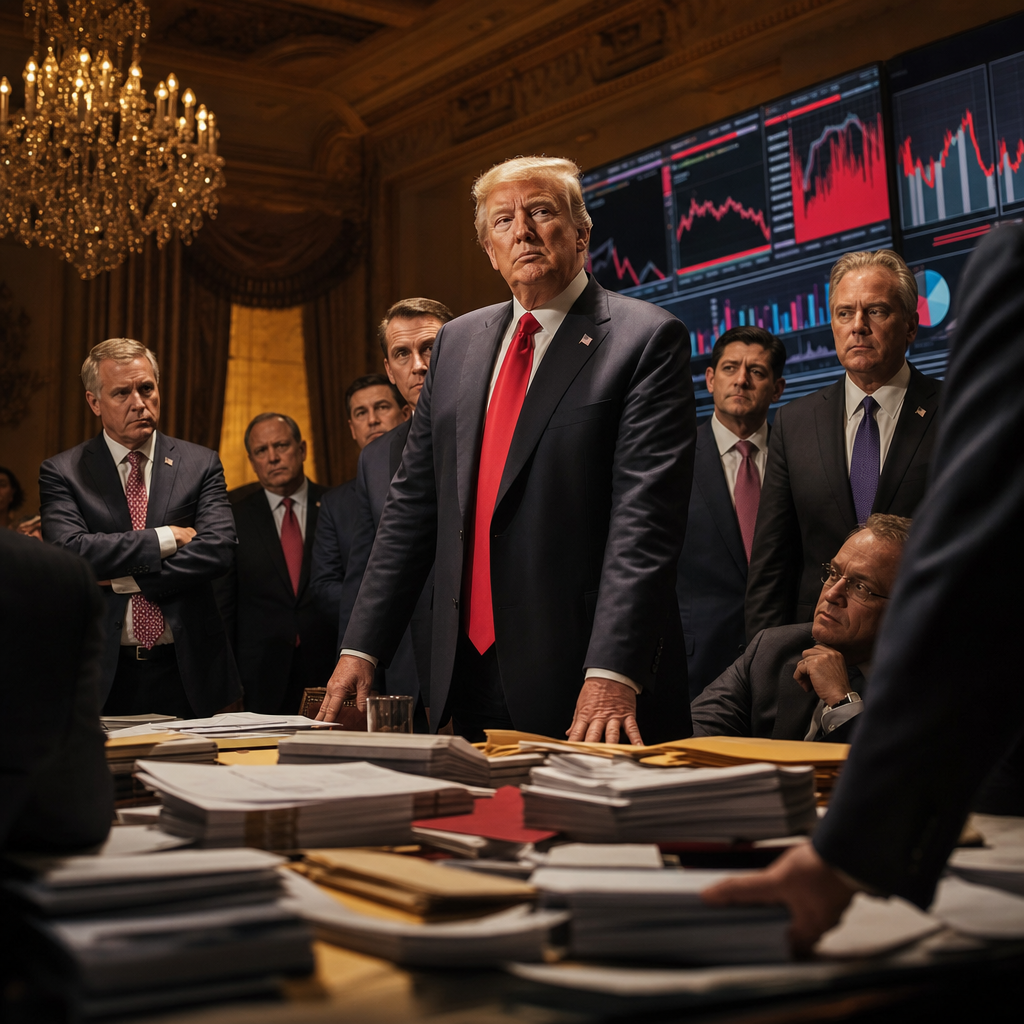
The Trump administration’s new $1.776 billion “anti-weaponization” fund is not just a legal curiosity; it is a power test inside the Republican Party. Acting Attorney General Todd Blanche defended the program at a Senate Appropriations hearing this week, saying the fund is “unusual” but not unprecedented and that “anyone can apply” for compensation, while stressing that President Trump himself is “not taking a dime,” according to  CNN Politics. But the announcement, tied to Trump’s settlement of his IRS suit over the leak of his tax returns, immediately set off alarm in both parties and put GOP leaders on the defensive (CNN Politics).
Who holds the leverage
The leverage sits with Trump and Blanche, not Congress. The Justice Department says the fund will be overseen by a five-member commission appointed by the attorney general, with one member chosen in consultation with congressional leadership, and that it will be paid from the department’s existing judgment fund ( CBC News / AP). That structure lets the White House present the fund as a bureaucratic settlement vehicle while keeping political control over who gets reviewed, apologized to, and paid.
That is why Republicans are rattled. Senate Majority Leader John Thune said the White House should have consulted Congress before announcing the deal, calling it a move that made “everything way harder than it should be,” according to  The Globe and Mail. In practice, Trump has turned a department settlement into a loyalty test: support the fund, or risk being cast as insufficiently protective of his grievances.
Why this matters for GOP governance
The immediate loser is Republican legislative discipline. Senate Republicans had to postpone a vote on a roughly $70 billion immigration-enforcement bill after internal backlash over the fund and Trump’s separate push for White House ballroom money, The Globe and Mail reported. That matters because the party was trying to use budget reconciliation to move hardline immigration spending on a party-line basis; once the conference starts splintering, the whole strategy gets more fragile.
The fund also exposes a deeper institutional problem. House Appropriations Chair Tom Cole said he had not been consulted and did not know the details, while Rep. Brian Fitzpatrick moved to block it outright and said he was looking for legislative text to stop it,  CNN Politics. That gives moderates an opening, but it also confirms how little notice Republican lawmakers get before the administration creates new political facts on the ground.
For Trump, the upside is obvious: he gets to frame the fund as redress for people he says were targeted by the Biden administration, including some January 6 defendants and other allies who were investigated or prosecuted under his predecessor, CBC News / AP. For the GOP, the downside is sharper: the president is using executive control over federal settlement money to deepen the party’s dependence on him while narrowing Congress’s room to negotiate.
What to watch next
The next decision point is the Senate’s return after Memorial Day recess in early June. If Thune and Appropriations Chair Susan Collins push for tighter oversight, or if House Republicans try to legislate limits on the fund, the fight shifts from messaging to procedure. If not, the administration has effectively normalized a new patronage channel — and Republicans will have accepted it under pressure. For Washington, and for  United States politics more broadly, that is the real story.