Mexico-EU Trade Pact Reduces US Dependence
New trade deal aims to diversify markets for both Mexico and EU.
Model Diplomat3 min readNorth America
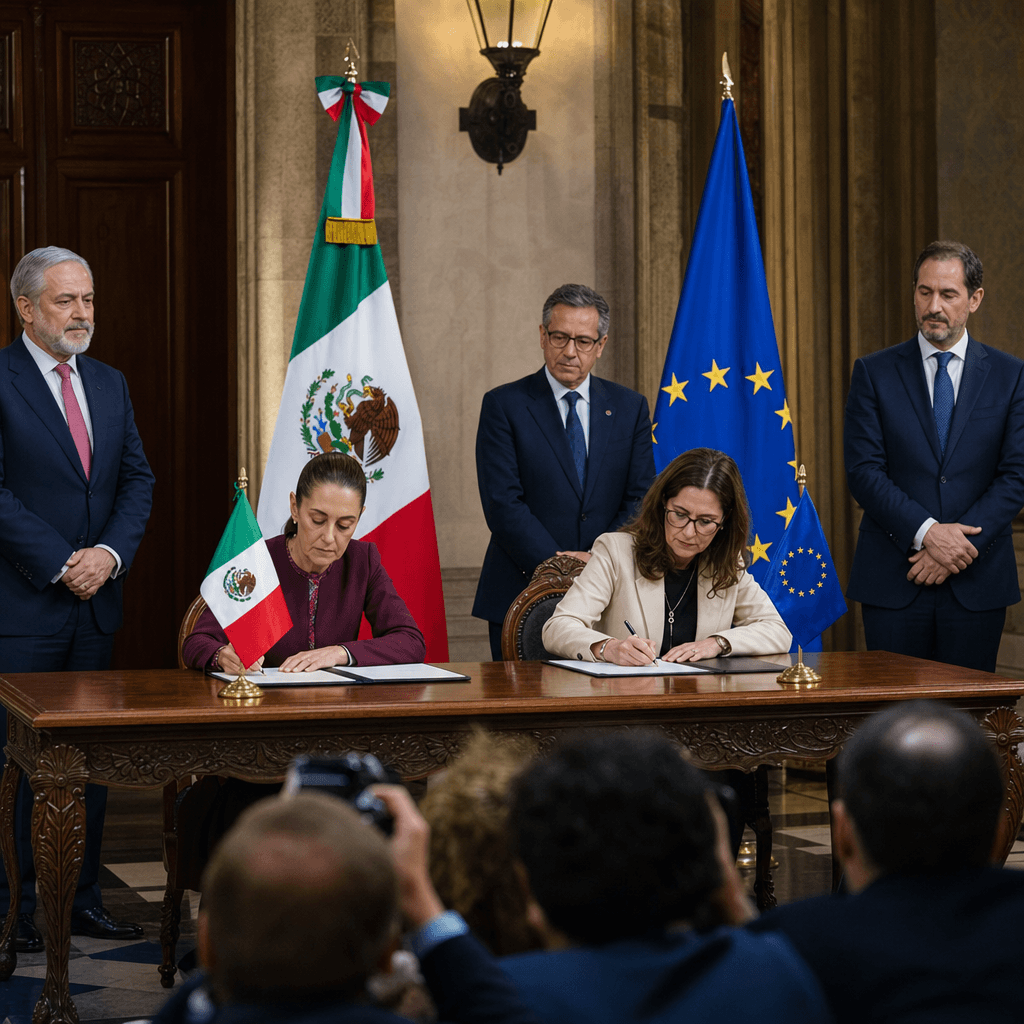
Mexico and EU Recast Trade Ties to Hedge Trump
The long-delayed pact widens market access, but its real value is geopolitical: Mexico and Brussels are both trying to cut exposure to Washington.
Mexico and the European Union have signed a long-delayed free-trade accord in Mexico City, with President Claudia Sheinbaum, European Commission President Ursula von der Leyen and European Council President António Costa sealing a deal aimed at reducing dependence on the United States and insulating both sides from Donald Trump’s tariff pressure, according to Reuters and
Reuters.
The leverage is political, not just commercial
This is not simply a tariff-cutting exercise. Brussels wants alternative commercial and industrial partners at a moment when Washington is using tariffs as a bargaining tool, while Mexico wants to diversify exports beyond a U.S. market that still absorbs more than 80% of its sales abroad, according to Reuters. Kaja Kallas framed the agreement as a geopolitical statement, saying the order is “very battered” and that the deal is about more than trade, Reuters reported. That matters because trade deals signed under tariff stress tend to be read in Washington as hedging behavior, not routine commerce.
Mexico gains the most immediate room to maneuver. The updated pact expands the 2000 agreement beyond industrial goods to cover services, public procurement, digital trade, investment and agriculture, and it opens more of the EU market to Mexican exports such as chicken and asparagus, with quotas on sensitive lines, according to Reuters. For Mexican policymakers, that creates an off-ramp from overreliance on the U.S. market and a talking point for investors looking for supply-chain resilience.
Who wins, who loses
The clearest winners are Mexican exporters and European firms that have spent years pushing for legal certainty and market access. Mexico’s economy ministry estimates the modernization could lift Mexican exports to the bloc by 50% to $36.1 billion by 2030, while the EU says roughly 45,000 European companies, mostly small and medium-sized firms, stand to benefit, according to Reuters.
Investing.com reported that the deal is explicitly meant to diversify supply chains and reduce risk.
The losers are the holdouts that wanted stronger protections around domestic sectors. Reuters said the final deal was delayed in part by Mexico’s energy-sector reforms, which had favored the state utility and reduced the upside for European energy companies. The compromise still leaves quotas on items like beef, poultry and ethanol, and it gives the EU easier access to Mexico for electric vehicles and batteries, according to Reuters. In other words, both sides traded purity for speed.
What to watch next
The immediate test is political ratification in Europe. Reuters said the agreement still needs a vote in the European Parliament and is likely to clear that hurdle in the coming months. If that happens, Mexico will have turned a stalled trade project into a strategic signal to the U.S., and Brussels will have added a major Latin American partner to its effort to de-risk from American pressure and Chinese supply chains. Watch the Parliament calendar, because that is the next real decision point. For broader context, see Global Politics and
Mexico.
Discover more

India
India-South Korea $50B Trade Expansion Plan
India and South Korea target $50 billion in bilateral trade by 2030, focusing on industrial cooperation and strategic alignment amid US pressures.

Global Politics
US Seizes Iranian Ship, Tensions Surge
The US seizure of the Iranian ship Touska highlights a shift in control over the Strait of Hormuz, favoring Iran's strategic position.

Economics
Fed's Amex AML order puts correspondent banking on notice
Federal Reserve's Amex AML order requires board-level controls and a 90-day plan; OCC fined the bank $350 million over enterprise-wide deficiencies.
Conflict & Security
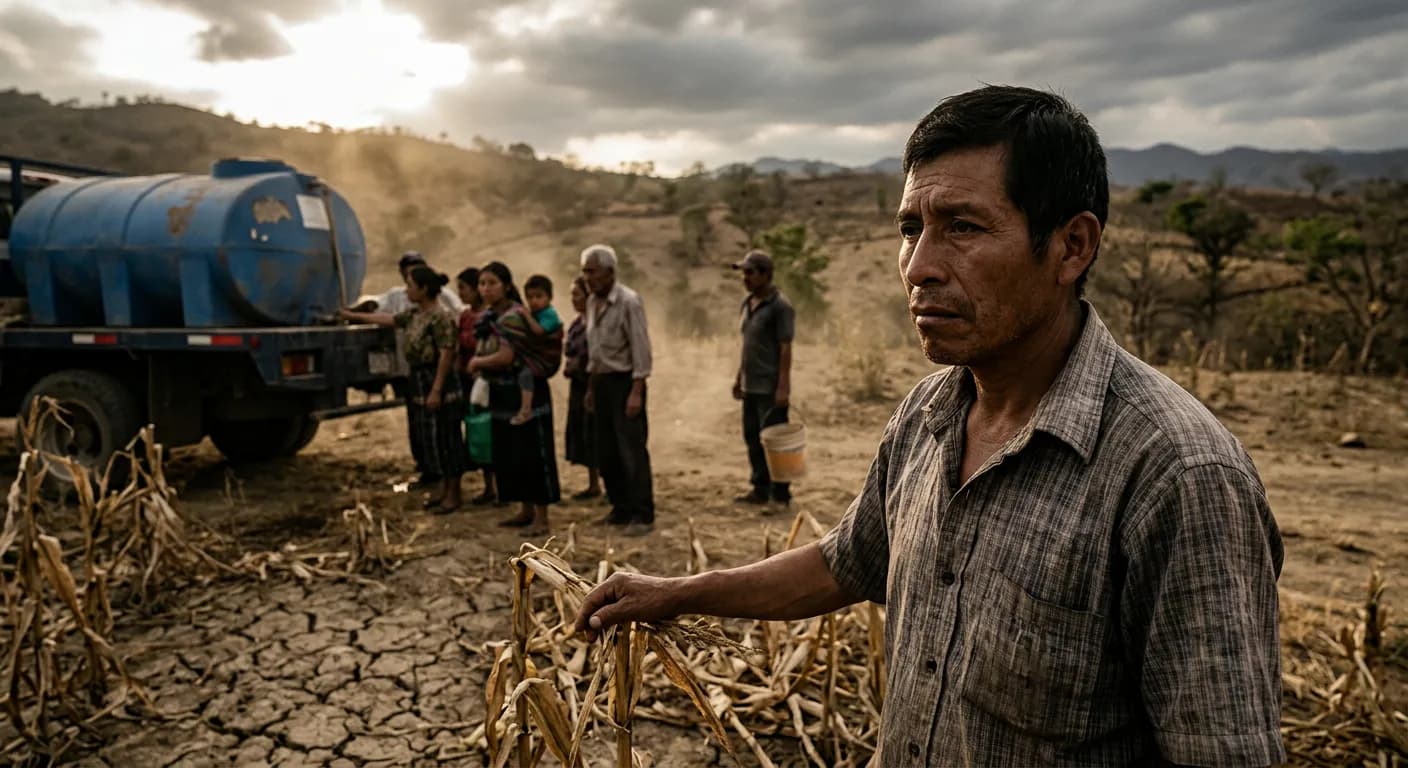
Guatemala: El Niño 2026–27 becomes regional security test
UNICEF: 25.8M children face El Niño risks in Latin America; Guatemala maps 188 municipalities for drought and food insecurity amid regional security test.