US Sanctions Threat on Francesca Albanese
State Department signals intent to restore sanctions if appealed
Model Diplomat3 min readNorth America
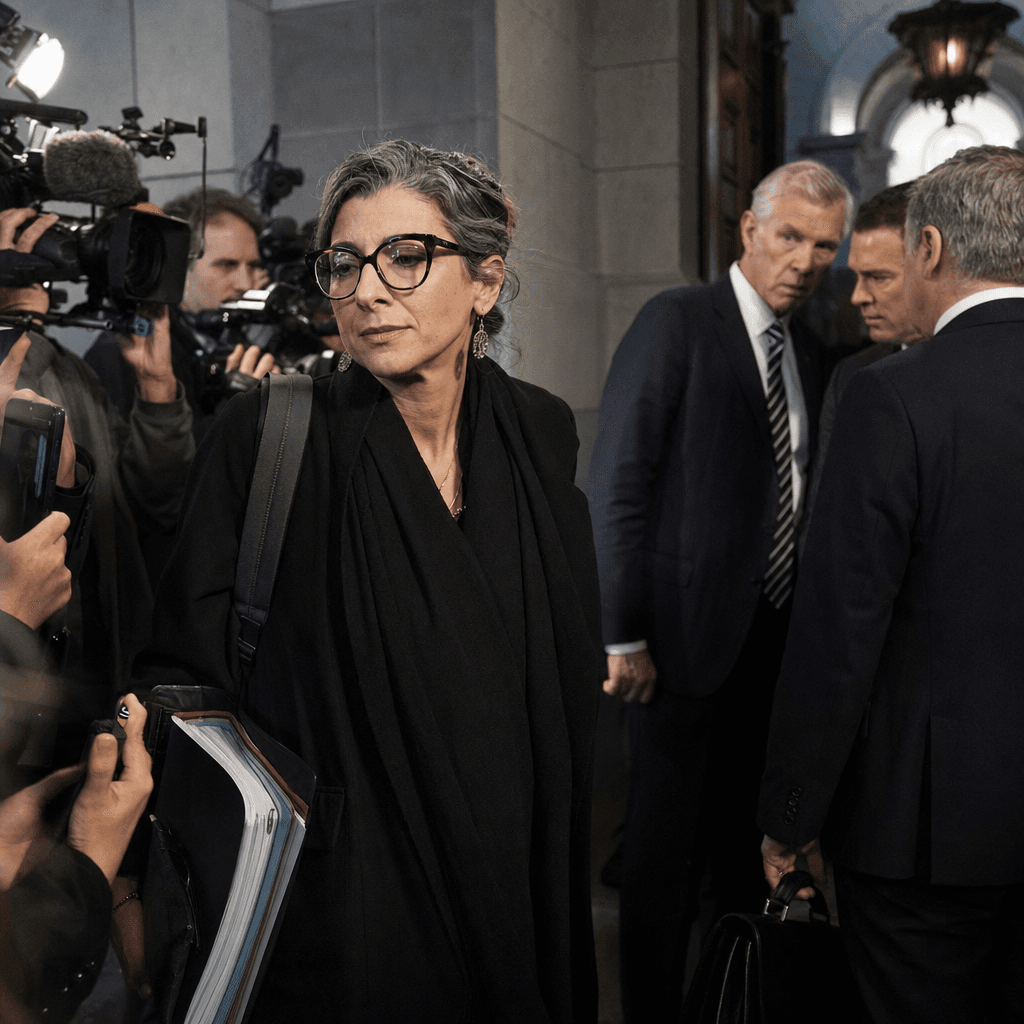
US Keeps Albanese Sanctions Threat Alive After Court Ruling
[The State Department says a court forced it to lift sanctions on Francesca Albanese, but it will restore them if the appeal succeeds.]
Washington is not backing away from Francesca Albanese; it is buying time. The State Department said on Thursday that the removal of the UN special rapporteur from the sanctions list was compliance with a court order, not a policy reversal, and that the government intends to put her back on the SDN list if the appeal fails (Al Jazeera). That is the key power dynamic: the Trump administration wants to preserve its punitive line on critics of Israel while avoiding open defiance of Judge Richard Leon’s injunction.
Washington is signaling continuity, not retreat
Leon, a George W. Bush appointee, blocked the sanctions earlier this month after finding the government had targeted Albanese because of the “idea or message expressed” in her speech, not conduct with legal force (The New York Times). The case is now a First Amendment fight as much as a foreign-policy dispute. Albanese’s lawyers argue the sanctions froze her bank account and apartment access and punished her for advocacy; the administration argues she crossed into “lawfare” by pressing the ICC and urging action against U.S. and Israeli actors (
The Washington Post).
The practical effect is straightforward: the U.S. has shown it can weaponize financial sanctions against a UN official, but it also now looks constrained by its own courts. For United States policymakers, that matters because the sanctions are not just symbolic. They affect access to banking, travel, and the credibility of U.S. threats against international officials.
The fight is really about Israel, the ICC, and the UN
Albanese is not an ordinary rapporteur. She has become one of the most visible international critics of Israel’s Gaza campaign, arguing that the conduct in Gaza meets the legal threshold for genocide, and calling on states and companies to pressure Israel (The Washington Post;
The Globe and Mail). That makes her useful to critics of Israeli policy and intolerable to the Trump team, which has framed her work as antisemitic and part of a broader campaign of bias against Israel (
The Washington Post).
Israel benefits from Washington’s hard line because it reinforces the message that targeting Israeli officials or companies through the ICC will draw consequences. Human Rights Watch and other rights groups see the opposite: an effort to chill UN and ICC scrutiny by hitting the messenger (The Globe and Mail). That split is exactly why this case matters beyond Albanese. It tests whether the U.S. can punish a UN expert for advocacy without the courts treating that as viewpoint discrimination.
What to watch next
The immediate decision point is the DC Circuit appeal. If the administration wins a stay or overturns Leon’s injunction, Albanese goes back on the sanctions list and the White House gets its deterrent effect back. If it loses, Washington will have to choose between accepting a legal limit on its campaign against pro-Palestinian legal pressure or escalating the broader fight with the ICC and UN system. The next move will tell you whether this is a temporary pause or a real constraint on U.S. leverage.
Discover more
India
UN Expert Albanese: India Violates Law
UN Rapporteur Francesca Albanese accuses India of breaching international law, spotlighting human rights concerns in Kashmir and prompting diplomatic pushback.

Conflict & Security
Drone Warfare Killing Aid Workers at Unprec
Over 1,000 humanitarian workers killed in three years as cheap armed drones collapse legal protections. Gaza, Sudan, Ukraine, and DRC see deliberate targeting of aid convoys and hospitals with zero prosecutions.
Global
World Normalises Taliban as Afghan Women Eras
UN data shows Afghan women erased from public life as Russia recognises the Taliban, EU hosts officials in Brussels, and ICC warrants for gender persecution go unenforced.
Conflict & Security
West Africa Food Crisis: Three Shocks in 2026
Conflict, climate extremes, and the Strait of Hormuz closure drive a severe food crisis in West and Central Africa, with fertilizer prices surging 80% and millions displaced.