UN Expert Albanese: India Violates Law
Francesca Albanese highlights India's human rights concerns.
Model Diplomat2 min readAsia
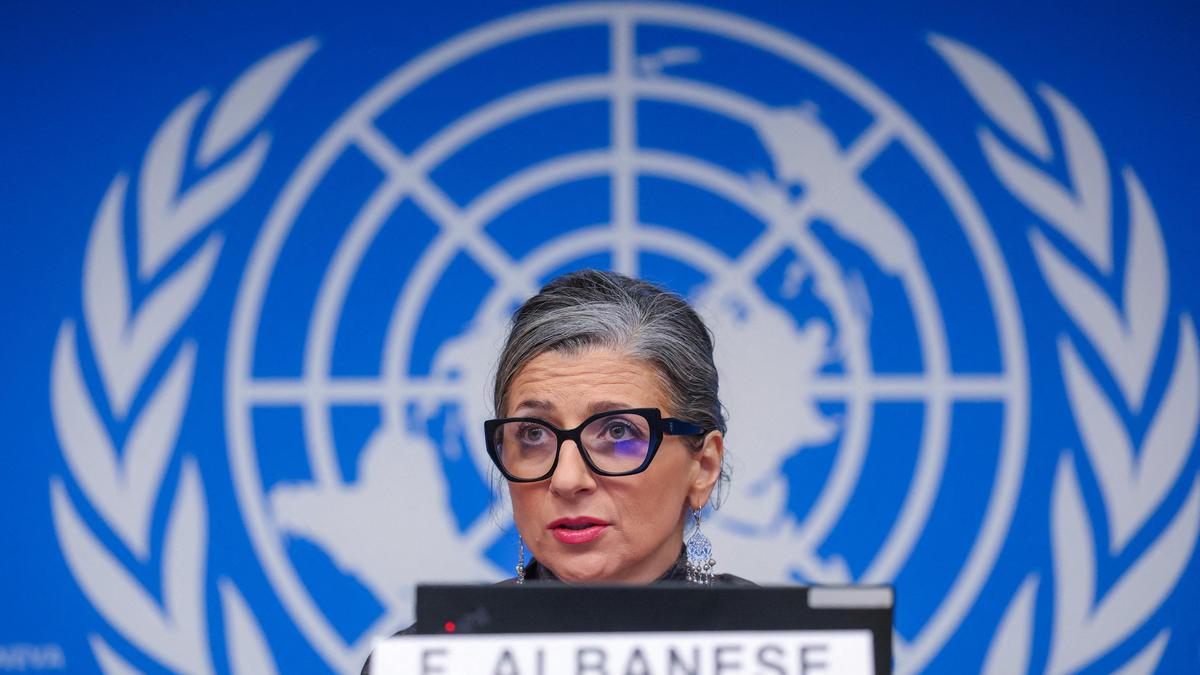
India Violating International Law, Says UN Expert Francesca Albanese
Francesca Albanese, UN Special Rapporteur, accuses India of breaching international legal commitments, raising stakes for New Delhi's human rights record.
UN Special Rapporteur Francesca Albanese has publicly declared that India is violating its obligations under international law. This sharp assertion highlights mounting international concerns over India's policies, particularly regarding human rights and governance in contested regions such as Jammu and Kashmir.
Context: India’s International Legal Obligations and Allegations
Albanese, known for her role monitoring rights in occupied Palestinian territories, has extended her scrutiny to India, alleging breaches of international law. While the precise details from the recent interview remain limited, likely points of contention include India's handling of Kashmir, anti-terrorism actions, and treatment of minorities—areas where the international community often calls for adherence to human rights conventions and UN mandates.
India, a signatory to multiple international treaties including the International Covenant on Civil and Political Rights (ICCPR), has faced criticism over alleged excessive use of force, restrictions on political freedoms, and population displacement. These issues underline friction between India’s domestic policies and its international obligations.
How This Matters: International Pressure and Domestic Implications
Albanese’s statement adds credibility to growing international calls for accountability on India’s conduct in Kashmir and other sensitive areas. The timing is consequential, given India's global diplomatic ambitions and its role as a regional power amid strategic competition with China and Pakistan.
India’s narrative of sovereign integrity clashes with these charges. New Delhi consistently rejects external criticism of Kashmir as interference. However, international legal experts and human rights advocates argue that India's obligations under treaties require transparent, rights-respecting governance in conflict zones.
This development also intersects with rising scrutiny of states by UN special rapporteurs and international courts. Albania's critique strengthens pressure on New Delhi at the UN Human Rights Council and may influence bilateral relationships, especially with Western democracies attentive to human rights performance.
What to Watch
- India’s official response: Will New Delhi engage with Albanese’s charges or dismiss them as politically motivated?
- UN Human Rights Council actions: Possible investigations or resolutions targeting India's policies in Kashmir and minority rights.
- International diplomatic fallout: How partners like the EU, US, and regional actors react to these claims impacting cooperation on trade, security, and climate.
- Domestic Indian politics: Whether domestic pressures heighten for policy recalibration amid international legal pressure and internal dissent.
This episode underscores the complex balance India must navigate between asserting national security interests and fulfilling normative international legal standards. For policymakers and analysts, the key risk is escalating reputational damage to India’s global standing, which will shape engagements on trade, security, and international partnerships.
For more on India’s international law challenges and regional dynamics, see India country profile and broader
Global Politics.
Francesca Albanese calls out India for violating international law
Discover more
India
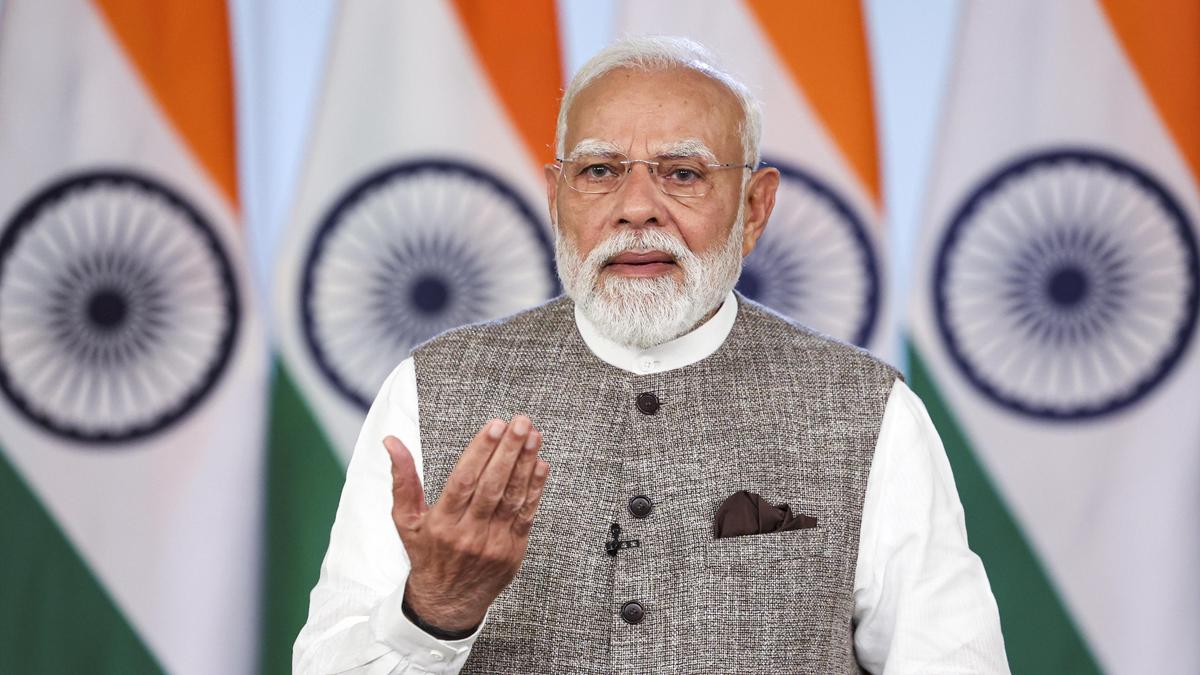
700 Activists Accuse PM Modi of MCC Breach
Over 700 activists allege PM Modi breached election code with a televised address attacking opposition parties just before state elections.
India
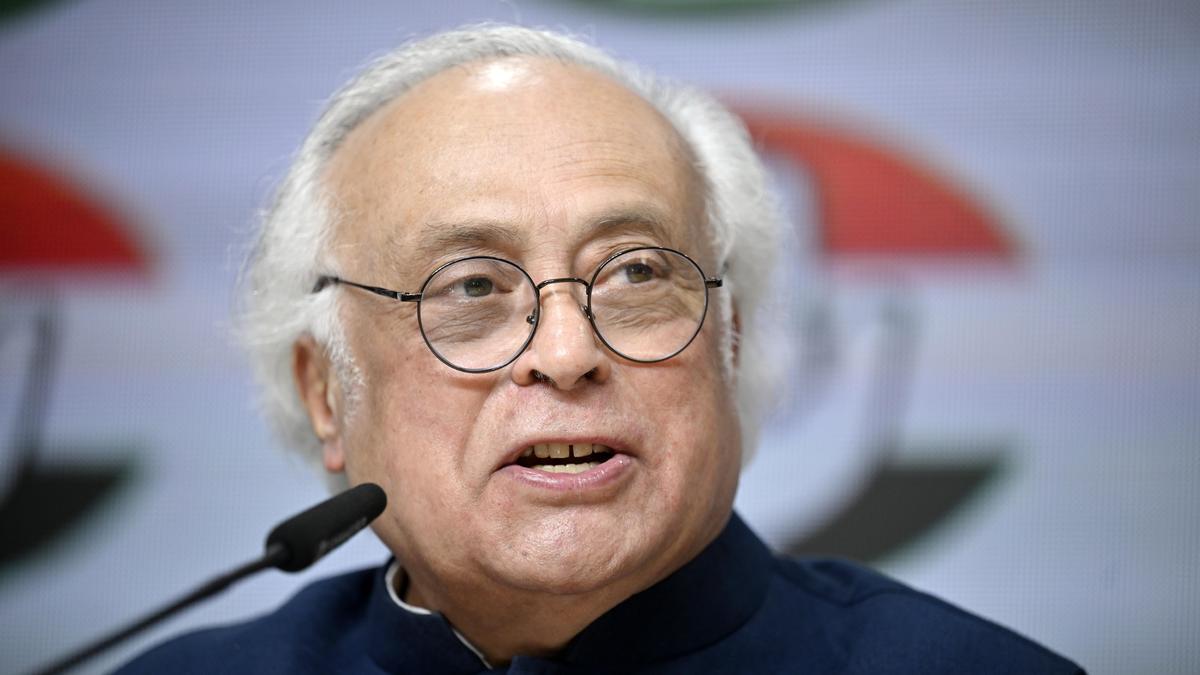
Congress Accuses Modi of Stalling Women's Law
Congress accuses Modi of stalling women's reservation law by linking it to delimitation, revealing a deeper electoral strategy.

Economics
Fed's Amex AML order puts correspondent banking on notice
Federal Reserve's Amex AML order requires board-level controls and a 90-day plan; OCC fined the bank $350 million over enterprise-wide deficiencies.
Conflict & Security
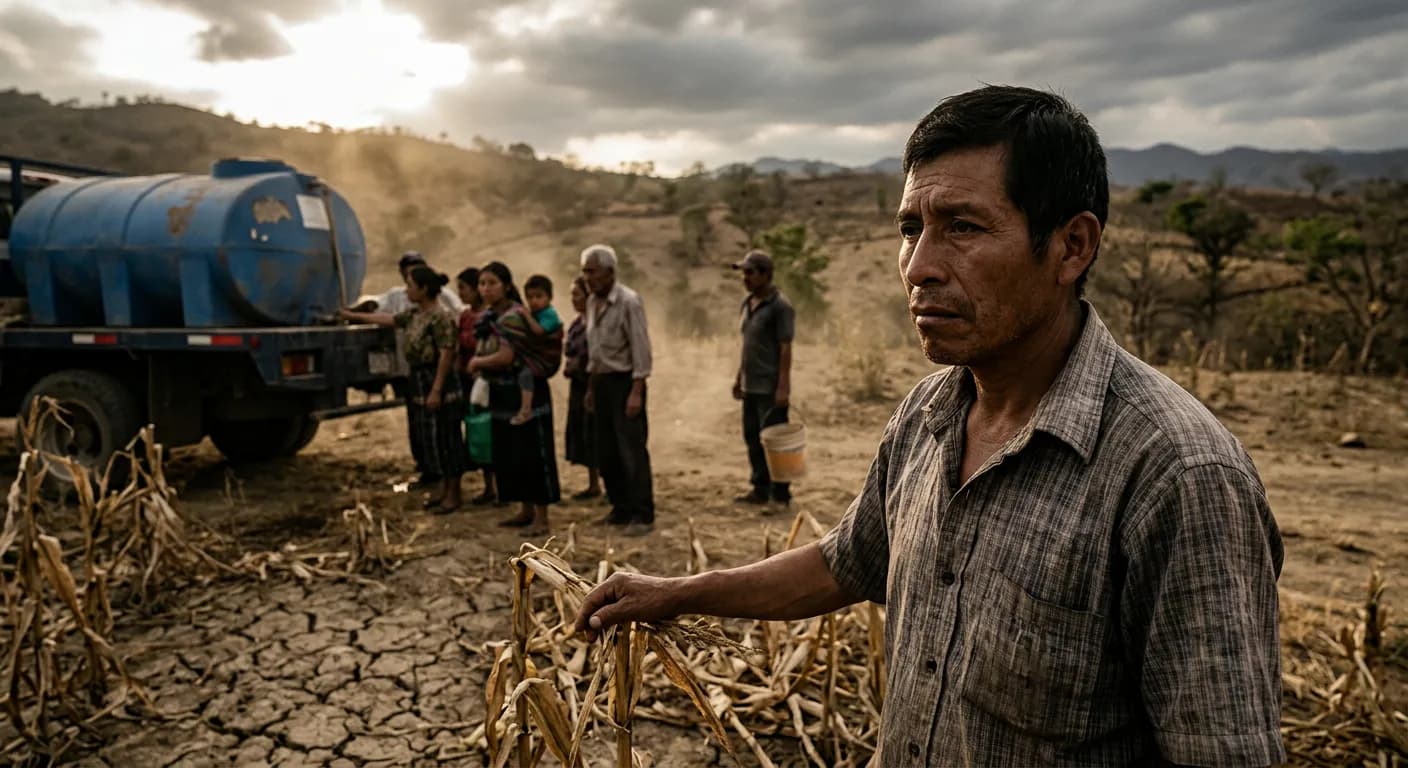
Guatemala: El Niño 2026–27 becomes regional security test
UNICEF: 25.8M children face El Niño risks in Latin America; Guatemala maps 188 municipalities for drought and food insecurity amid regional security test.