Modi's Energy Strategy Amid West Asia Crisis
Exploring alternative energy sources for India's fuel security
Model Diplomat3 min readAsia
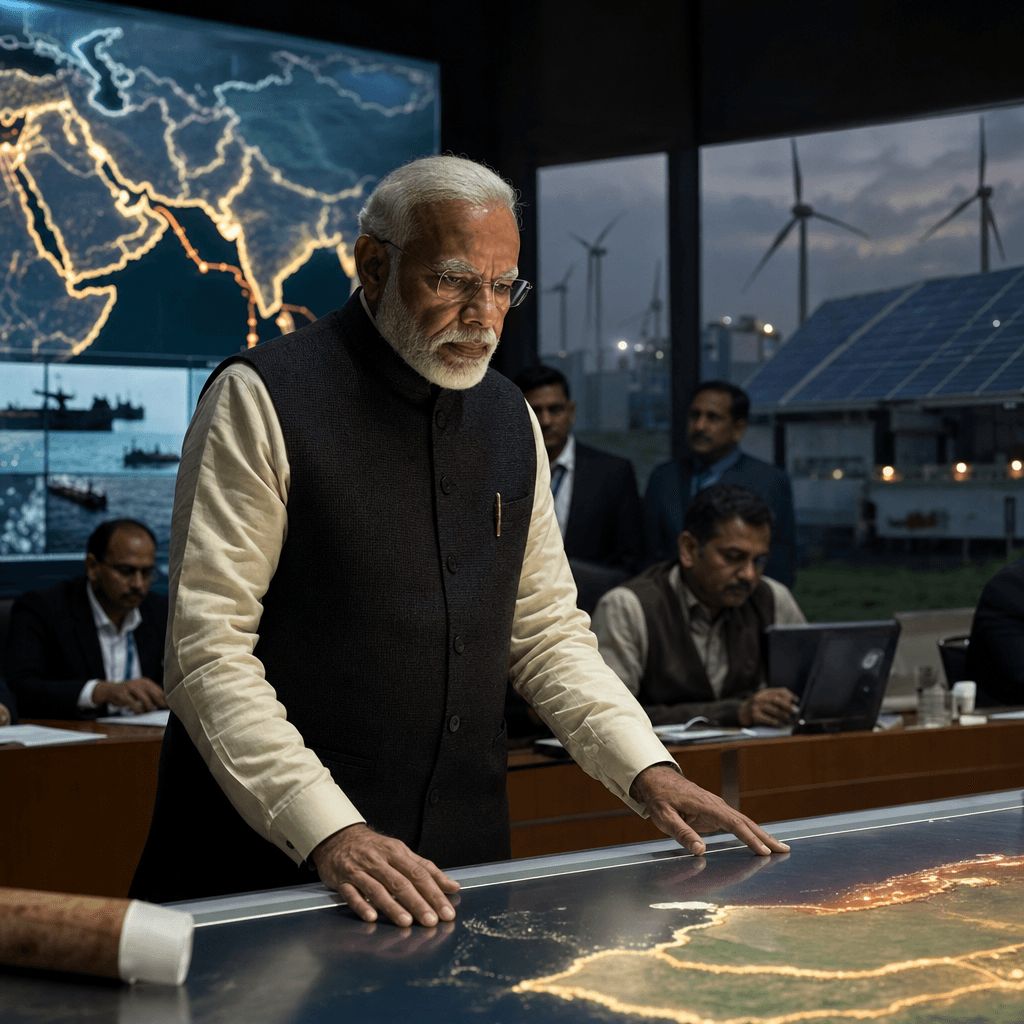
Modi Turns West Asia Risk Into an Energy Reset
With Hormuz under strain, Modi is pushing diversification now to protect India’s fuel import bill, cushion consumers, and keep room to maneuver with Gulf suppliers.
Prime Minister Narendra Modi has told his government to explore alternative energy sources as the West Asia crisis threatens shipments through the Strait of Hormuz, including a stronger push for biogas as a substitute for LPG, the Indian Express reported Thursday (Explore alternative energy sources, PM Modi tells Government amid West Asia crisis | India News - The Indian Express). The instruction came during a three-and-a-half-hour ministerial meeting after Modi’s tour of the UAE and four European capitals, where the conflict and its spillover into energy markets were a central topic, the paper said (
The Indian Express).
Energy security is now a political lever
The logic is straightforward: India does not control the shock, but it can control its exposure. The Strait of Hormuz remains a critical chokepoint for global oil and gas flows, and the disruption has already forced New Delhi to think beyond short-term price management. The Hindu reported earlier this week that Modi chaired a high-level review of petroleum, crude, gas, power and fertiliser supplies, and ordered a whole-of-government response to the crisis (West Asia conflict: PM Modi reviews West Asia situation, underlines diversification imperatives - The Hindu).
This is not just emergency management; it is leverage management. India is telling Gulf suppliers that it wants redundancy in LPG, crude, fertilisers and storage capacity, not dependence on any single route or seller. That weakens the price-setting power of volatile spot markets and strengthens India’s hand in long-term contracts. It also fits Modi’s broader message at the meeting: reforms must be tied to “ease of living,” not to bureaucratic disruption, according to the Indian Express (The Indian Express).
India has a buffer, but not immunity
The government is not acting from panic. The Hindu reported that officials told a separate review that India had 60 days of crude reserves, 60 days of natural gas and 45 days of LPG rolling stock, and that there was no immediate shortage of petroleum products (India secure, no fuel shortage amid West Asia crisis: Rajnath Singh - The Hindu). That cushion matters because it buys time. It does not eliminate risk if the crisis drags on.
The bigger exposure is second-order: fertilisers, petrochemicals and shipping costs. The Hindu noted that the government has already started discussing alternate fertiliser sources and the need to keep coal stocks adequate ahead of summer power demand (West Asia conflict: PM Modi reviews West Asia situation, underlines diversification imperatives - The Hindu). That tells you where the pressure point is: not just at the petrol pump, but across food and power inflation.
For India, the policy gain is strategic autonomy. The cost is that diversification takes time, contracts, capital and infrastructure. Biogas can offset some LPG demand, but it will not replace imported gas quickly. Strategic reserves help, but only up to a point. The immediate winners are Indian refiners and traders positioned to reroute supply; the losers are consumers if shipping insurance, freight and crude premiums stay elevated.
What to watch next
Watch for three decisions: whether New Delhi expands strategic storage deals in the Gulf, whether it locks in additional LPG and LNG contracts, and whether ministries move from crisis review to procurement. The next hard marker is the government’s follow-through after this week’s ministerial meeting and any further Gulf-related announcements from Modi’s ongoing diplomacy. If the Hormuz risk persists, expect energy security to move from an episodic response into a standing bargaining chip in India’s foreign policy.
Discover more
Climate & Energy
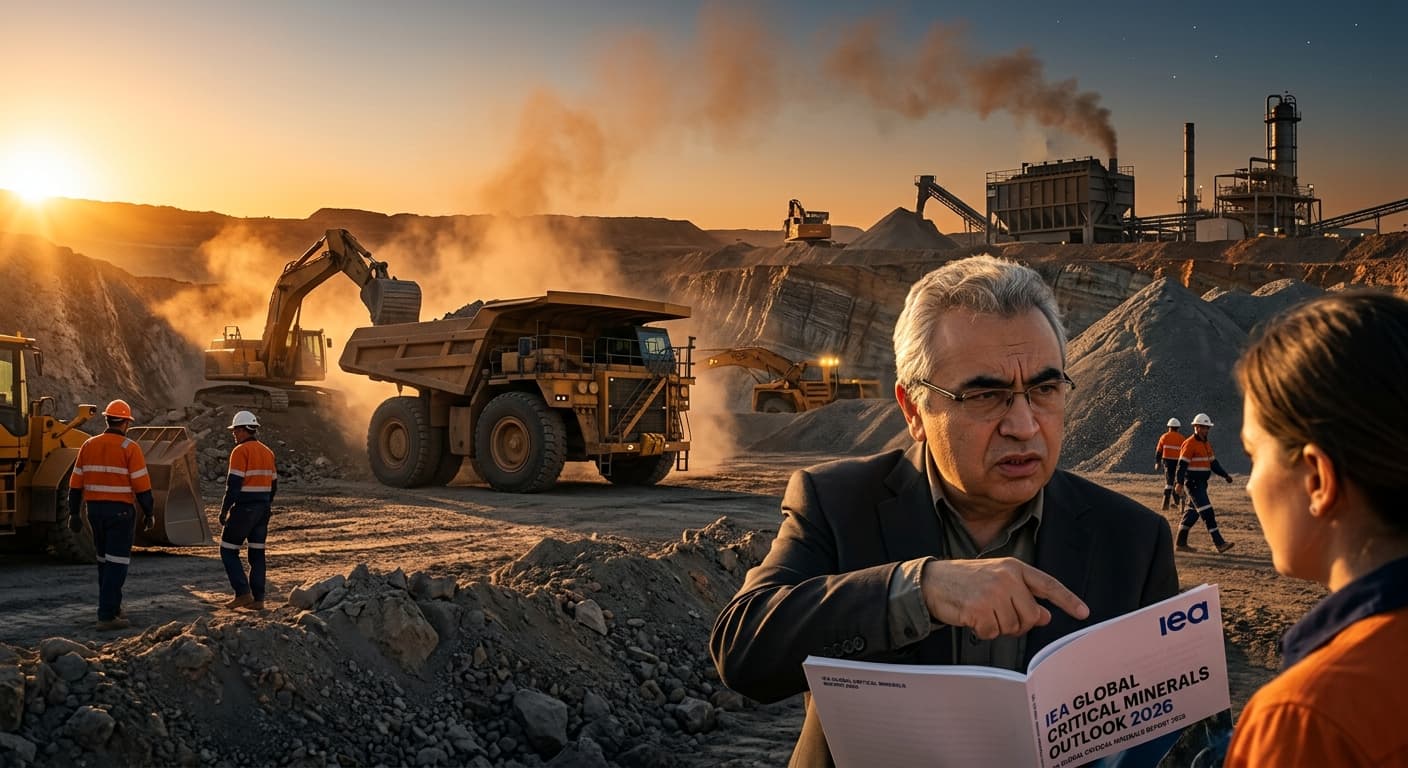
IEA Warns Critical Mineral Supply Crisis Deep
IEA's 2026 Global Critical Minerals Outlook warns that export controls and price volatility are deterring private investment, deepening China's refining dominance and threatening $6.5 trillion in downstream production.
Global
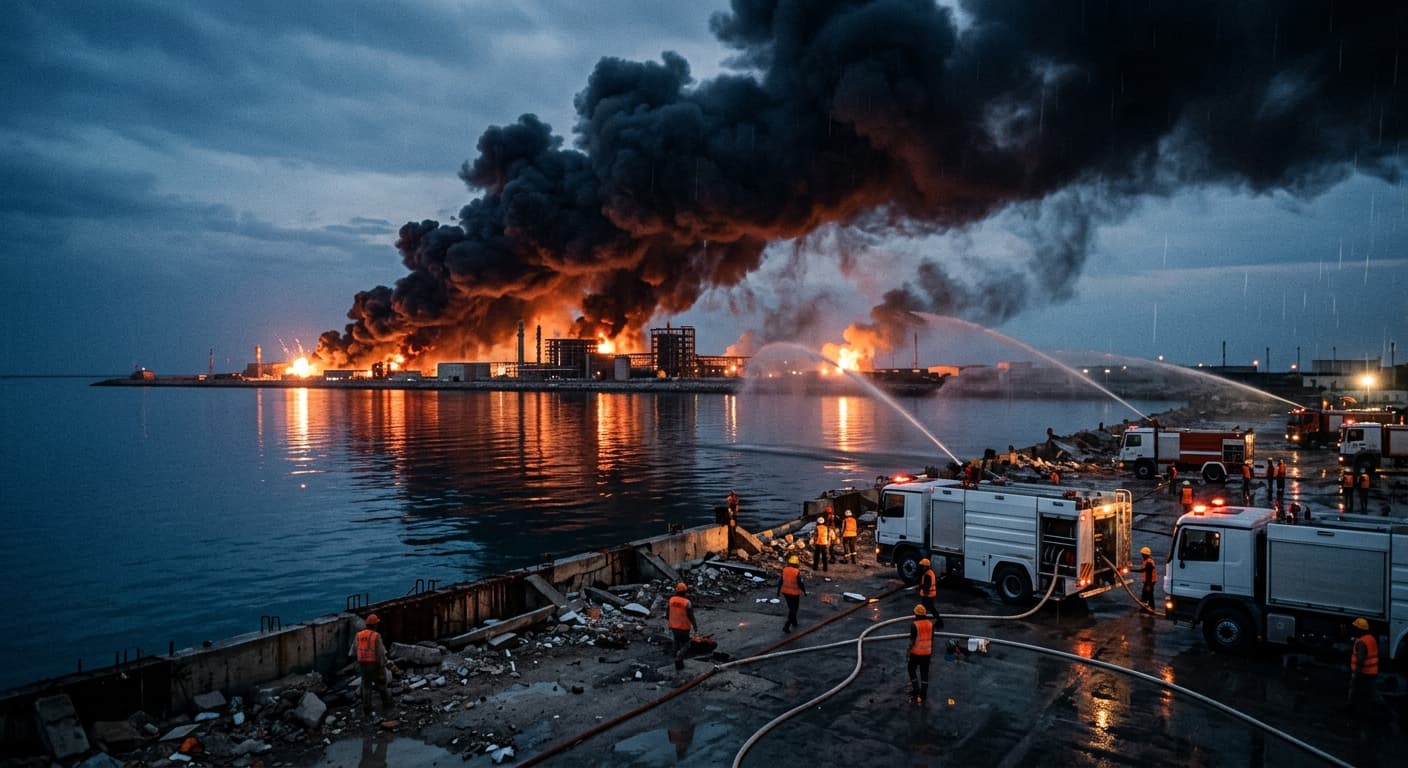
Strait of Hormuz War Escalates to Water War
US bombs Iran for ninth night, striking Tabriz for first time; Iran hits Kuwaiti desalination plants. The Strait of Hormuz war escalates into a battle over survival infrastructure as the June ceasefire collapses.
Global
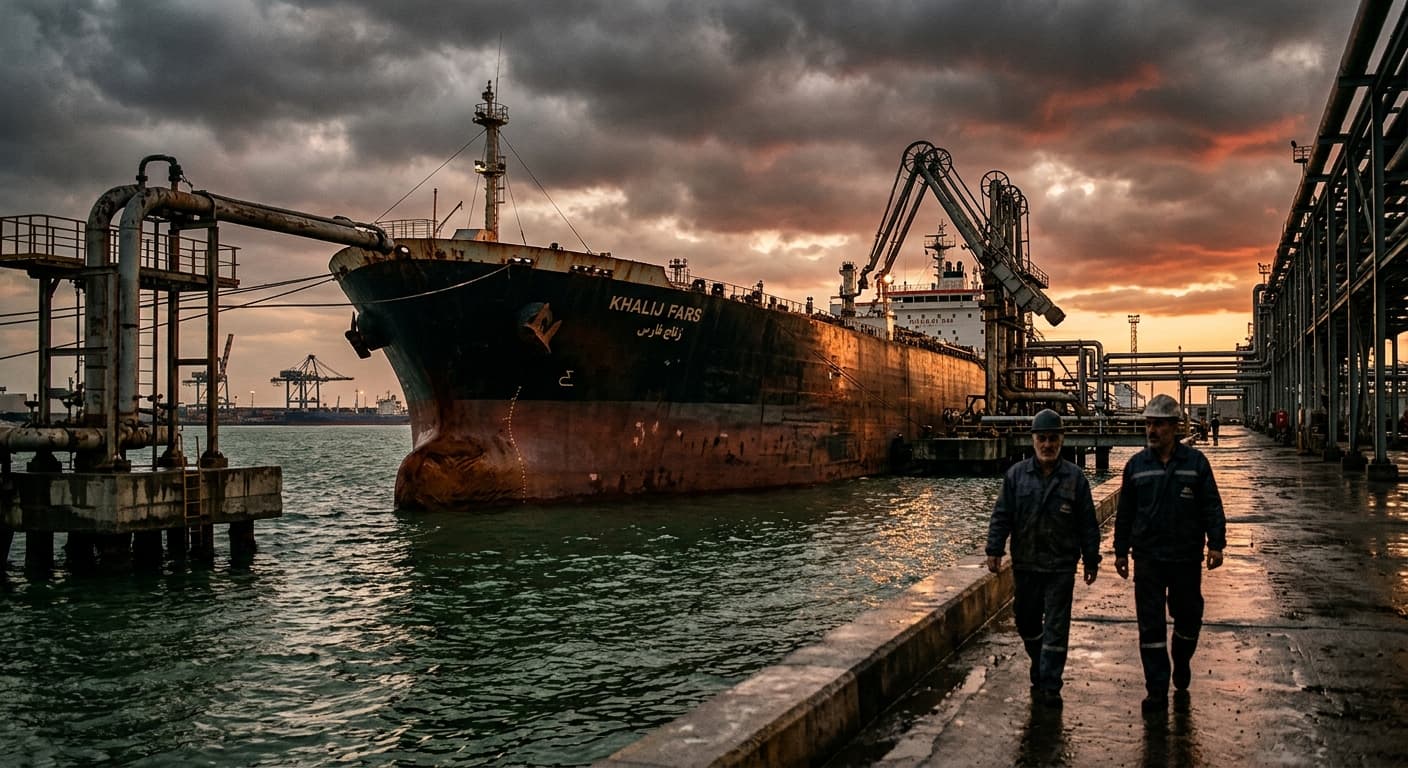
Iran's $6 Billion Oil Windfall During US Truc
Iran shipped 70 million barrels of crude worth $6 billion to China during a 30-day US sanctions pause, blunting the renewed naval blockade's economic impact for months.
Global
Iran's $6 Billion Oil Surge During US Truce
Iran exported 70 million barrels of oil worth $5-6 billion during a 27-day US truce in June 2026, exploiting a temporary OFAC license to refill its war chest and exposing a structural flaw in the blockade strategy.