Israel's Flotilla Crackdown
Detention abuse allegations shift focus from maritime enforcement.
Model Diplomat3 min readMiddle East
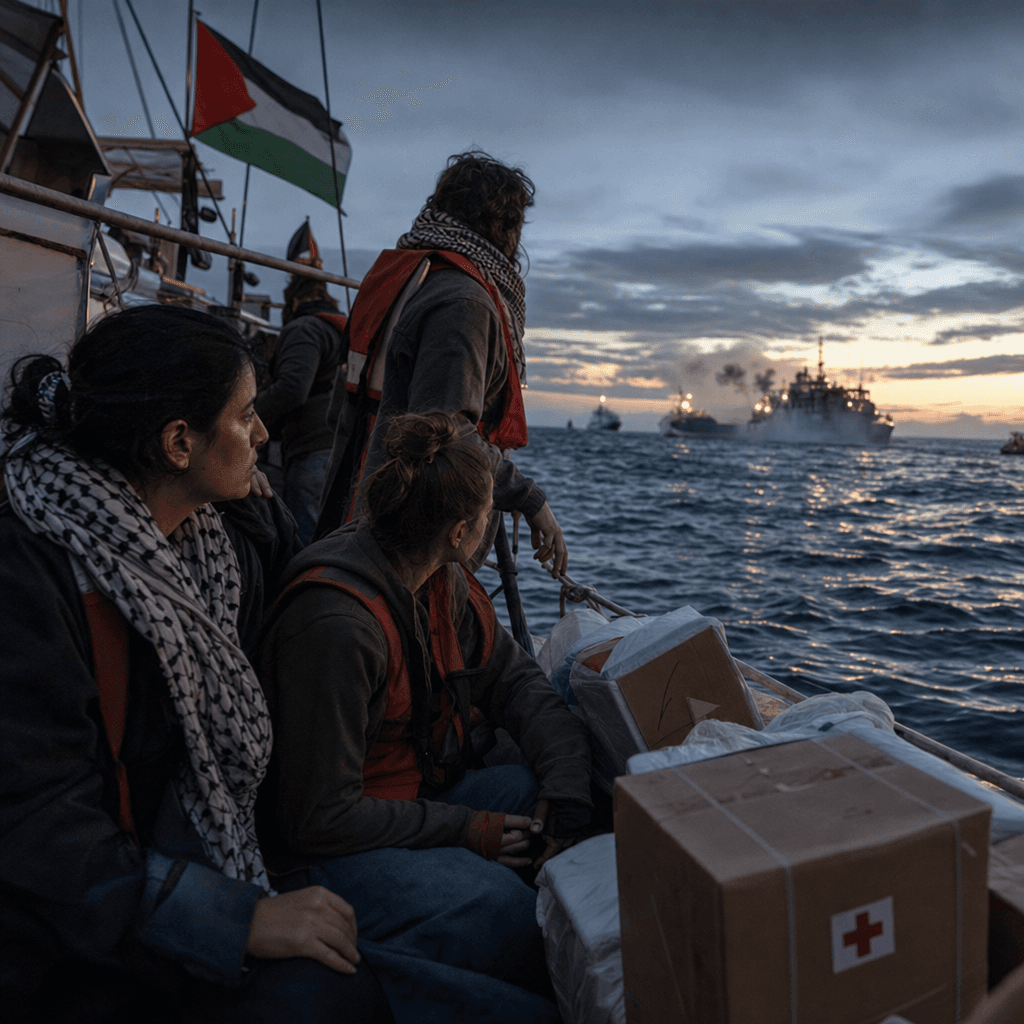
Israel’s flotilla crackdown now carries a diplomatic cost
Detention abuse allegations are shifting the Gaza flotilla story from maritime enforcement to a wider fight over Israel’s treatment of foreign detainees and its blockade.
Israel still controls the escalation ladder: it intercepted the Gaza-bound Global Sumud Flotilla, detained hundreds of activists, and then deported them once the political heat rose. Now those activists are alleging beatings, humiliation and sexual assault in custody, while Israel’s prison service calls the claims false and says the detainees were held lawfully. BBC
HuffPost
The immediate leverage is reputational
The flotilla was never going to break the blockade by force; its real utility was political theater. More than 50 boats carrying activists from over 40 countries set out to challenge Israel’s maritime cordon around Gaza, and Israeli forces intercepted them in international waters before transferring detainees to Ashdod and then into custody. BBC
OPB That gave Israel tactical control, but it also handed activists a platform to frame the arrest as part of the war over Gaza itself.
Al Jazeera
The allegation set is broad: the flotilla organisers claim at least 15 cases of sexual assault, while individual returnees have described beatings, tasering, denial of lawyers and injuries serious enough to require hospital treatment. BBC said it could not independently verify those claims, but it reported that Canada received information about “appalling abuse,” Germany said some nationals were injured, and Spain also confirmed injuries among its citizens. BBC
HuffPost
Why this matters beyond the activists
This is now less about aid delivery than about the cost of Israel’s detention regime. The crackdown is feeding into a broader International argument that the blockade is not just a security tool but a recurring diplomatic liability, especially when foreign citizens are involved.
BBC
Al Jazeera For European governments, this is awkward for a second reason: the activists are already home, the blockade remains in place, and the only visible question is whether they convert outrage into sanctions or legal action.
HuffPost
That is where the politics inside Israel matter. Prime Minister Benjamin Netanyahu has distanced himself from the conduct of far-right National Security Minister Itamar Ben-Gvir after a video showed Ben-Gvir taunting kneeling detainees; Reuters, via HuffPost, reported that Italy was pushing EU partners toward sanctions discussions, while Germany and France demanded explanations and medical checks for their nationals. OPB
HuffPost Ben-Gvir benefits from the domestic optics of toughness; Netanyahu loses if the story hardens into proof that his coalition cannot manage even the optics of detention.
BBC
What to watch next
The key next step is evidentiary: whether the complaints lodged by activists in Italy, France, Spain and Germany turn into police files, medical records and court testimony. Reuters reported that Rome prosecutors are already examining possible kidnapping, torture and sexual assault, and EU officials are discussing whether Ben-Gvir is now sanctionable. HuffPost
If those cases advance, Israel’s tactical victory at sea will be overshadowed by a slower institutional fight in European capitals and courts. If they stall, Israel keeps the blockade and absorbs another round of reputational damage. The next decision point is not in Gaza waters; it is in Rome and Brussels.
Discover more

International Relations
Pakistan's Key Role in US-Israel-Iran Meddle
Pakistan is seeking to mediate the US-Israel-Iran conflict, balancing high-stakes diplomacy against severe economic pressures and steep regional challenges.
India
UN Expert Albanese: India Violates Law
UN Rapporteur Francesca Albanese accuses India of breaching international law, spotlighting human rights concerns in Kashmir and prompting diplomatic pushback.

Global Politics
US Seizes Iranian Ship, Tensions Surge
The US seizure of the Iranian ship Touska highlights a shift in control over the Strait of Hormuz, favoring Iran's strategic position.

Conflict & Security
Drone Warfare Killing Aid Workers at Unprec
Over 1,000 humanitarian workers killed in three years as cheap armed drones collapse legal protections. Gaza, Sudan, Ukraine, and DRC see deliberate targeting of aid convoys and hospitals with zero prosecutions.

