GOP Cancels Iran War Vote, Trump’s Weakness
House GOP leaders avoid a vote to protect Trump from defeat.
Model Diplomat3 min readNorth America
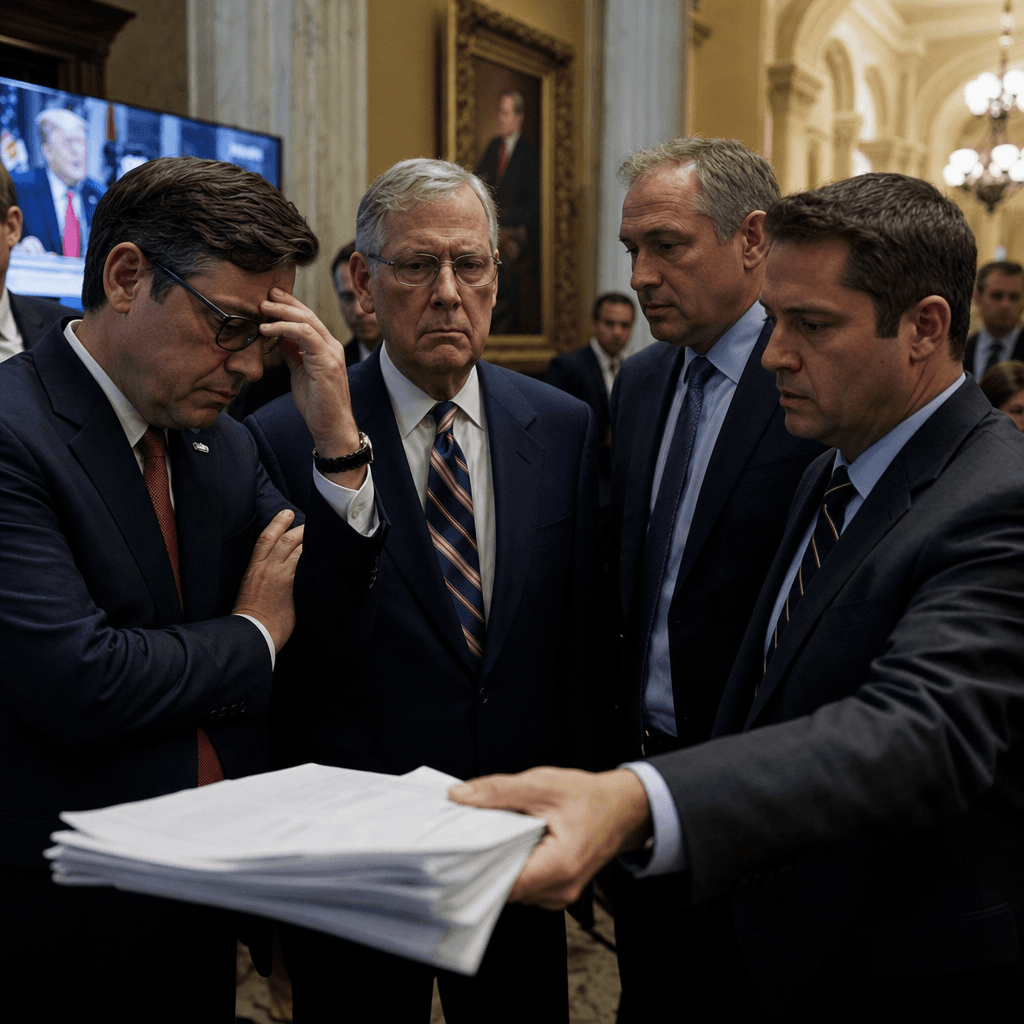
GOP Scraps Iran War Vote to Spare Trump a House Loss
House leaders killed a war-powers vote as Republicans were headed for defeat, exposing how thin Trump’s hold is on Iran policy and on his own conference.
House GOP leaders canceled a planned vote on a resolution to limit President Donald Trump’s war powers in Iran after it became clear Republicans were short of the votes to kill it, according to CNN Politics. The resolution, sponsored by Rep. Gregory Meeks, would have forced lawmakers to take a recorded position on whether Trump can keep using military force against Iran without fresh congressional approval.
The arithmetic beat the message
This was not a policy retreat; it was a vote-management decision. CNN Politics says Republicans were on the verge of losing because of absences, and Speaker Mike Johnson’s team pulled the plug rather than hand Democrats a floor victory. That matters because the House had already come close to passing a similar measure last week, when a tie kept it alive only because a few Republicans crossed over,
The Globe and Mail reported.
The political signal is simple: Trump still has enough loyalty to block action, but not enough to count on a clean party-line win every time. That is a problem for a White House trying to present the Iran campaign as settled and popular. It is also a sign that House Republicans are increasingly treating the issue as a liability back home, where gas prices and war fatigue are doing more damage than party discipline can repair. For the broader U.S. politics picture, this is the kind of fight that tells you where the party’s internal limits really are.
Congress is testing the war-powers ceiling
The deeper issue is constitutional leverage. The Globe and Mail says the conflict has now run past the 60-day limit in the 1973 War Powers Resolution, and some Republicans are starting to argue that Trump’s legal window has closed. That is why Democrats keep forcing these votes: even when they lose procedurally, they are building a record that Congress did not clearly authorize the war.
The Senate has already advanced a similar resolution, according to CNN Politics, and Reuters reporting published by
CBC News shows the White House is leaning on a different argument: Trump declared the ceasefire had “terminated” hostilities, which the administration says resets the clock. That is a legal escape hatch, not a political solution. If Congress accepts it, presidents get a template for stretching short wars into open-ended campaigns.
What to watch next
The next decision point is whether House leaders reschedule the vote once absent Republicans return. If they do, count the defectors: every Republican willing to back the resolution weakens Trump’s claim that his Iran policy still commands the conference. Also watch the Senate follow-through and whether the White House doubles down on the ceasefire argument. The real date that matters now is the next floor vote — because that is where Trump’s grip, not his rhetoric, gets measured.
Discover more
Global Politics
Trump's Conflicting Messages on Iran War
Trump's mixed messages on Iran reflect a strategy of audience management, benefiting Tehran amid a complex geopolitical landscape.

Conflict & Security
Drone Warfare Killing Aid Workers at Unprec
Over 1,000 humanitarian workers killed in three years as cheap armed drones collapse legal protections. Gaza, Sudan, Ukraine, and DRC see deliberate targeting of aid convoys and hospitals with zero prosecutions.

Global
World Normalises Taliban as Afghan Women Eras
UN data shows Afghan women erased from public life as Russia recognises the Taliban, EU hosts officials in Brussels, and ICC warrants for gender persecution go unenforced.

Conflict & Security
West Africa Food Crisis: Three Shocks in 2026
Conflict, climate extremes, and the Strait of Hormuz closure drive a severe food crisis in West and Central Africa, with fertilizer prices surging 80% and millions displaced.