Xi and Putin’s Friendship
Exploring the strategic dynamics of Xi and Putin's partnership
Model Diplomat3 min readAsia
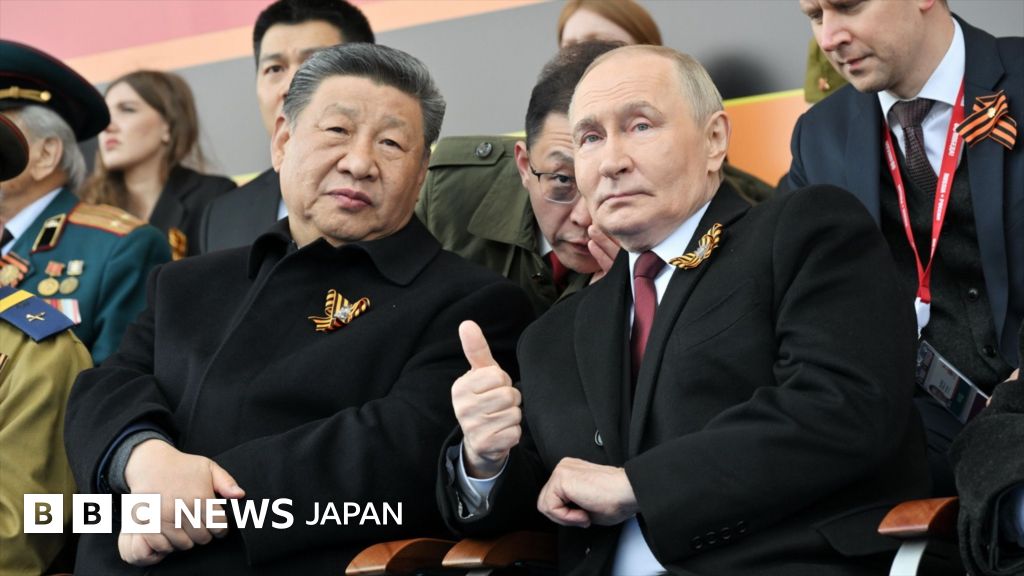
Xi and Putin’s “friendship” is leverage, not sentiment
Beijing is using Moscow’s isolation to lock in cheaper energy and geopolitical alignment, while Putin needs China more than China needs him.
Xi Jinping and Vladimir Putin are presenting their relationship as a strategic “no-limits” partnership, but the harder read is more basic: China holds the stronger hand. At their Beijing meeting on May 20, the two leaders signed a batch of cooperation documents and issued pro-multipolarity statements, yet the most consequential question — the long-delayed Power of Siberia 2 gas pipeline — still ended with only a “general understanding,” not a finalized deal, according to BBC News and
Al Jazeera.
That asymmetry matters because it shows what this relationship has become: a wartime supply arrangement for Moscow, and a bargaining tool for Beijing. Russia’s economy has been pushed east by Western sanctions, and China is now its largest trading partner and biggest buyer of oil and gas, the BBC and
Al Jazeera both noted. That gives Xi leverage on price, timing, and route. Putin, by contrast, is trying to use the summit to signal that Russia has alternatives to Europe — even as those alternatives increasingly run through Chinese terms.
Energy is the real test
The pipeline is the clearest measure of who can wait. According to BBC News and
Al Jazeera, Power of Siberia 2 would eventually carry up to 50 billion cubic meters of gas a year from western Siberia through Mongolia into China. But no timetable has been set, and the Kremlin itself has admitted that important details remain unsettled.
That is the point. Moscow wants the project to replace revenue lost from Europe. Beijing wants optionality: another supply route, better pricing, and no dependence on a single supplier. As AFPBB News reported, Xi called the relationship “unyielding,” while also pressing against what he called Western “hegemonic” behavior. That is ideological language, but the commercial logic is colder. China can afford to delay. Russia cannot.
For policymakers watching this from the Global Politics page, the implication is straightforward: Beijing is not underwriting Moscow out of loyalty. It is extracting strategic discounts while keeping Russia useful as a counterweight to the United States.
Why the “bromance” narrative misleads
The language of “friendship” flatters both leaders, but it obscures the structure underneath. The BBC’s correspondent framing in BBC News — asking whether Xi and Putin are really “close friends” — gets to the right issue: personal chemistry is secondary to state interest. Putin benefits from the optics of being embraced by a great power after years of Western isolation. Xi benefits from keeping Russia aligned, but subordinate.
That also explains why the summit produced declarations about a “multipolar world” rather than hard breakthroughs. Those statements are cheap. A pipeline contract, pricing formula, and delivery schedule would tell the real story. They still do not exist in final form, which means the relationship remains politically close but economically negotiated.
What to watch next
The next decision point is the pipeline. If Beijing accepts a more concrete Power of Siberia 2 deal, that will confirm China is willing to deepen dependence on Russian gas in exchange for structural leverage over Moscow. If it does not, the summit will stand as a reminder that Putin still needs Xi more than Xi needs Putin. Watch for follow-up language from the Kremlin and China’s energy firms over the next few weeks, especially on route, pricing, and Mongolian transit.
Discover more
Global
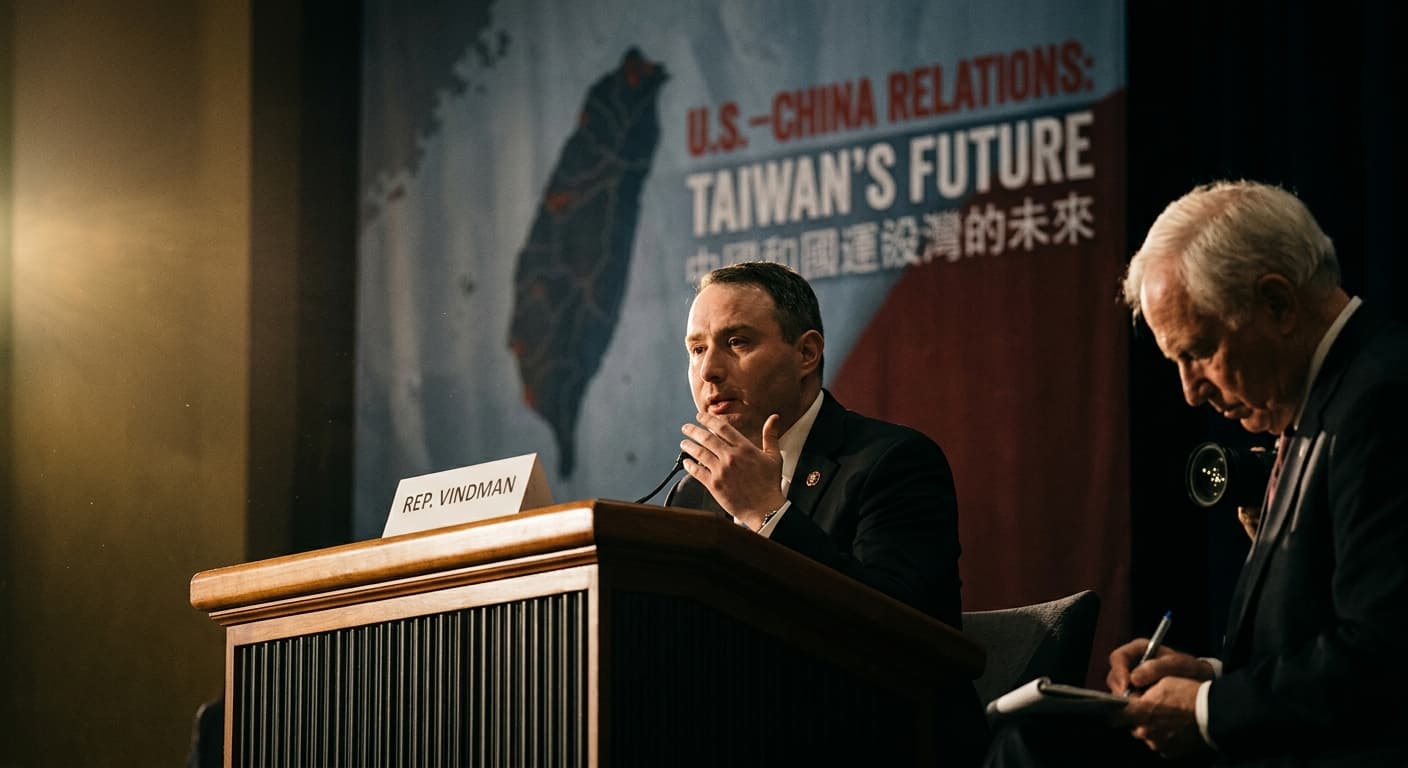
Vindman's Call for U.S. Response to China
Rep. Eugene Vindman highlights the urgent need for a U.S. strategy to counter China's gray-zone tactics against Taiwan, emphasizing economic stakes.
Global
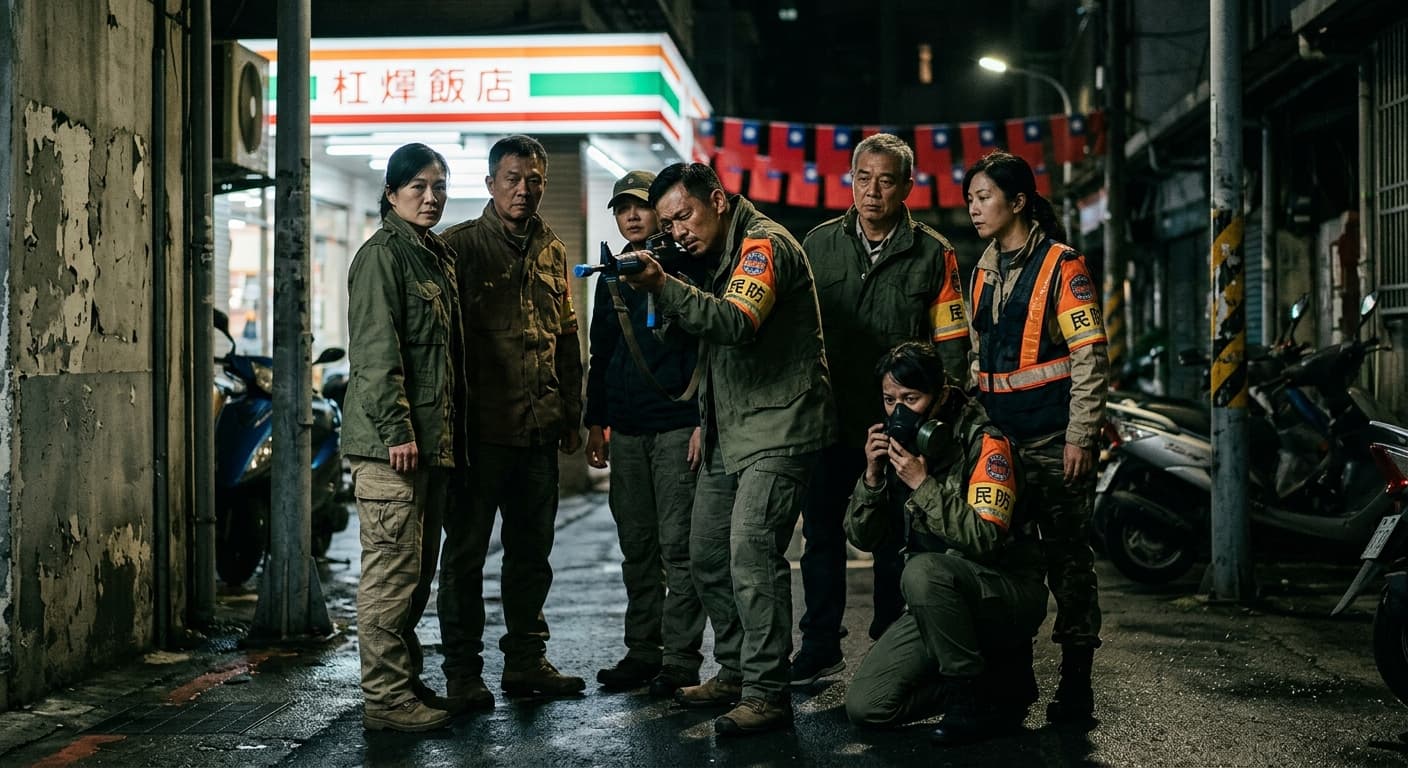
Taiwan's Civil Defense: Deterrence Strategy
Taiwan's National Security Council emphasizes civil defense drills as a deterrent against Chinese military aggression, amid budget cuts and rising tensions.
Global
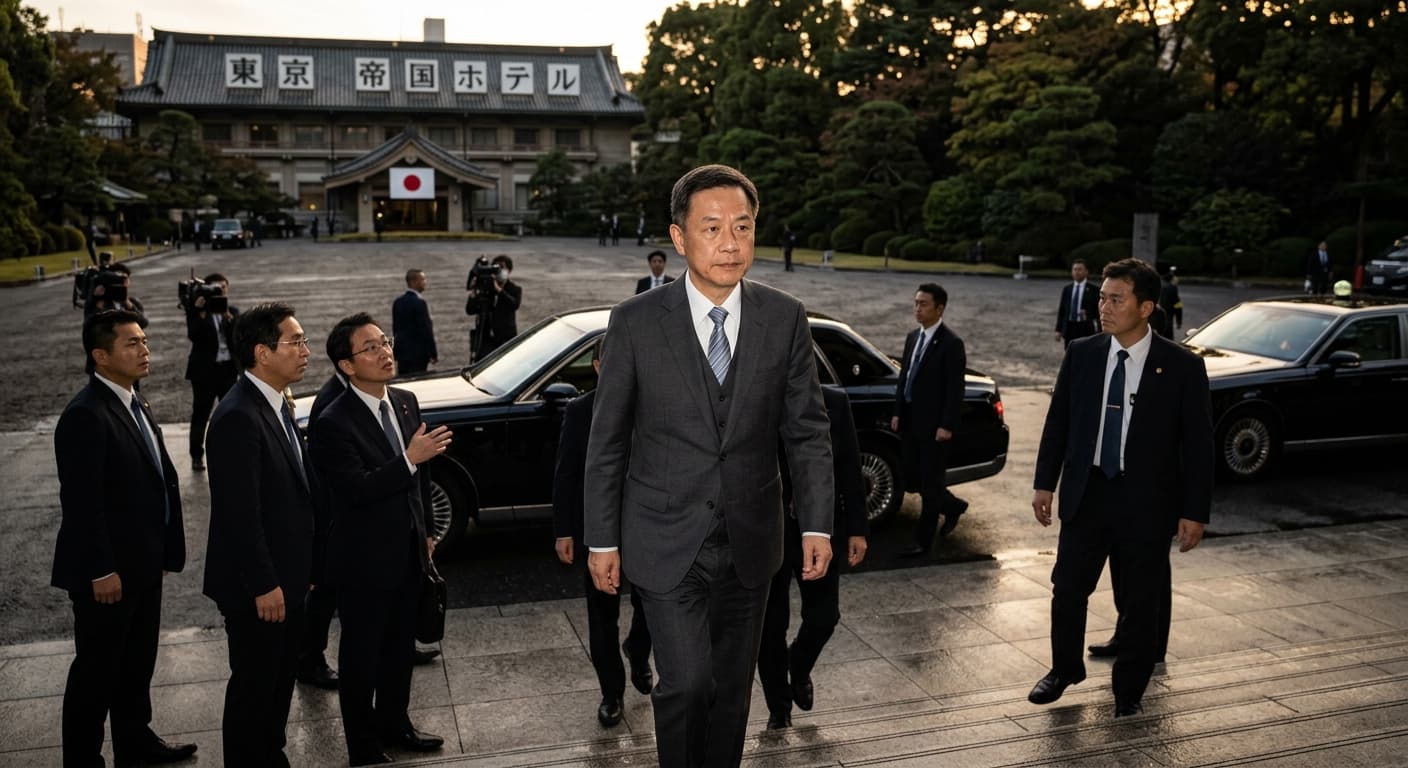
Taiwan Premier's Historic Tokyo Visit
Taiwan Premier Cho Jung-tai's visit to Japan breaks a 54-year precedent, signaling a shift in Indo-Pacific dynamics amid China's coercion.

India
Lipulekh Pass Reopens: India-China Trade
India and China reopen the Lipulekh Pass for cross-border trade, signaling a cautious thaw in relations after years of frozen frontier and diplomatic tensions.