Iran Talks Stalled: Pakistan Mediates Amid T
Diplomatic efforts continue but gaps remain in negotiations.
Model Diplomat3 min readMiddle East
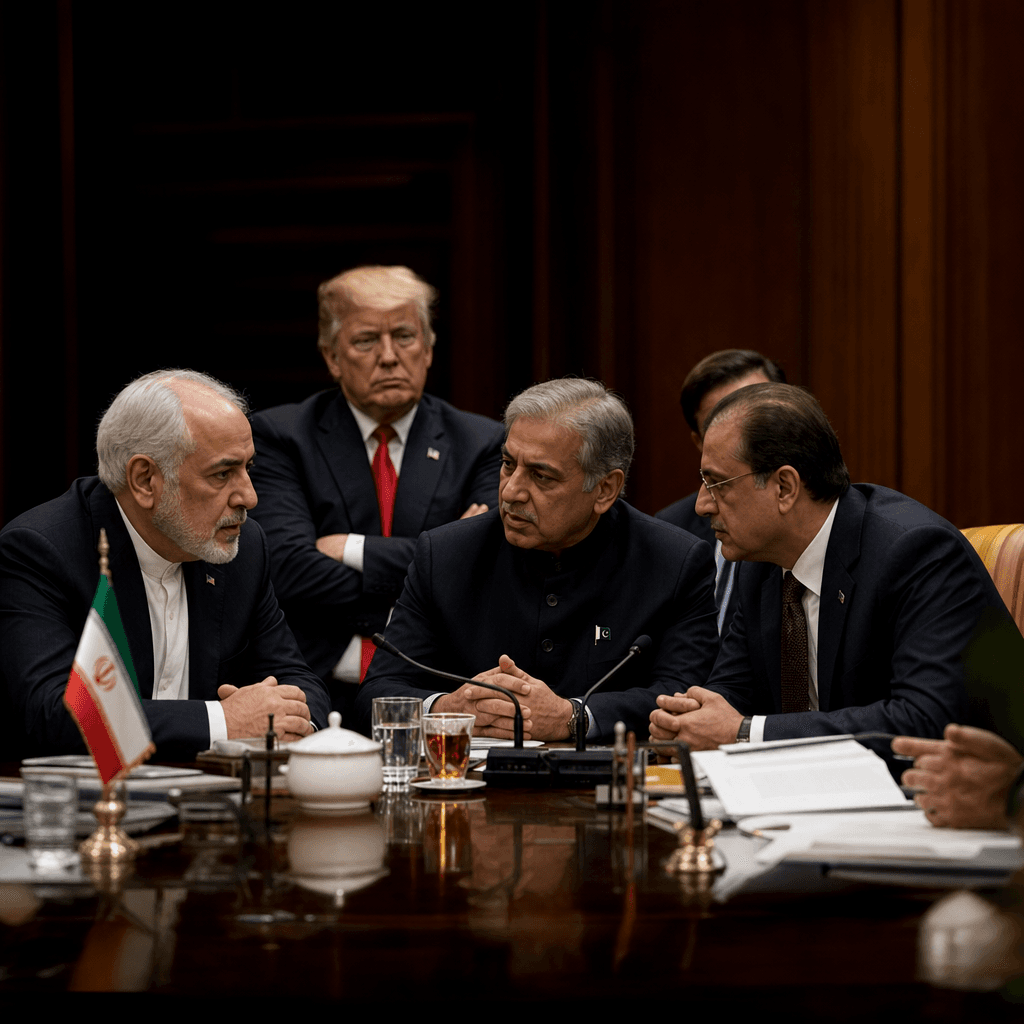
Iran Talks Stall as Pakistan Brokers and Trump Threatens
Tehran says diplomacy is still alive, but Pakistan’s mediation, Hormuz leverage and Trump’s threats show how narrow the deal space is.
Tehran is keeping the channel open, but it is not conceding leverage. Iran’s foreign ministry said talks with Washington continue through Pakistani mediation, yet there is still “no agreement close” and “deep and significant” gaps remain, while Foreign Minister Abbas Araghchi told UN chief António Guterres that Washington’s “excessive demands” are blocking a deal (Al Jazeera,
Al Jazeera). The message is clear: Iran wants the optics of diplomacy, but it is still negotiating from a position built around the Strait of Hormuz, sanctions relief and war termination, not just nuclear limits (
Al Jazeera).
Pakistan is now the key intermediary
Pakistan’s army chief Asim Munir’s arrival in Tehran is the practical sign that this track still has life. Al Jazeera reported that Munir is in Iran as part of mediation efforts, after Pakistan hosted the only direct US-Iran contacts since the war began and helped secure the April ceasefire (Al Jazeera,
Al Jazeera). That gives Islamabad temporary diplomatic weight, but not control. The same reporting makes plain that Pakistan’s role is to shuttle texts and narrow gaps, not to impose terms. The benefit is obvious for Islamabad: it stays indispensable to both sides and keeps a seat in a crisis that affects Gulf security, oil flows and its own ties with Washington and Tehran.
The problem for the US is that every round of mediation also validates Iran’s sequencing strategy. Tehran is trying to make Hormuz and sanctions the first-order issue; Washington wants to pull the talks back toward nuclear constraints and security guarantees. That is why this is best read through the lens of Global Politics: it is not just diplomacy, it is coercive bargaining over who sets the agenda.
Hormuz is still Iran’s strongest card
The real leverage is maritime. Iran’s Revolutionary Guard said 35 ships transited the Strait of Hormuz with Iranian permission over the past 24 hours, underscoring that Tehran is not fully closing the waterway so much as regulating access to demonstrate control (Al Jazeera). That matters because Hormuz carries roughly a fifth of global oil flows in normal conditions; any hint of disruption moves energy markets and raises pressure on the White House to avoid escalation (
Al Jazeera,
BBC).
This is also why Trump’s negotiating style cuts both ways. BBC reported that he has alternated between saying a deal is close and warning that bombing could resume if Tehran does not accept his terms, while Reuters, as cited by Al Jazeera, said the EU is moving toward sanctions on Iranian officials linked to blocking the strait (BBC,
Al Jazeera). That combination gives Washington pressure leverage, but it also reinforces Iranian suspicion that any concession will invite a new demand.
What to watch next
The next decision point is whether Washington accepts a narrow interim text or keeps pushing for a broader package that covers Hormuz, sanctions and Iran’s nuclear file. Watch for three things over the next few days: a follow-up statement from Munir’s Tehran meetings, any public US response to Iran’s latest counterproposal, and whether Trump turns his latest “slight progress” framing into a deadline. If there is movement, it will come through Pakistan or Qatar first; if not, the leverage game shifts back toward force.
Discover more

International Relations
Pakistan's Key Role in US-Israel-Iran Meddle
Pakistan is seeking to mediate the US-Israel-Iran conflict, balancing high-stakes diplomacy against severe economic pressures and steep regional challenges.

Conflict & Security
Drone Warfare Killing Aid Workers at Unprec
Over 1,000 humanitarian workers killed in three years as cheap armed drones collapse legal protections. Gaza, Sudan, Ukraine, and DRC see deliberate targeting of aid convoys and hospitals with zero prosecutions.

Global
World Normalises Taliban as Afghan Women Eras
UN data shows Afghan women erased from public life as Russia recognises the Taliban, EU hosts officials in Brussels, and ICC warrants for gender persecution go unenforced.
Conflict & Security
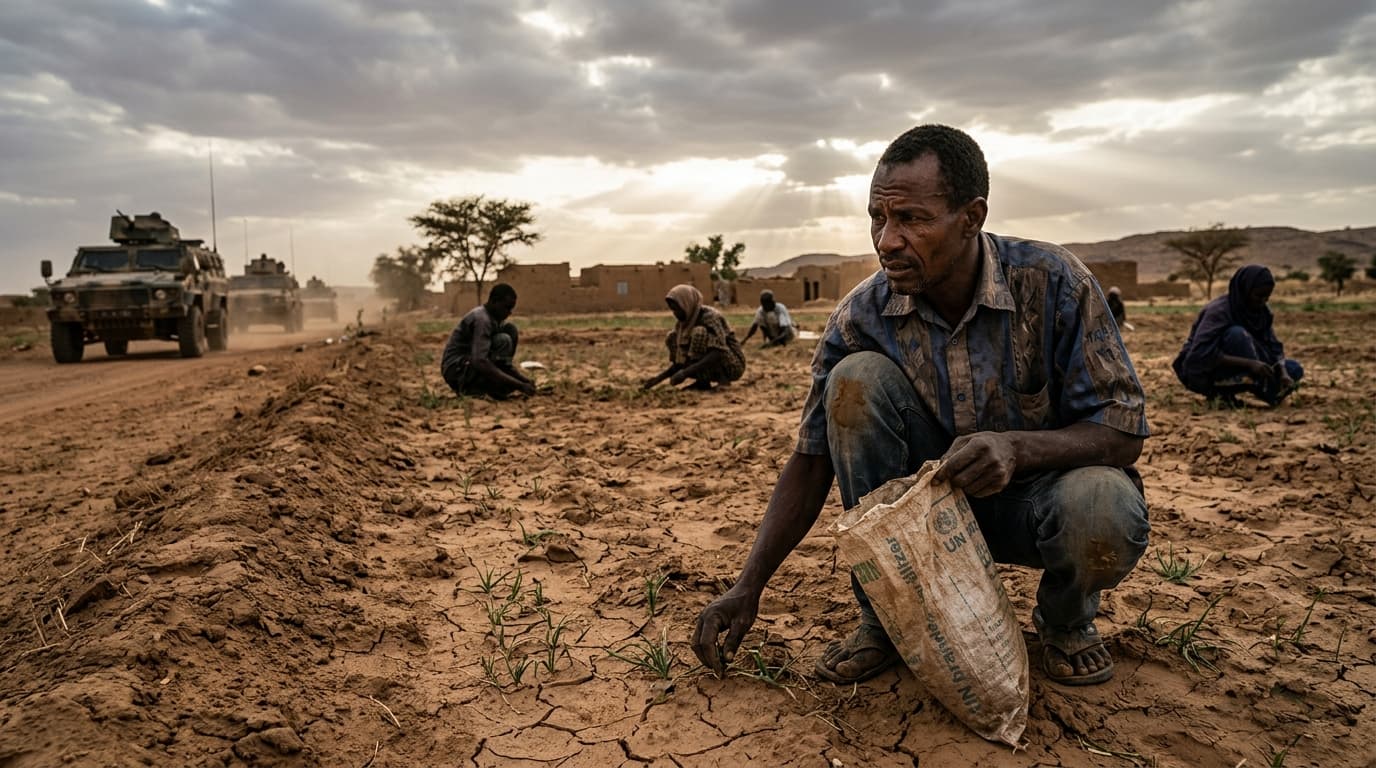
West Africa Food Crisis: Three Shocks in 2026
Conflict, climate extremes, and the Strait of Hormuz closure drive a severe food crisis in West and Central Africa, with fertilizer prices surging 80% and millions displaced.