Oliynykova Challenges WTA's Russia Policy
Ukrainian player defies WTA over treatment of Russian athletes
Model Diplomat3 min readEurope
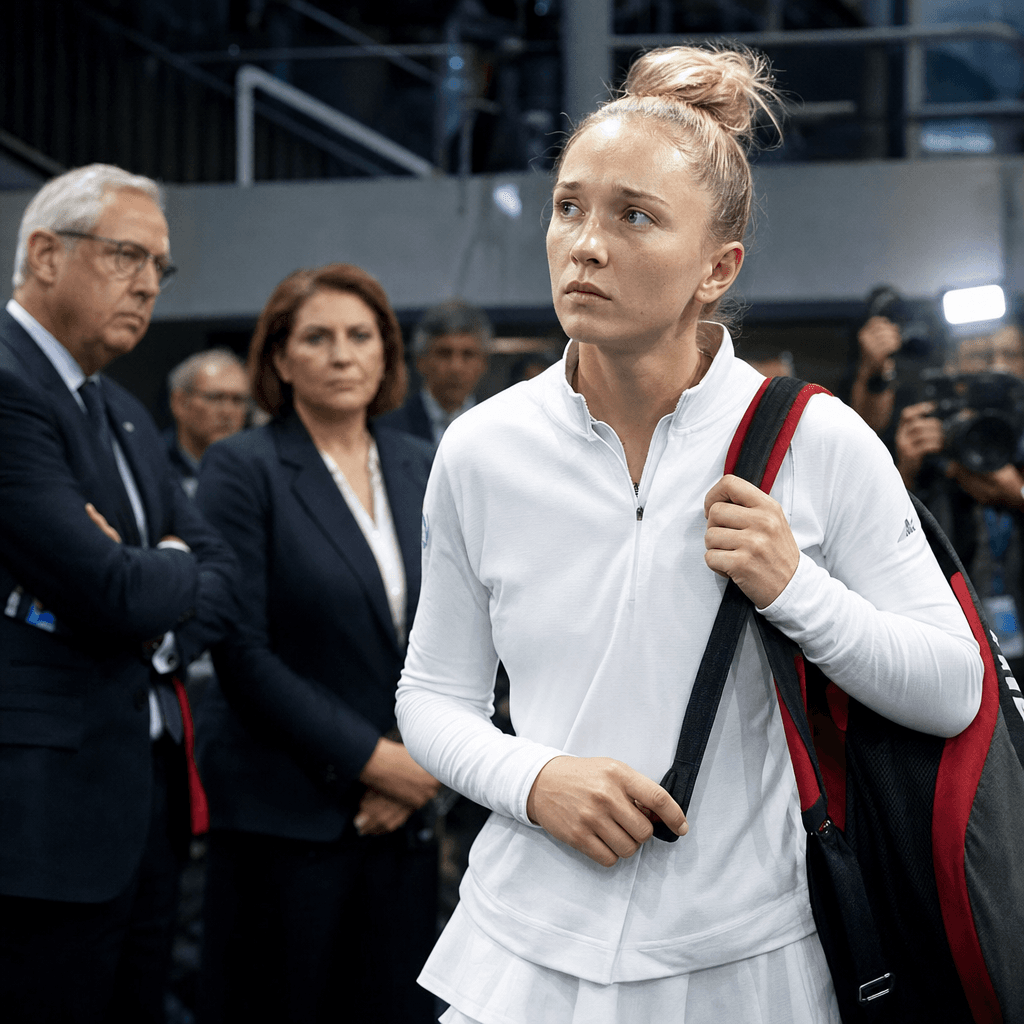
WTA’s Russia Policy Runs Into Oliynykova’s Defiance
[Ukraine’s Oleksandra Oliynykova says the WTA threatened fines and disqualification after she attacked Russian and Belarusian players, exposing the tour’s hardest governance problem.]
Oleksandra Oliynykova has turned a player dispute into a test of authority. The Ukrainian world No. 68 says the WTA warned her with fines “of tens of thousands of dollars” and even disqualification after she criticized Russian and Belarusian players, including Aryna Sabalenka, in public and on Instagram, according to Yahoo Sports and
The Athletic. The tour’s response is revealing: it said it condemns Russia’s war on Ukraine, supports Ukrainian players, and handles conduct complaints through confidential processes,
Yahoo Sports reported.
Why the tour is under pressure
The WTA has leverage because it controls the platform Oliynykova needs: ranking points, prize money, and entry into the events that can keep a career alive. That is why the tour can demand players keep disputes away from the court. But the war has made that line impossible to police cleanly. Ukrainian players have long treated Russian and Belarusian opponents as political symbols, not just competitors, and the sport has already normalized visible friction — no handshakes, no on-court pleasantries, no shared national identity. At the Madrid Open, for example, Ukraine’s Marta Kostyuk beat Russia’s Mirra Andreeva without a handshake, a pattern described by BBC Sport as routine since 2022.
That is the real problem for the tour: it wants a neutral workplace, but the war keeps producing non-neutral conduct. On one side, Russian and Belarusian players want to be treated as athletes, not proxies for the Kremlin or Minsk. On the other, Ukrainian players argue that silence is itself a political act. Oliynykova’s complaint sharpens that split because she is not asking for a private accommodation; she is accusing the governing body of suppressing her criticism while allowing players she views as politically compromised to compete. For the broader geopolitical lens, this is the same kind of Conflict issue that sports bodies usually try to avoid until it lands in their disciplinary file.
Who benefits, who loses
The WTA benefits from consistency. It cannot afford a precedent that lets every national grievance become an on-court campaign. Russian and Belarusian players also benefit from that approach, because it preserves access to the tour despite the war. Oliynykova, by contrast, loses if the WTA decides that naming names crosses the line. But she also gains something the tour cannot sanction away: visibility. Her story, amplified by BBC Sport, is tied to the larger reality of a Ukrainian athlete training in Kyiv through missile attacks and using her platform to argue that sport cannot be detached from the war.
What to watch next
The next pressure point is whether the WTA formalizes any discipline against Oliynykova or lets the issue fade after Rome. Also watch whether other Ukrainian players back her publicly, because that would turn a one-player complaint into a wider challenge to tour policy. The broader backdrop is moving too: The Athletic reported that the IOC is easing restrictions on Belarusian athletes, which could intensify Ukrainian pressure on tennis governing bodies to hold the line rather than relax it.
Discover more
India
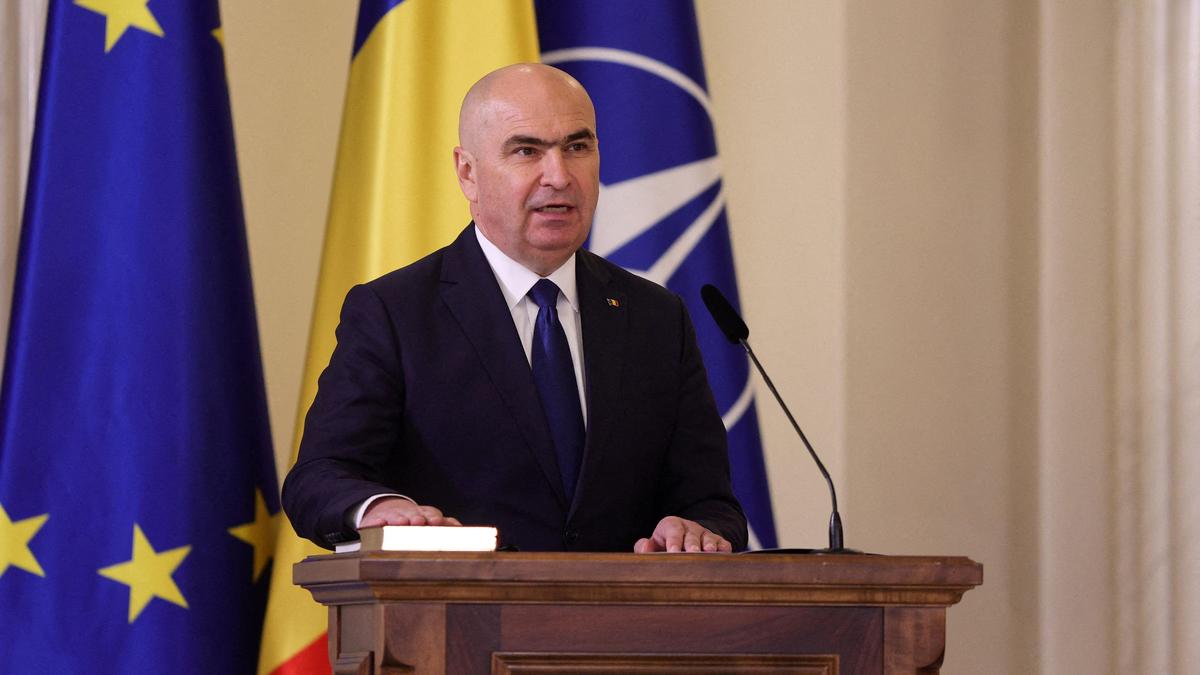
Romanian Coalition Party Demands PM Resign
Romania's Social Democrats withdrew from coalition, joining far-right AUR to topple PM Bolojan, risking €10 billion in EU funds by August 2026.
US Politics
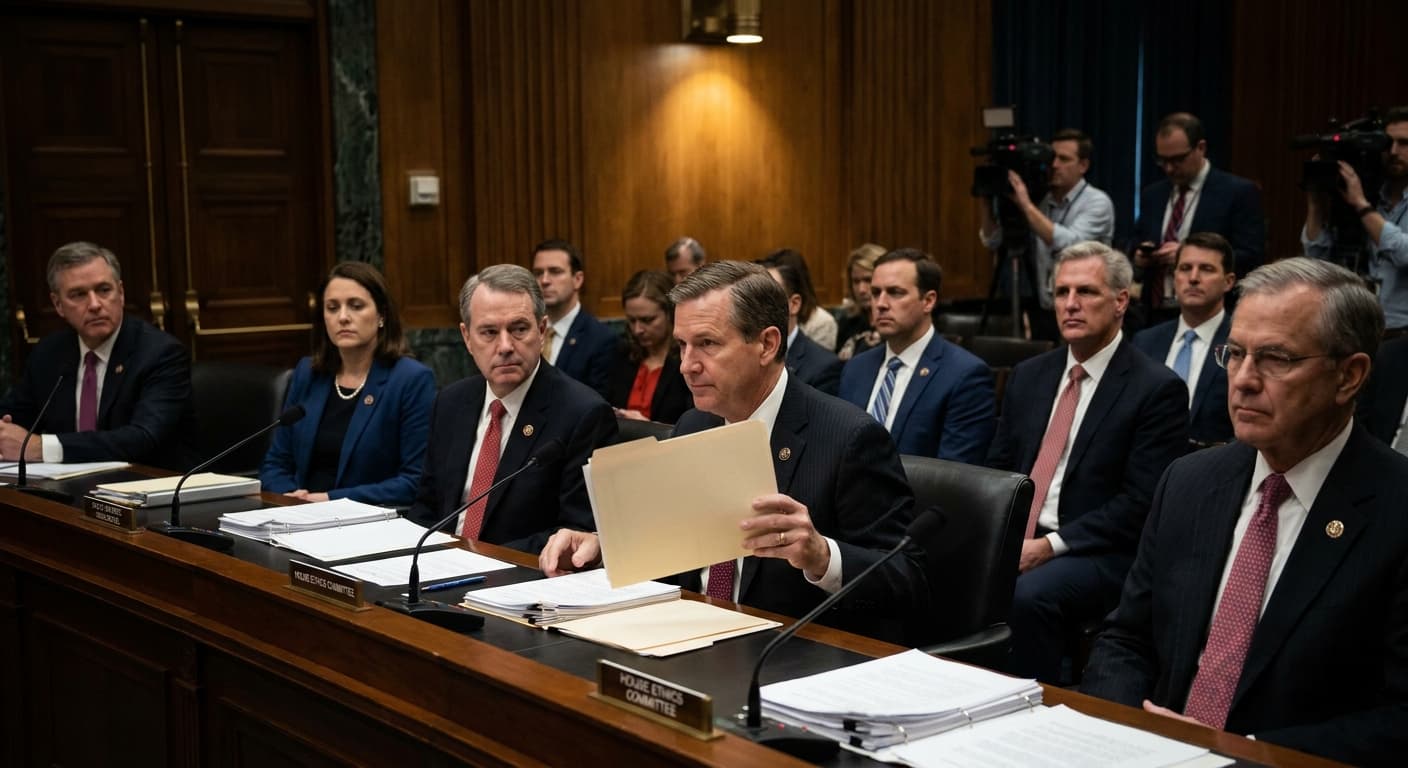
House Ethics Committee Pushes Sexual Miscond.
The House Ethics Committee has shifted responsibility for sexual harassment settlement records to the Office of Congressional Workplace Rights, complicating disclosure efforts.
India
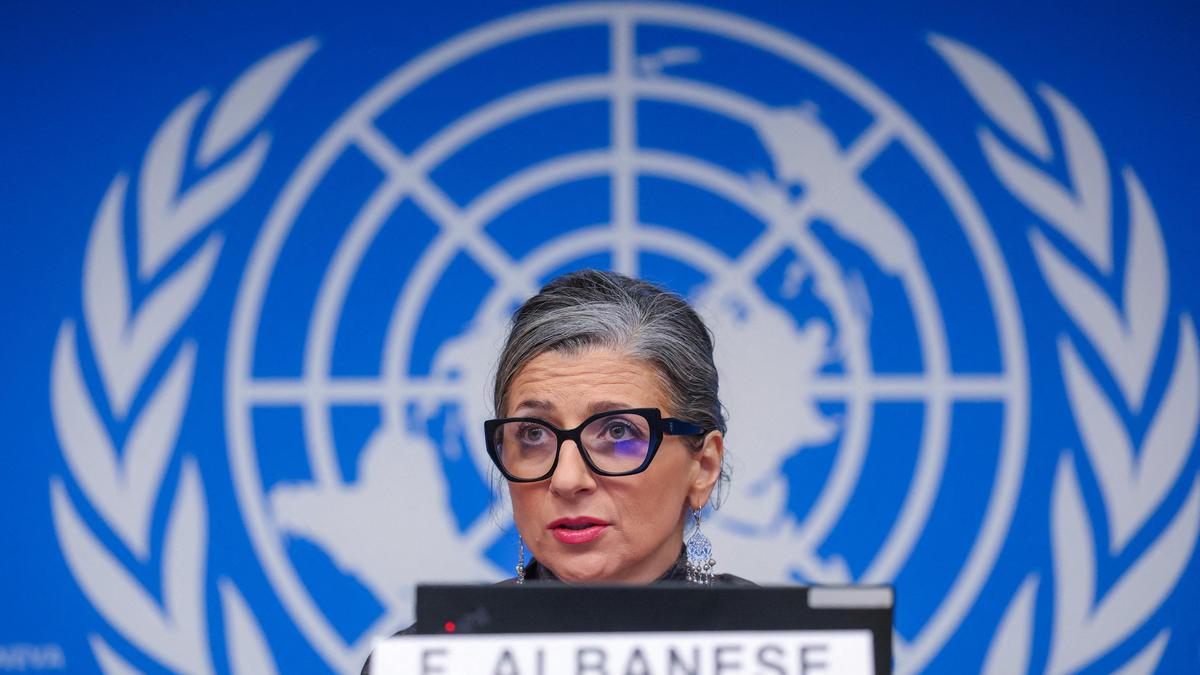
UN Expert Albanese: India Violates Law
UN Rapporteur Francesca Albanese accuses India of breaching international law, spotlighting human rights concerns in Kashmir and prompting diplomatic pushback.

Conflict & Security
Drone Warfare Killing Aid Workers at Unprec
Over 1,000 humanitarian workers killed in three years as cheap armed drones collapse legal protections. Gaza, Sudan, Ukraine, and DRC see deliberate targeting of aid convoys and hospitals with zero prosecutions.