Uzbekistan's Soft Power from PoW Mystery
A wartime disappearance becomes a diplomatic win for Uzbekistan.
Model Diplomat2 min readEurope
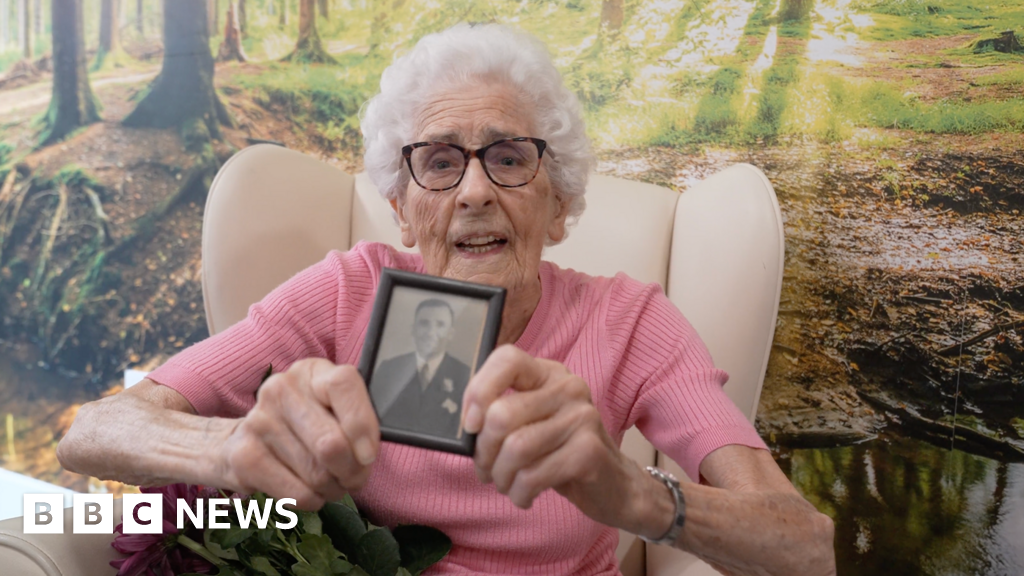
Uzbekistan Turns Jersey PoW Mystery into Soft Power
An 80-year-old wartime disappearance has become a quiet diplomatic win: Uzbekistan claims a heroic ancestor, Jersey gets its rescue story validated, and one family finally gets a name.
Uzbekistan now holds the strongest leverage in this story. By identifying “Tom” as Bokejon Akramov and posthumously awarding John and Phyllis Le Breton the Order of Friendship, Tashkent is turning an old family mystery into a state-sanctioned act of remembrance BBC News. That is not just sentiment. It is a low-cost way to project moral authority, especially because the evidence is unusually concrete: BBC researchers traced the man through wartime diaries, a later Soviet award record, and a home address that led to his grandson in Namangan, Uzbekistan
BBC News.
Memory has become the leverage
The Le Breton family’s payoff is closure. For more than 80 years, they had only a first name — “Tom” or “Bokijon Akram” — and a photograph of the Soviet prisoner of war they hid on Jersey after his escape from a German labour camp BBC News. Uzbekistan’s payoff is bigger: it can present a war narrative in which a Central Asian soldier survives Nazi captivity and a British family acts with decency, without reopening any present-day dispute.
That matters because the Channel Islands were not a side-show. Jersey was part of Hitler’s Atlantic Wall, and the island imported more than 5,000 slave labourers, including Russians, to build fortifications; the BBC says about 2,000 Soviet prisoners and forced labourers were brought specifically to Jersey BBC Jersey and
BBC News. In other words, this is a real wartime site, not a symbolic one.
Why Jersey still matters
Jersey benefits too. The island’s occupation history is increasingly being framed through individual acts of rescue, not just German coercion and local suffering. That broadens the story and gives Jersey a moral claim: this was a place where some islanders hid escaped Soviet prisoners at real personal risk BBC News. For readers following
Global Politics, the deeper point is that archives can still produce influence. A recovered identity lets small places and mid-sized states speak with more authority about the past.
There is also a second-order effect. Post-Soviet states have become more active in commemorative diplomacy, using wartime memory to reinforce national identity and external prestige. Uzbekistan’s award to the Le Bretons fits that pattern: it is an act of historical recognition, but it also signals that Tashkent is willing to invest state honor in overseas memory work.
What to watch next
The immediate milestone is Wednesday, when Dulcie Le Breton is due to receive Uzbekistan’s Order of Friendship BBC News. Watch whether that ceremony stays a one-off gesture or becomes the start of a wider remembrance channel between Jersey and Uzbekistan — and whether other wartime names buried in archives are pulled into the same diplomatic frame.
Discover more

International Relations
Pakistan's Key Role in US-Israel-Iran Meddle
Pakistan is seeking to mediate the US-Israel-Iran conflict, balancing high-stakes diplomacy against severe economic pressures and steep regional challenges.
Conflict & Security
Guatemala: El Niño 2026–27 becomes regional security test
UNICEF: 25.8M children face El Niño risks in Latin America; Guatemala maps 188 municipalities for drought and food insecurity amid regional security test.

Economics
Fed's stress-test overhaul is a capital-smoothing exercise
Federal Reserve finalized stress-test overhaul: two-year averaging for bank capital buffers and public input, expected to halve volatility.

Conflict & Security
Drone Warfare Killing Aid Workers at Unprec
Over 1,000 humanitarian workers killed in three years as cheap armed drones collapse legal protections. Gaza, Sudan, Ukraine, and DRC see deliberate targeting of aid convoys and hospitals with zero prosecutions.