Trump's Role in America's Soft Power Decline
Analyzing the shift from soft power to transactional leverage
Model Diplomat3 min readNorth America
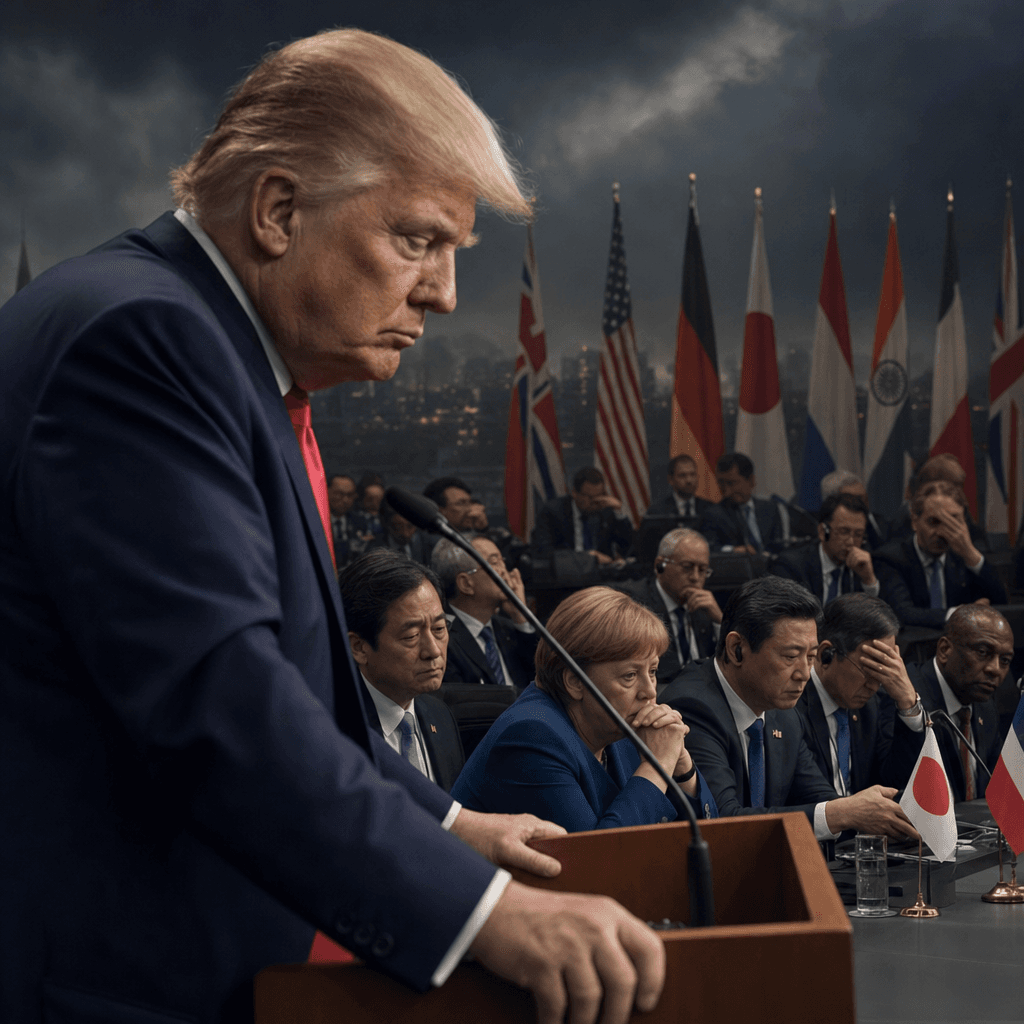
Trump Is Spending Down America’s Soft-Power Advantage
New perception data, aid cuts, and institutional exits suggest Washington is swapping long-built legitimacy for narrower, transactional leverage.
Stephen M. Walt’s warning about “the end of America’s soft power,” carried by The Washington Post, lands because the underlying shift is no longer theoretical: the Trump administration is converting accumulated U.S. legitimacy into short-term freedom of action.The Washington Post Soft power, in Joseph Nye’s definition, is the ability to get preferred outcomes through attraction rather than coercion or payment; the current White House is signaling that it values harder forms of leverage more.
NPR That does not make the United States weak. It means Washington is choosing a more transactional toolkit — and accepting the reputational cost.
The damage is now measurable
The clearest sign is perception. A 2025 global survey reported by Reuters found the United States’ net image fell to -5% from +22% a year earlier, while China’s rose to +14%; respondents rated Donald Trump negatively in 82 of 100 countries surveyed.Reuters That matters because alliance management, sanctions enforcement, export-control coalitions, and crisis diplomacy all work better when other governments want to align with Washington, not merely fear the cost of refusing.
The material side is moving in the same direction. OECD preliminary data showed U.S. official development assistance fell from about $63 billion in 2024 to $29 billion in 2025, accounting for roughly three-quarters of the global decline among major donors.Al Jazeera And the administration’s decision to leave UNESCO again — effective in December 2026 — reduces U.S. influence inside a body that shapes norms on education, science, culture, and AI ethics.
BBC For a broader
Global Politics audience, the point is simple: influence is being surrendered not only in rhetoric, but in budgets and institutions.
China benefits most — even without becoming popular
China does not need to outcompete the United States on culture, universities, or political values everywhere. It only needs Washington to look unreliable. Brookings argues that as the U.S. steps back from UNESCO, China is stepping into standard-setting space, especially around education governance and AI-era norms.Brookings Foreign Affairs has made the broader case: Trump can exploit America’s market and military weight in the short run, but if he weakens the interdependence and institutions that magnify U.S. power, he also weakens the base of American influence.
Foreign Affairs
There is a counterargument. Supporters of the shift, cited by NPR, explicitly frame this as a rebalancing away from diffuse soft power toward harder economic and geopolitical leverage.NPR That can produce tactical wins. But it benefits rivals if allies conclude the United States is now a less dependable partner than a powerful but erratic one — a risk especially relevant to the
United States alliance network.
What to watch next
The next test is whether reputational decline hardens into institutional loss. Watch three things: congressional willingness to restore any foreign-assistance funding after the 2025 collapse; whether more multilateral exits follow UNESCO; and whether allied governments begin hedging more openly in trade, technology, and security forums before the U.S. departure from UNESCO takes effect in December 2026.Al Jazeera
BBC If those trends continue, Walt’s argument will look less like provocation than a balance-sheet assessment of American power.
Discover more
Global Politics
Trump's Conflicting Messages on Iran War
Trump's mixed messages on Iran reflect a strategy of audience management, benefiting Tehran amid a complex geopolitical landscape.

Conflict & Security
Drone Warfare Killing Aid Workers at Unprec
Over 1,000 humanitarian workers killed in three years as cheap armed drones collapse legal protections. Gaza, Sudan, Ukraine, and DRC see deliberate targeting of aid convoys and hospitals with zero prosecutions.

Global
World Normalises Taliban as Afghan Women Eras
UN data shows Afghan women erased from public life as Russia recognises the Taliban, EU hosts officials in Brussels, and ICC warrants for gender persecution go unenforced.
Conflict & Security
West Africa Food Crisis: Three Shocks in 2026
Conflict, climate extremes, and the Strait of Hormuz closure drive a severe food crisis in West and Central Africa, with fertilizer prices surging 80% and millions displaced.